Off License For Lease In Virginia
Description

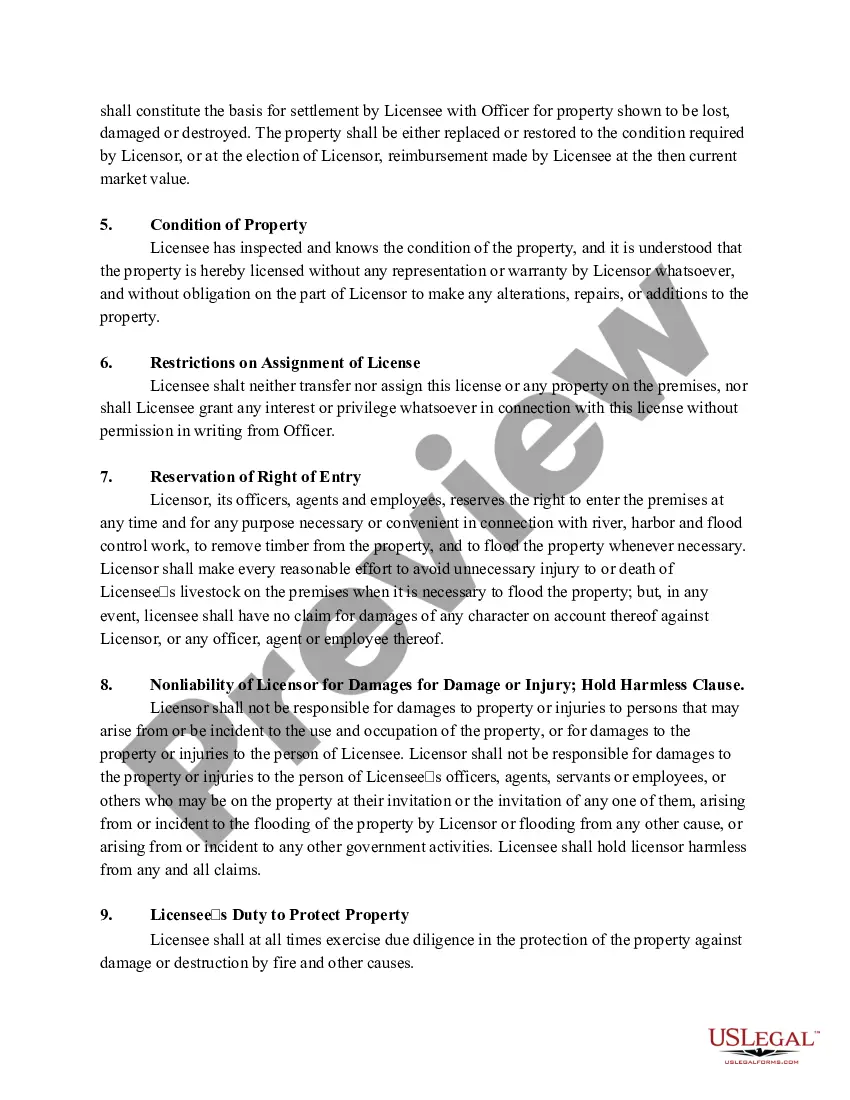
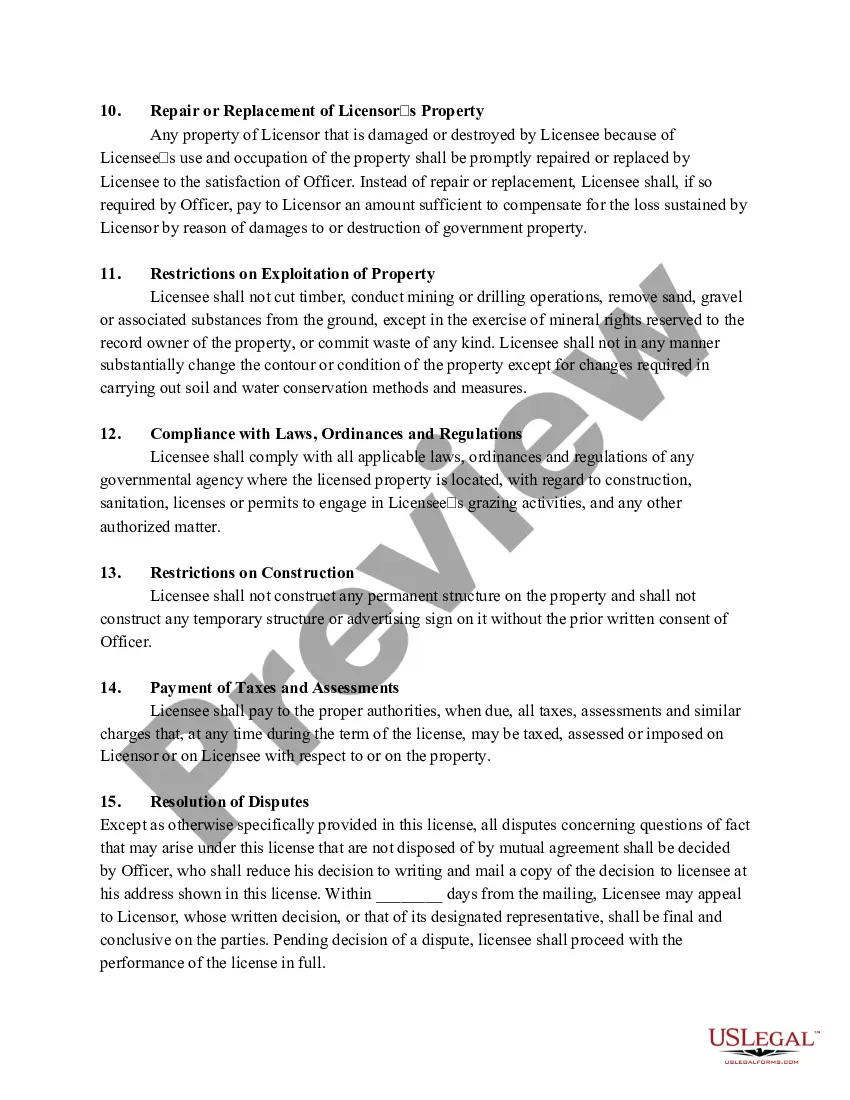
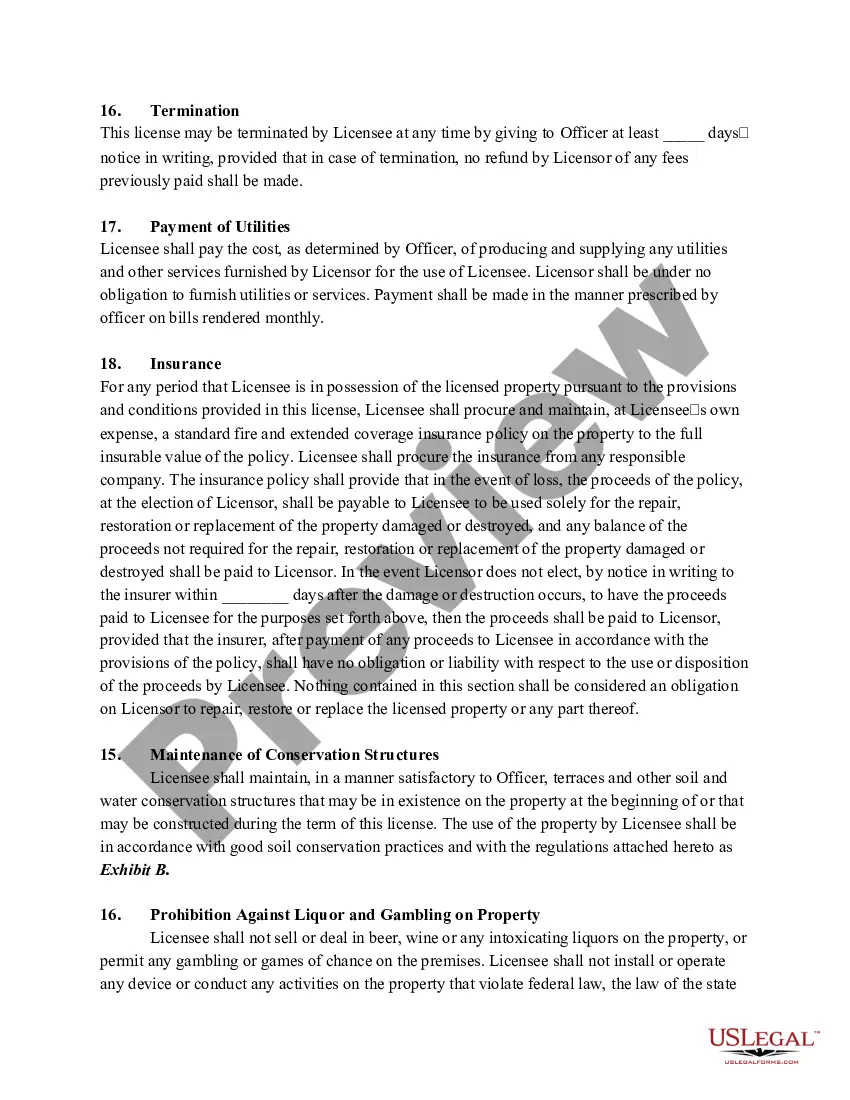
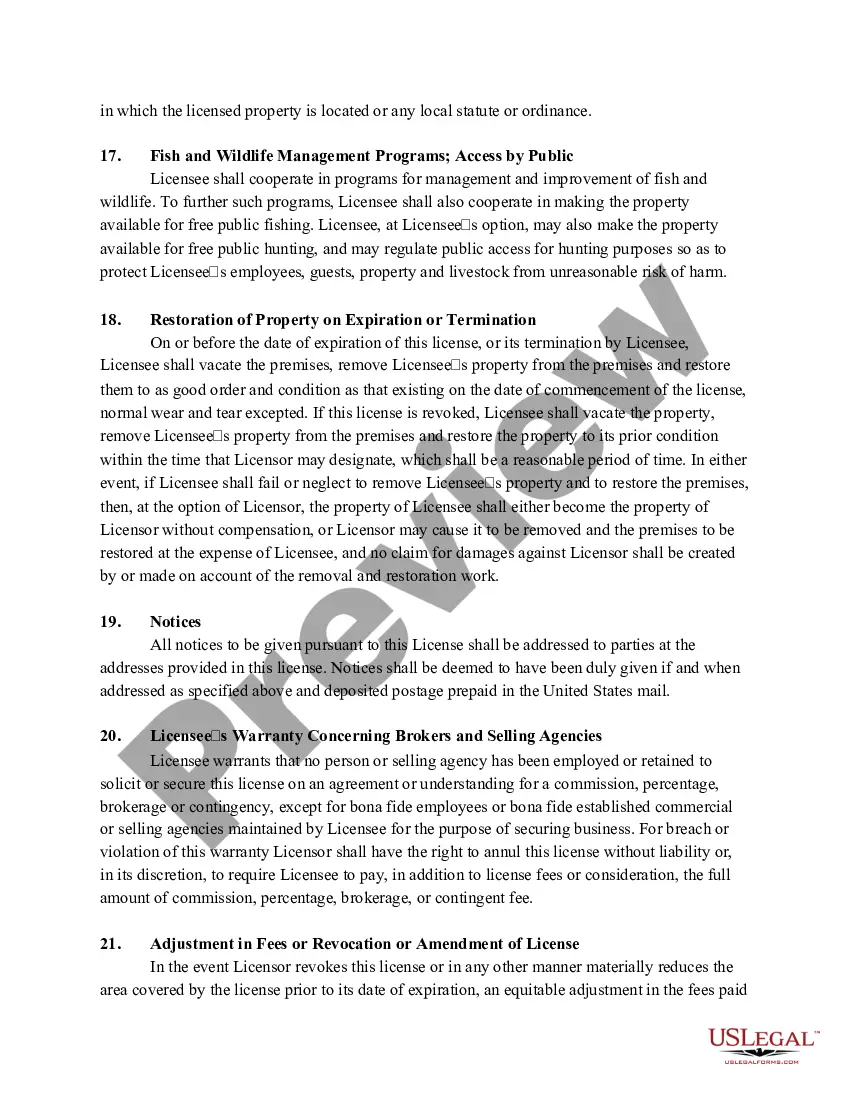
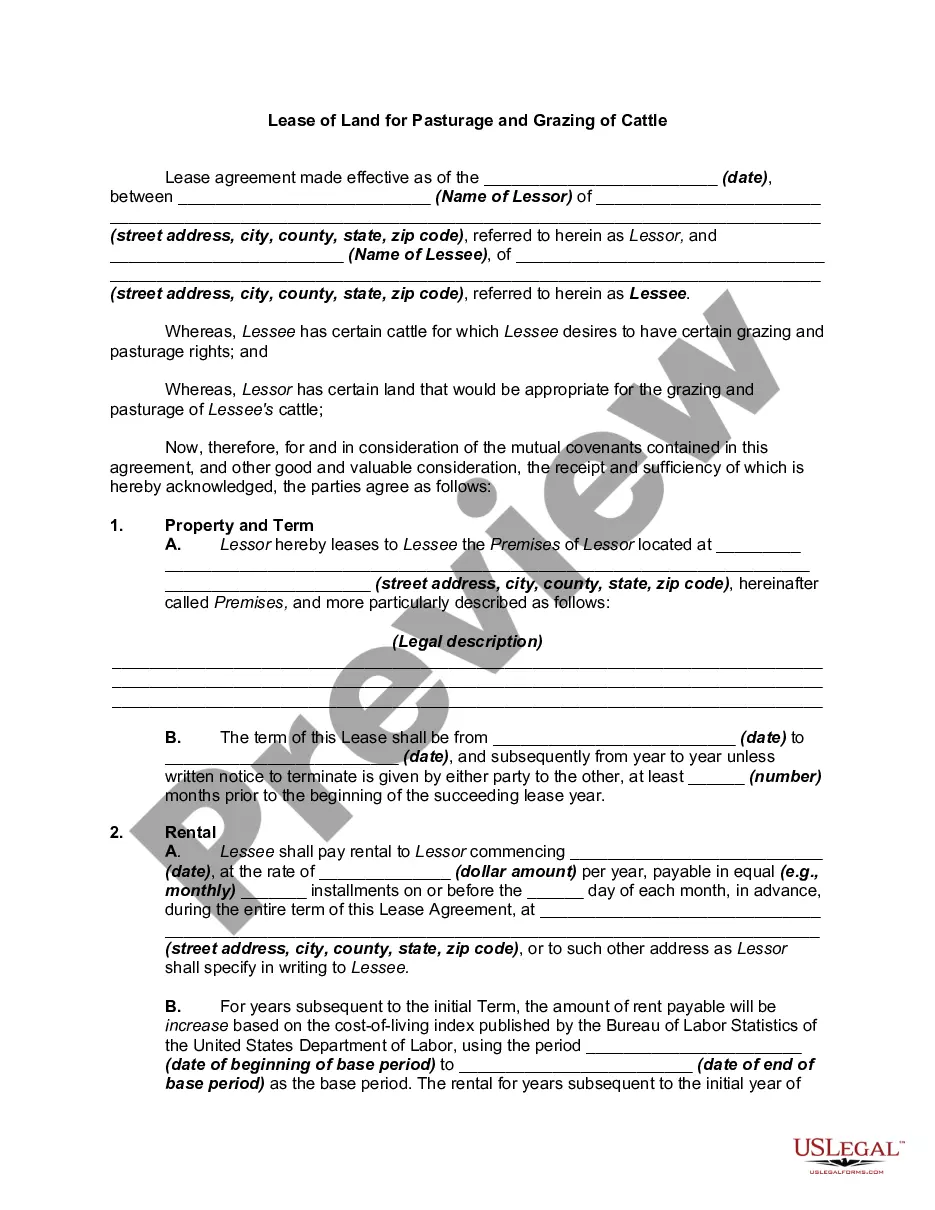
Get your form ready online
Our built-in tools help you complete, sign, share, and store your documents in one place.
Make edits, fill in missing information, and update formatting in US Legal Forms—just like you would in MS Word.
Download a copy, print it, send it by email, or mail it via USPS—whatever works best for your next step.
Sign and collect signatures with our SignNow integration. Send to multiple recipients, set reminders, and more. Go Premium to unlock E-Sign.
If this form requires notarization, complete it online through a secure video call—no need to meet a notary in person or wait for an appointment.
We protect your documents and personal data by following strict security and privacy standards.

Make edits, fill in missing information, and update formatting in US Legal Forms—just like you would in MS Word.

Download a copy, print it, send it by email, or mail it via USPS—whatever works best for your next step.

Sign and collect signatures with our SignNow integration. Send to multiple recipients, set reminders, and more. Go Premium to unlock E-Sign.

If this form requires notarization, complete it online through a secure video call—no need to meet a notary in person or wait for an appointment.

We protect your documents and personal data by following strict security and privacy standards.
Looking for another form?


Form popularity
FAQ
Sold, traded or no longer operate your vehicle? Moved out of Virginia? If so, Virginia law requires you to immediately surrender your license plates and/or vehicle registration to DMV.
You have three options: FASTEST: Use DMV's Online Plate Surrender to report the surrender of your plates. Surrender your plates at a customer service center. Complete a Vehicle Registration Refund Application (FMS 210) and mail it along with your plates to:
In Virginia, you have a few options regarding recycling your old license plate: Keep the plate and transfer it to another vehicle. Return it to a DMV customer service center and they will destroy it for you.
Bring them in person or mail them (check your state's DMV website for mailing options) Complete a plate cancellation form. Some states require this—get the right form online before heading to the DMV.
Virginia does not require a special landlord license. However, renting properties is considered a business activity and may require a generic business license in some locales. For example, Arlington County requires landlords earning more than $10,000 annually in rental income to obtain a business license.
In Virginia, regulations for short-term rentals vary by city but often include requirements for permits, liability insurance, occupancy restrictions, and adherence to local laws concerning noise, trash, and safety. Many cities also mandate registration with local authorities and compliance with zoning laws.
In Virginia, you must earn your Real Estate Broker license to start a property management company. Alternatively, you can work under a Broker with your Virginia Real Estate Salesperson license.
On average, application processing takes up to 60 days.
Virginia doesn't require businesses to obtain a general business license to operate within the state. But most cities and counties will require a business to obtain a local business license if it wants to operate within that city or county.
In Virginia, the need for a business license for property rentals varies by county or city. Some localities require business licenses for rental properties if the rental income exceeds a certain limit or if the landlord manages multiple properties.
