Difference Between Lease And Rental Agreement In Texas
Description

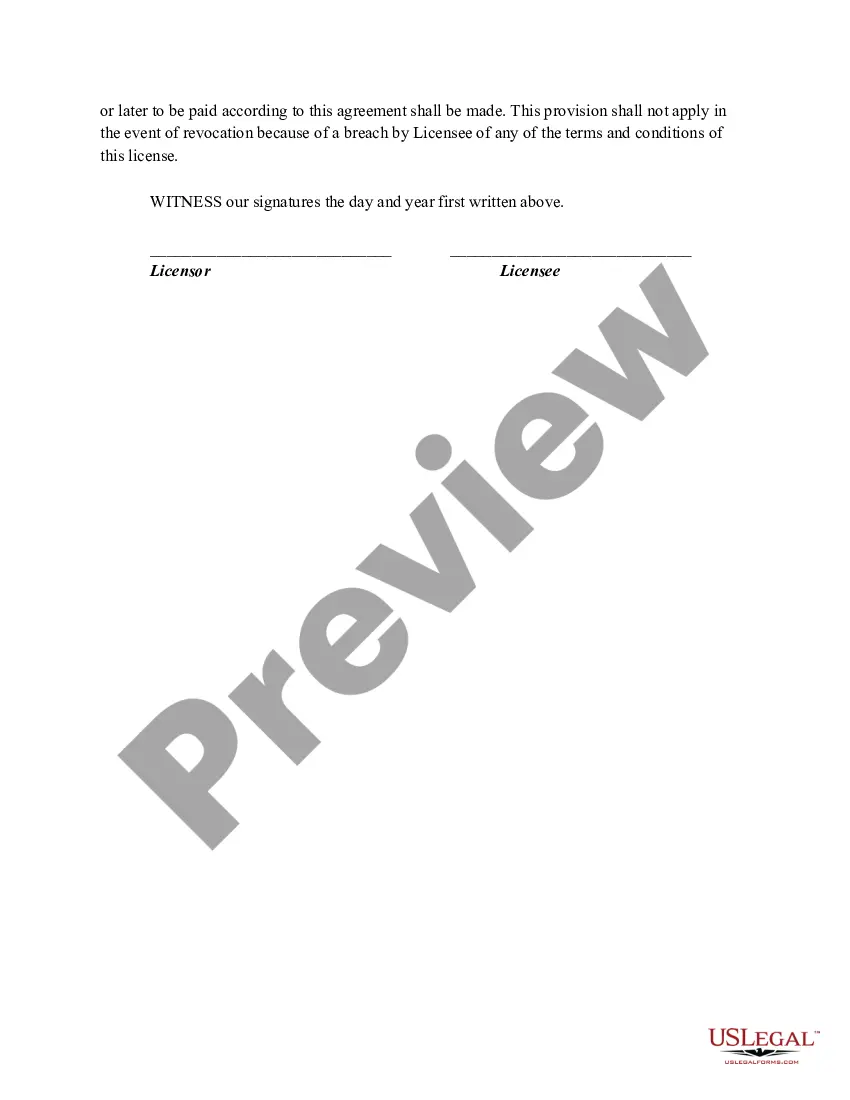
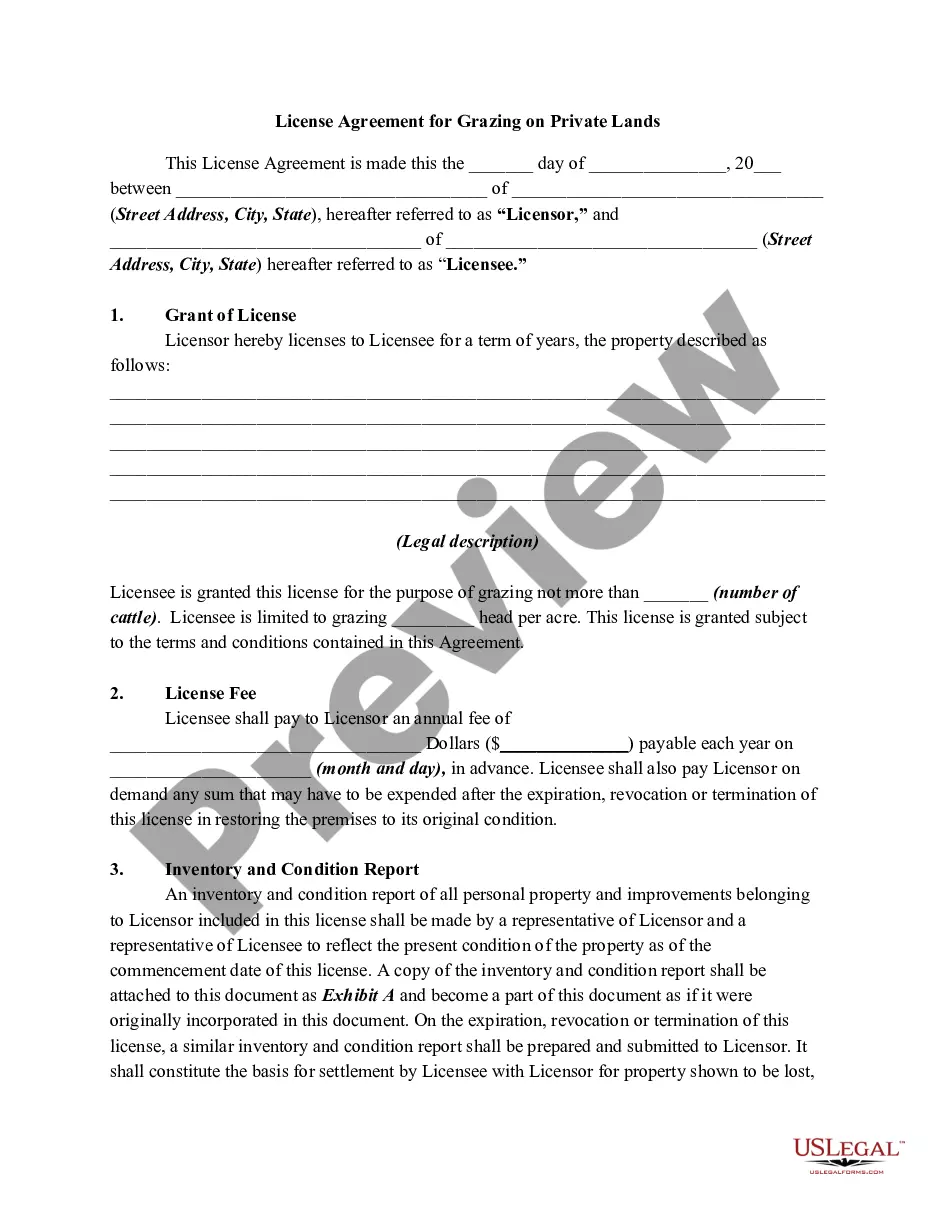
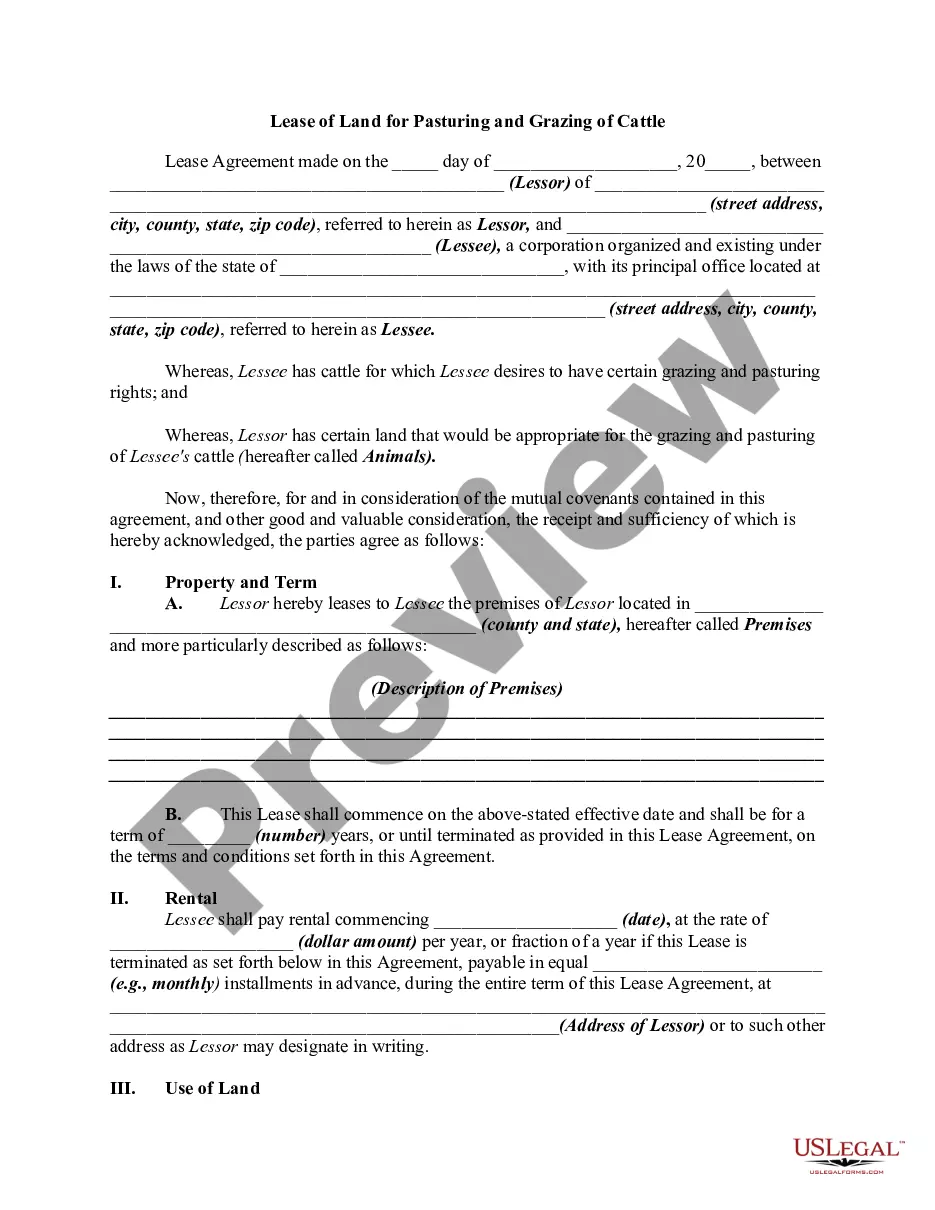
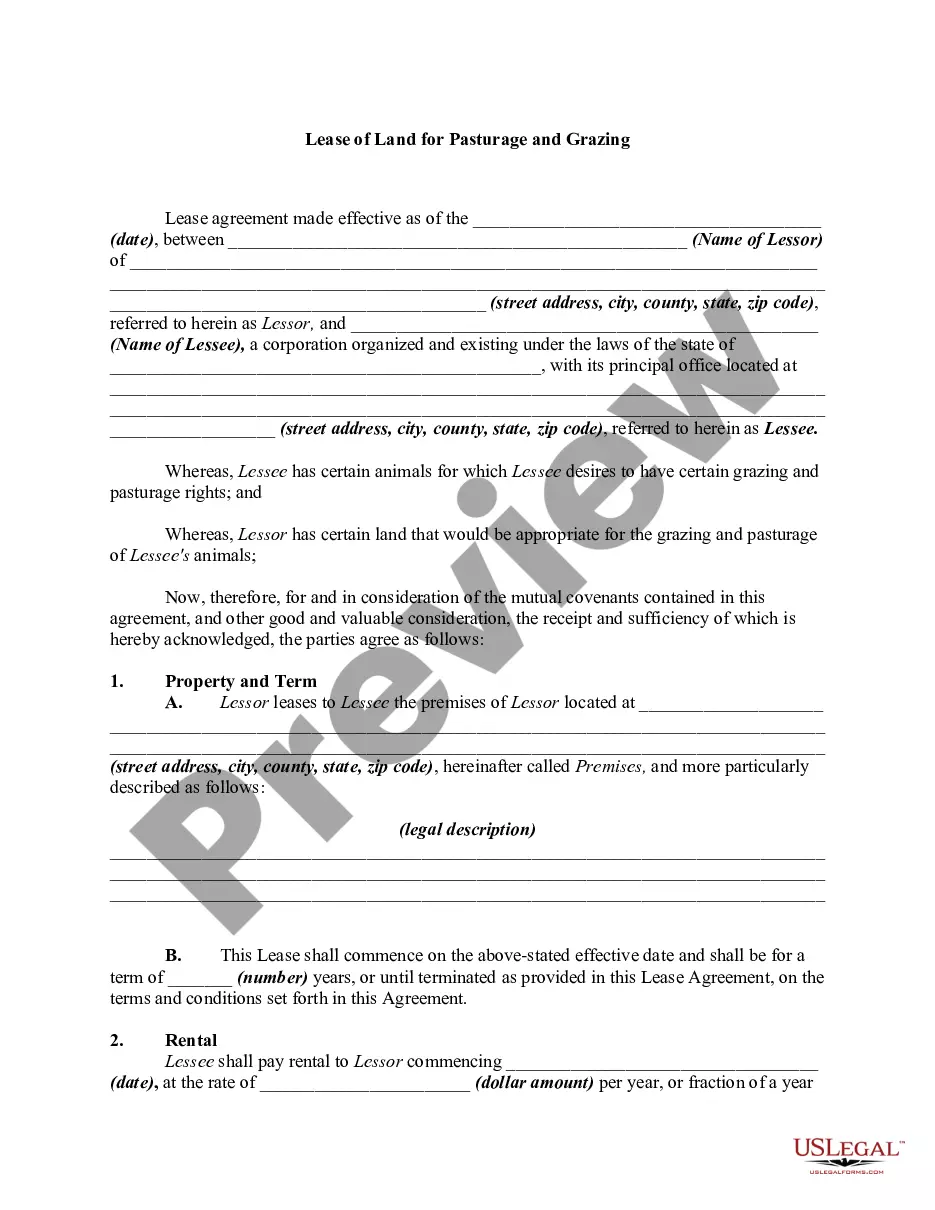
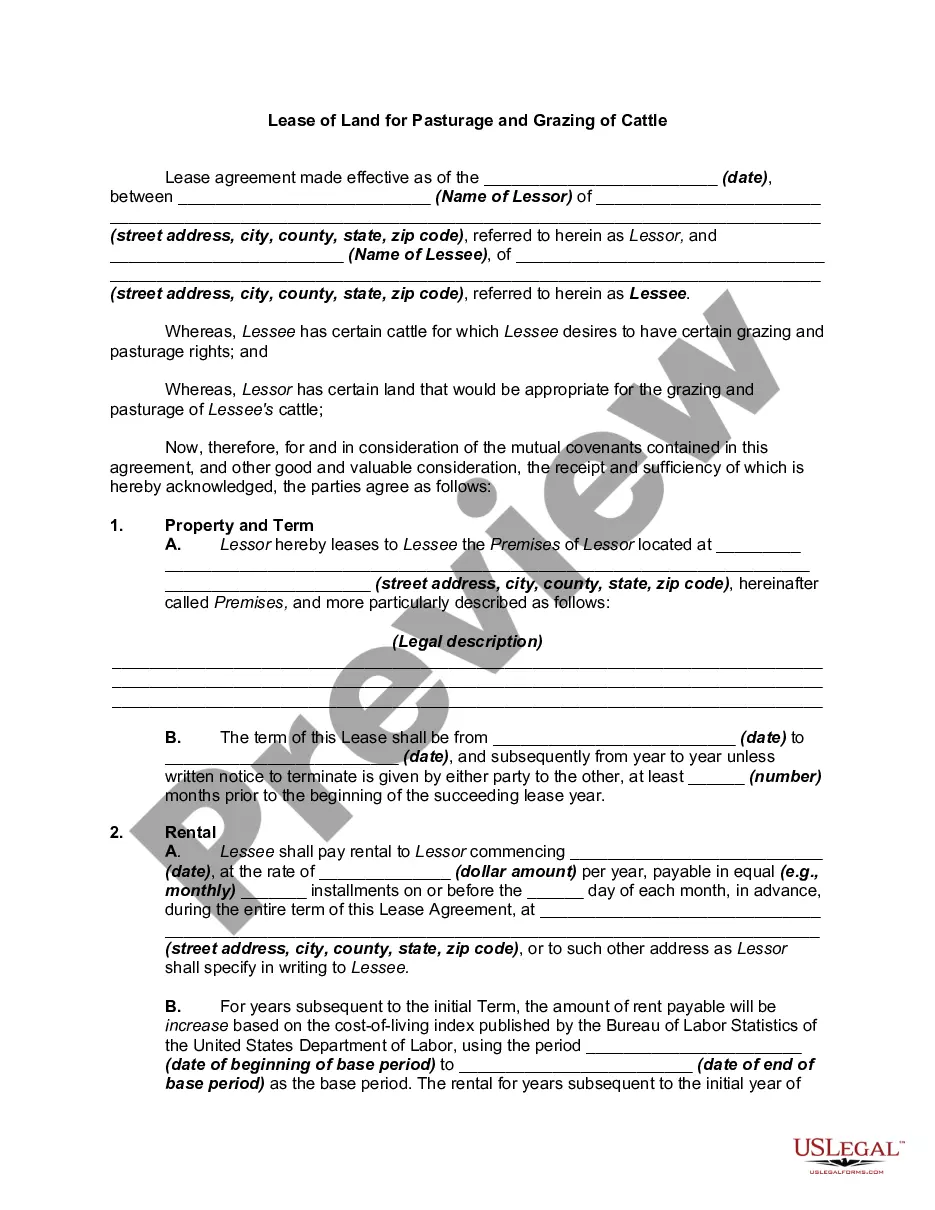
Get your form ready online
Our built-in tools help you complete, sign, share, and store your documents in one place.
Make edits, fill in missing information, and update formatting in US Legal Forms—just like you would in MS Word.
Download a copy, print it, send it by email, or mail it via USPS—whatever works best for your next step.
Sign and collect signatures with our SignNow integration. Send to multiple recipients, set reminders, and more. Go Premium to unlock E-Sign.
If this form requires notarization, complete it online through a secure video call—no need to meet a notary in person or wait for an appointment.
We protect your documents and personal data by following strict security and privacy standards.

Make edits, fill in missing information, and update formatting in US Legal Forms—just like you would in MS Word.

Download a copy, print it, send it by email, or mail it via USPS—whatever works best for your next step.

Sign and collect signatures with our SignNow integration. Send to multiple recipients, set reminders, and more. Go Premium to unlock E-Sign.

If this form requires notarization, complete it online through a secure video call—no need to meet a notary in person or wait for an appointment.

We protect your documents and personal data by following strict security and privacy standards.
Looking for another form?








Form popularity
FAQ
Disadvantage: Loss of Control While you have the freedom to negotiate the level of services, generally, the management company will become responsible for making all of the operational decisions that are necessary to keep that part of your business running smoothly.
A Management Agreement is a crucial document that outlines the responsibilities and expectations between a company and its management team. It helps establish clear guidelines and ensures that both parties are on the same page.
Lease management, also called lease administration, is the process of overseeing your lease portfolio. It tracks and optimizes real estate and equipment leases ― so you lower costs and achieve compliance.
A Texas standard residential lease agreement is a document used by a landlord renting property to a tenant for monthly payment under typical conditions. Most agreements of this type are for a fixed term, usually one year.
What Should I Include in My Texas Rental Lease Agreement? Names of All Parties Involved. Occupancy Limits. Property Description. Rent and Late Fees. Tenancy Term. Security Deposit Policy. Repair & Maintenance. House Rules and Regulations.
There is nothing wrong, with someone leasing/renting more than one property. Having two leases makes the person liable for two properties. People may want to have two different places to live and rent in the state of Texas and it would be at their discretion to be liable, for both.
In Texas, a lease agreement must comply with state and federal laws, including the Texas Property Code and the Fair Housing Act. It must also include specific information, such as the names and addresses of both parties, the rental property address, and the amount and due date of rent.
It must be written in strict adherence to property laws of the state where the property is located. Failing to do so can either render the lease invalid or unable to protect the landlord's property and interests from potential problem tenants.
One of the most common problems landlords face is unpaid rent. Lease agreements should state the due date for payments, so even a single late payment can constitute a violation of the agreement.
If a tenant significantly violates a lease agreement (non-payment of rent, destruction of property, illegal activity, etc.), they make themselves vulnerable to eviction from their landlord. The landlord cannot evict them in Texas, however, without first following these steps: Provide notice of violation.
