Difference Between Lease And Rental Agreement In Pima
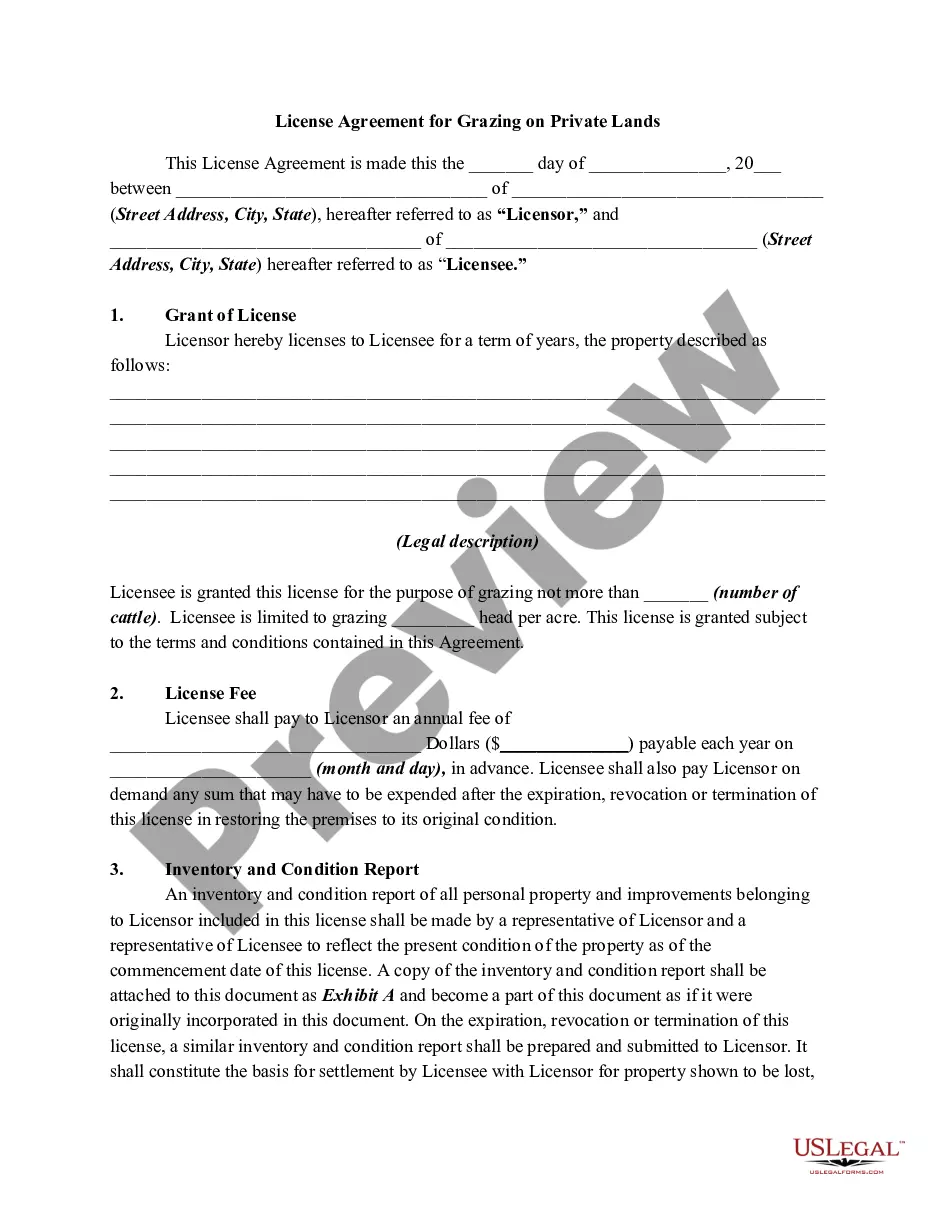
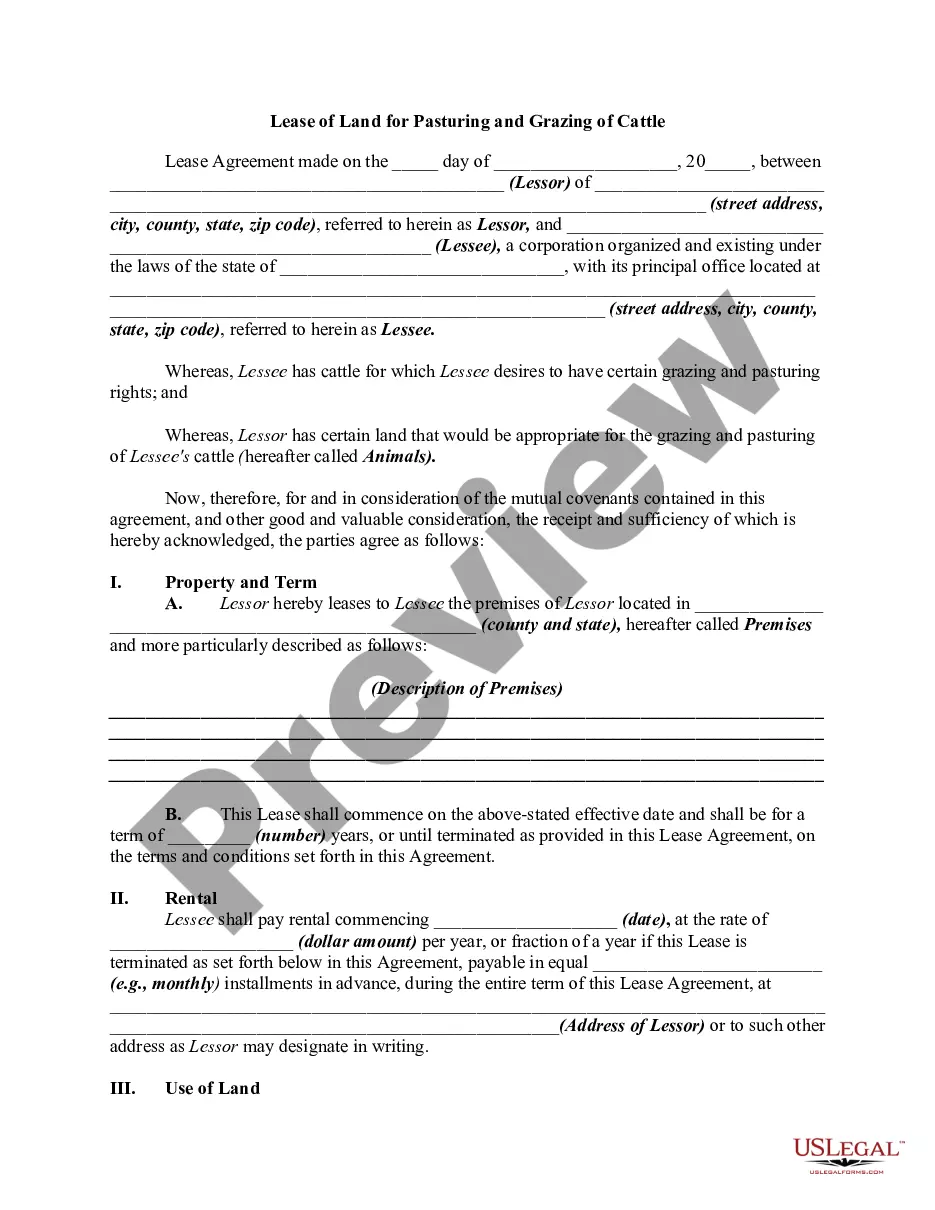
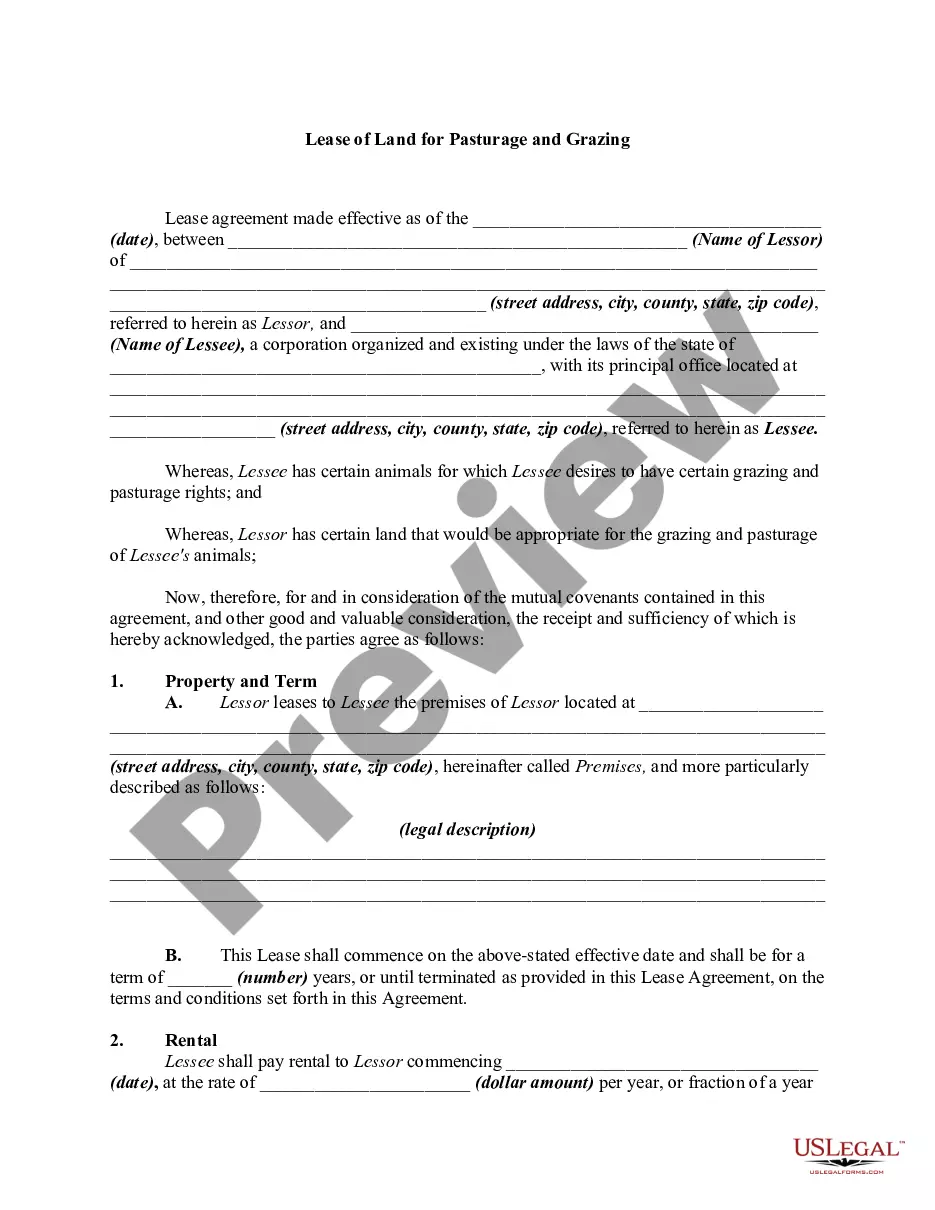
Description

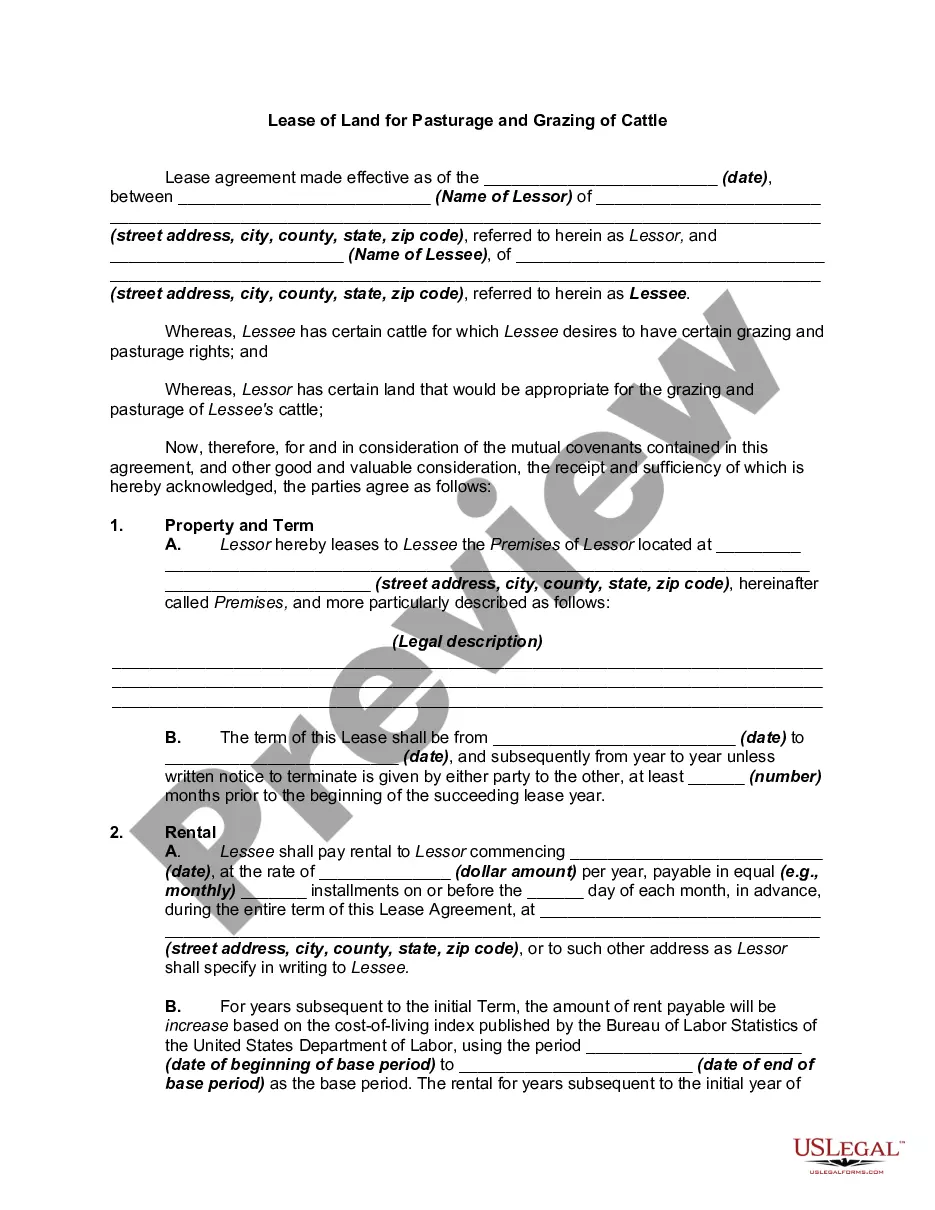
Get your form ready online
Our built-in tools help you complete, sign, share, and store your documents in one place.
Make edits, fill in missing information, and update formatting in US Legal Forms—just like you would in MS Word.
Download a copy, print it, send it by email, or mail it via USPS—whatever works best for your next step.
Sign and collect signatures with our SignNow integration. Send to multiple recipients, set reminders, and more. Go Premium to unlock E-Sign.
If this form requires notarization, complete it online through a secure video call—no need to meet a notary in person or wait for an appointment.
We protect your documents and personal data by following strict security and privacy standards.

Make edits, fill in missing information, and update formatting in US Legal Forms—just like you would in MS Word.

Download a copy, print it, send it by email, or mail it via USPS—whatever works best for your next step.

Sign and collect signatures with our SignNow integration. Send to multiple recipients, set reminders, and more. Go Premium to unlock E-Sign.

If this form requires notarization, complete it online through a secure video call—no need to meet a notary in person or wait for an appointment.

We protect your documents and personal data by following strict security and privacy standards.
Looking for another form?







Form popularity
FAQ
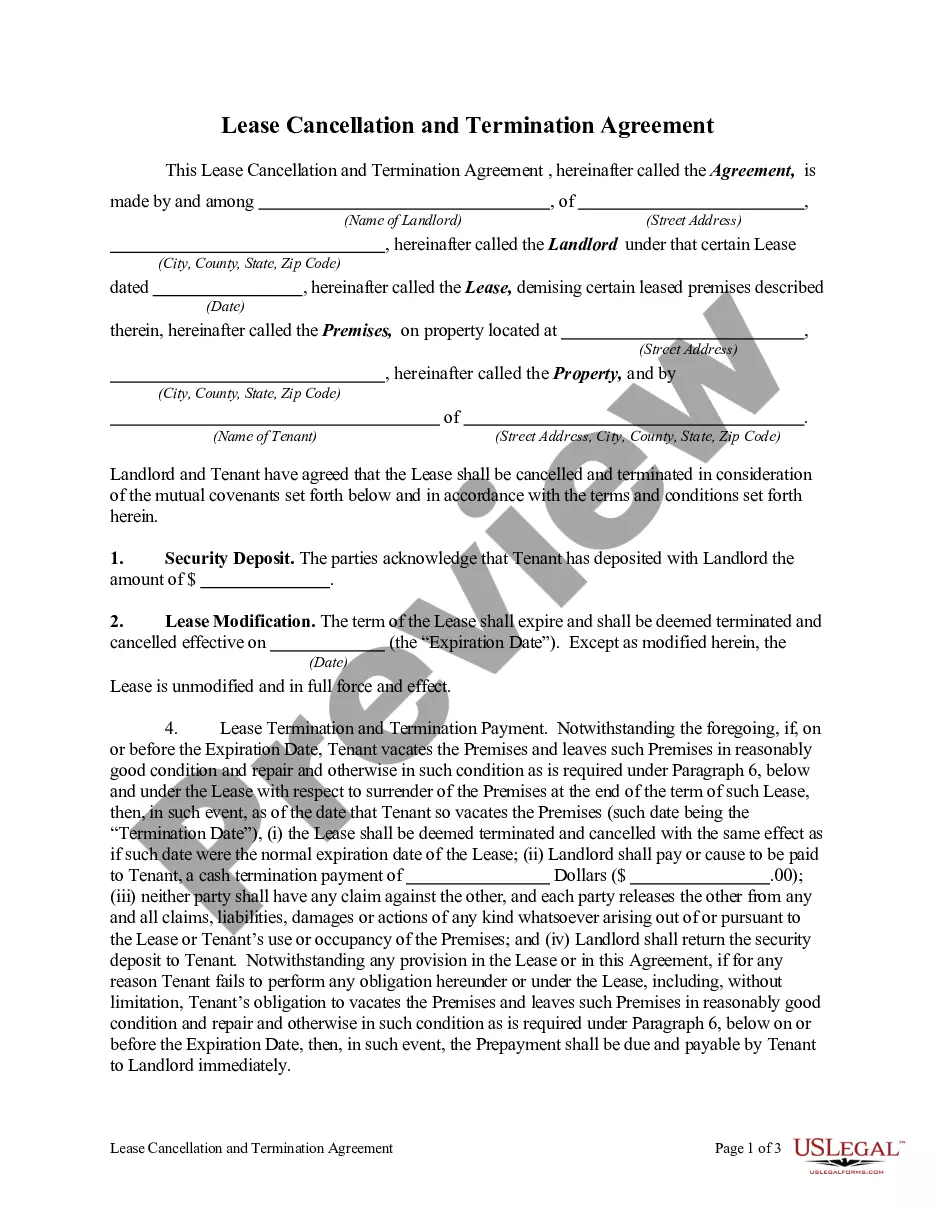
While both lease and rental agreements involve a legal arrangement between a tenant and a rental property owner, the key differences lie in the term length and flexibility of the terms.
A New York standard residential lease agreement is a form that allows a landlord and tenant to enter into a legally binding arrangement for leasing residential space. The term "standard" means a fixed term that usually lasts one year.
An agreement for a lease is however as good as a lease until some of the terms and conditions agreed by the parties is/ are breached by either party.
A rental agreement differs from a lease agreement in that it is not a long-term contract and usually occurs on a month-to-month basis. This month-to-month lease agreement expires and then renews each month upon agreement of the parties involved.
Leasing typically requires a larger upfront payment, including a security deposit and the first and last month's rent, while renting may have lower initial costs. It's important to note that leasing usually involves fixed monthly payments, while the monthly rent amount for a rental property may fluctuate over time.
In India, there are two different kinds of rent agreements, one of which is a lease with a minimum term of 12 months. Rent Control Laws established by the State Government regulate this. The other kind is a lease and license contract that lasts up to 11 months and is exempt from rent control laws.
Stability is the key advantage of a lease. You're entitled to stay in your home through the duration of the contract. It's an ideal arrangement for someone who knows they want to stay in a place long-term. No rent increases.
