Tenancy Agreement For Rental In Pennsylvania
Description

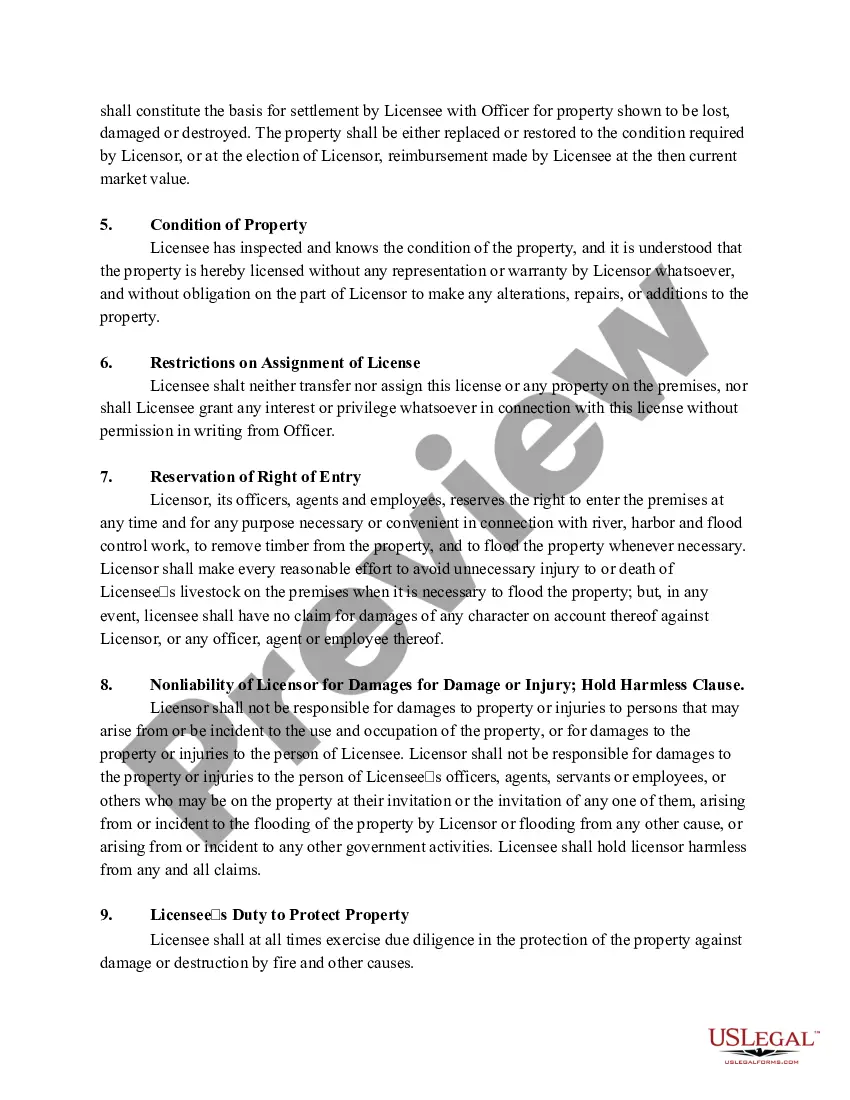
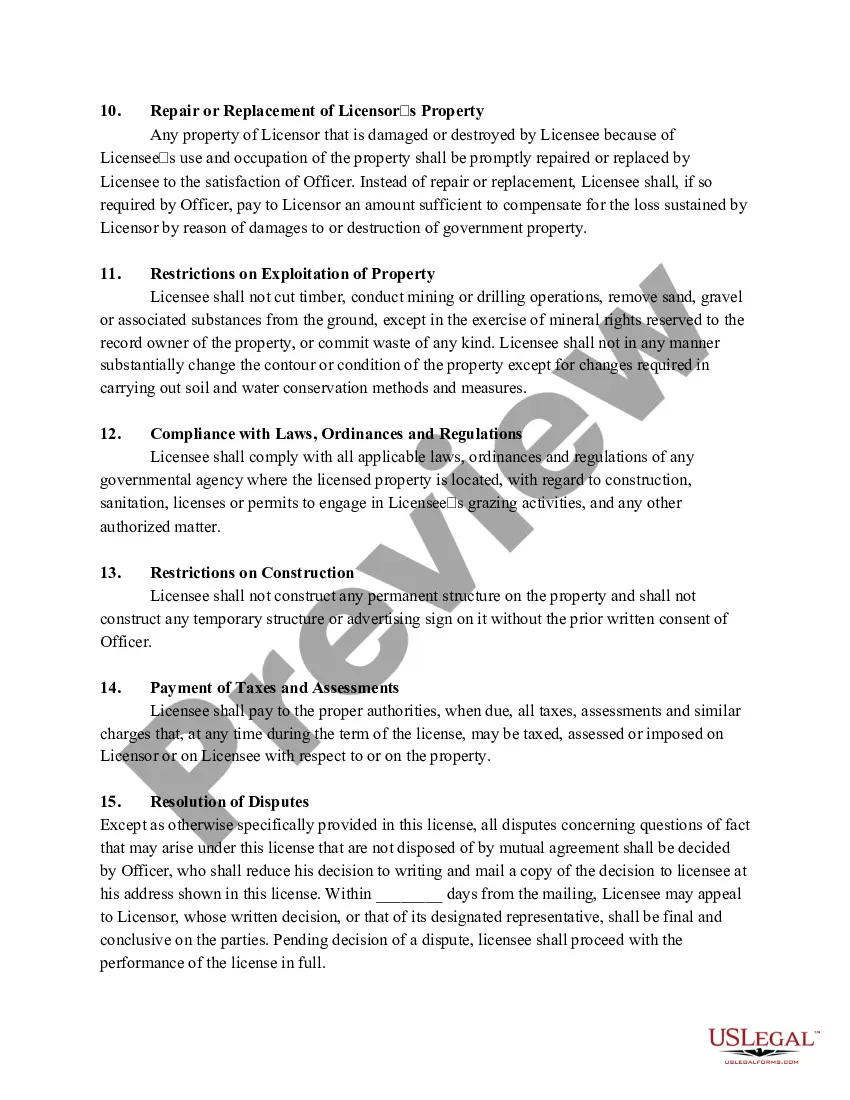
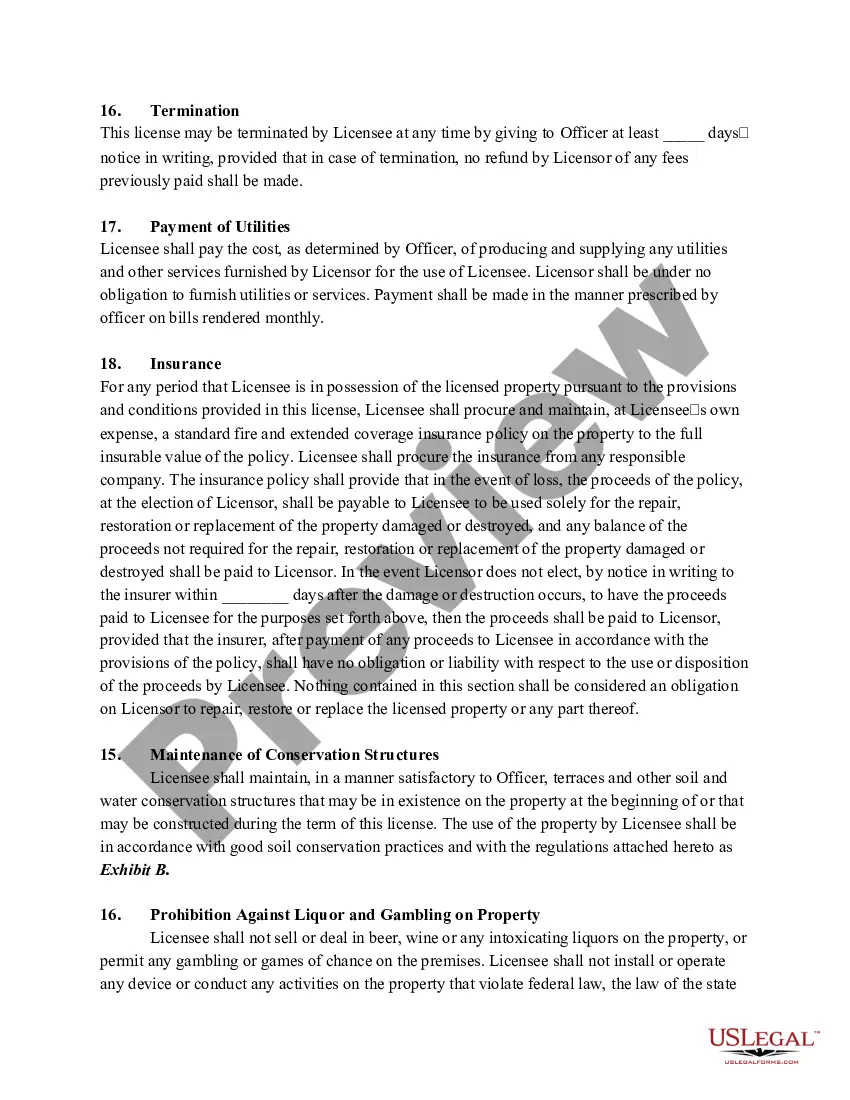
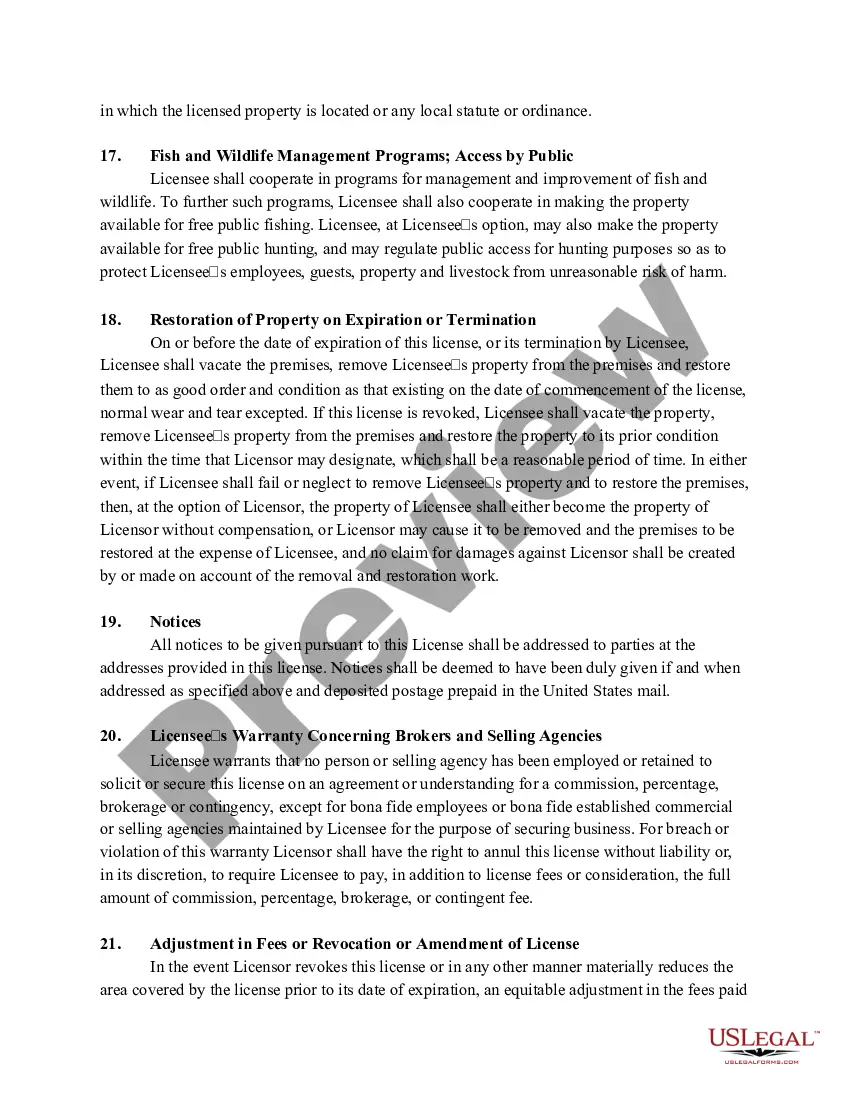
Get your form ready online
Our built-in tools help you complete, sign, share, and store your documents in one place.
Make edits, fill in missing information, and update formatting in US Legal Forms—just like you would in MS Word.
Download a copy, print it, send it by email, or mail it via USPS—whatever works best for your next step.
Sign and collect signatures with our SignNow integration. Send to multiple recipients, set reminders, and more. Go Premium to unlock E-Sign.
If this form requires notarization, complete it online through a secure video call—no need to meet a notary in person or wait for an appointment.
We protect your documents and personal data by following strict security and privacy standards.

Make edits, fill in missing information, and update formatting in US Legal Forms—just like you would in MS Word.

Download a copy, print it, send it by email, or mail it via USPS—whatever works best for your next step.

Sign and collect signatures with our SignNow integration. Send to multiple recipients, set reminders, and more. Go Premium to unlock E-Sign.

If this form requires notarization, complete it online through a secure video call—no need to meet a notary in person or wait for an appointment.

We protect your documents and personal data by following strict security and privacy standards.
Looking for another form?








Form popularity
FAQ
Pennsylvania leases do not need to be notarized. Once both parties sign the document, it is considered legally valid.
No person, firm, or corporation managing, conducting, owning or operating a dwelling or dwelling unit shall rent, lease, let out or permit to be occupied or shall re-rent the same without first obtaining a certificate of occupancy from the Borough, as set forth by the same procedure as in §§ 101-2 and 101-7.
You need a Rental License to rent out a property. One license can cover all units within a single address. The owner must name a local managing agent when applying for the Rental License. The managing agent is responsible for handling maintenance requests, collecting rent, and resolving rental disputes.
A Pennsylvania month-to-month rental agreement is a lease that can be canceled upon written 30-day notice from the landlord or tenant. Otherwise, the agreement continues indefinitely. The landlord is able to change the terms of the lease by providing notice within the required period.
To make a state either landlord or tenant-friendly, the state's laws must favor one or the other more with legal rules and repercussions. RentRedi places Pennsylvania as a landlord-friendly state due to rules that allow for landlords to have more control over the landlord-tenant interactions.
First, the city can fine you $300 per day for every day your property has been rented without a license. For example, if the tenant has been living there for a year, you're looking at 365 days of fines – that's 365 times $300, which can add up very quickly.
Landlords in Pennsylvania are responsible for maintaining the rental property in a habitable condition. This includes making necessary repairs and ensuring that essential services are provided. Failure to maintain the property can lead to legal consequences.
The amount of notice required depends on the length of the lease. Notice Required to Terminate a Month to Month Tenancy: 15 days (68 P.S. §§ 250.501(b)). Notice Required to Terminate A Fixed Term Tenancy of a Year of More: 30 days (68 P.S. §§ 250.501(b)).
In Pennsylvania, there is no statewide requirement for landlords to have a rental license. However, local municipalities may require a rental license for property owners.
Landlord/Tenant Eviction/Nonrenewal Process Timetable for Apartment or House: If the Reason for Eviction is:A Landlord Must Give a Tenant: Expiration/General Breach of a Year or Less Lease 15 Days' Notice Expiration/General Breach of a Lease Longer than One Year 30 Days' Notice3 more rows
