Lease License For Alterations In Ohio
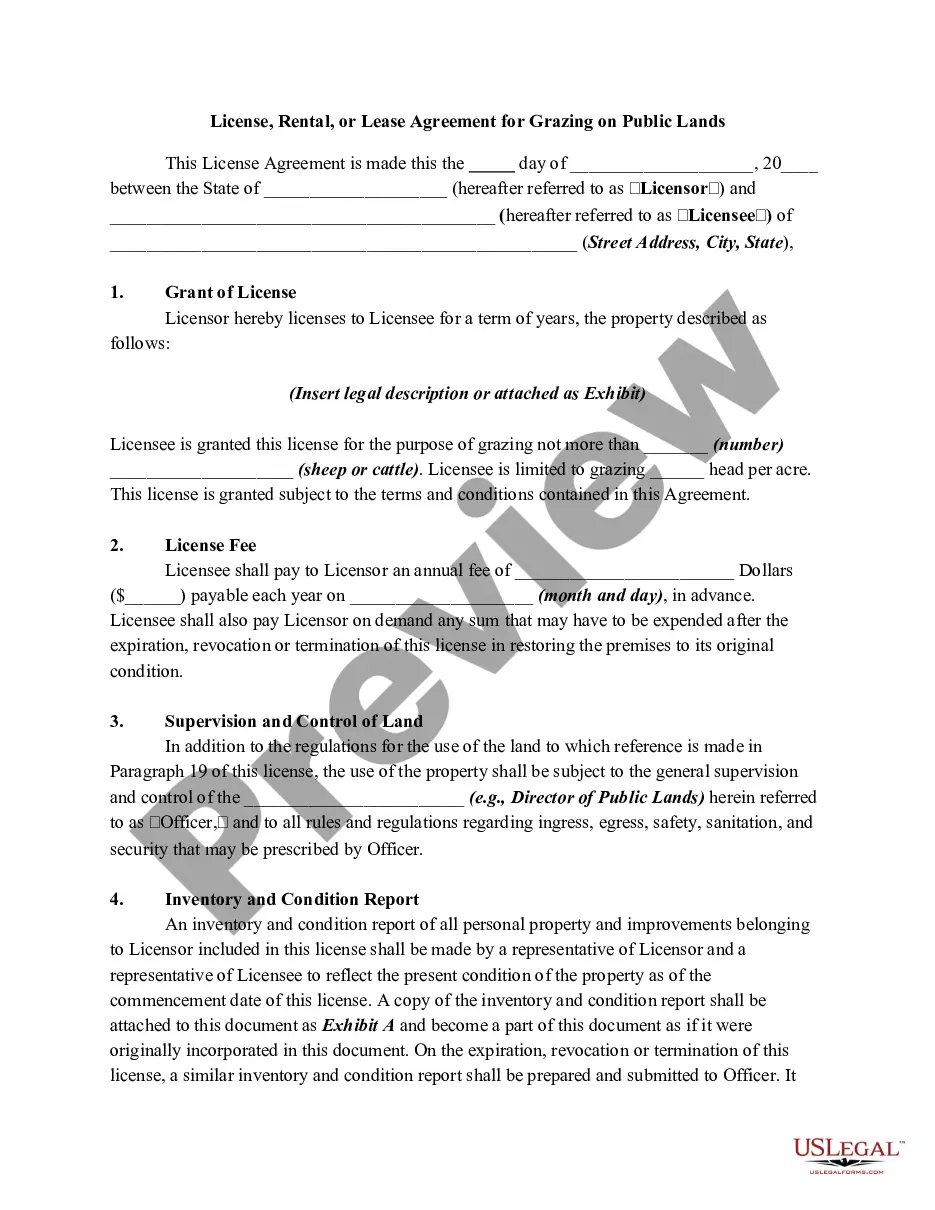
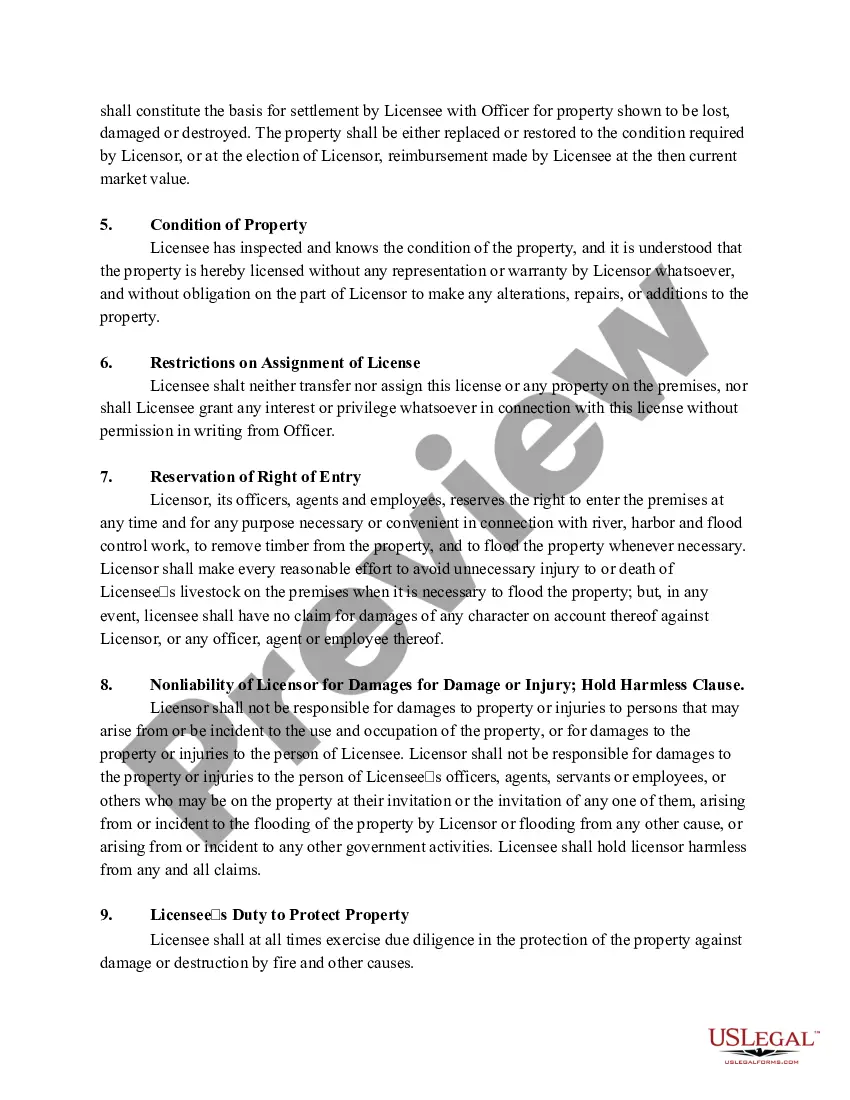
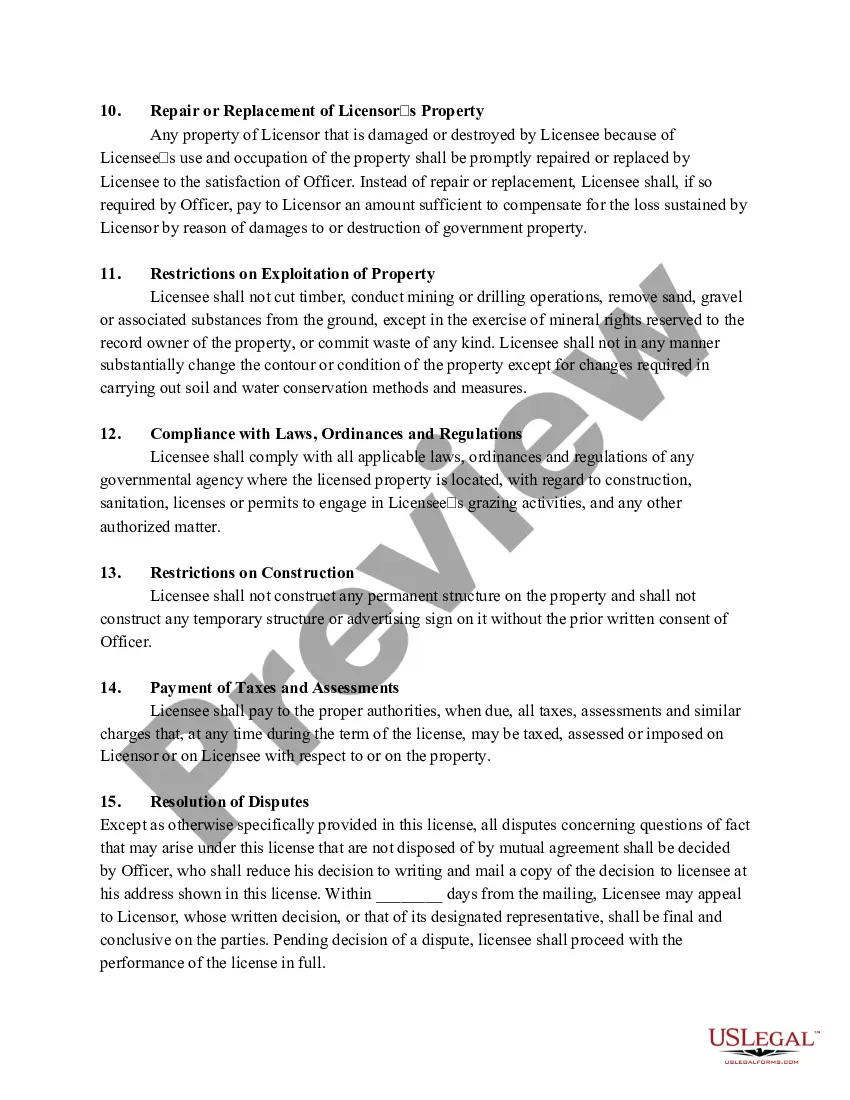
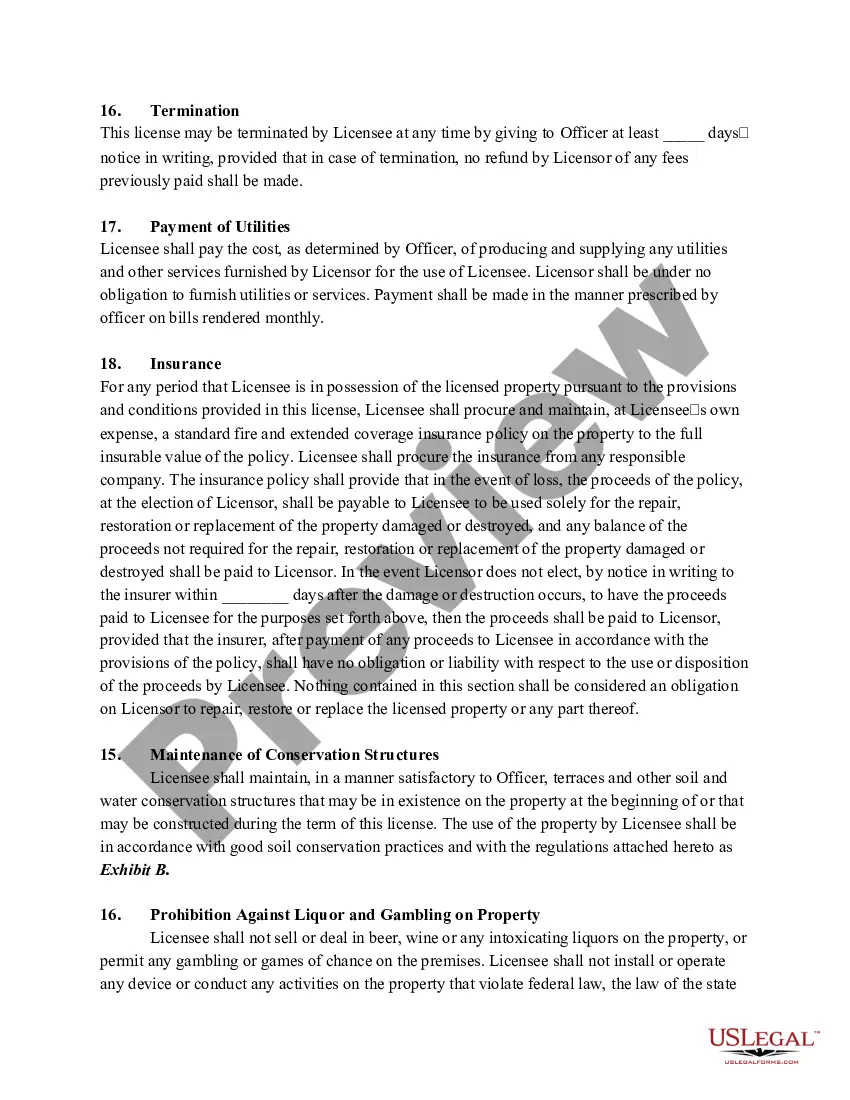
Description
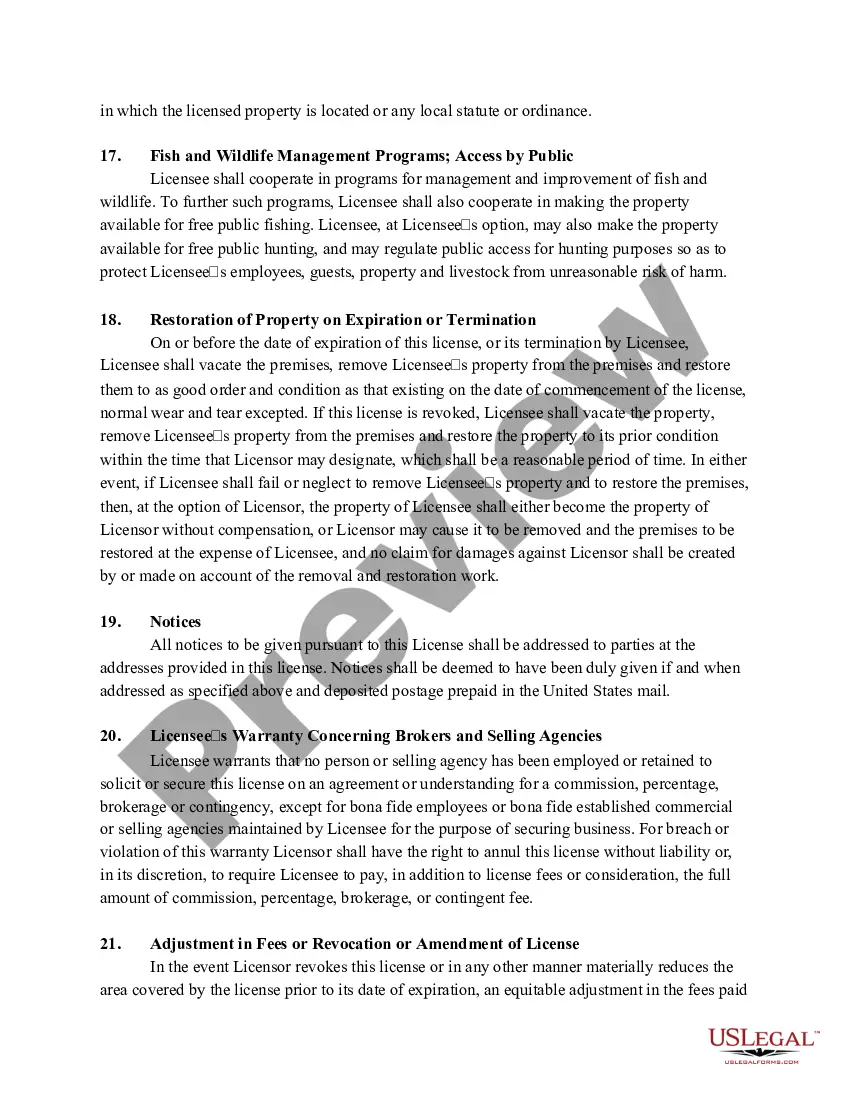
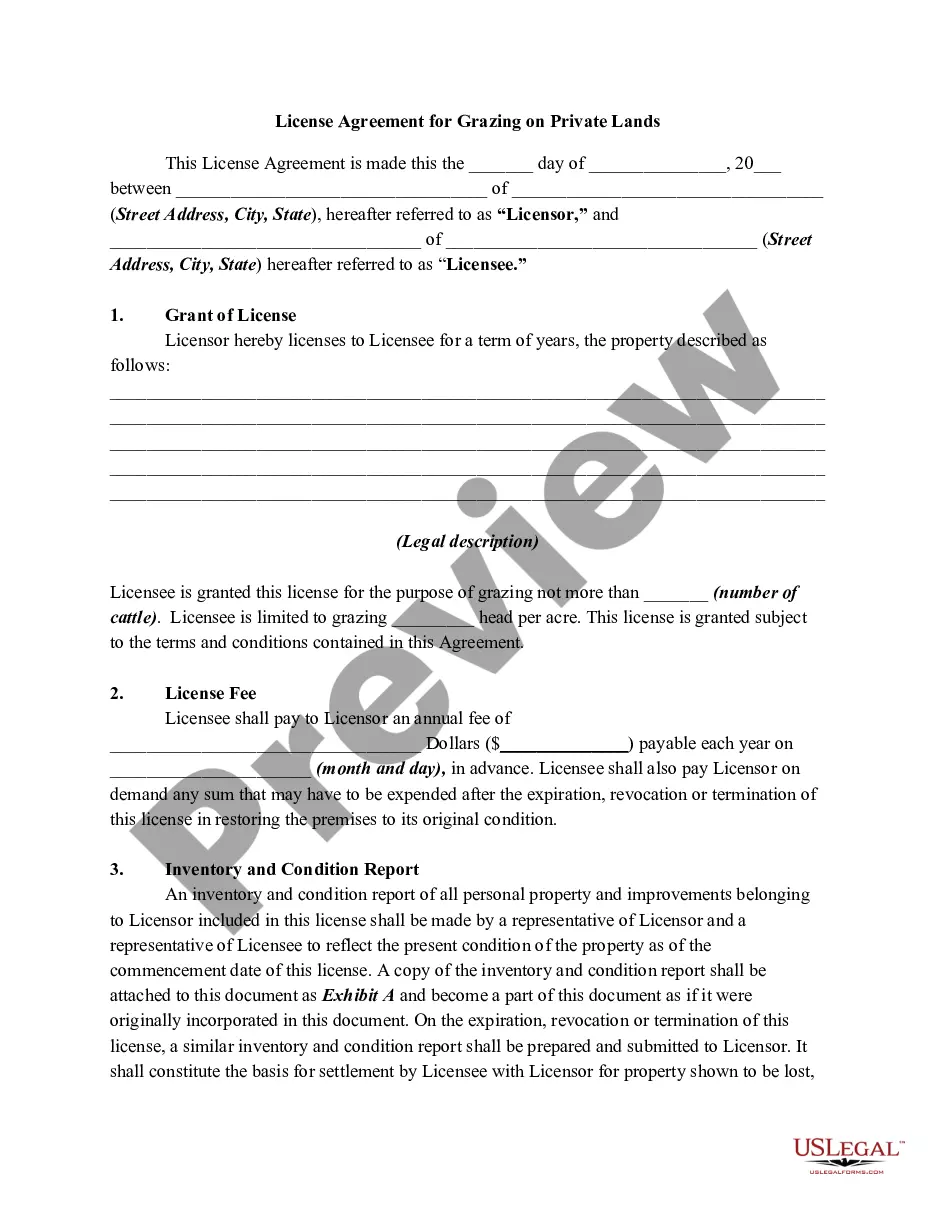
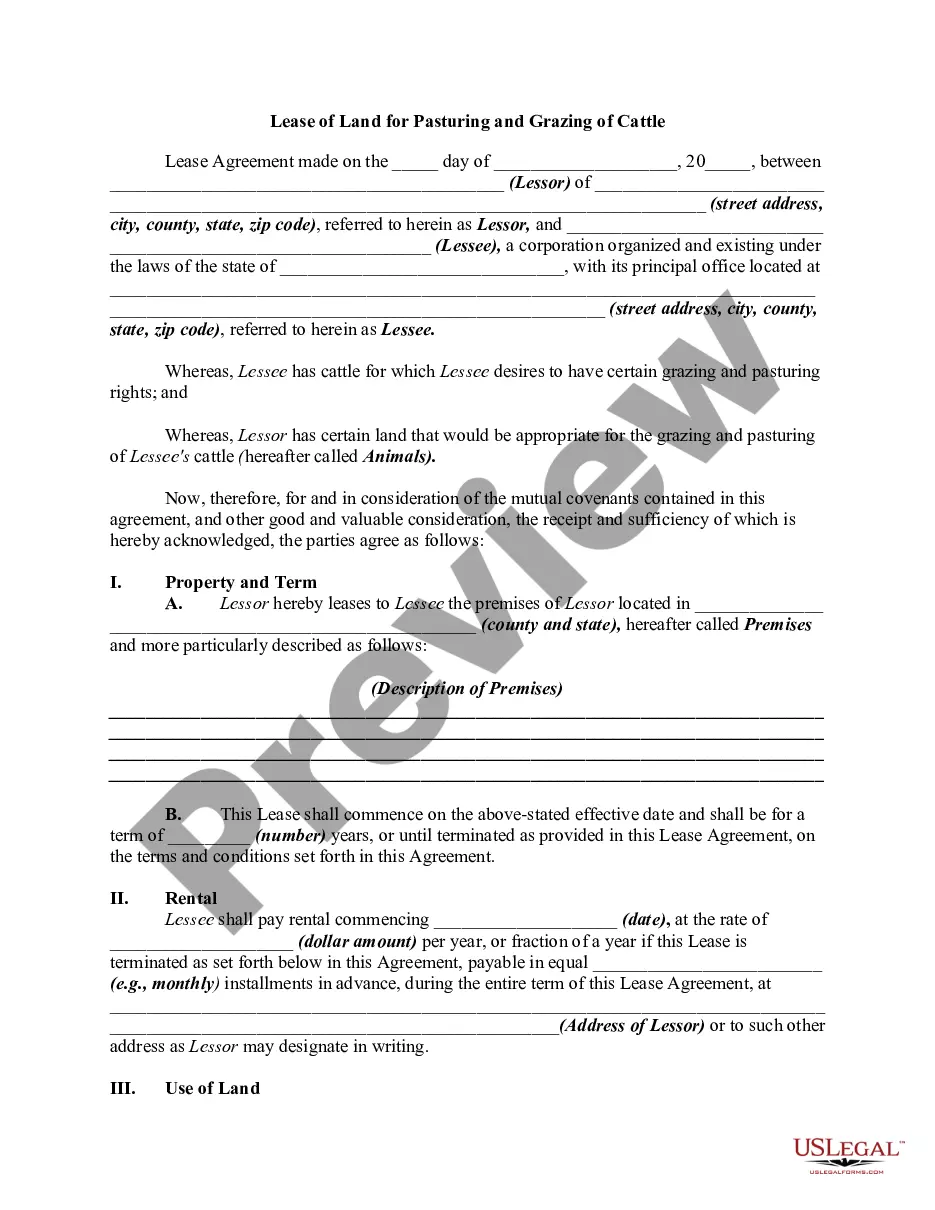
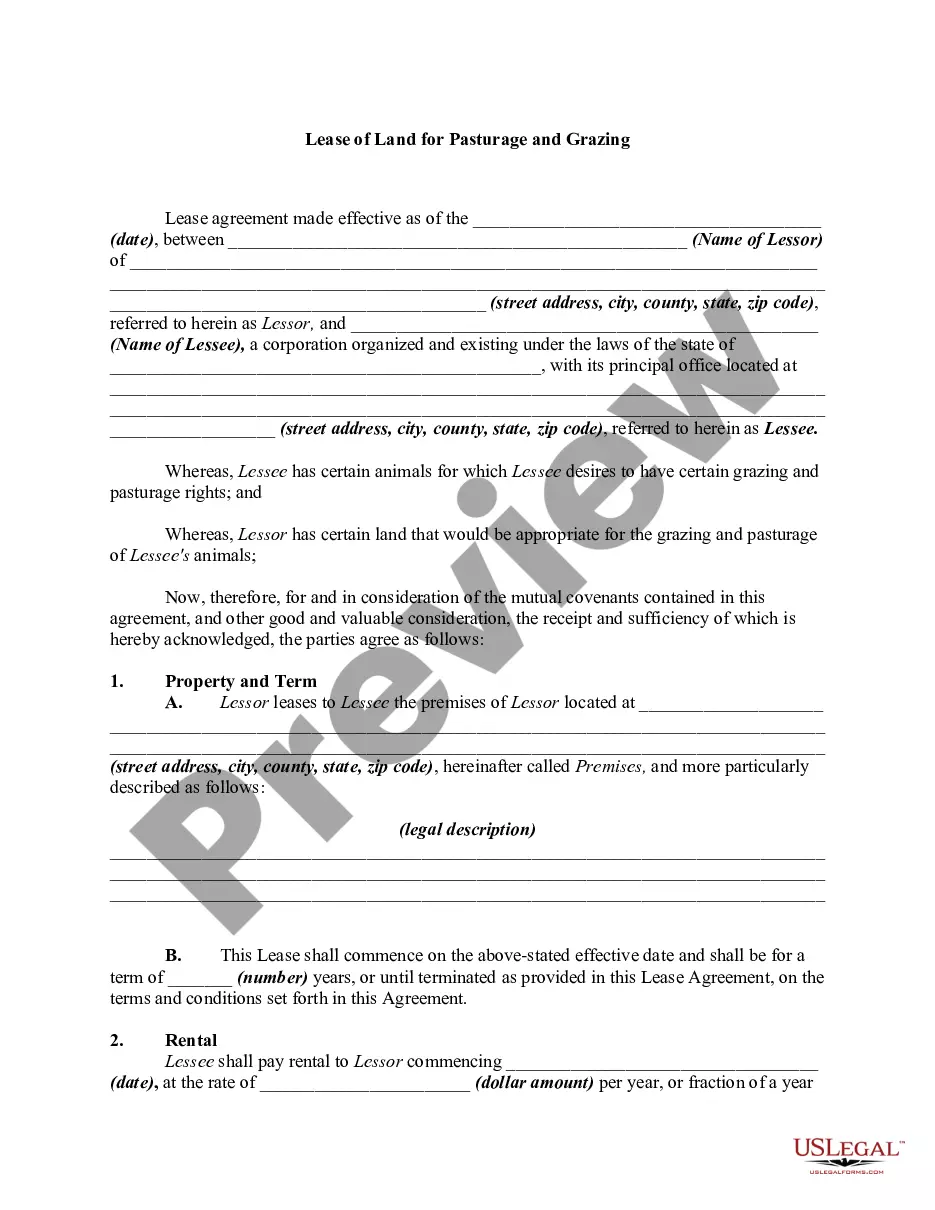
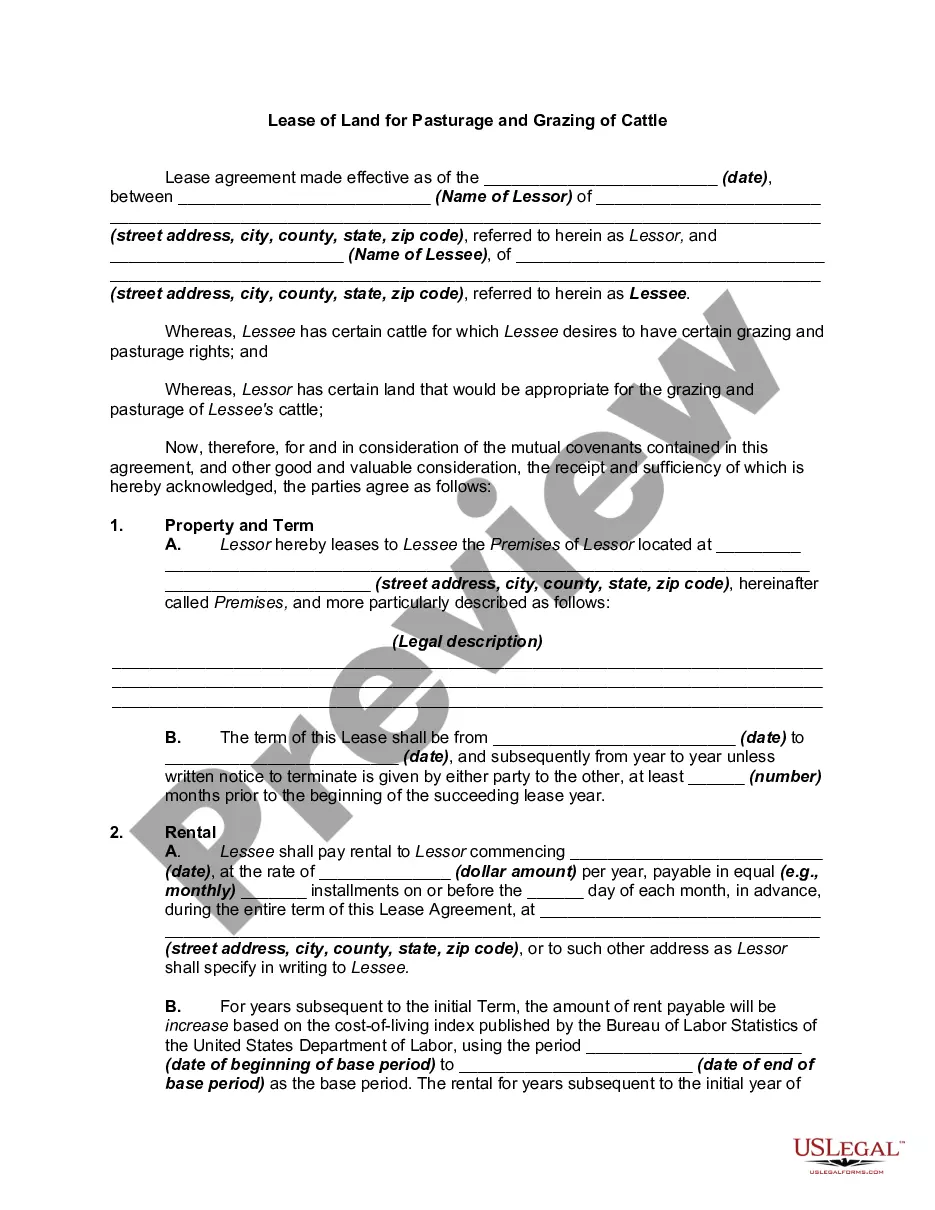
Get your form ready online
Our built-in tools help you complete, sign, share, and store your documents in one place.
Make edits, fill in missing information, and update formatting in US Legal Forms—just like you would in MS Word.
Download a copy, print it, send it by email, or mail it via USPS—whatever works best for your next step.
Sign and collect signatures with our SignNow integration. Send to multiple recipients, set reminders, and more. Go Premium to unlock E-Sign.
If this form requires notarization, complete it online through a secure video call—no need to meet a notary in person or wait for an appointment.
We protect your documents and personal data by following strict security and privacy standards.

Make edits, fill in missing information, and update formatting in US Legal Forms—just like you would in MS Word.

Download a copy, print it, send it by email, or mail it via USPS—whatever works best for your next step.

Sign and collect signatures with our SignNow integration. Send to multiple recipients, set reminders, and more. Go Premium to unlock E-Sign.

If this form requires notarization, complete it online through a secure video call—no need to meet a notary in person or wait for an appointment.

We protect your documents and personal data by following strict security and privacy standards.
Looking for another form?









Form popularity
FAQ
Some specific examples of landlord harassment in Ohio may include: Entering the rental property without permission or notice. Threatening or using physical force against a tenant. Intimidating or retaliating against a tenant for complaining about the condition of the property or asserting their legal rights.
Download the Landlord's Guide to Eviction Laws Whitepaper. Eviction Reasons. Failure to comply with rent deadlines. Violation of the lease/rental agreement. Conducting illegal activity. Material health or safety violation. Non-renewal of the lease after the rental period ends. Filing a Complaint.
Make the house or apartment comply with all building, housing, and health codes which significantly affect health and safety. If you have a lease, your landlord cannot raise your rent during the lease, unless the lease specifically allows that.
A lease agreement is a legally binding contract outlining the terms under which one party agrees to rent property, whether real or personal, from another party. This agreement includes important details such as the rent amount, duration, responsibilities of both parties, and conditions for terminating the agreement.
Except in an emergency, or if it is impractical to do so, your landlord must give you reasonable notice before entering, and enter only at reasonable times.
A landlord cannot terminate utilities or services, exclude tenants from the premises, or threaten any unlawful act to try to recover possession of the premises (except as noted in Chapters 1923, 5303, and 5321 of the Ohio Revised Code).
The parties should record the lease or record a short form of the lease. Ohio law requires that the lease be recorded in the office of the county recorder where the land exists or it will not be valid against a purchaser of the land who lacks knowledge of the lease.
Under Ohio law all leases that have a term of three (3) years or longer must be signed and notarized to be considered valid and in effect. Failure to have a lease with a term of three (3) or more years notarized can potentially invalidate that lease.
Document your reason: If you're breaking the lease for a legally accepted reason, such as active military duty, unsafe living conditions, or domestic violence, gather all necessary documentation. Provide notice: Ohio law typically requires tenants to provide written notice to their landlord before terminating a lease.
The landlord tenant laws that allow you to break a lease are different from state to state. In many places, you can get out of your lease without penalty for a number of reasons, such as domestic violence, an unsafe environment, or if you've been called up for military service.
