Lease License Agreement Registration In Middlesex
Description

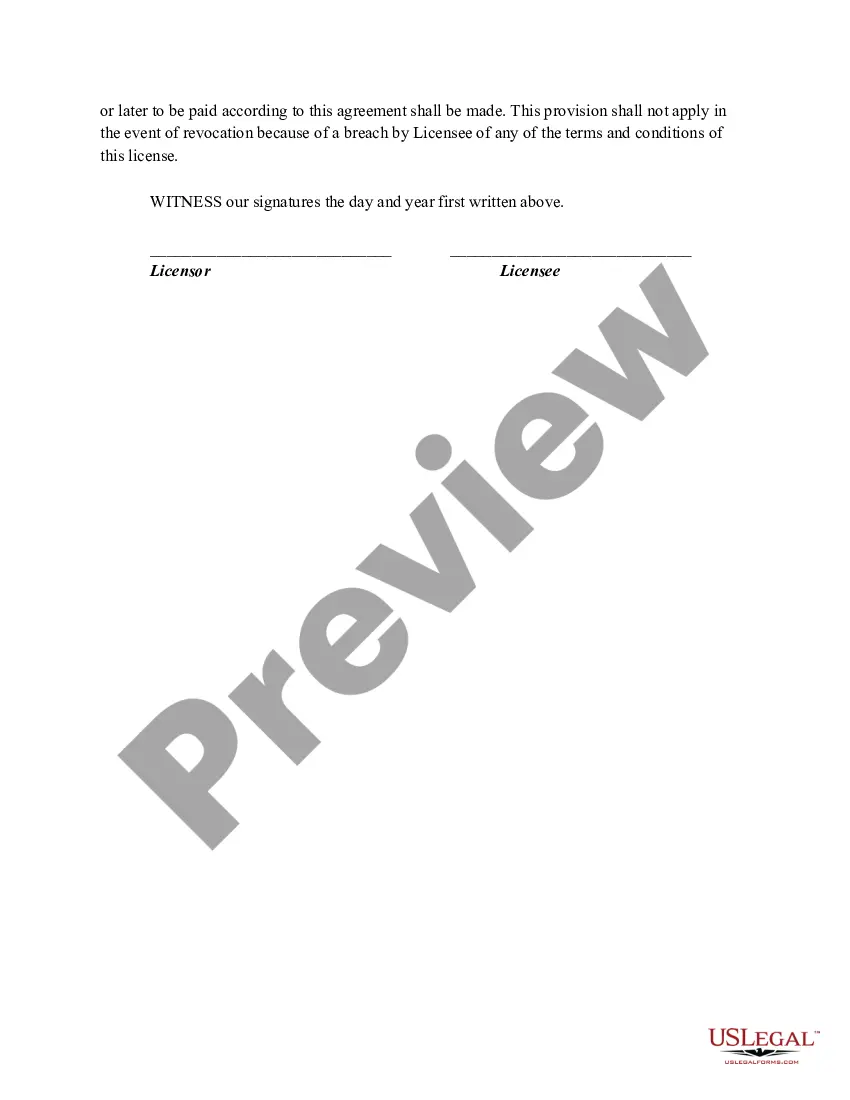
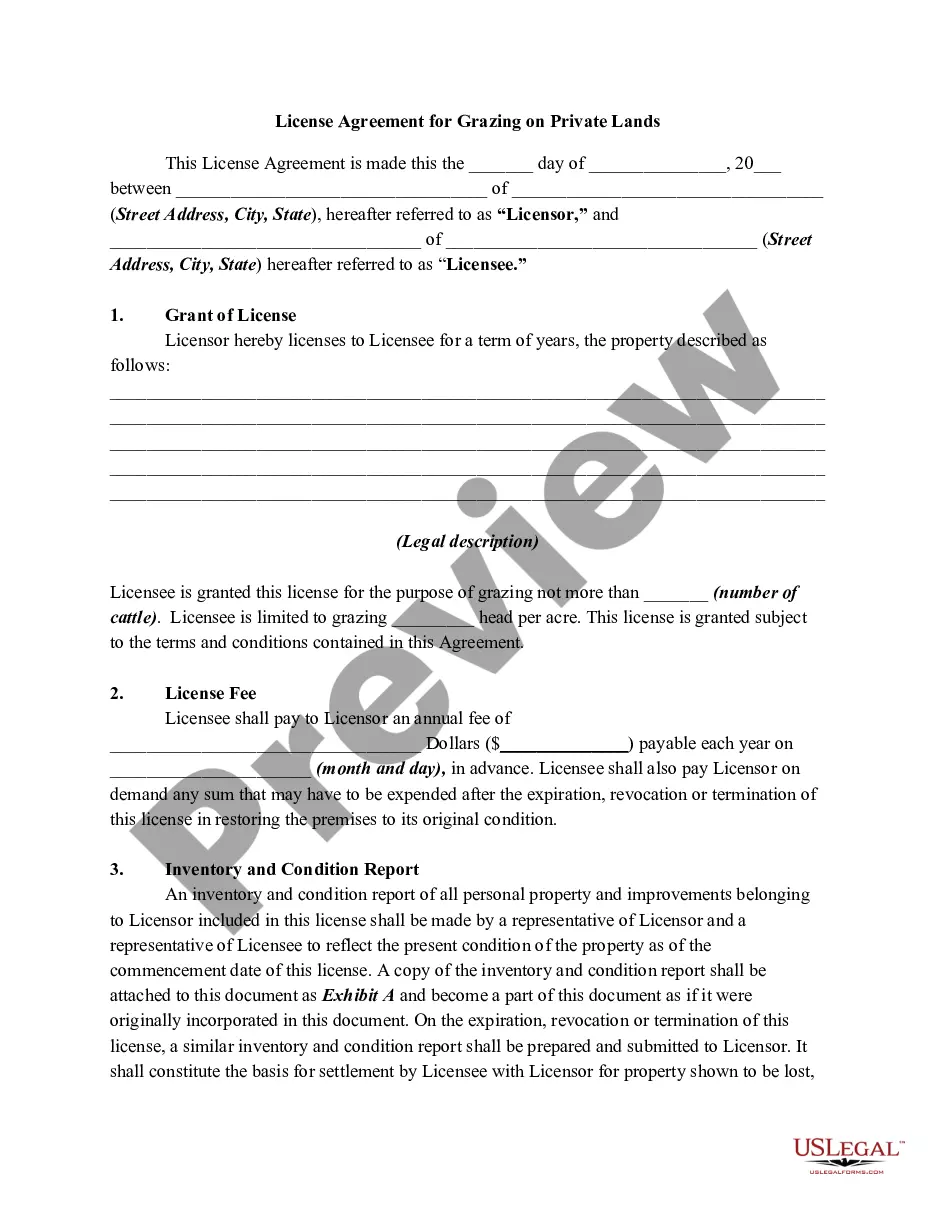
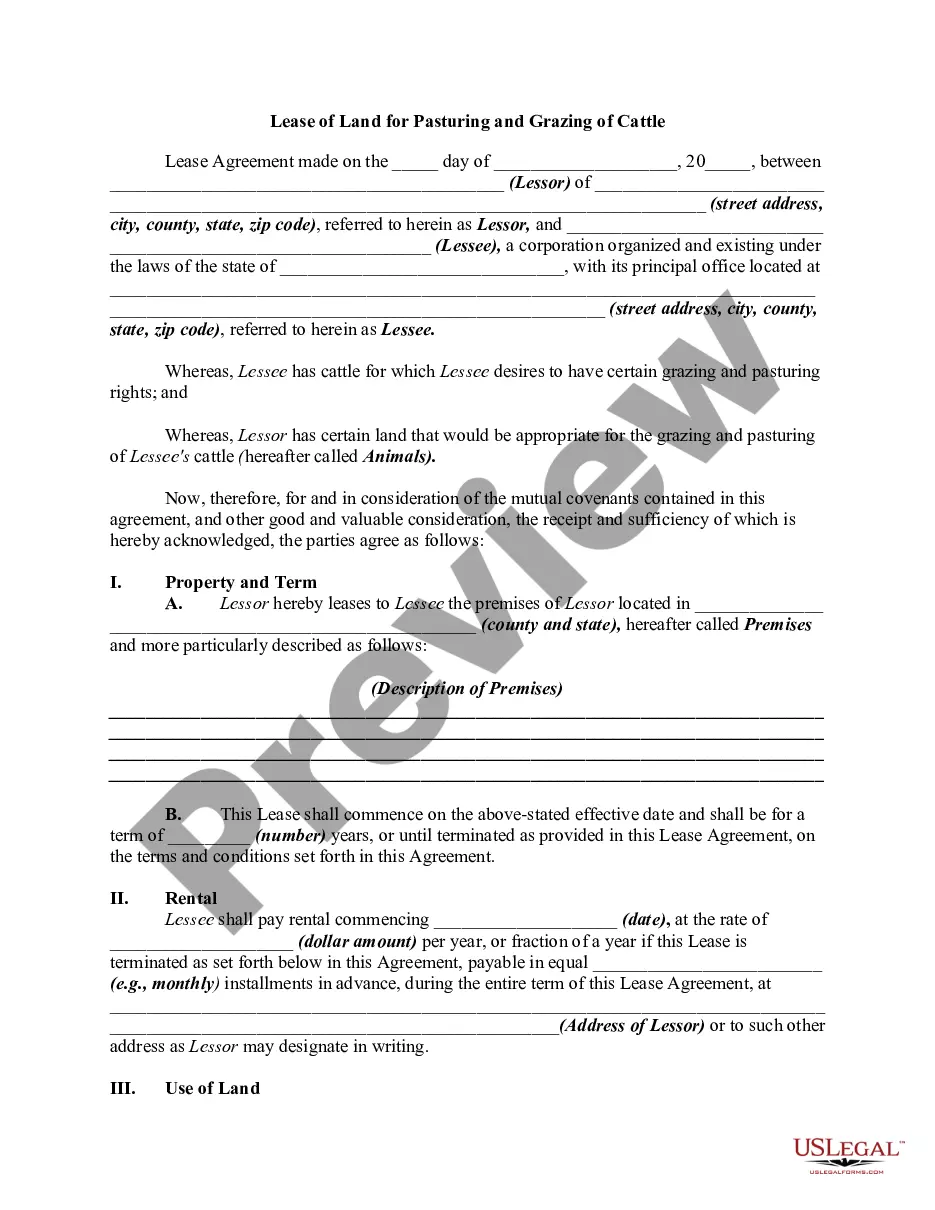
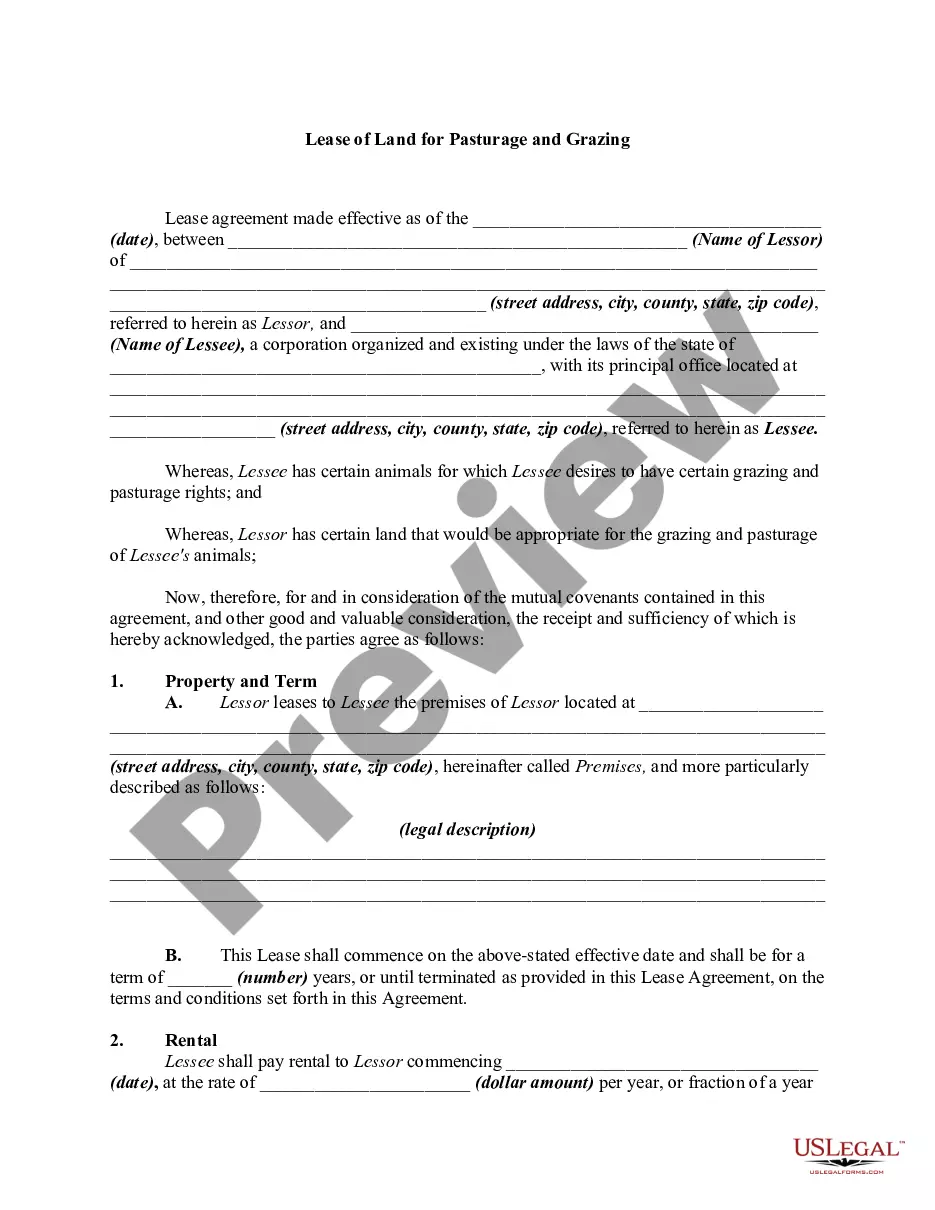
Get your form ready online
Our built-in tools help you complete, sign, share, and store your documents in one place.
Make edits, fill in missing information, and update formatting in US Legal Forms—just like you would in MS Word.
Download a copy, print it, send it by email, or mail it via USPS—whatever works best for your next step.
Sign and collect signatures with our SignNow integration. Send to multiple recipients, set reminders, and more. Go Premium to unlock E-Sign.
If this form requires notarization, complete it online through a secure video call—no need to meet a notary in person or wait for an appointment.
We protect your documents and personal data by following strict security and privacy standards.

Make edits, fill in missing information, and update formatting in US Legal Forms—just like you would in MS Word.

Download a copy, print it, send it by email, or mail it via USPS—whatever works best for your next step.

Sign and collect signatures with our SignNow integration. Send to multiple recipients, set reminders, and more. Go Premium to unlock E-Sign.

If this form requires notarization, complete it online through a secure video call—no need to meet a notary in person or wait for an appointment.

We protect your documents and personal data by following strict security and privacy standards.
Looking for another form?










Form popularity
FAQ
A lease creates a property right in land, capable of being registered at HM Land Registry which can be sold, assigned, or inherited, while a licence is a personal right which cannot be transferred.
With commercial property leases, the vast majority do contain a restriction on assignment. This is generally on the basis that assignment is only permitted with the Landlord's consent given formally, with such consent not to be unreasonably withheld. If the Landlord agrees, a Licence to Assign is drafted by lawyers.
“Assignment" means that another person takes over your lease obligation and your relationship with your landlord. If you are able to “assign” your tenancy, your relationship with the landlord will be legally finished and you will not be responsible for any future payments to your landlord.
Review the Lease Agreement. The assignor (current tenant) should review the existing lease agreement to understand the terms and conditions associated with the lease assignment. Obtain Landlord's Consent. Negotiate Terms. Deed of Assignment. Land Registry Notification. Completion and Handover.
Most leases require the landlord's formal approval for any assignment to occur. This document is the landlord's written agreement, permitting the transfer from the current tenant to the new one. It may come with conditions the assignee must satisfy, which should be clearly outlined in the consent form.
The 8 Key Steps Negotiation & agreement on Heads of Terms. Solicitors instructed. AML and client care details. Tenant solicitor confirms instruction and requests draft papers. Due diligence and lease negotiations. Report on lease. Completion. Post completion formalities.
The provisions came into force in April 2006 and apply in England and Wales. In a Selective Licensing area, all private landlords must obtain a licence; the authority can take enforcement action if they fail to do so or don't achieve acceptable management standards.
Non-resident landlords can apply to HMRC for approval to receive rental income with no tax deducted. HMRC will give approval and register the landlord for self-assessment if their UK tax affairs are up to date or either: they have never had any UK tax obligations.
The key certificates you need are: Electrical Installation Condition Report (EICR) Gas Safety Record (GSR) Energy Performance Certificate (EPC) with a rating of E or above. HETAS Certificate, if the property has a wood-burning stove or working fireplace that will be in use during the tenancy.
