Liquor License For Lease In Michigan
Description
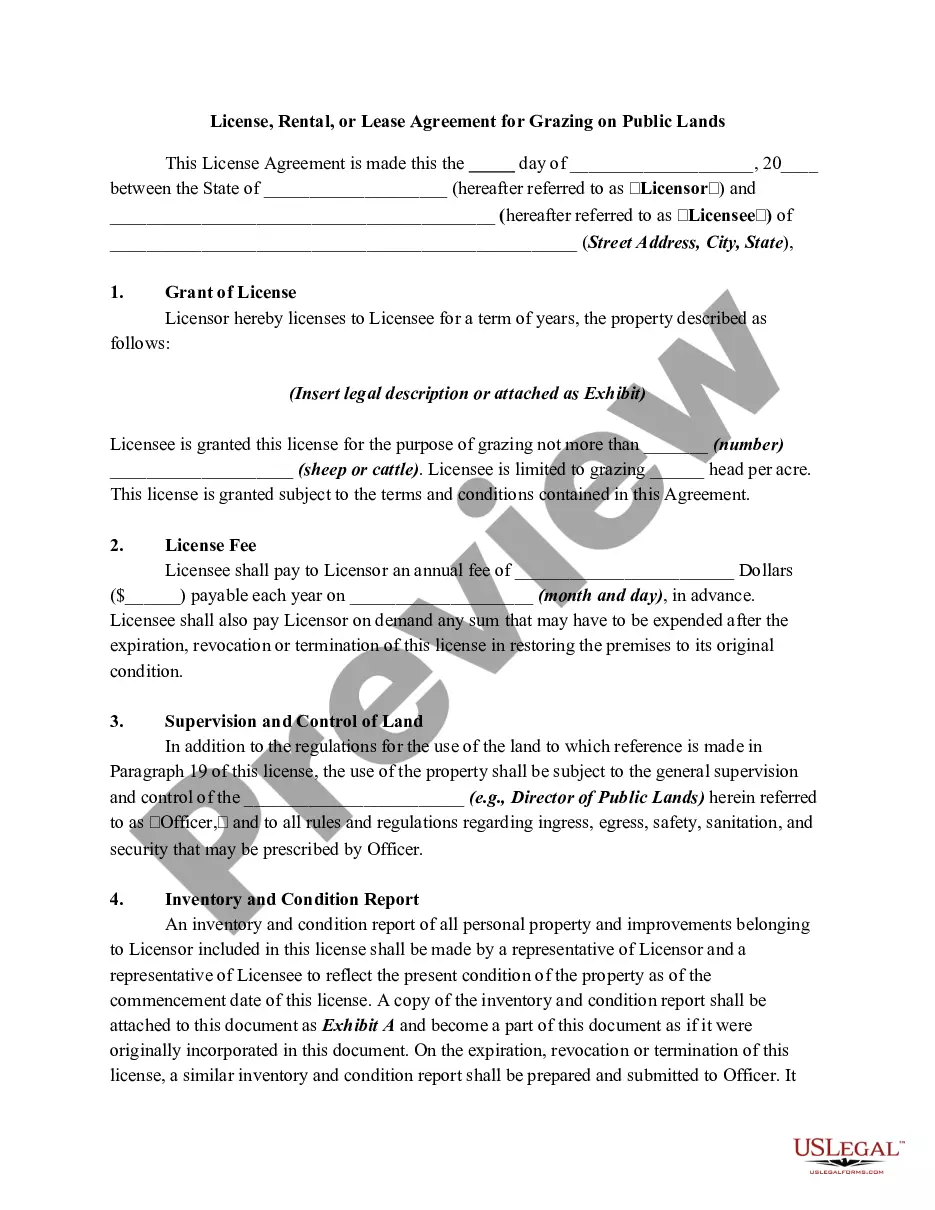
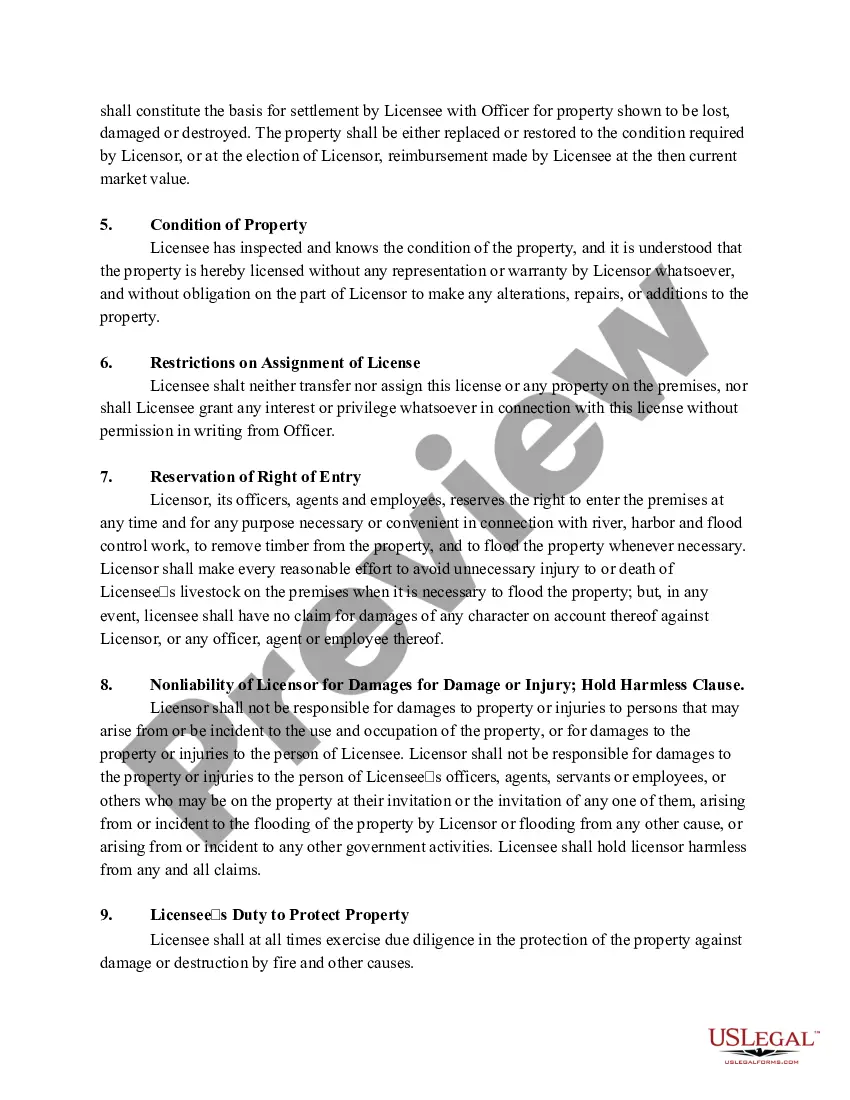
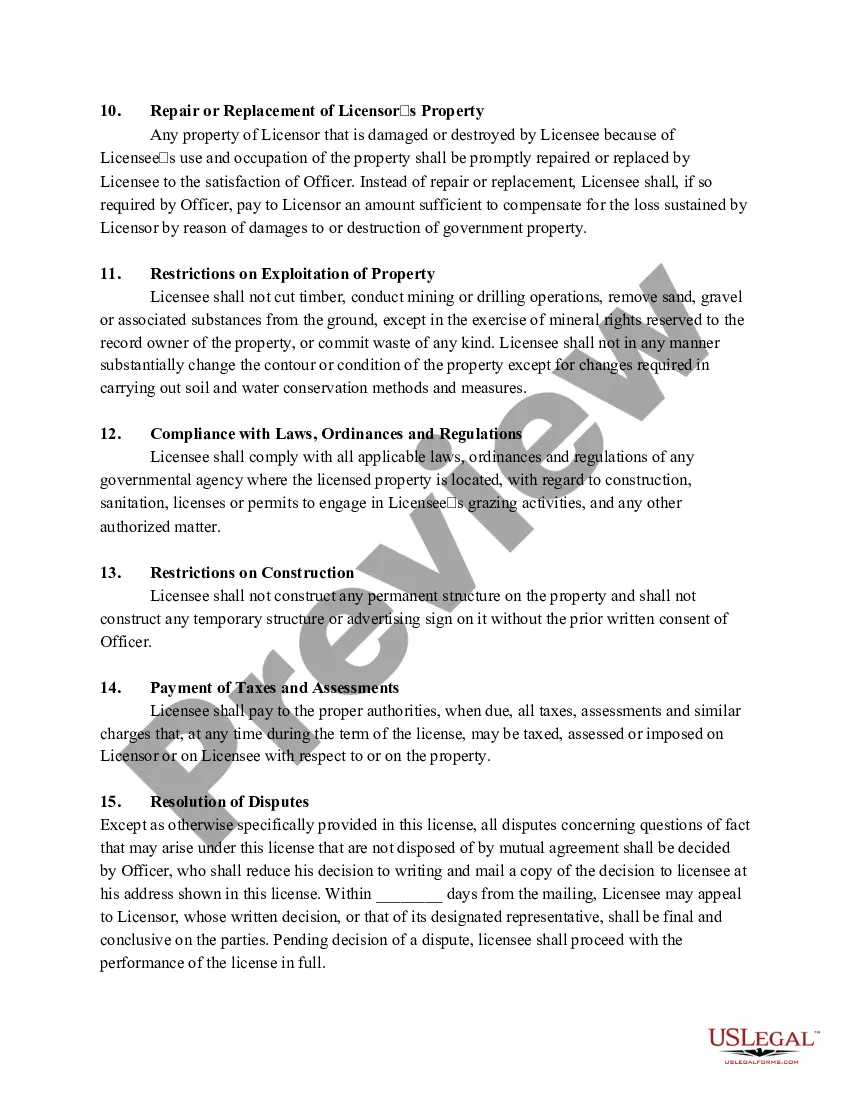
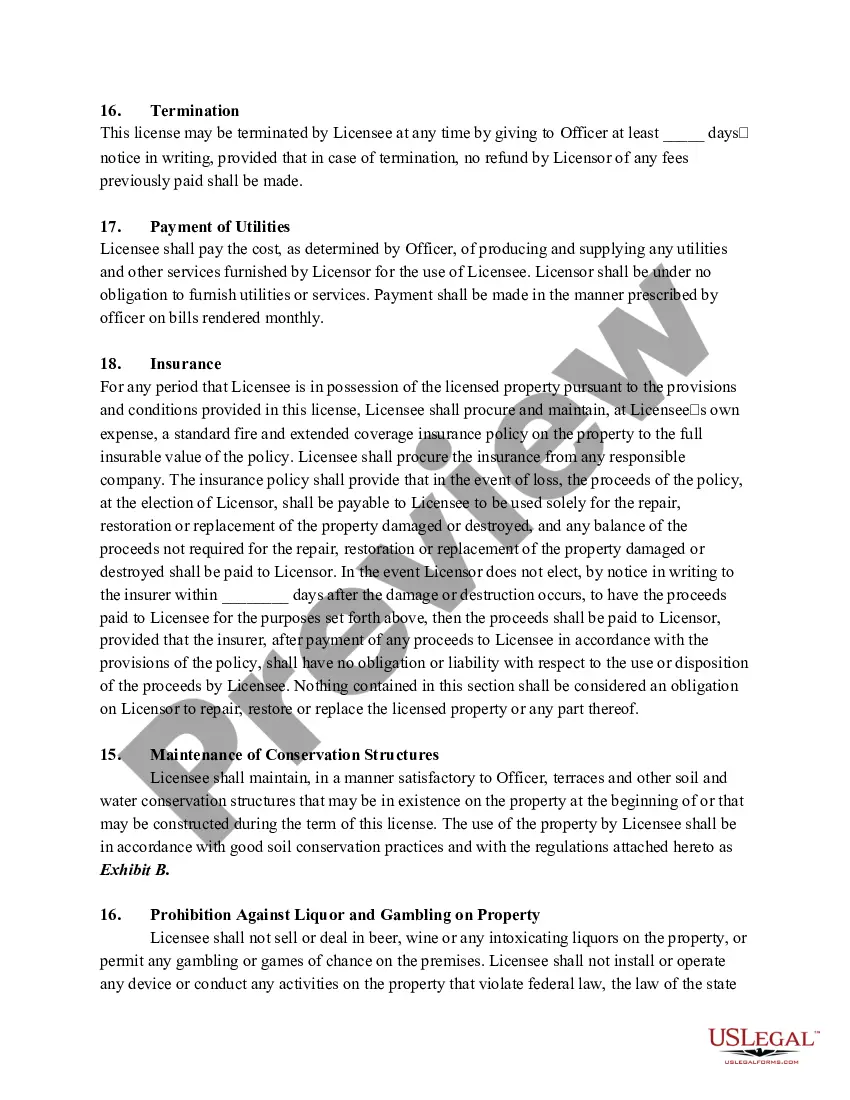
Get your form ready online
Our built-in tools help you complete, sign, share, and store your documents in one place.
Make edits, fill in missing information, and update formatting in US Legal Forms—just like you would in MS Word.
Download a copy, print it, send it by email, or mail it via USPS—whatever works best for your next step.
Sign and collect signatures with our SignNow integration. Send to multiple recipients, set reminders, and more. Go Premium to unlock E-Sign.
If this form requires notarization, complete it online through a secure video call—no need to meet a notary in person or wait for an appointment.
We protect your documents and personal data by following strict security and privacy standards.

Make edits, fill in missing information, and update formatting in US Legal Forms—just like you would in MS Word.

Download a copy, print it, send it by email, or mail it via USPS—whatever works best for your next step.

Sign and collect signatures with our SignNow integration. Send to multiple recipients, set reminders, and more. Go Premium to unlock E-Sign.

If this form requires notarization, complete it online through a secure video call—no need to meet a notary in person or wait for an appointment.

We protect your documents and personal data by following strict security and privacy standards.
Looking for another form?
Form popularity
FAQ
Yes, you can get a one-day liquor license in Michigan. This can come in handy for special catering events and other occasions where you will want to serve alcohol for a limited time. You will need to submit your application to the Michigan Liquor Control Commission at least 10 days before the event.
This is untrue. You do not need a certification to serve alcohol in Michigan.
Vehicles requiring a Class C CDL include small HAZMAT vehicles, passenger vans, and small trucks towing a trailer. There are endorsements for those as well. T - Double or Triple Trailers: (Triple trailer combinations are not permitted in Michigan.)
There are several different types of licenses, each with specific legal boundaries: Beer and Wine License: Allows you to serve beer and wine but excludes spirits. Full Liquor License: Grants permission to sell beer, wine, and spirits. On-Sale License: For alcohol consumed on the premises.
This new law is commonly referred to as “Cocktails-to-Go”, and is summarized as follows: On premise licensees, such as bars, restaurants, and hotels, may sell alcoholic liquor from their licensed premises, which have been prepared in qualified containers, to be consumed by the customer off the licensed premises.
A conditional license allows an applicant for the transfer of ownership of a retailer license (Class C, Tavern, B-Hotel, A-Hotel, Specially Designated Distributor, or Specially Designated Merchant) to operate the business before final approval of the permanent license transfer.
Many quota states permit a lien to be placed on the liquor license, including Florida, Massachusetts, Michigan, Minnesota, Montana, New Mexico, Pennsylvania, South Dakota, and Washington. Notable exceptions that do not permit a lien include California, New Jersey and Ohio.
Leasing a liquor license is a suitable option for those taking over existing businesses or opening new businesses in an already licensed location. In most areas, liquor licenses are attached as much to a physical location as to an individual or business.
Specially Designated Distributor (SDD) – Allows a convenience store, grocery store, or gas station to sell spirits to consumers for consumption off the premises. An SDD license is almost always held in conjunction with an SDM license.