License To Lease In Maryland
Description

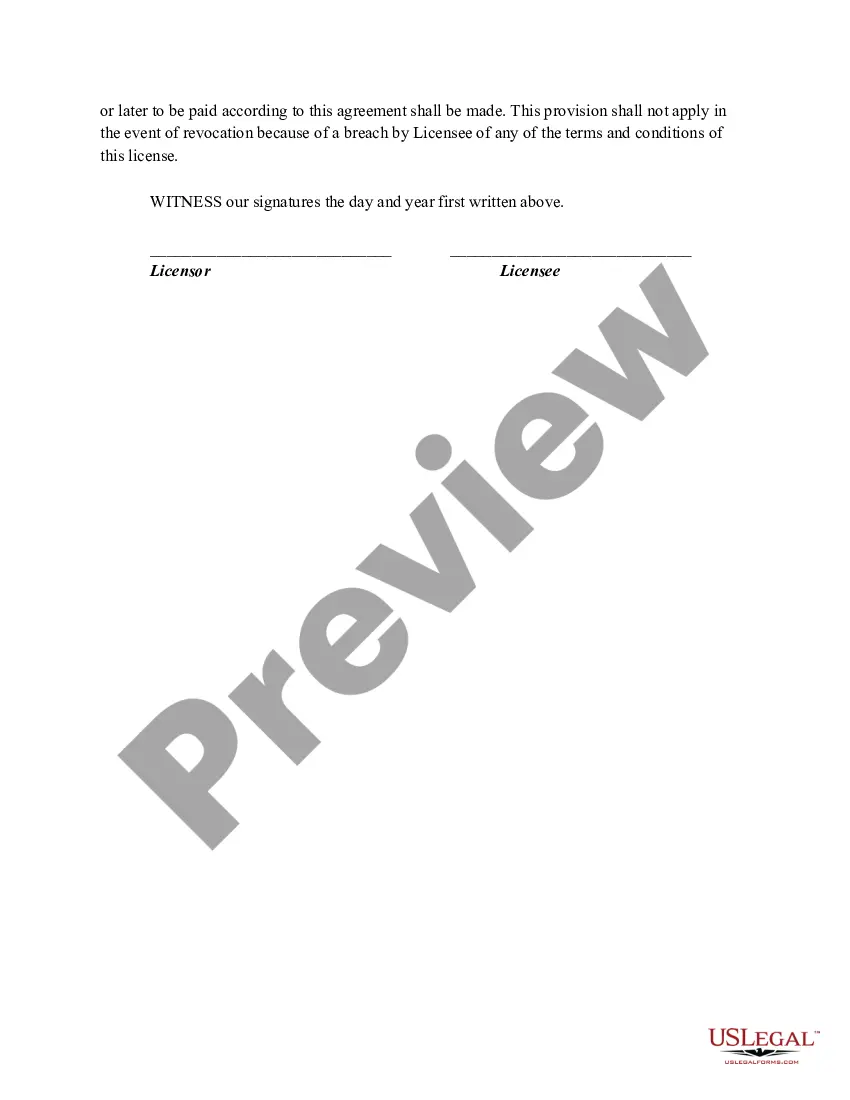
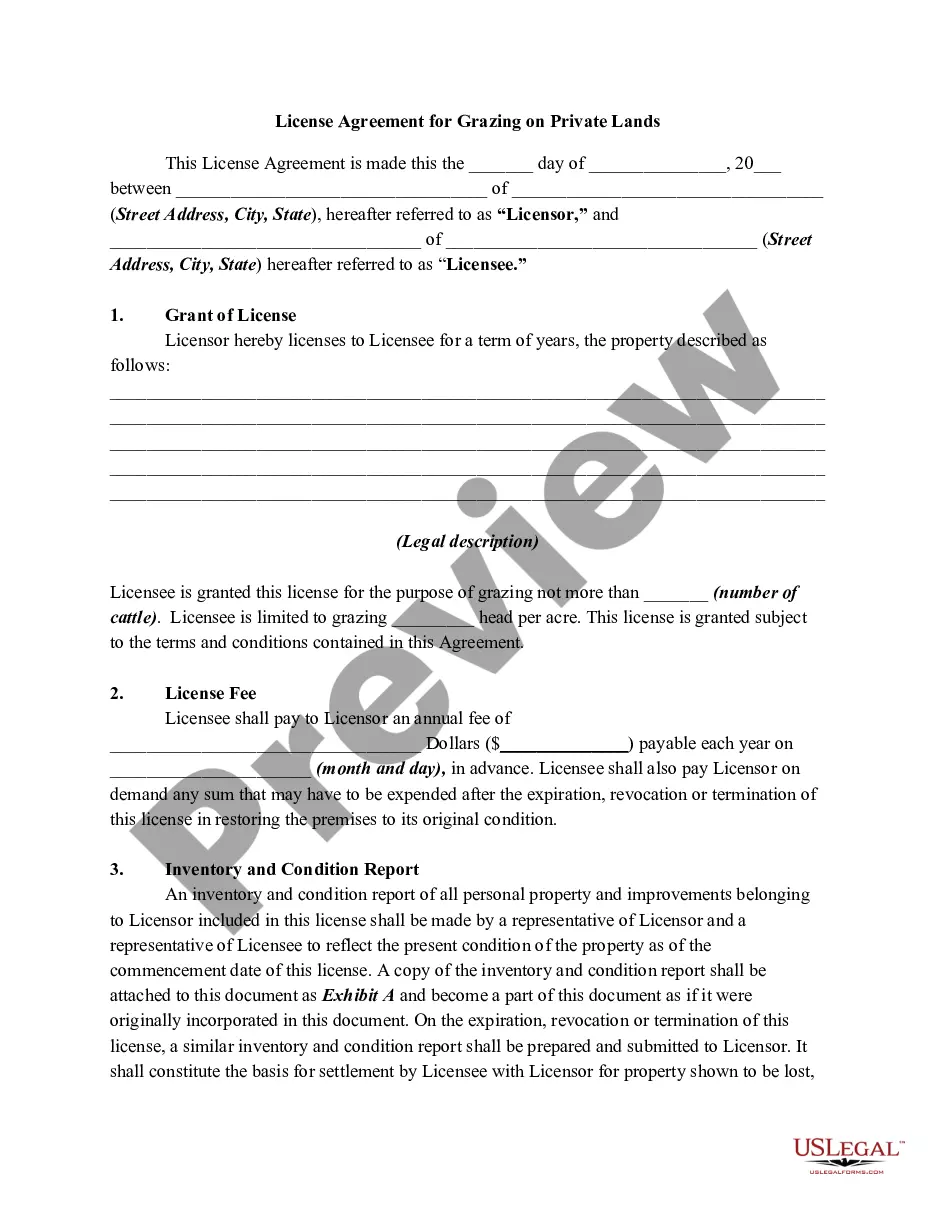
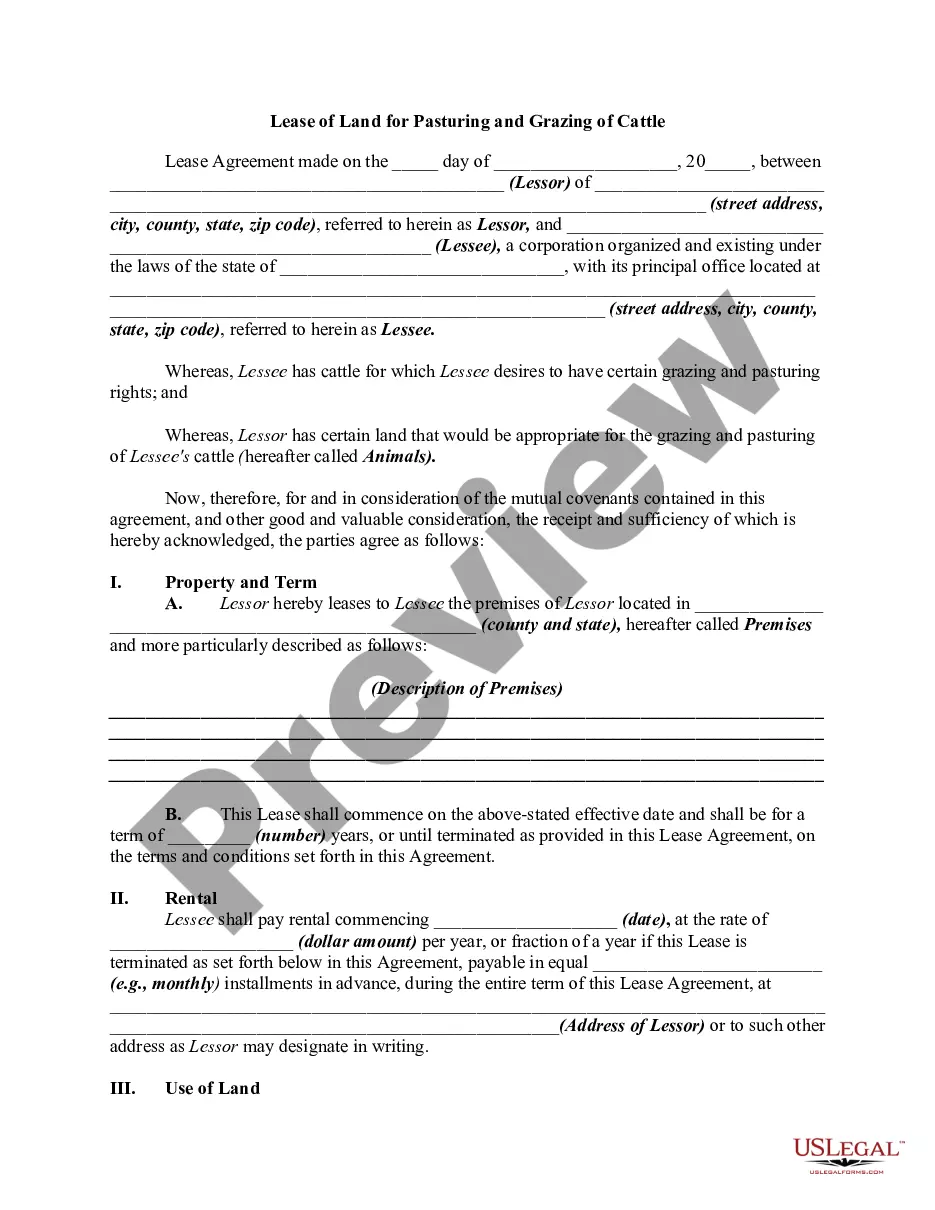
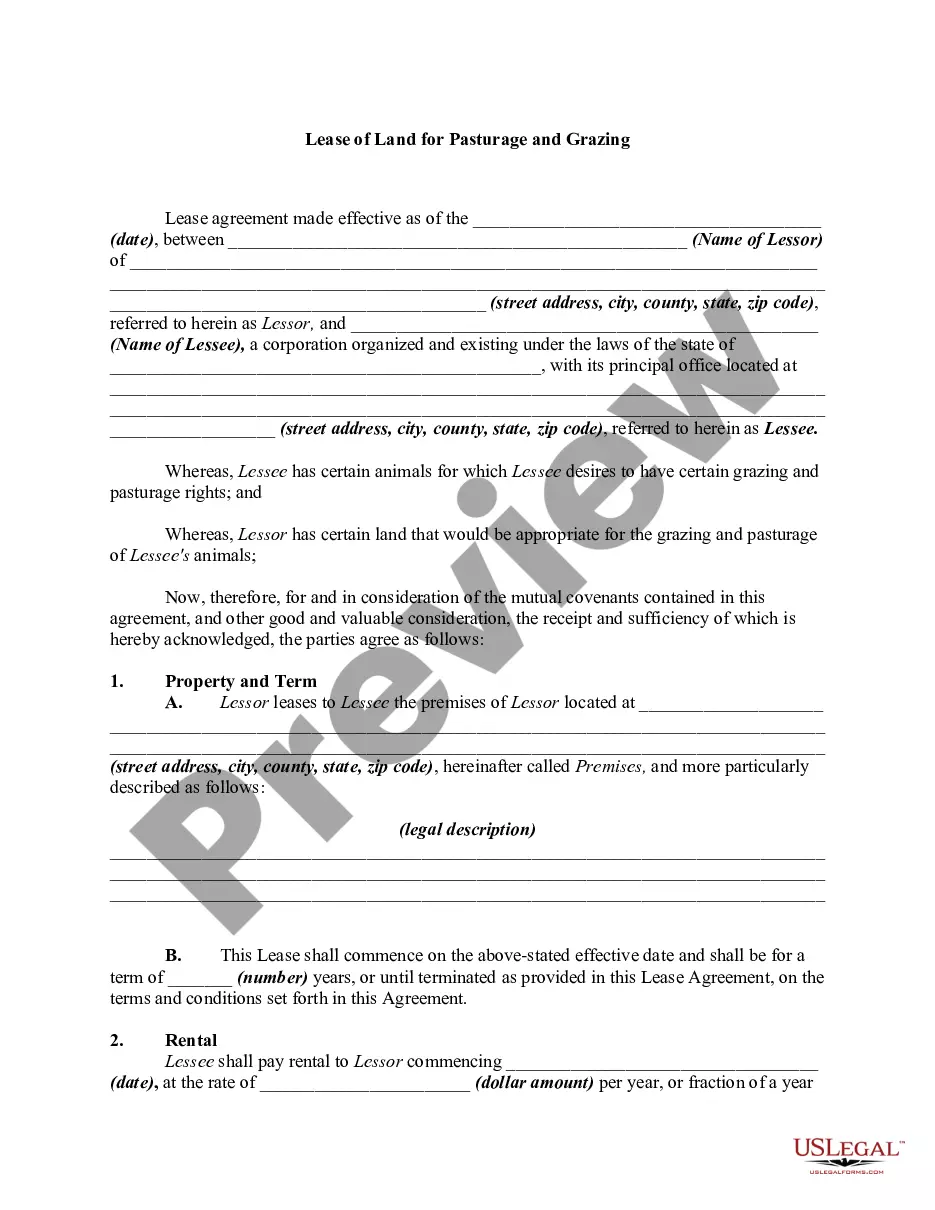
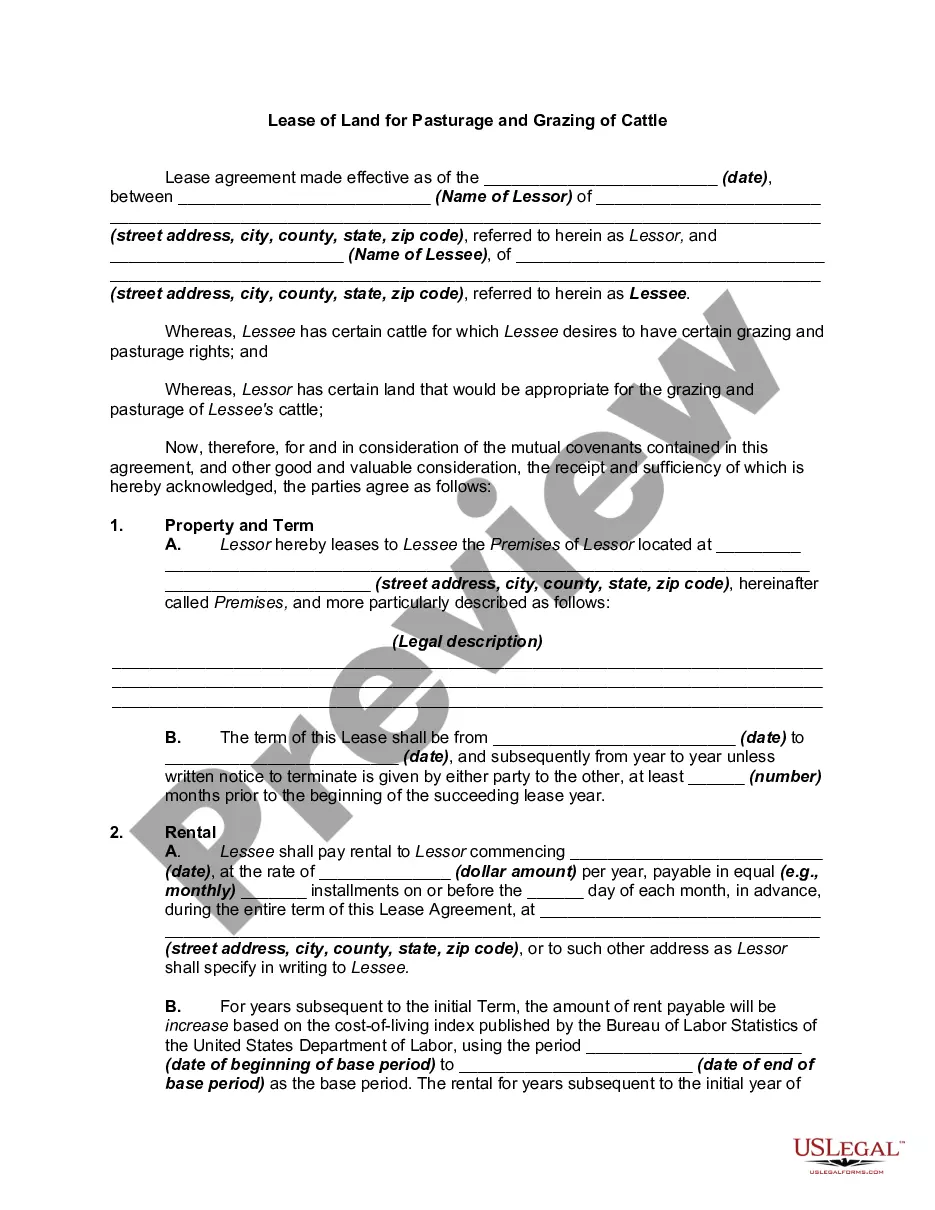
Get your form ready online
Our built-in tools help you complete, sign, share, and store your documents in one place.
Make edits, fill in missing information, and update formatting in US Legal Forms—just like you would in MS Word.
Download a copy, print it, send it by email, or mail it via USPS—whatever works best for your next step.
Sign and collect signatures with our SignNow integration. Send to multiple recipients, set reminders, and more. Go Premium to unlock E-Sign.
If this form requires notarization, complete it online through a secure video call—no need to meet a notary in person or wait for an appointment.
We protect your documents and personal data by following strict security and privacy standards.

Make edits, fill in missing information, and update formatting in US Legal Forms—just like you would in MS Word.

Download a copy, print it, send it by email, or mail it via USPS—whatever works best for your next step.

Sign and collect signatures with our SignNow integration. Send to multiple recipients, set reminders, and more. Go Premium to unlock E-Sign.

If this form requires notarization, complete it online through a secure video call—no need to meet a notary in person or wait for an appointment.

We protect your documents and personal data by following strict security and privacy standards.
Looking for another form?
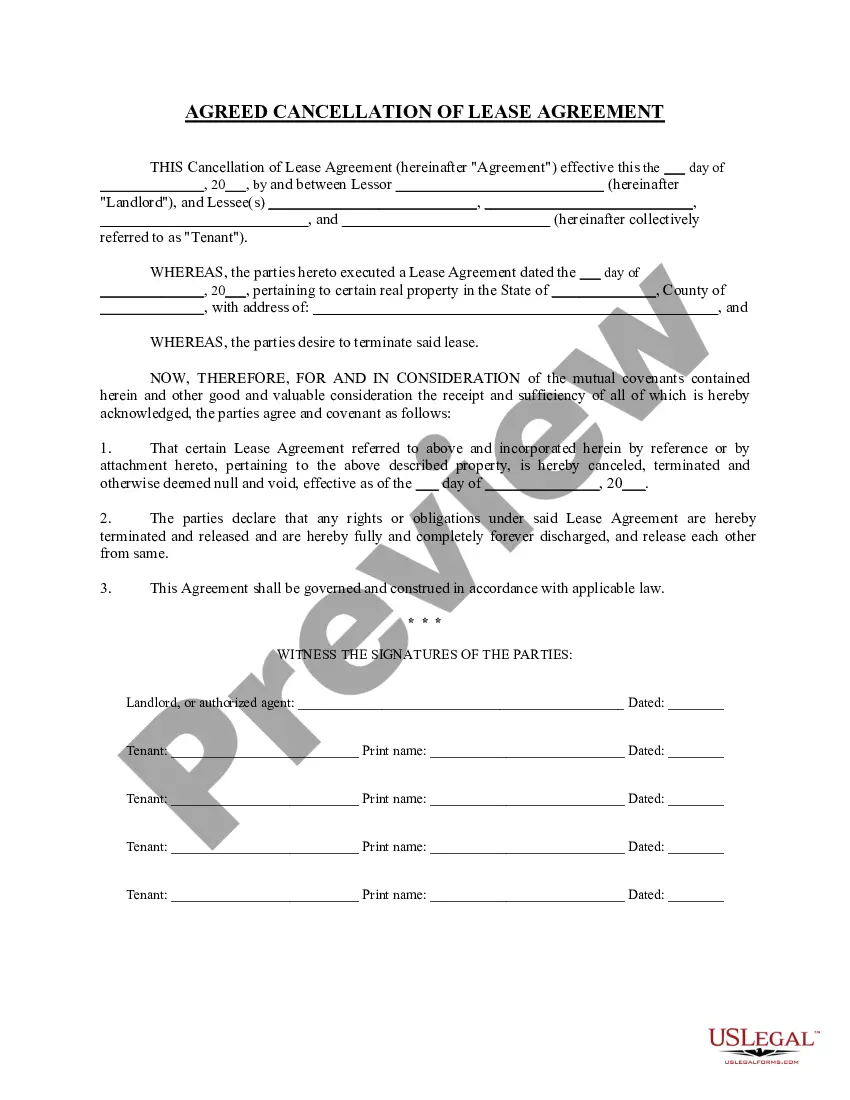


Form popularity
FAQ
Do I Have to Sign a Month-to-Month Lease? Every lease should be in writing and signed by both the landlord and tenant to make sure your rental lease is legally binding. However, if you have a lease with a Holding Over clause, then this would be one exception where you would not need to sign a new lease.
Month-to-Month Tenancy Landlords of multi-family properties are required to give month-to-month tenants sixty days written notice to vacate. Landlords of single-family rental properties are also required to give month-to-month tenants sixty days' notice to vacate.
Month-to-Month Tenancy Landlords of multi-family properties are required to give month-to-month tenants sixty days written notice to vacate. Landlords of single-family rental properties are also required to give month-to-month tenants sixty days' notice to vacate.
A rental license is required to rent a single-family dwelling. Visit DPIE's Code Enforcement page on rental licenses for more information or send an email to dpierentallicenses@co.pg.md for questions. Apply for a rental license on DPIE's Momentum online services.
Month-to-month leases continue automatically, but require a 30-day notice for any change. Understanding lease renewal procedures is key to maintaining tenancy without interruptions. Knowledge of rent control laws may also affect renewals. Detailed laws on this can be found under Maryland Rent Increase Laws.
It takes approximately 10 business days to process a rental license application once the completed application, payment and supporting documents are received. Once a property owner is licensed, the Department automatically generates a renewal notice each year.
Failure to obtain a license is a Class A Violation of the Montgomery County Code. Such violations are punishable by the issuance of civil citations carrying fines of $500 for the initial offense and $750 for repeat offenses. An individual citation can be issued for each day a rental property is not licensed.
To become a licensed landlord in Maryland, you must pass a real estate exam, complete pre-licensing education, obtain rental licenses, and, if applicable, a property manager license. Compliance with laws such as landlord-tenant law, fair housing, and lead-based paint regulations is also essential.
Some counties and cities in Maryland require landlords to have a current rental property license. Often the purpose of the licensing requirement is to make sure that rental properties meet building code requirements for habitability.
