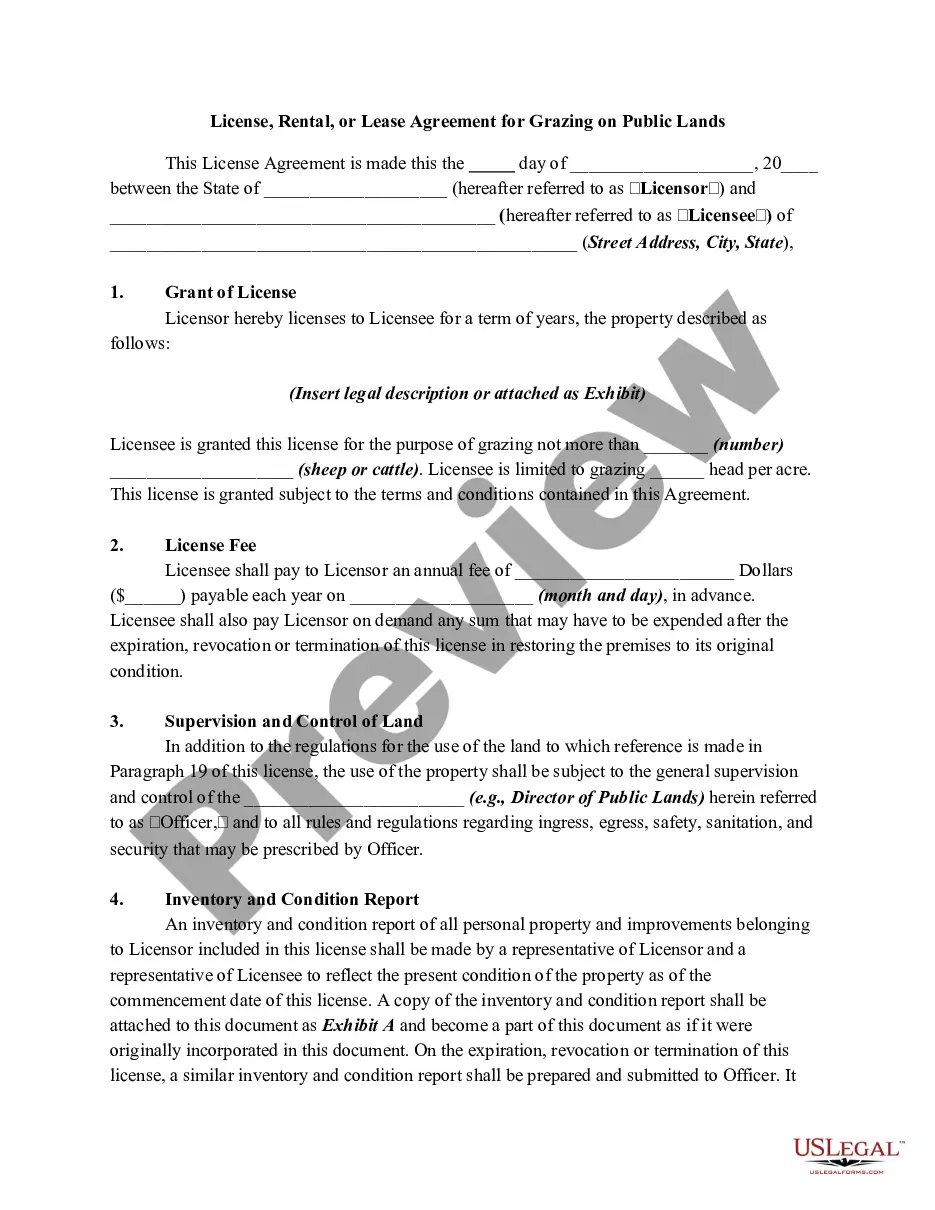
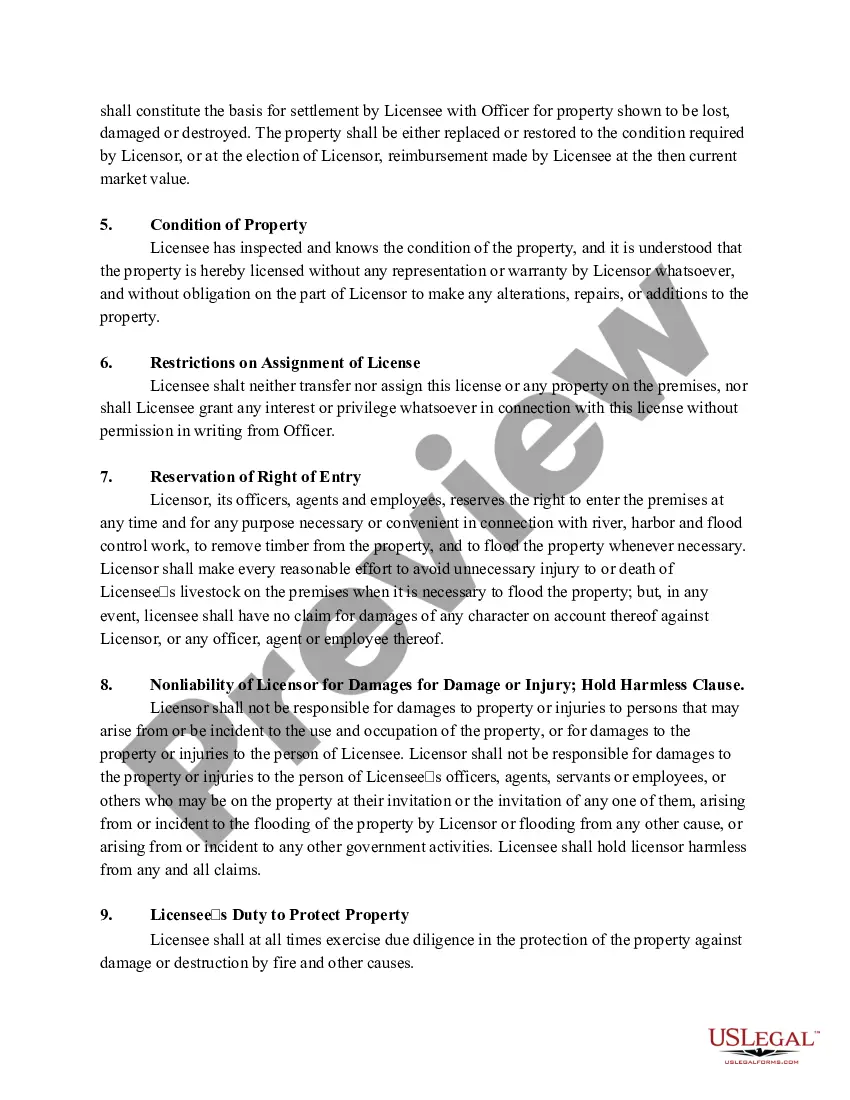
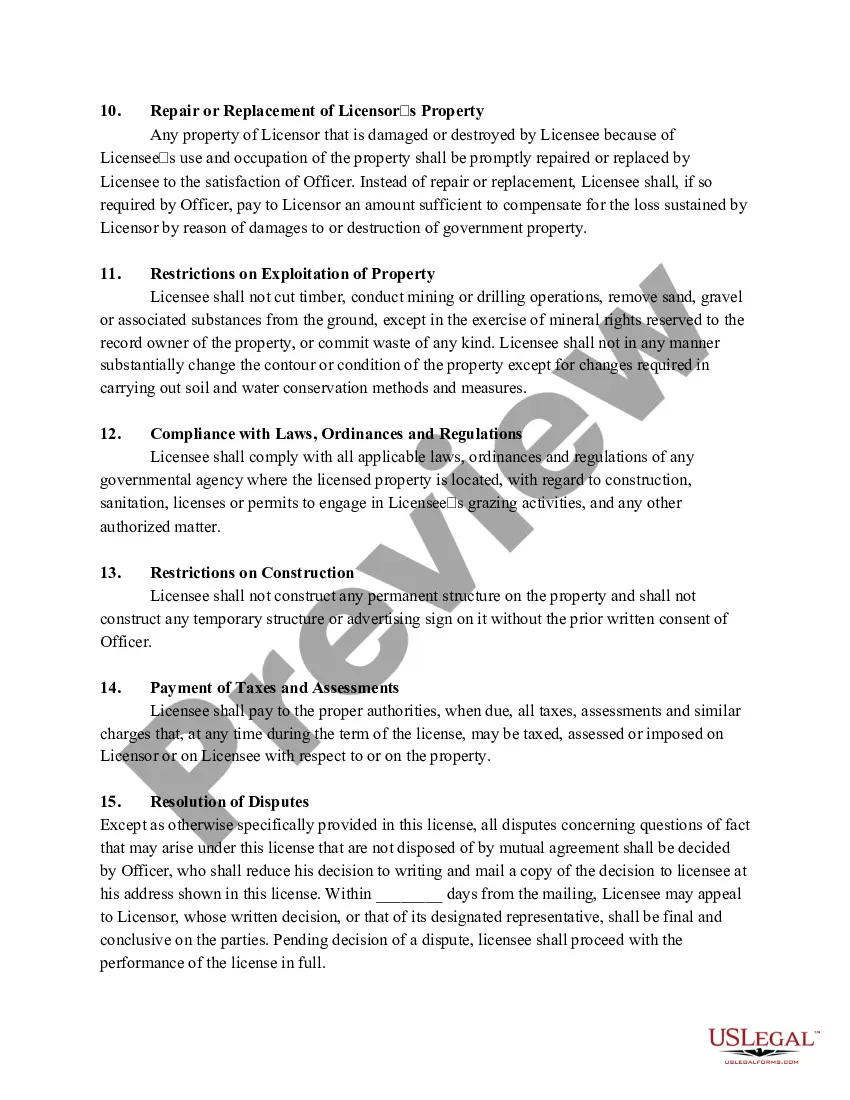
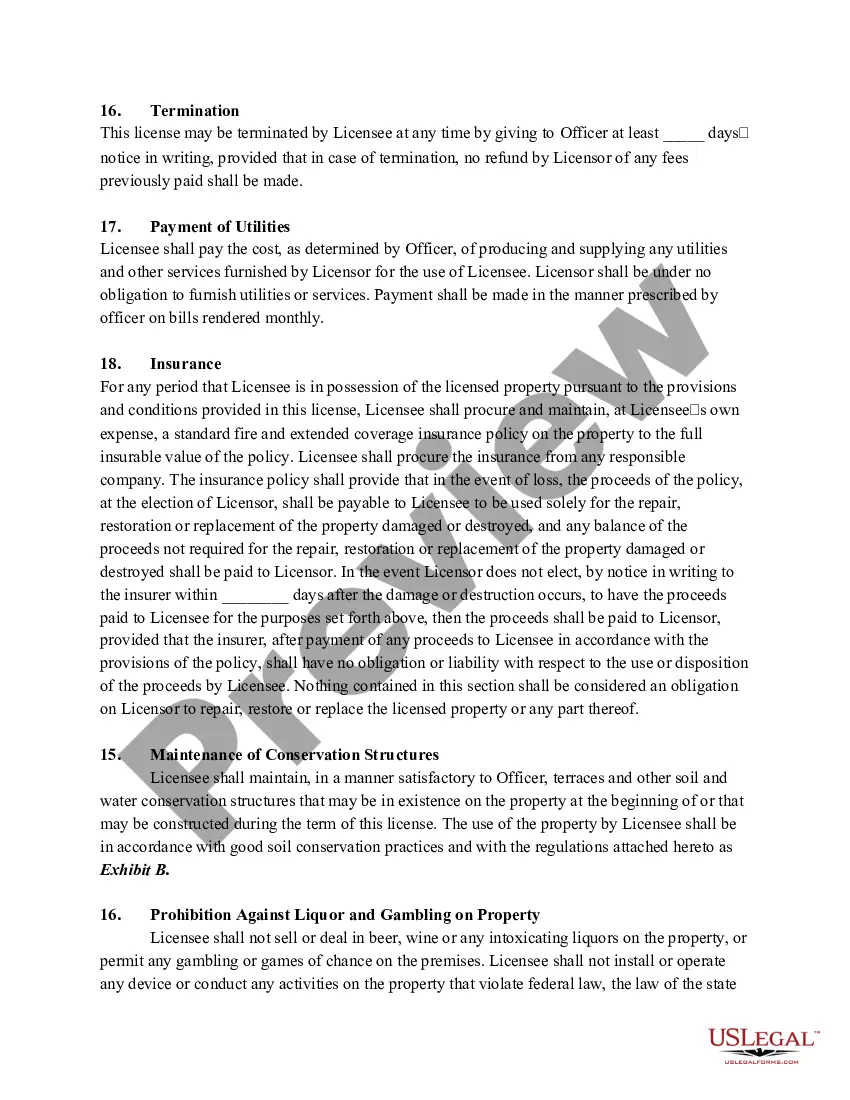
Difference Between Lease And Rental Agreement In Los Angeles
Description
Get your form ready online
Our built-in tools help you complete, sign, share, and store your documents in one place.
Make edits, fill in missing information, and update formatting in US Legal Forms—just like you would in MS Word.
Download a copy, print it, send it by email, or mail it via USPS—whatever works best for your next step.
Sign and collect signatures with our SignNow integration. Send to multiple recipients, set reminders, and more. Go Premium to unlock E-Sign.
If this form requires notarization, complete it online through a secure video call—no need to meet a notary in person or wait for an appointment.
We protect your documents and personal data by following strict security and privacy standards.

Make edits, fill in missing information, and update formatting in US Legal Forms—just like you would in MS Word.

Download a copy, print it, send it by email, or mail it via USPS—whatever works best for your next step.

Sign and collect signatures with our SignNow integration. Send to multiple recipients, set reminders, and more. Go Premium to unlock E-Sign.

If this form requires notarization, complete it online through a secure video call—no need to meet a notary in person or wait for an appointment.

We protect your documents and personal data by following strict security and privacy standards.
Looking for another form?






Form popularity
FAQ
Agreements that are over a year should be in writing to be enforceable in court. Agreements that are a year or less can be verbal or written.
In a rental agreement, the tenant pays a fixed monthly rent, and utilities and some services may be included. In a leasing agreement, the lessee pays a fixed monthly lease payment, and they may have additional expenses such as utilities, maintenance, and repairs.
Waiver of Landlord's Liability This means that any lease that contains a provision that exempts the landlord's liability for negligence is legally void and unenforceable because it is "contrary to public policy."
Verbal and Written Agreements California's Statute of Frauds requires a lease to be in writing if it either: 1. has a term longer than one year; or 2. has a term less than one year which expires more than one year after the agreement is reached.
In some states, notarization isn't necessary for leases shorter than one year. For example, California does not require notarization for standard residential leases, while Ohio may require it for some lease types.
One of the most common reasons for a landlord to terminate a lease early is if they or a close family member need the property as a primary residence. In Los Angeles, you can legally end the lease for this reason, but you must follow strict procedures.
Stability is the key advantage of a lease. You're entitled to stay in your home through the duration of the contract. It's an ideal arrangement for someone who knows they want to stay in a place long-term. No rent increases.
A rental agreement differs from a lease agreement in that it is not a long-term contract and usually occurs on a month-to-month basis. This month-to-month lease agreement expires and then renews each month upon agreement of the parties involved.
The Automatic Transition to Month-to-Month Renting in California. In most cases, the transition from a fixed-term lease to a month-to-month tenancy in California happens automatically.
