Tenancy Agreement For Rental In Illinois
Description

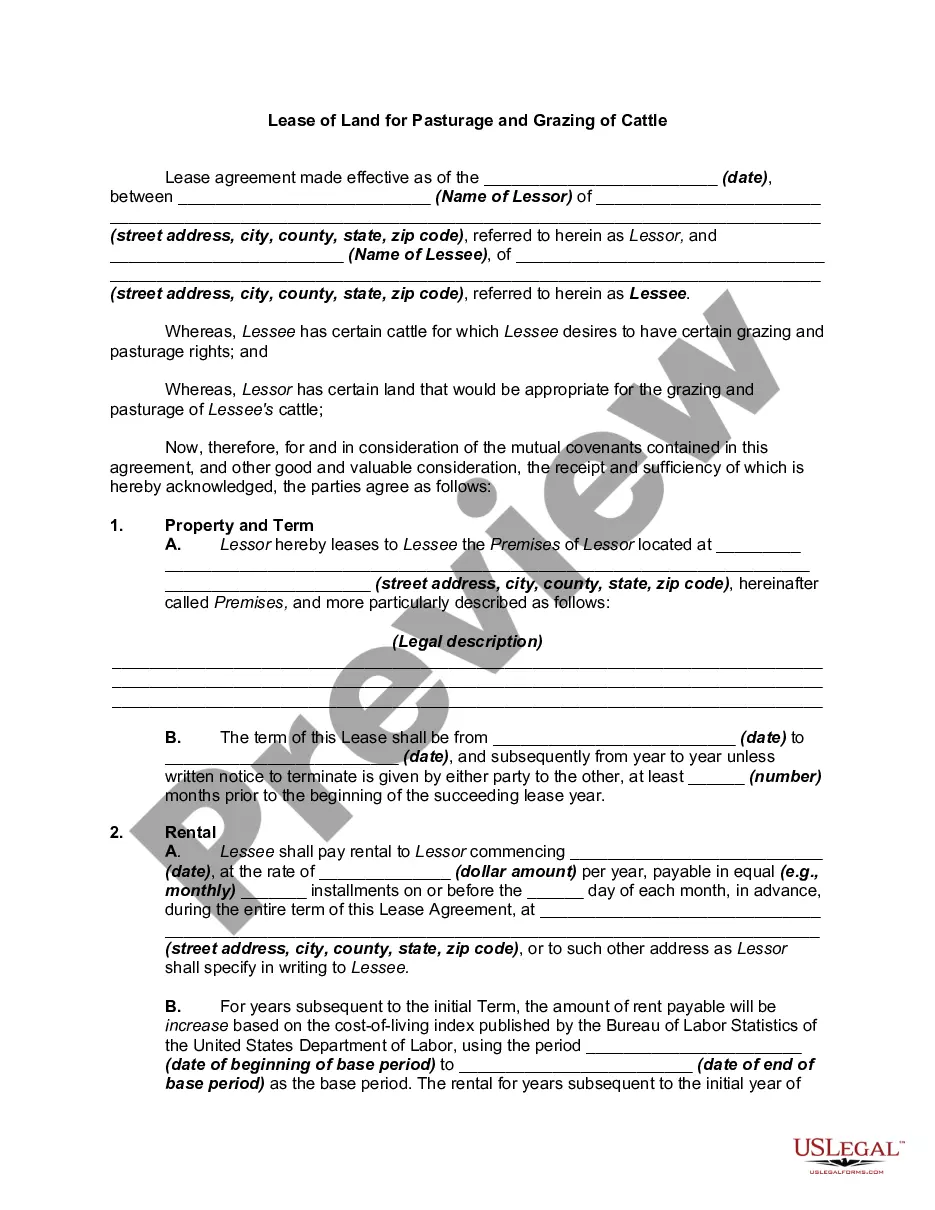
Get your form ready online
Our built-in tools help you complete, sign, share, and store your documents in one place.
Make edits, fill in missing information, and update formatting in US Legal Forms—just like you would in MS Word.
Download a copy, print it, send it by email, or mail it via USPS—whatever works best for your next step.
Sign and collect signatures with our SignNow integration. Send to multiple recipients, set reminders, and more. Go Premium to unlock E-Sign.
If this form requires notarization, complete it online through a secure video call—no need to meet a notary in person or wait for an appointment.
We protect your documents and personal data by following strict security and privacy standards.

Make edits, fill in missing information, and update formatting in US Legal Forms—just like you would in MS Word.

Download a copy, print it, send it by email, or mail it via USPS—whatever works best for your next step.

Sign and collect signatures with our SignNow integration. Send to multiple recipients, set reminders, and more. Go Premium to unlock E-Sign.

If this form requires notarization, complete it online through a secure video call—no need to meet a notary in person or wait for an appointment.

We protect your documents and personal data by following strict security and privacy standards.
Looking for another form?







Form popularity
FAQ
In most standard Illinois residential leases, tenants are required to provide 30 days' written notice to legally terminate early. The notice period commences at the start of the next rental period after notice is given. Inform your landlord in writing as soon as possible once you decide to leave.
Your landlord cannot make you move by turning off your utilities. Also, your landlord may not evict you by locking you out, changing the locks or removing your personal property from the rental unit.
Starting January 1, 2025, Illinois will introduce the Landlord Retaliation Act, a new law designed to protect tenants from landlord retaliatory actions. This law will significantly impact Chicago landlords and property managers, who must stay updated on the latest changes in Illinois landlord laws.
Does a Lease Need to Be Notarized in Illinois? No, Illinois lease laws do not require that an Illinois Rental Agreement be notarized. The Lease just needs to be signed by both the Landlord, the lessor, and the Tenant, the lessee.
A lease in Illinois must include the names of all parties, property address, lease term, rent amount, and payment terms. It should be signed by both the landlord and tenant. Specific changes for 2024 can be found in Illinois Lease Agreements: A 2024 Guide.
What are the requirements to rent an apartment in Illinois? To rent, you'll need proof of income, a credit check, and sometimes a background check. Landlords also ask for references.
Under the ordinance, landlords must provide: 60 days of notice to terminate your lease if you have lived in your apartment for more than six months but less than three years. 120 days of notice to terminate your lease if you have lived in your apartment for more than 3 years.
The Illinois Human Rights Act requires housing providers to treat all applicants and tenants equally regardless of their “immigration status.” A housing provider could be held responsible for discrimination even if they were mistaken about a person's exact legally defined “immigration status.”
Most housing providers require that the combined income of all household members equal 2.5 to 3 times the monthly rental amount. It is also legal to rent to the person with the highest income.
