Difference Between Lease And Rental Agreement In Houston
Description

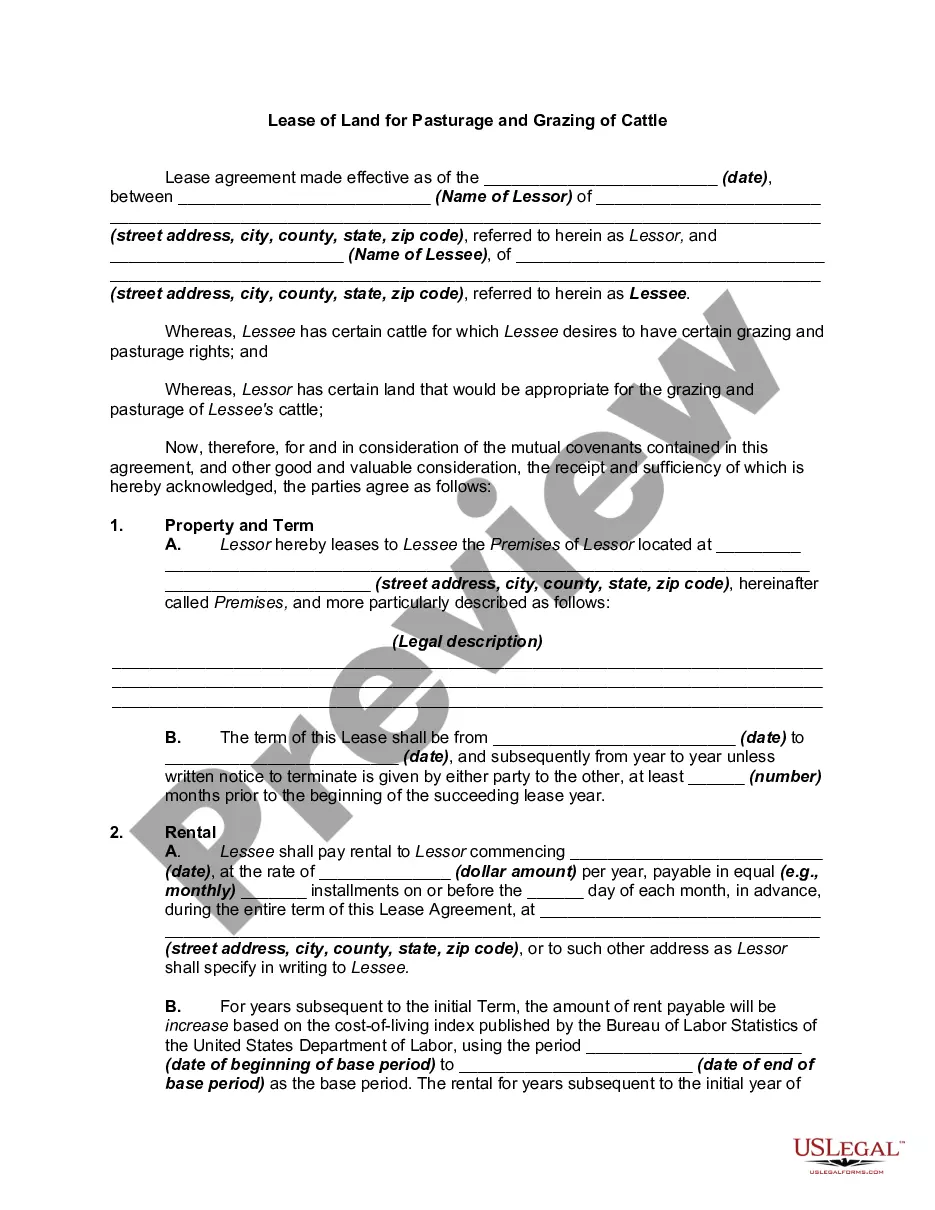
Get your form ready online
Our built-in tools help you complete, sign, share, and store your documents in one place.
Make edits, fill in missing information, and update formatting in US Legal Forms—just like you would in MS Word.
Download a copy, print it, send it by email, or mail it via USPS—whatever works best for your next step.
Sign and collect signatures with our SignNow integration. Send to multiple recipients, set reminders, and more. Go Premium to unlock E-Sign.
If this form requires notarization, complete it online through a secure video call—no need to meet a notary in person or wait for an appointment.
We protect your documents and personal data by following strict security and privacy standards.

Make edits, fill in missing information, and update formatting in US Legal Forms—just like you would in MS Word.

Download a copy, print it, send it by email, or mail it via USPS—whatever works best for your next step.

Sign and collect signatures with our SignNow integration. Send to multiple recipients, set reminders, and more. Go Premium to unlock E-Sign.

If this form requires notarization, complete it online through a secure video call—no need to meet a notary in person or wait for an appointment.

We protect your documents and personal data by following strict security and privacy standards.
Looking for another form?








Form popularity
FAQ
Tenant Rights in Texas ensure that renters have a foundation of protections under state law, which includes the right to a safe and secure living environment, protections against unfair eviction, the ability to negotiate lease terms, and the right to have their security deposits returned with lawful deductions.
Because leases in Texas do not have to be written, a spoken agreement allowing someone to stay at a house may constitute a lease. This would give the person some protections as a tenant. Attorneys typically recommend that the safest way to remove a guest who doesn't have a lease is through the formal eviction process.
One of the most common problems landlords face is unpaid rent. Lease agreements should state the due date for payments, so even a single late payment can constitute a violation of the agreement.
In Texas, a lease agreement must comply with state and federal laws, including the Texas Property Code and the Fair Housing Act. It must also include specific information, such as the names and addresses of both parties, the rental property address, and the amount and due date of rent.
The right to a fair eviction process Even in the absence of a written lease, a tenant at will is entitled to a fair and formal eviction process. This protection makes sure that landlords follow proper legal procedures.
Time Frame: The notice period typically ranges from 3 to 30 days, depending on the reason for eviction and the terms of the lease agreement. For instance, a 3-day notice is common for non-payment of rent, while a 30-day notice may be required for other lease violations or month-to-month tenancies.
If a tenant significantly violates a lease agreement (non-payment of rent, destruction of property, illegal activity, etc.), they make themselves vulnerable to eviction from their landlord. The landlord cannot evict them in Texas, however, without first following these steps: Provide notice of violation.
There is nothing wrong, with someone leasing/renting more than one property. Having two leases makes the person liable for two properties. People may want to have two different places to live and rent in the state of Texas and it would be at their discretion to be liable, for both.
Texas law gives the landlord or the tenant the explicit right to end a lease early in a few specific circumstances: Military Service. Family Violence. Sexual Offenses or Stalking Victims. Tenant's Death. Landlord's Failure to Repair. Landlord's Failure to , Inspect, or Repair a Smoke Alarm.
It must be written in strict adherence to property laws of the state where the property is located. Failing to do so can either render the lease invalid or unable to protect the landlord's property and interests from potential problem tenants.
