Tenancy Agreement For Rental In Florida
Description

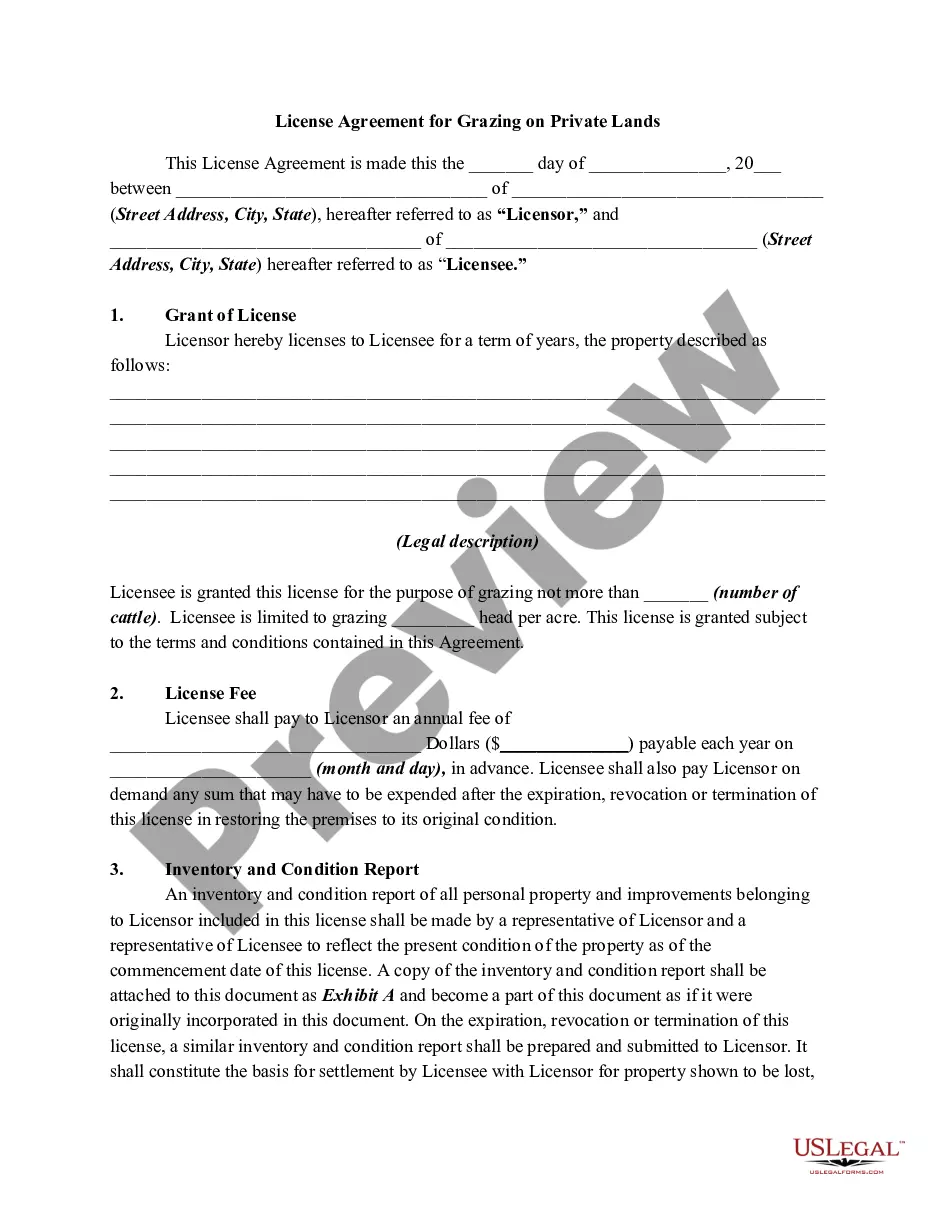
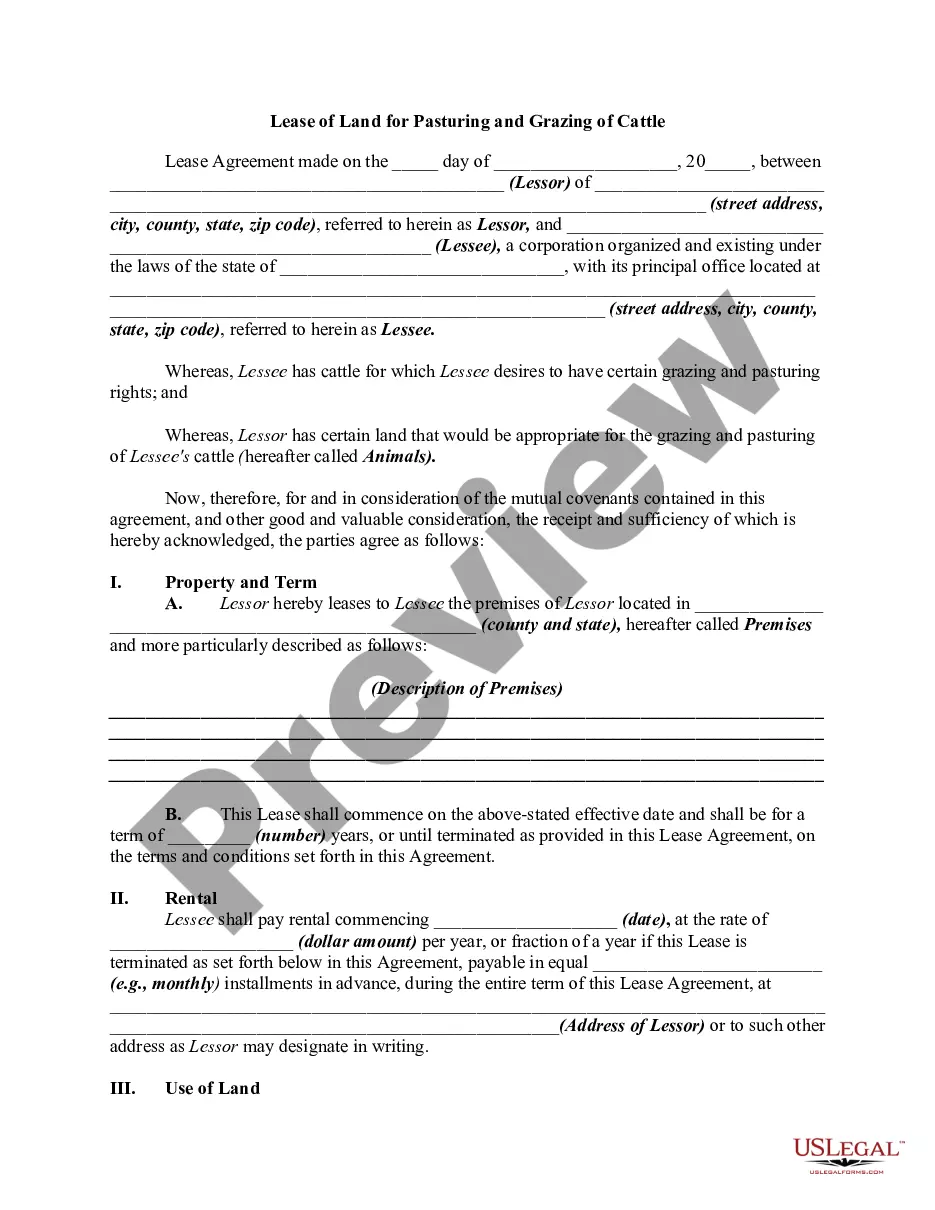
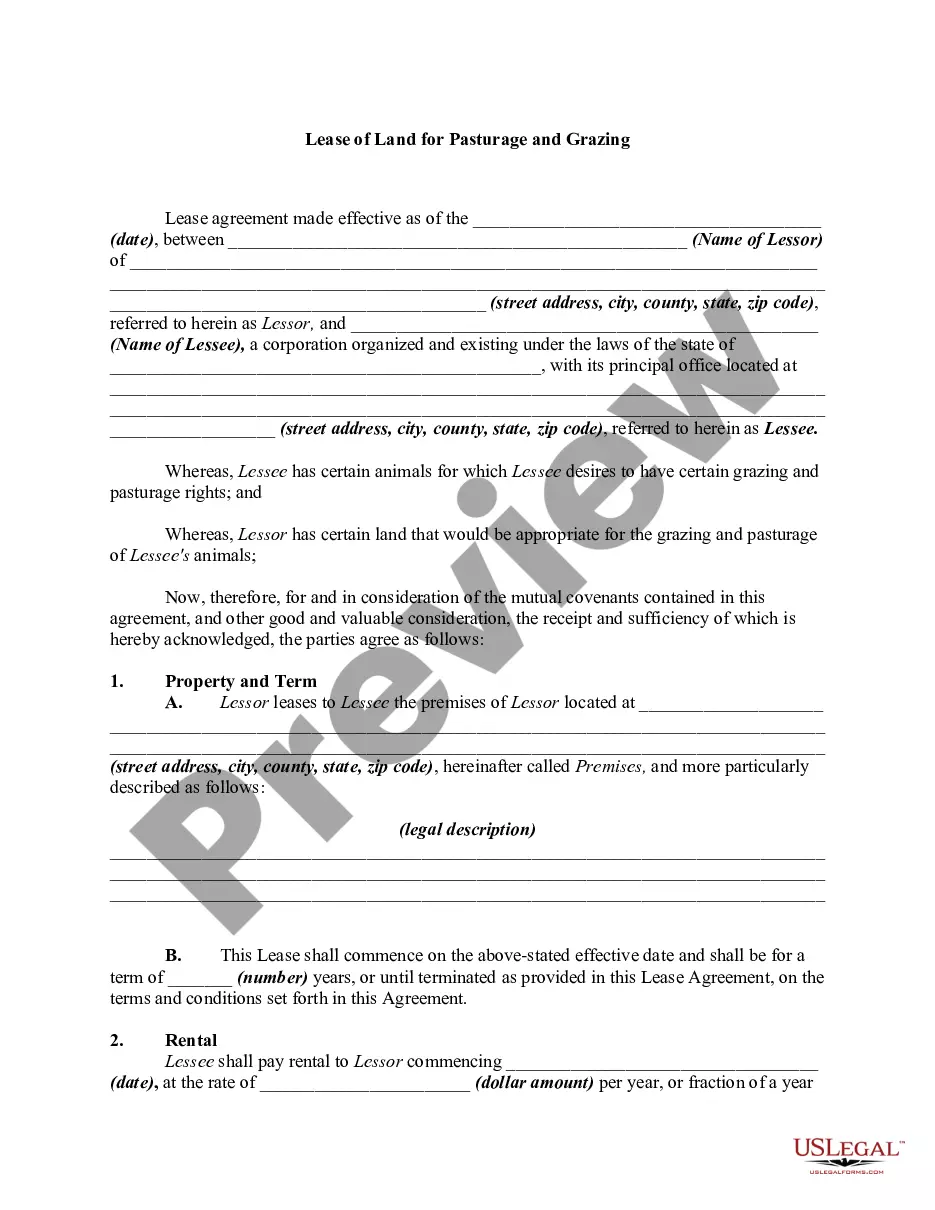
Get your form ready online
Our built-in tools help you complete, sign, share, and store your documents in one place.
Make edits, fill in missing information, and update formatting in US Legal Forms—just like you would in MS Word.
Download a copy, print it, send it by email, or mail it via USPS—whatever works best for your next step.
Sign and collect signatures with our SignNow integration. Send to multiple recipients, set reminders, and more. Go Premium to unlock E-Sign.
If this form requires notarization, complete it online through a secure video call—no need to meet a notary in person or wait for an appointment.
We protect your documents and personal data by following strict security and privacy standards.

Make edits, fill in missing information, and update formatting in US Legal Forms—just like you would in MS Word.

Download a copy, print it, send it by email, or mail it via USPS—whatever works best for your next step.

Sign and collect signatures with our SignNow integration. Send to multiple recipients, set reminders, and more. Go Premium to unlock E-Sign.

If this form requires notarization, complete it online through a secure video call—no need to meet a notary in person or wait for an appointment.

We protect your documents and personal data by following strict security and privacy standards.
Looking for another form?







Form popularity
FAQ
Notarization: Unlike some legal documents, residential leases in Florida do not typically need to be notarized. The critical aspect is that both parties have agreed to the terms and have demonstrated this agreement by signing the lease.
The credit score requirement in Florida can vary from landlord to landlord, but generally, a credit score of at least 600 is considered acceptable. Tenants with a higher credit score, typically 700 or above, may be more attractive to landlords as they demonstrate a history of responsible financial management.
Contact Eko Law today to work with our business attorney in Clearwater. While you can legally write your own commercial lease agreement in Florida, the risks often outweigh the benefits. For most landlords and business owners, the expertise of a qualified attorney is invaluable in this process.
Employment / Income Verification Each adult will be responsible for the lease should a roommate move out during the lease period. To qualify your monthly income should be at least 3x the monthly rental rate. Example: If the rent is $1000 per month your combined income should be no less than $3000 per month.
Assured Tenancy (AT) and Assured Shorthold Tenancy (AST) agreements offer more security than other tenancies as they offer the tenant more rights. For an agreement to be an Assured Tenancy, the tenant needs to occupy the property as their sole residence, and they have to be an individual, not a company.
Whilst an AST can last for any duration, tenants have a legal right to stay in a property for a minimum of six months. This applies whether the AST was for a shorter term than this or not.
The Florida Standard Lease Agreement instructs the particulars of a transaction to lease a residential unit to a written transcript.
The most common types include joint tenancy, tenancy in common, tenants by entirety, sole ownership, and community property.
To ensure a Florida lease agreement is legally valid, certain requirements must be met. These include having a written agreement, disclosing necessary information, adhering to security deposit limits, and protecting tenant rights and protections.
