Difference Between Lease And Rental Agreement In Fairfax
Description

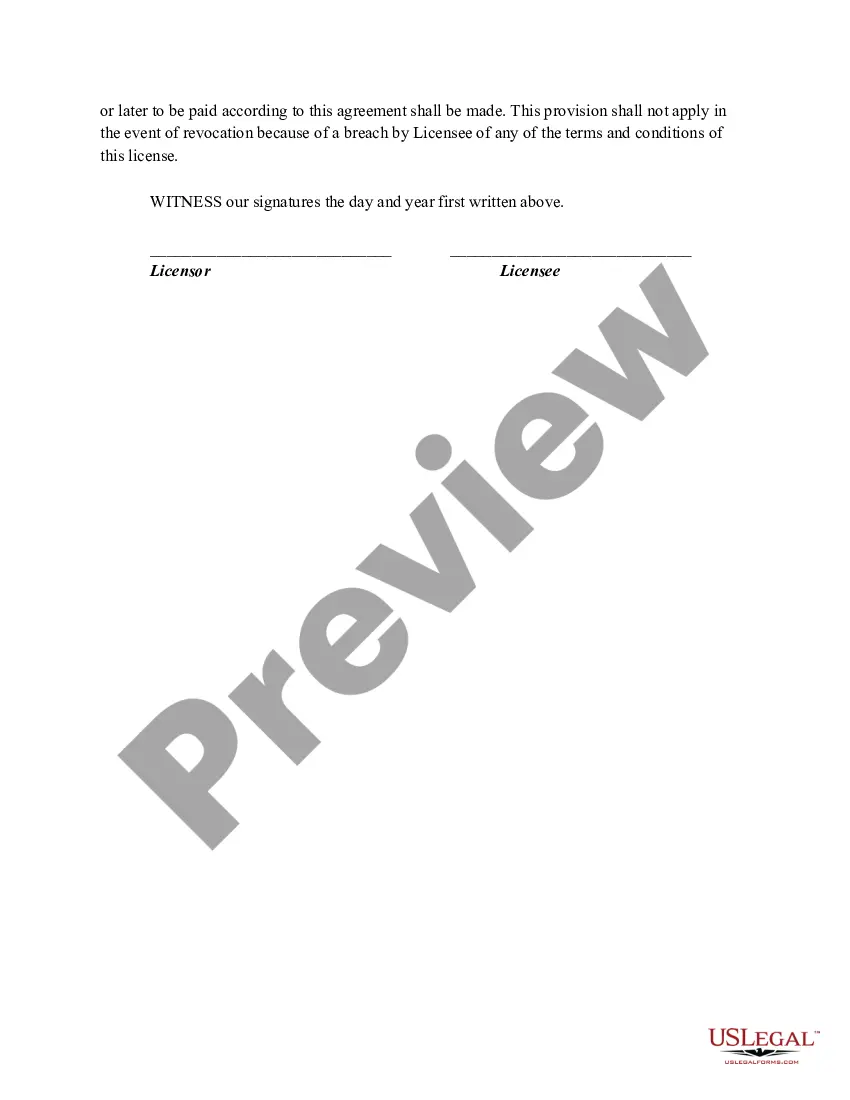
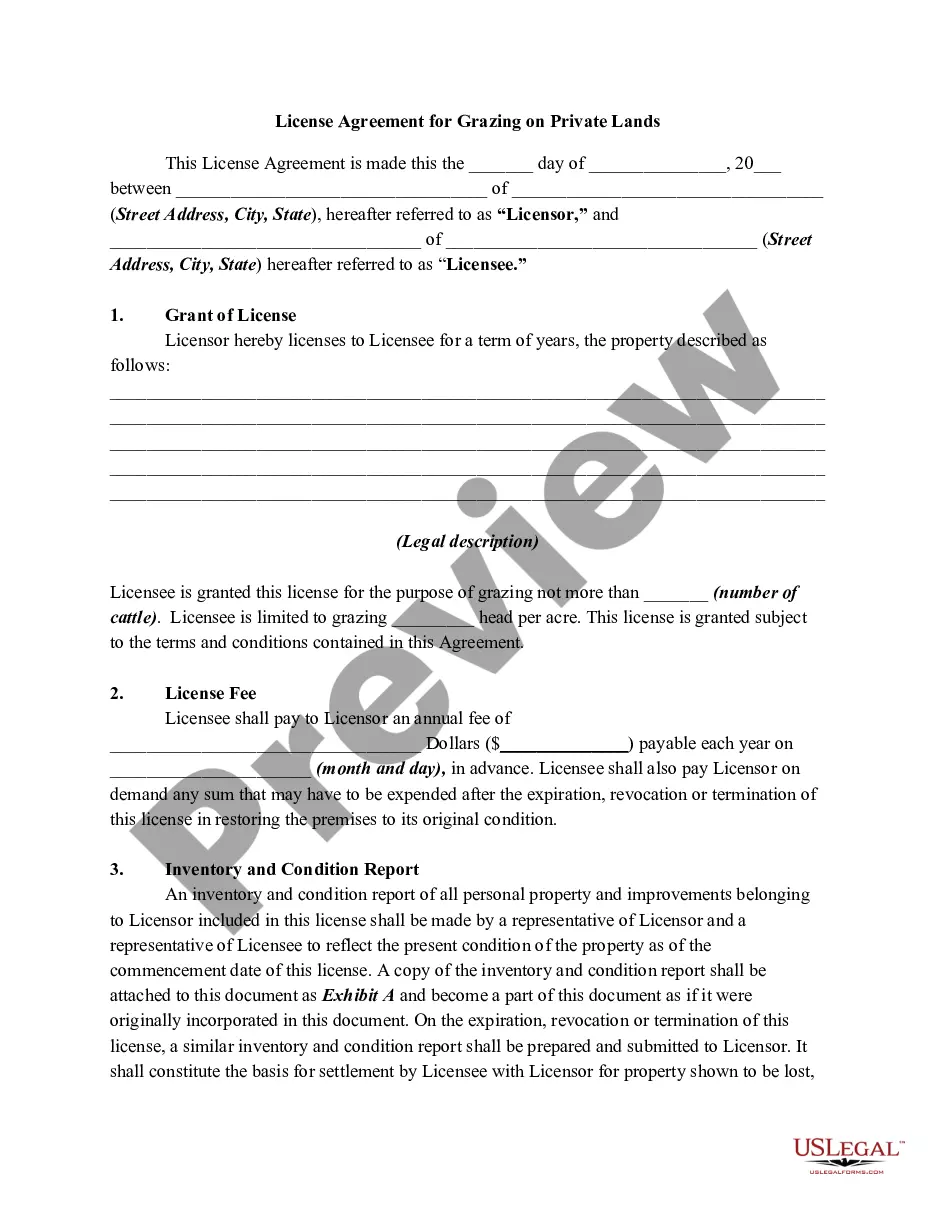
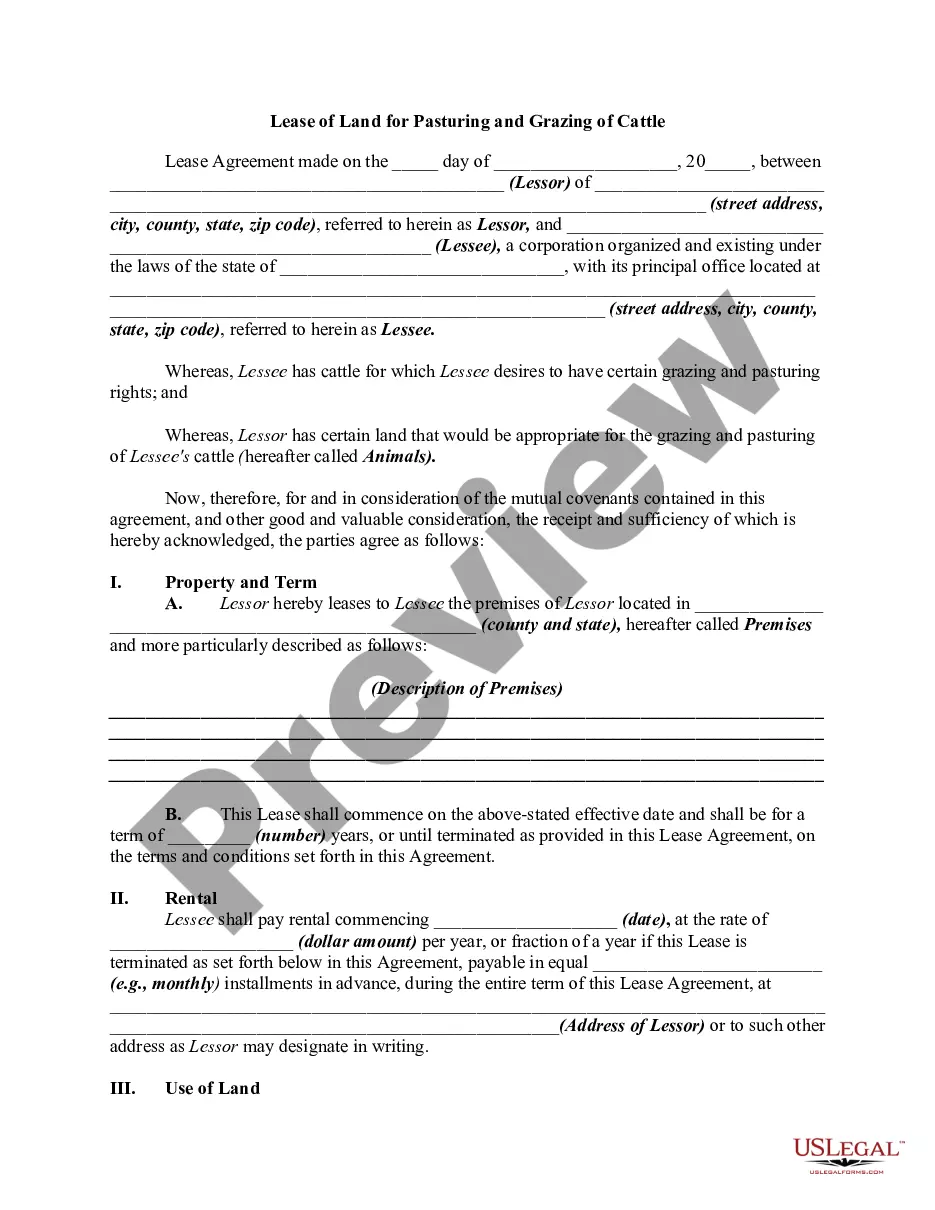
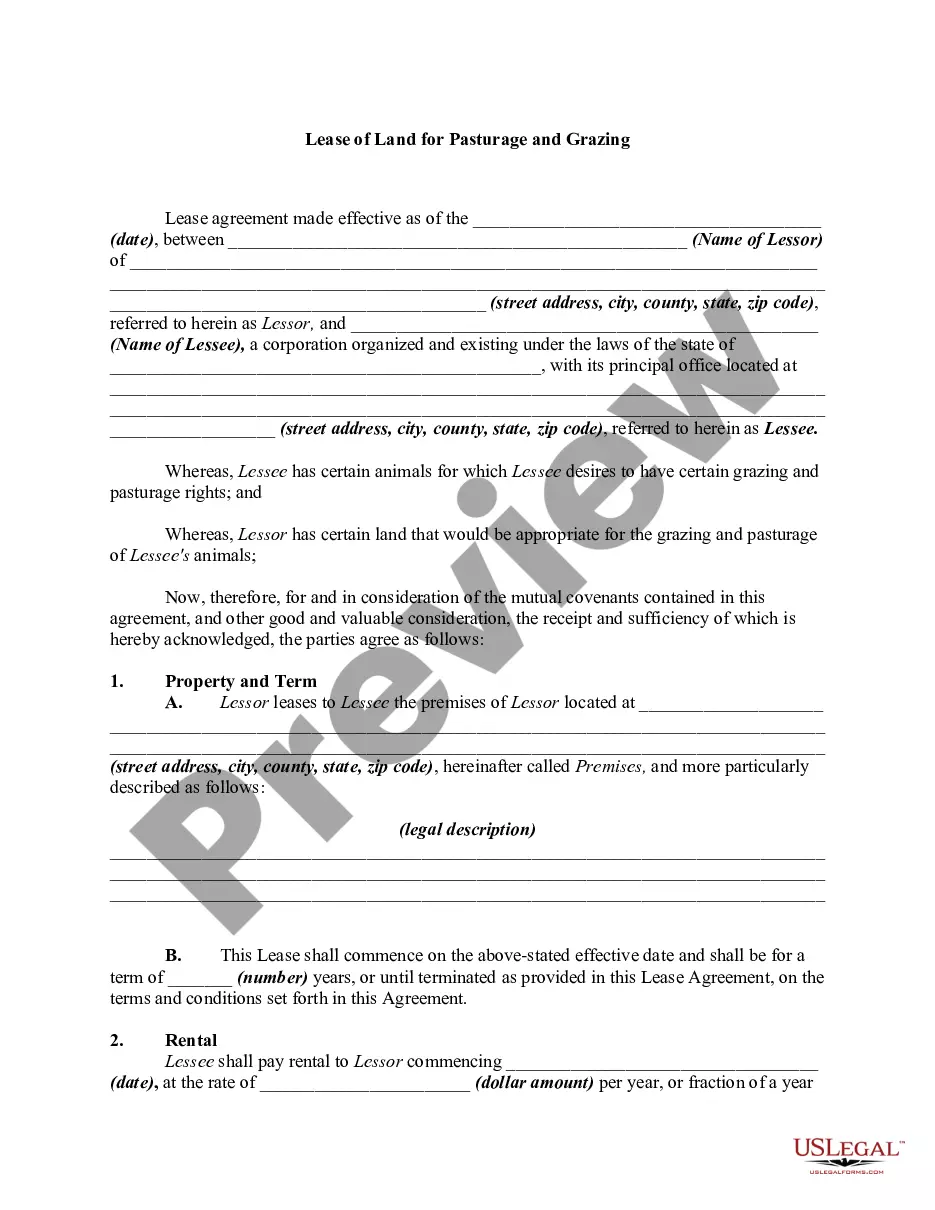
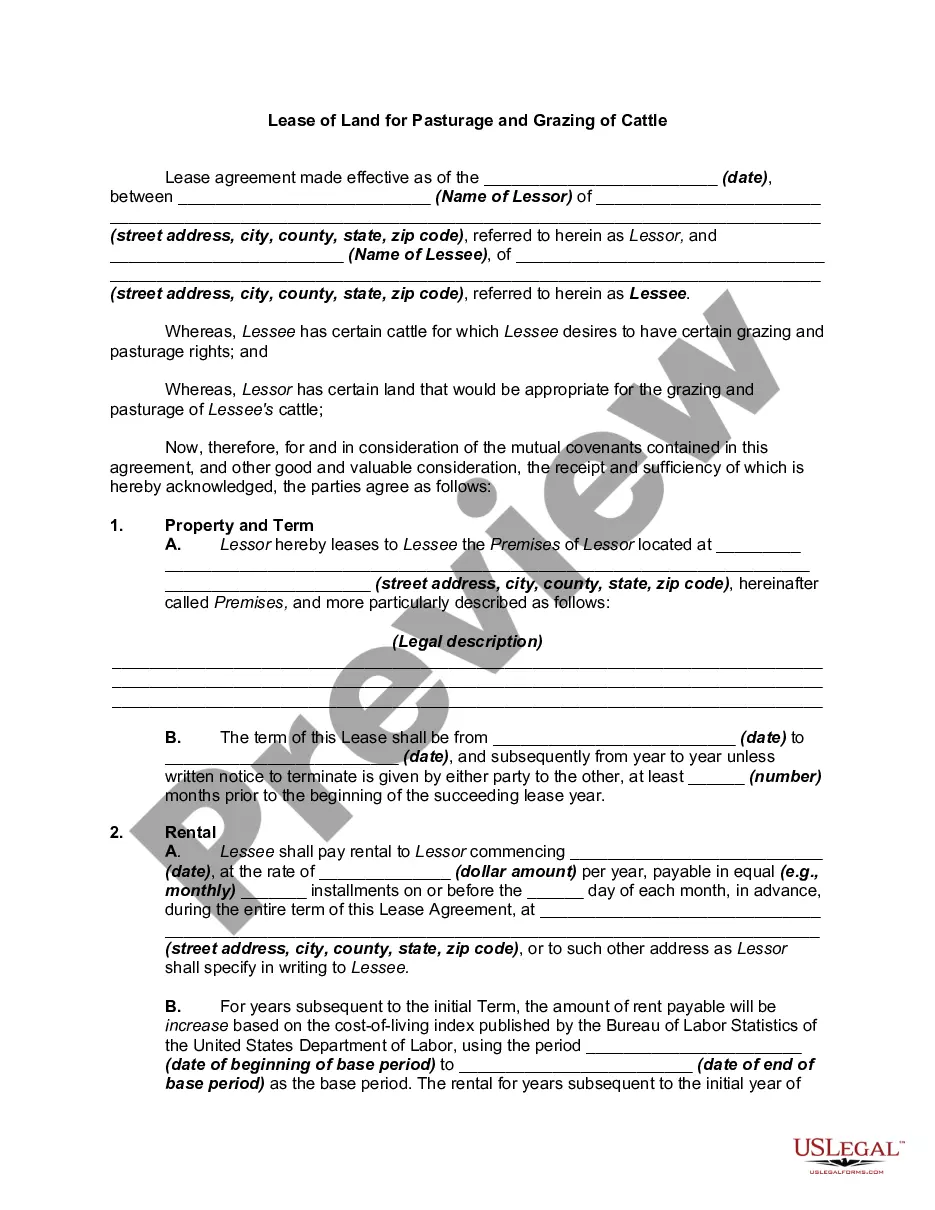
Get your form ready online
Our built-in tools help you complete, sign, share, and store your documents in one place.
Make edits, fill in missing information, and update formatting in US Legal Forms—just like you would in MS Word.
Download a copy, print it, send it by email, or mail it via USPS—whatever works best for your next step.
Sign and collect signatures with our SignNow integration. Send to multiple recipients, set reminders, and more. Go Premium to unlock E-Sign.
If this form requires notarization, complete it online through a secure video call—no need to meet a notary in person or wait for an appointment.
We protect your documents and personal data by following strict security and privacy standards.

Make edits, fill in missing information, and update formatting in US Legal Forms—just like you would in MS Word.

Download a copy, print it, send it by email, or mail it via USPS—whatever works best for your next step.

Sign and collect signatures with our SignNow integration. Send to multiple recipients, set reminders, and more. Go Premium to unlock E-Sign.

If this form requires notarization, complete it online through a secure video call—no need to meet a notary in person or wait for an appointment.

We protect your documents and personal data by following strict security and privacy standards.
Looking for another form?








Form popularity
FAQ
A lease is a long-term contract, typically ranging from six months to a year, that outlines the terms for renting a property. In contrast, a rental agreement is a short-term arrangement, usually month-to-month, offering more flexibility for both tenants and landlords.
Rental agreements are very similar to lease agreements. The biggest difference between lease agreements and rental agreements lies in the length of the contract. Unlike a long-term lease agreement, a rental agreement provides tenancy for a shorter period of time—usually 30 days.
A lease agreement or a rental agreement is a vital legal document that should be completed prior to a landlord renting property to a tenant. While both agreements are similar in nature, they are not the same and it is important to understand the differences.
Both involve the meeting of minds and exchange of promises, but a contract typically entails a more formalized arrangement, often documented in writing, and carries legal enforceability. Conversely, an agreement can be informal and may not always be legally binding.
The main difference between leasing and renting is the length of tenancy. While these terms are often used interchangeably, renting is a term used to refer to short-term arrangements, usually on a month-to-month basis. In contrast, leasing refers to long-term agreements of six months to a year or more.
Change in Rents Over Time ing to data from the Zillow Observed Rent Index, year-over-year rent growth exploded from just under 2% in February 2021 to nearly 16% in February 2022 before falling back down. By mid-2023, rent growth had slowed to pre-pandemic rates, averaging 3.4% annually over the past year.
Starting July 1, 2020, all landlords must offer the Statement of Tenant Rights and Responsibilities to any prospective tenant. Both the landlord and tenant must sign a form at the end of the statement acknowledging that the tenant has received from the landlord the statement of tenant rights and responsibilities.
How much can a landlord raise the rent? There is no rent control in Virginia. Therefore, there is no limit on rent increases a landlord can impose, but they must give a 30-day written notice of the increase.
Once it is signed by both the landlord and the tenant, the lease is a legally binding contract. If you have any questions about anything in this lease, you should talk to an attorney about the lease before you sign it.
