Off License For Lease In Cuyahoga
Description

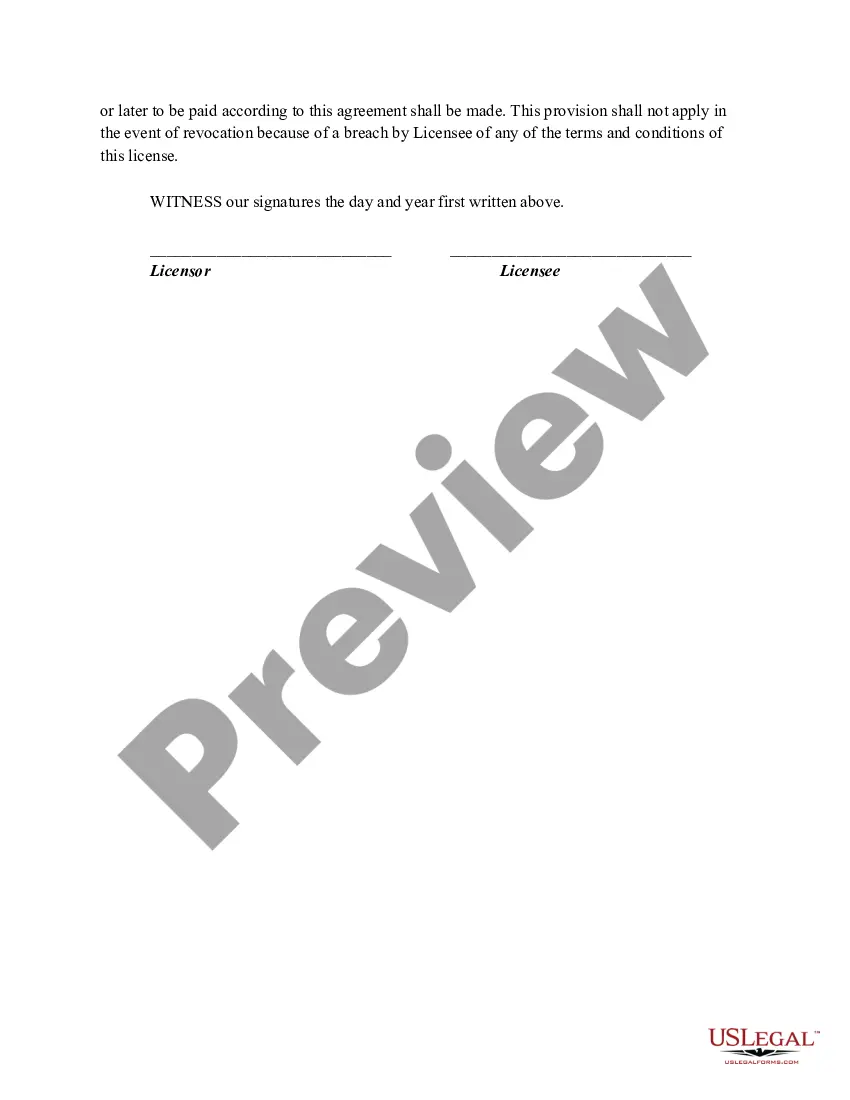
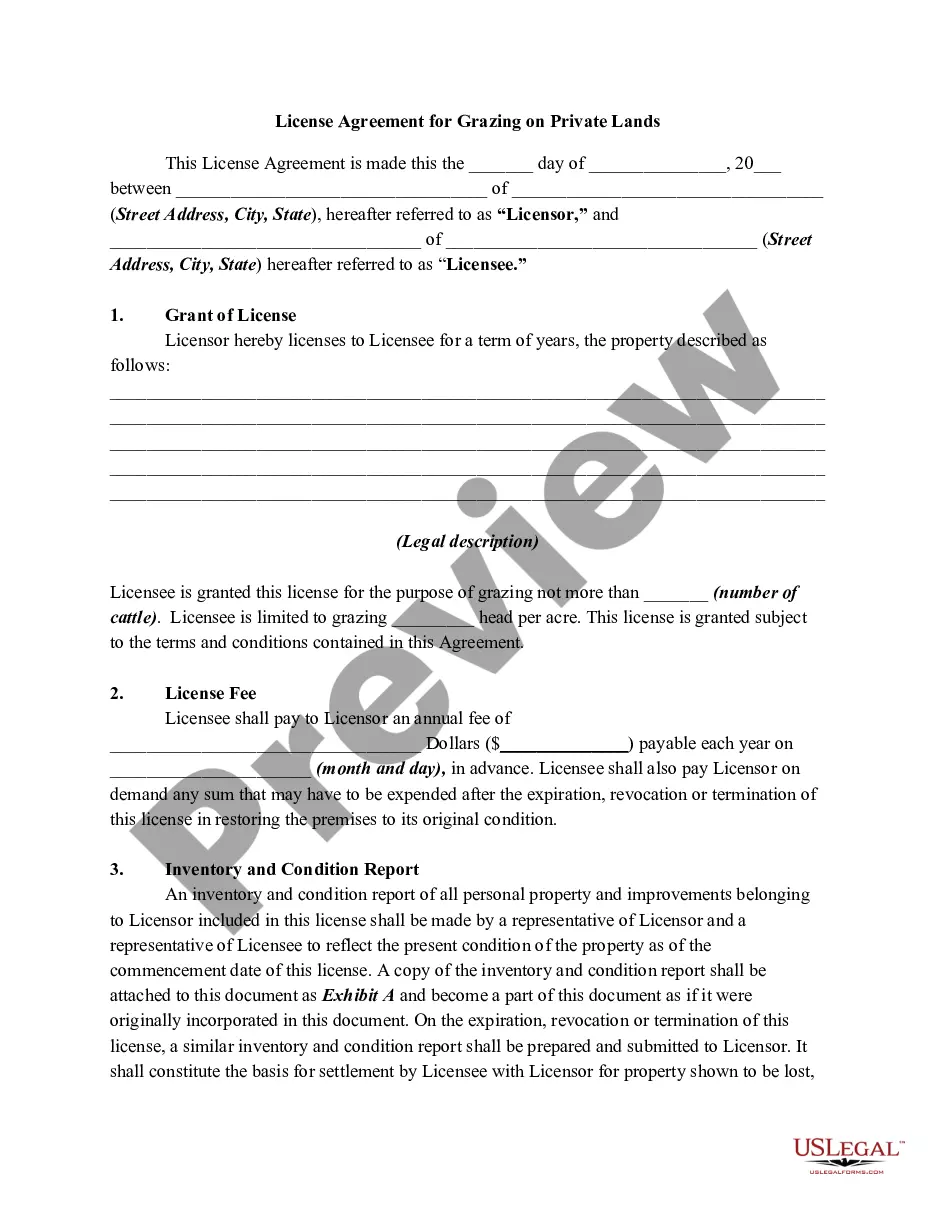
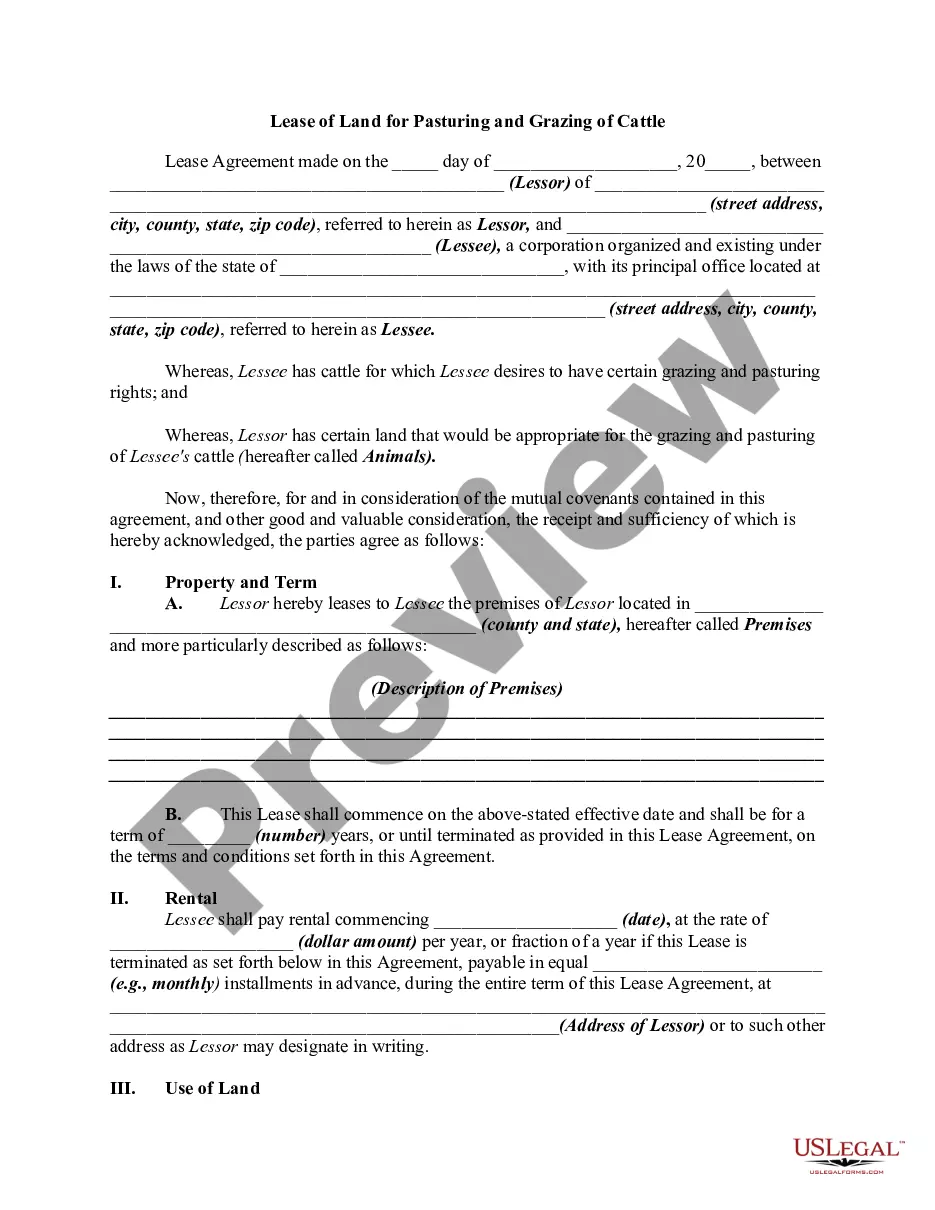
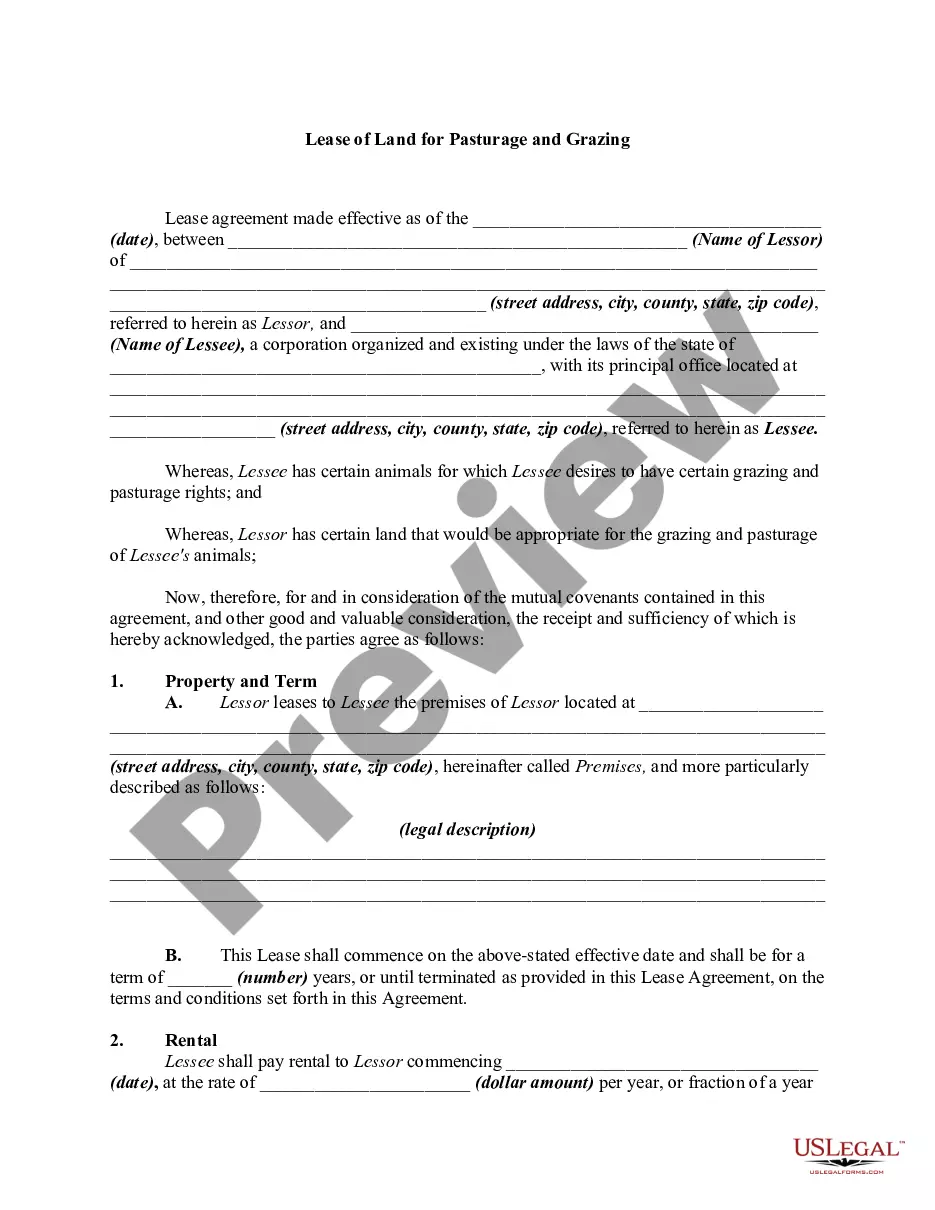
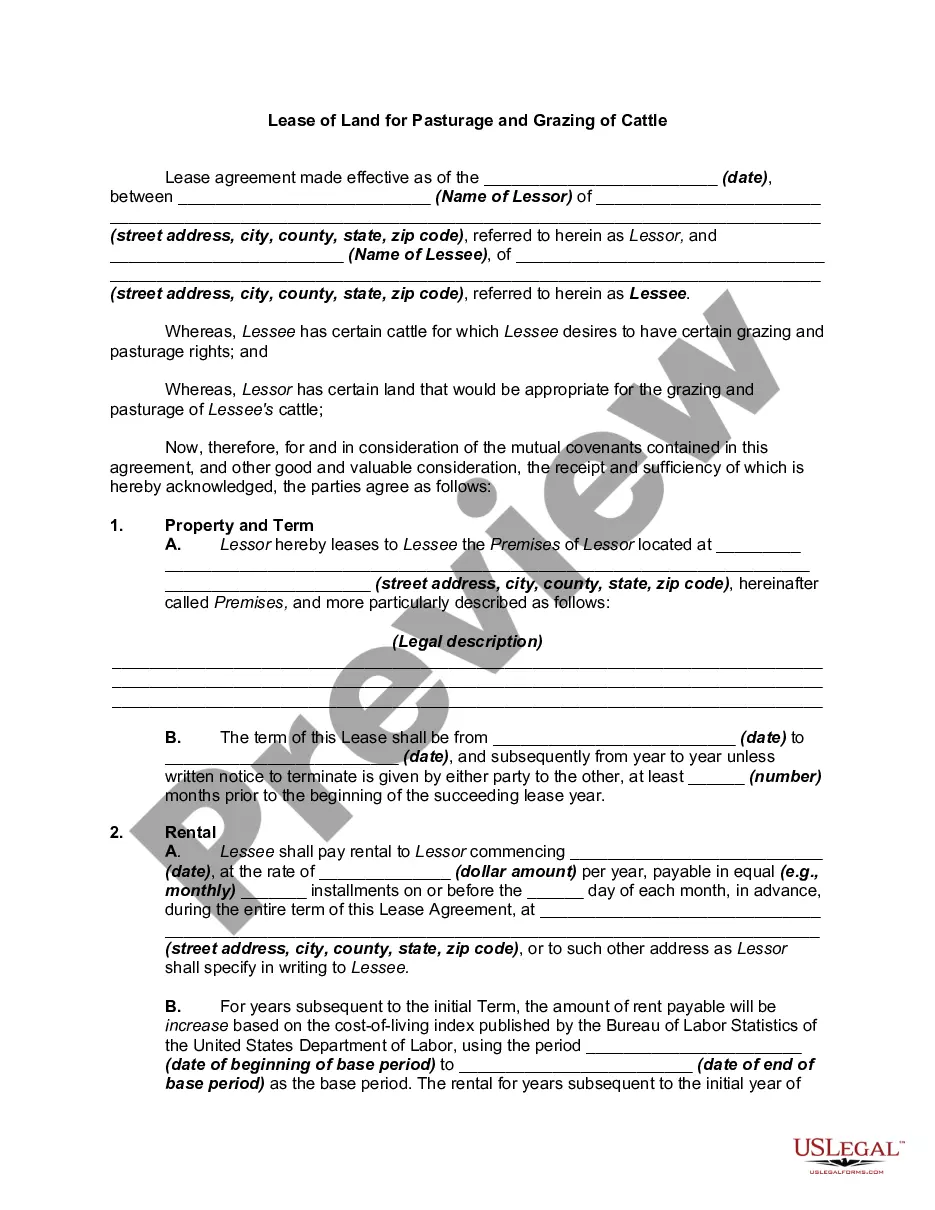
Get your form ready online
Our built-in tools help you complete, sign, share, and store your documents in one place.
Make edits, fill in missing information, and update formatting in US Legal Forms—just like you would in MS Word.
Download a copy, print it, send it by email, or mail it via USPS—whatever works best for your next step.
Sign and collect signatures with our SignNow integration. Send to multiple recipients, set reminders, and more. Go Premium to unlock E-Sign.
If this form requires notarization, complete it online through a secure video call—no need to meet a notary in person or wait for an appointment.
We protect your documents and personal data by following strict security and privacy standards.

Make edits, fill in missing information, and update formatting in US Legal Forms—just like you would in MS Word.

Download a copy, print it, send it by email, or mail it via USPS—whatever works best for your next step.

Sign and collect signatures with our SignNow integration. Send to multiple recipients, set reminders, and more. Go Premium to unlock E-Sign.

If this form requires notarization, complete it online through a secure video call—no need to meet a notary in person or wait for an appointment.

We protect your documents and personal data by following strict security and privacy standards.
Looking for another form?


Form popularity
FAQ
The landlord tenant laws that allow you to break a lease are different from state to state. In many places, you can get out of your lease without penalty for a number of reasons, such as domestic violence, an unsafe environment, or if you've been called up for military service.
The Ohio 30-Day Notice to Vacate is a legal document used by landlords to notify tenants of their intent to terminate the rental agreement. This notice provides essential information regarding the last day of tenancy and actions to take. Tenants should review this form to ensure compliance with eviction laws in Ohio.
Is a rental license required to be a landlord? In Ohio, landlords with rental property located in an Ohio County with more than 200,000 residents must register their rental property with the county auditor's office of the county in which the rental property is located.
The most common way to end a lease is by providing the notice required in a Lease Agreement or by state or local law. Tenants use a Tenant Notice of Intent to Move, while landlords use a Landlord's Notice of Non-Renewal.
Tenants in Ohio should provide written notice if they want to end the agreement before the lease term expires. Currently, there are two established notice periods: Weekly Leases - Seven days of notice. Monthly Leases - 30 days of notice.
Ohio Rental Application Requirements Personal information and references: This includes their full name, date of birth, contact details, and social security number (SSN). Employment details: These include their current employment status, the name of their employer, their monthly income, and their duration of employment.
Is Ohio a Landlord-Friendly State? Ohio is considered a landlord-friendly state since there are few to no regulations for rent control policies and mandatory disclosures.
You must register your residential rental property with the County even if you have registered your rental property with the municipality where it is located.
The Housing Code requires owners of all rental property to annually obtain a Housing Rental License and all owners of two-family dwellings to annually obtain either a Housing Rental License or an Exemption.
