Difference Between Lease And Rental Agreement In Contra Costa
Description

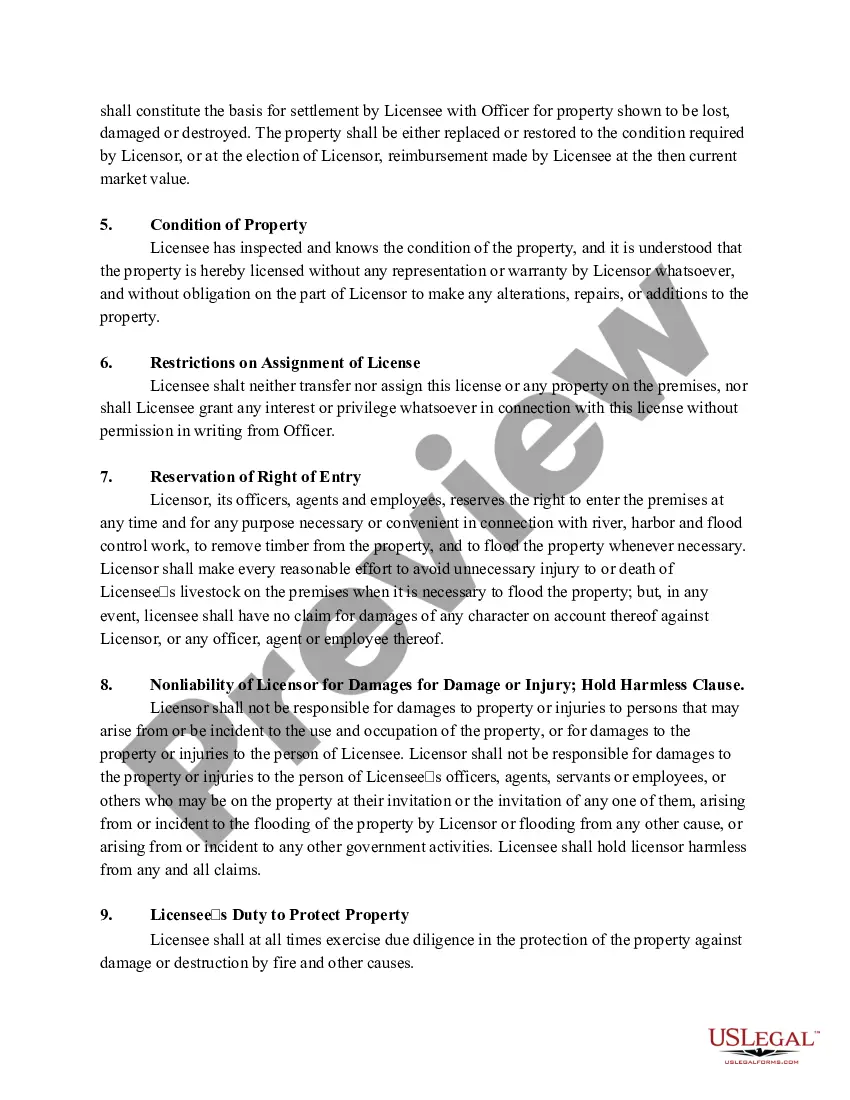
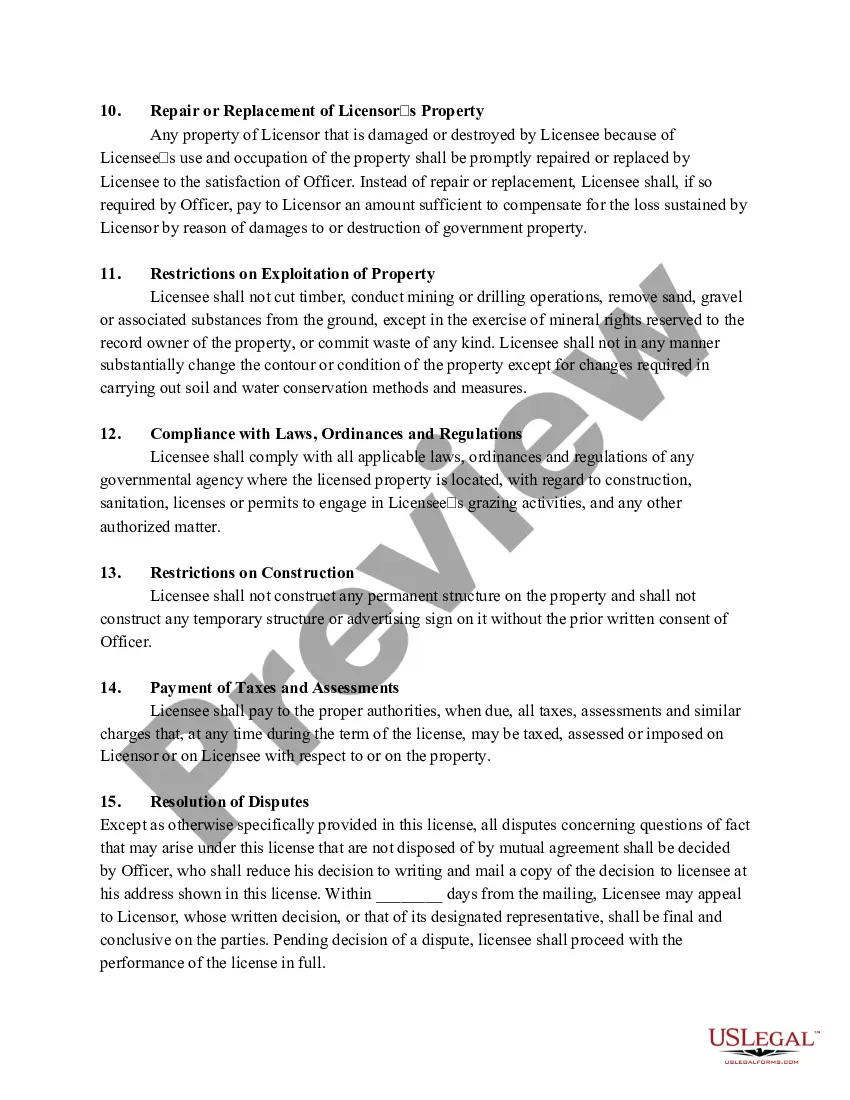
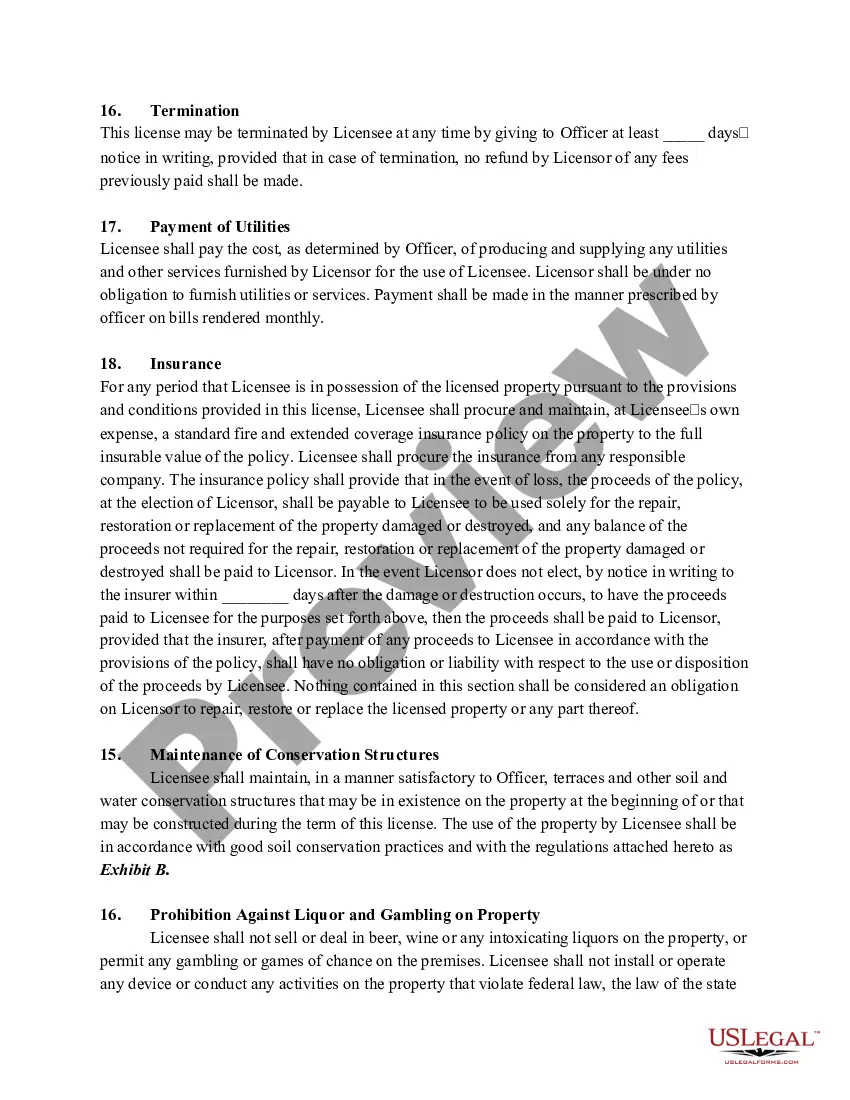
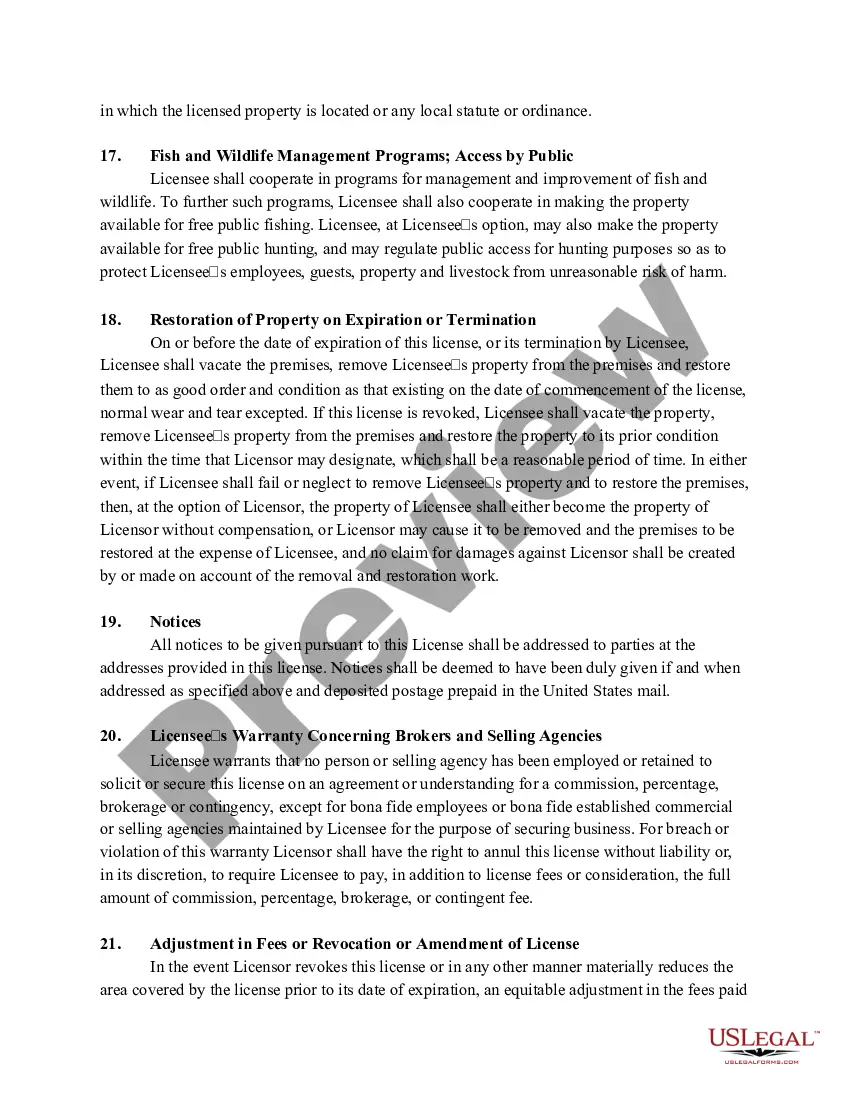
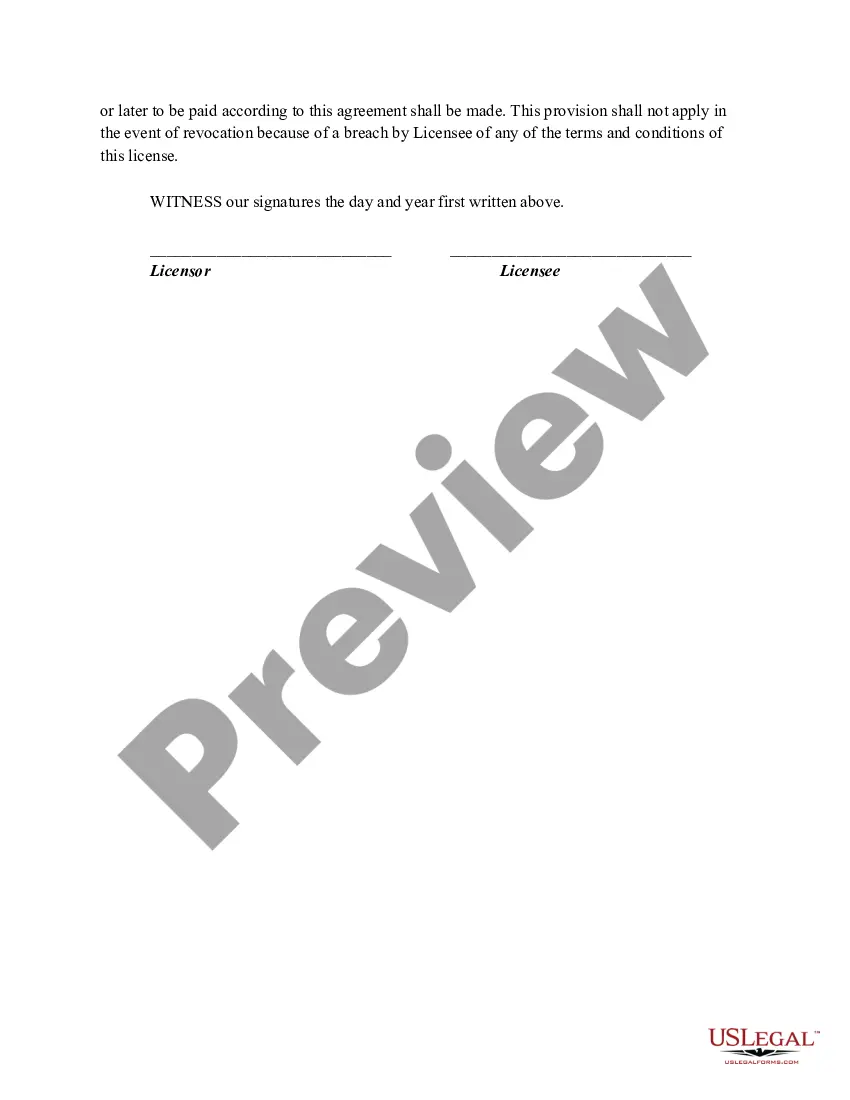
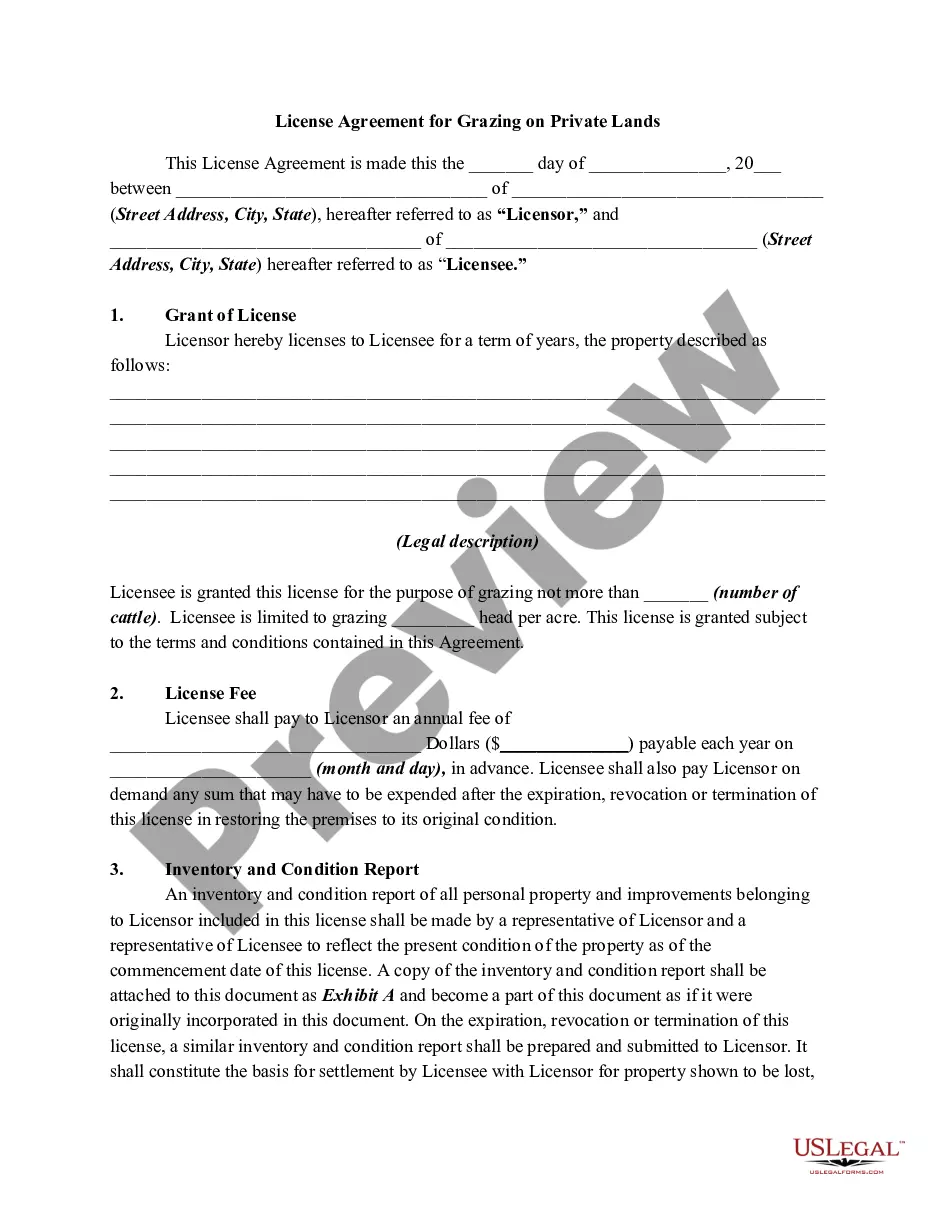
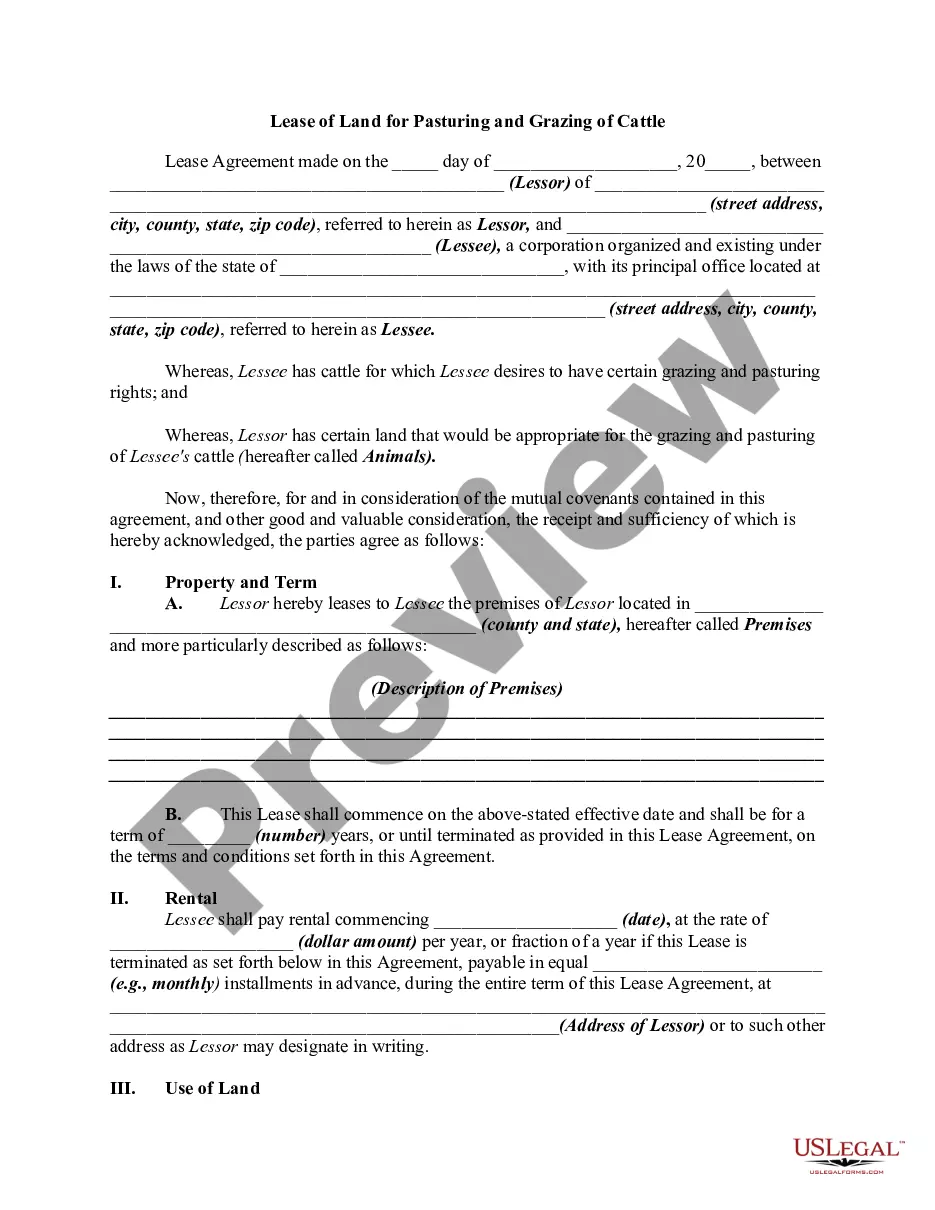
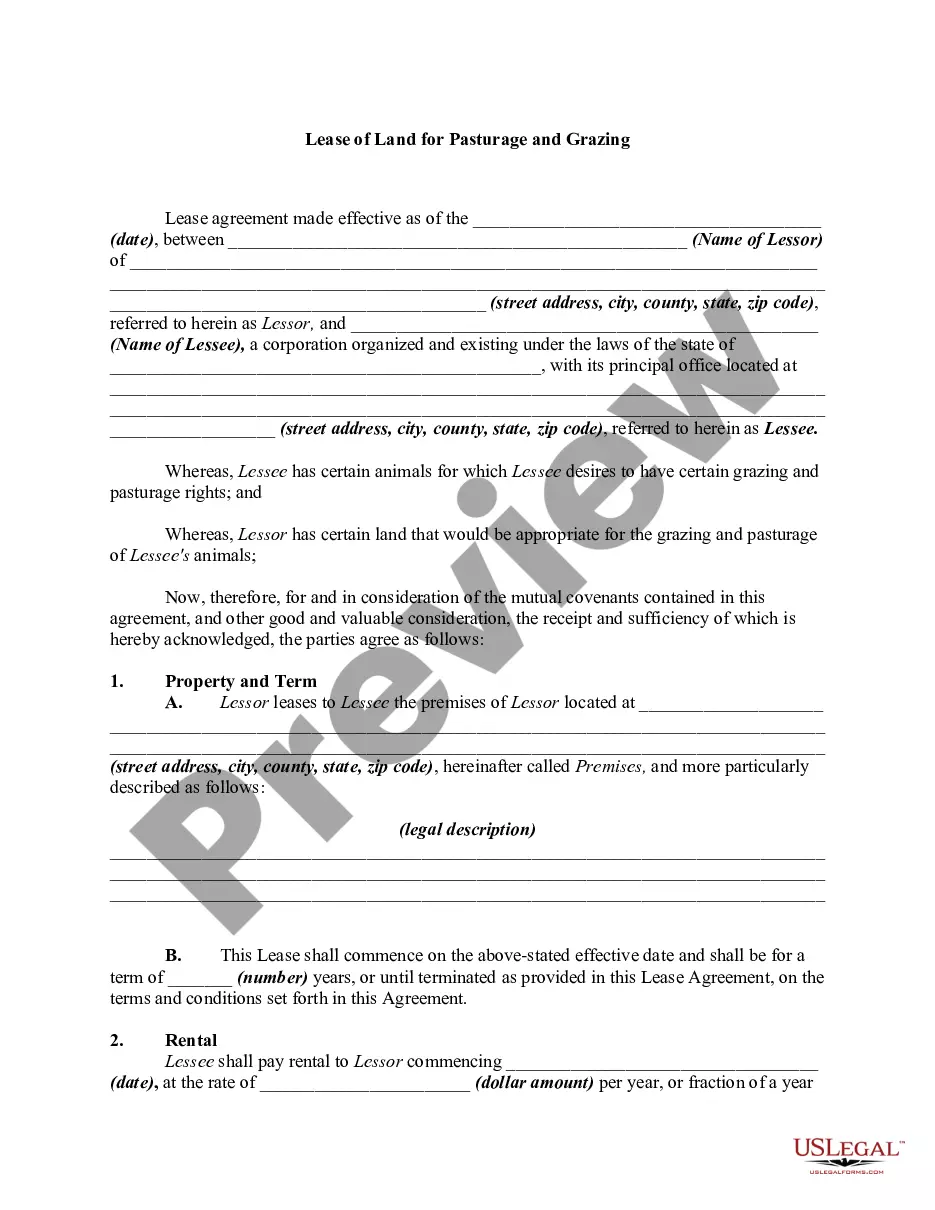
Get your form ready online
Our built-in tools help you complete, sign, share, and store your documents in one place.
Make edits, fill in missing information, and update formatting in US Legal Forms—just like you would in MS Word.
Download a copy, print it, send it by email, or mail it via USPS—whatever works best for your next step.
Sign and collect signatures with our SignNow integration. Send to multiple recipients, set reminders, and more. Go Premium to unlock E-Sign.
If this form requires notarization, complete it online through a secure video call—no need to meet a notary in person or wait for an appointment.
We protect your documents and personal data by following strict security and privacy standards.

Make edits, fill in missing information, and update formatting in US Legal Forms—just like you would in MS Word.

Download a copy, print it, send it by email, or mail it via USPS—whatever works best for your next step.

Sign and collect signatures with our SignNow integration. Send to multiple recipients, set reminders, and more. Go Premium to unlock E-Sign.

If this form requires notarization, complete it online through a secure video call—no need to meet a notary in person or wait for an appointment.

We protect your documents and personal data by following strict security and privacy standards.
Looking for another form?




Form popularity
FAQ
Rental agreements are very similar to lease agreements. The biggest difference between lease agreements and rental agreements lies in the length of the contract. Unlike a long-term lease agreement, a rental agreement provides tenancy for a shorter period of time—usually 30 days.
Leasing vs. renting. The main difference between a lease and rent agreement is the period of time they cover. A rental agreement tends to cover a short term—usually 30 days—while a lease contract is applied to long periods—usually 12 months, although 6 and 18-month contracts are also common.
Contra Costa County has implemented rent control and just cause eviction protections in certain areas. These laws: Limit annual rent increases. Protect tenants from arbitrary evictions.
In a rental agreement, the tenant pays a fixed monthly rent, and utilities and some services may be included. In a leasing agreement, the lessee pays a fixed monthly lease payment, and they may have additional expenses such as utilities, maintenance, and repairs.
A "tenancy agreement" is the term more often associated with a residential letting for less than three years, whereas a "lease" is more generally used in relation to a commercial tenancy, and in the case of residential lettings, for in excess of three years.
In some areas, renting may be more economical than leasing and vice versa. Personal Needs: Think about your lifestyle, job stability, and family needs. If you value flexibility, renting might be better; if you prefer stability and are planning to settle down, leasing could be advantageous.
When Breaking a Lease is Justified in California. State law (Cal. Civ. Code § 1946.7) provides early termination rights for tenants who are victims of domestic or sexual violence, stalking, or elder abuse, provided that specified conditions are met (such as the tenant securing a temporary restraining order).
Unwritten leases that are for a term of longer than one year or that expire more than one year after the agreement is reached are unenforceable. If a tenant enters into possession under an unenforceable lease, the tenant becomes a tenant at-will.
One of the most common problems landlords face is unpaid rent. Lease agreements should state the due date for payments, so even a single late payment can constitute a violation of the agreement.
