Liquor License For Lease In Chicago
Description
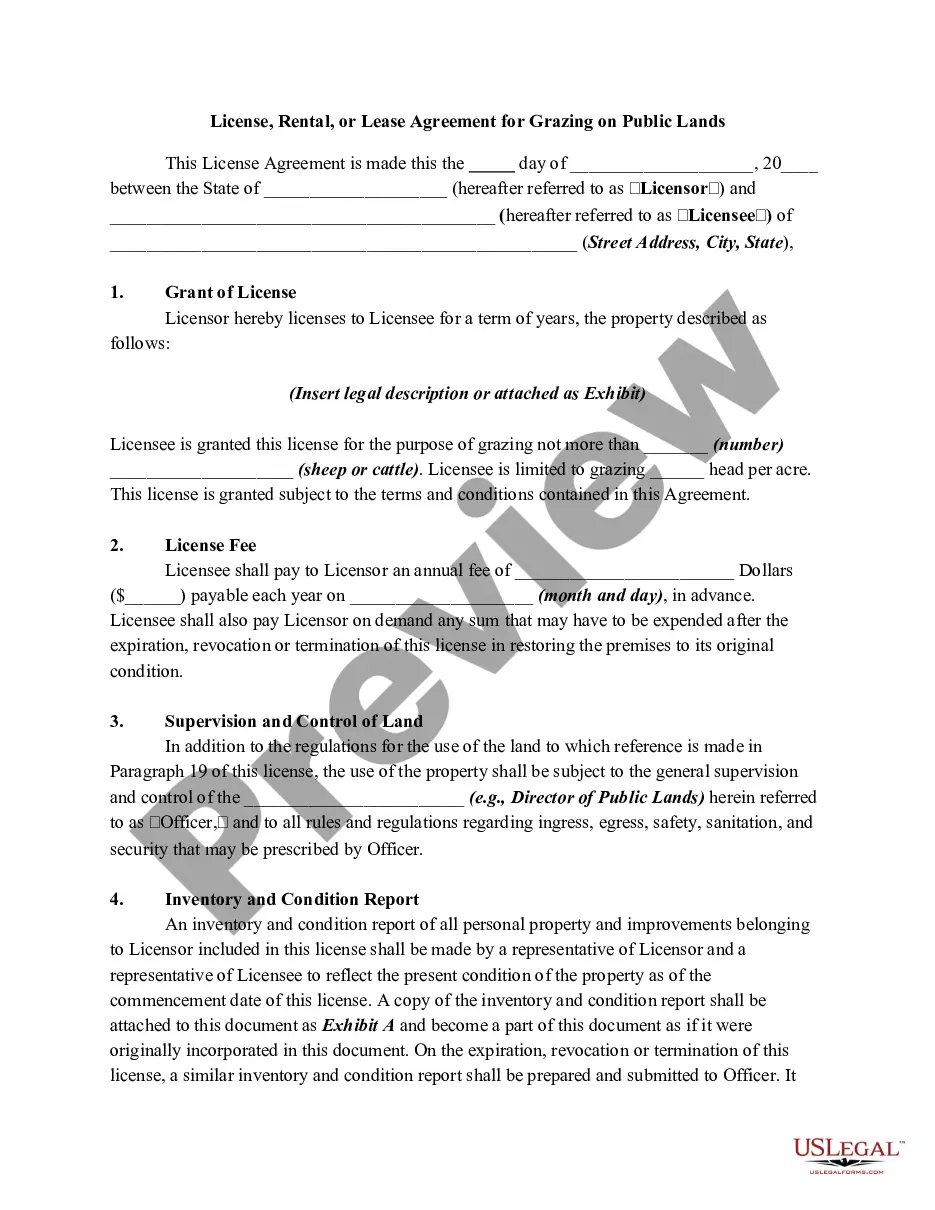
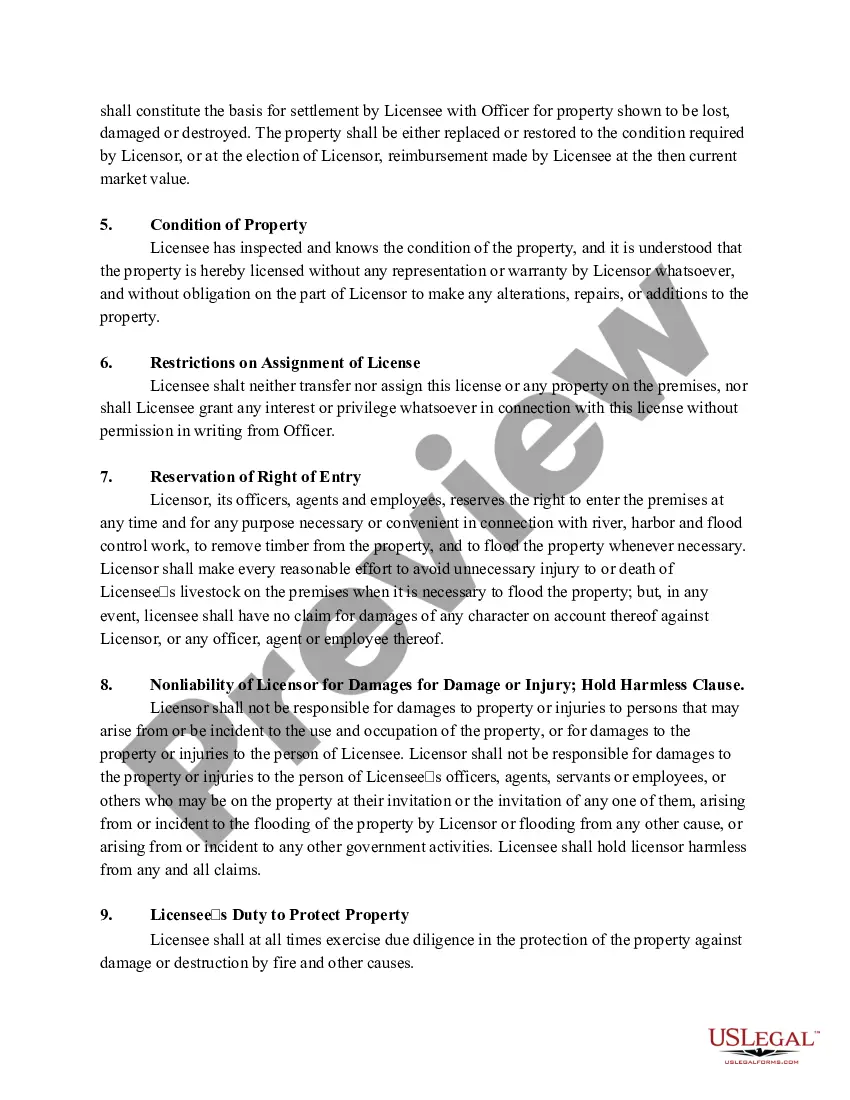
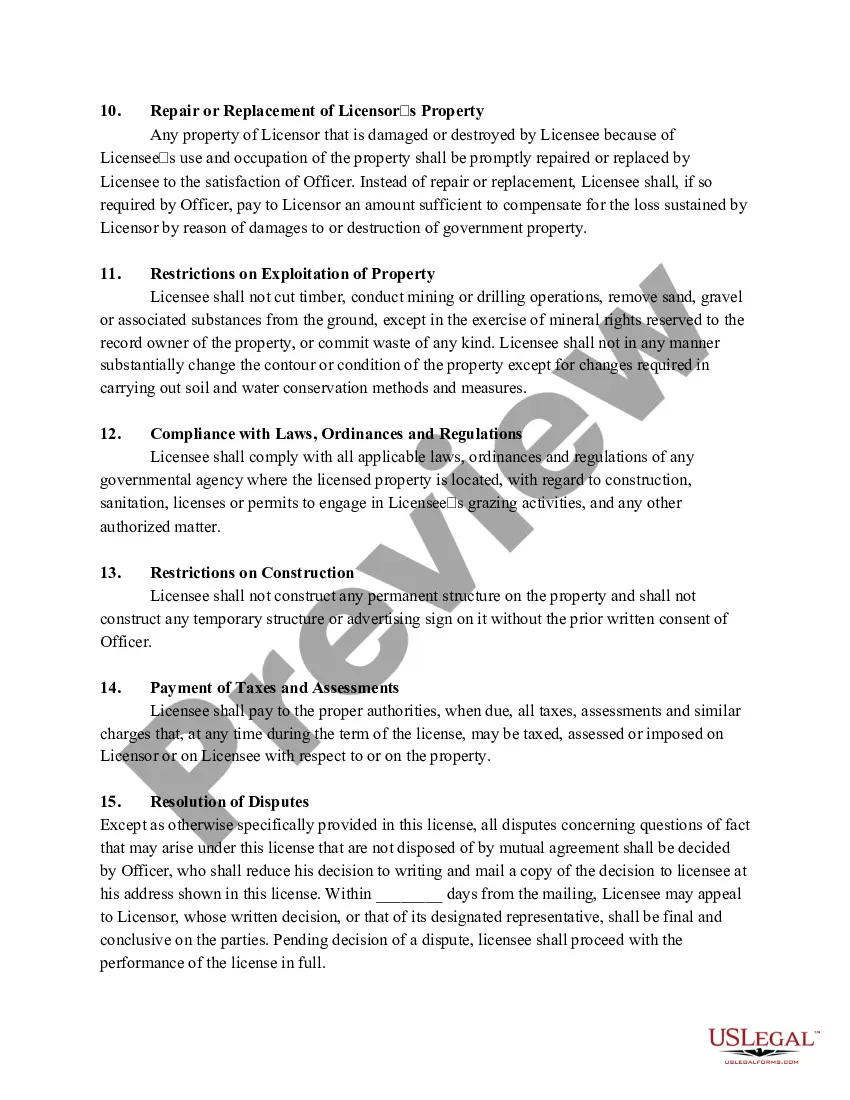
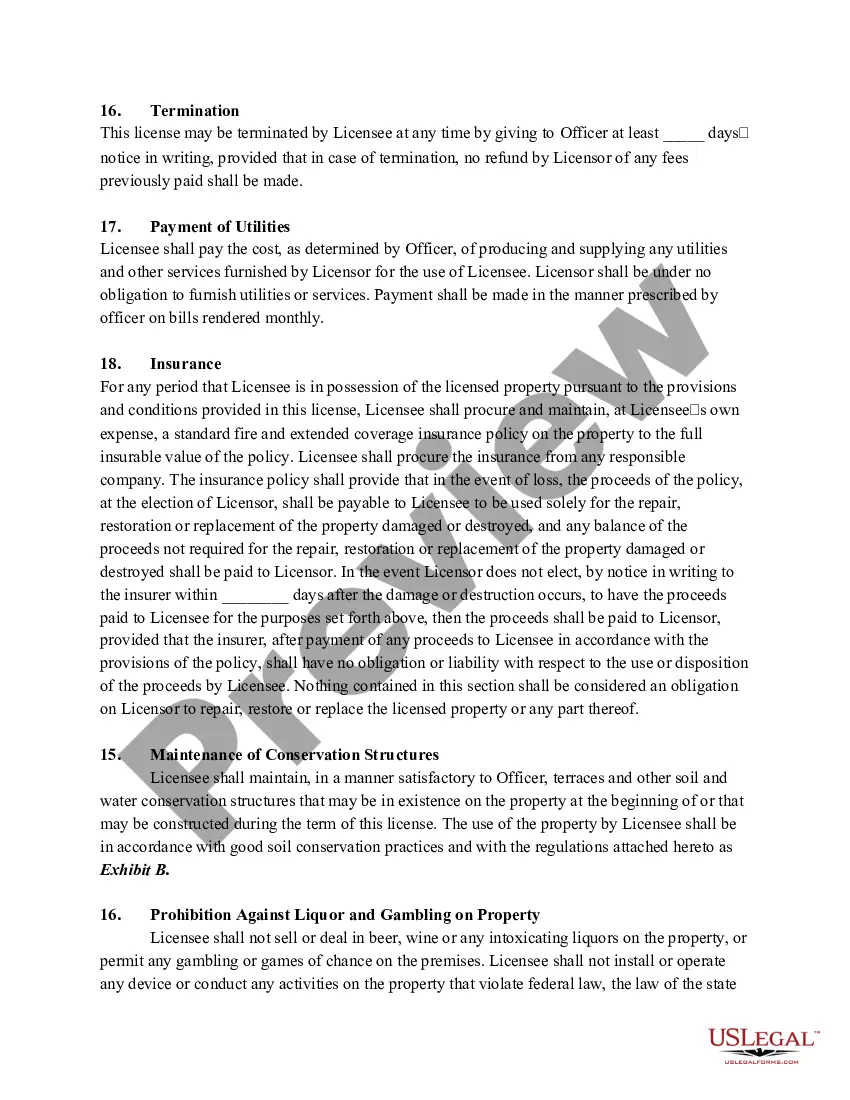
Get your form ready online
Our built-in tools help you complete, sign, share, and store your documents in one place.
Make edits, fill in missing information, and update formatting in US Legal Forms—just like you would in MS Word.
Download a copy, print it, send it by email, or mail it via USPS—whatever works best for your next step.
Sign and collect signatures with our SignNow integration. Send to multiple recipients, set reminders, and more. Go Premium to unlock E-Sign.
If this form requires notarization, complete it online through a secure video call—no need to meet a notary in person or wait for an appointment.
We protect your documents and personal data by following strict security and privacy standards.

Make edits, fill in missing information, and update formatting in US Legal Forms—just like you would in MS Word.

Download a copy, print it, send it by email, or mail it via USPS—whatever works best for your next step.

Sign and collect signatures with our SignNow integration. Send to multiple recipients, set reminders, and more. Go Premium to unlock E-Sign.

If this form requires notarization, complete it online through a secure video call—no need to meet a notary in person or wait for an appointment.

We protect your documents and personal data by following strict security and privacy standards.
Looking for another form?









Form popularity
FAQ
Leasing a liquor license is a suitable option for those taking over existing businesses or opening new businesses in an already licensed location. In most areas, liquor licenses are attached as much to a physical location as to an individual or business.
A: Under the Liquor Control Act, those selling alcoholic beverages at special or outdoor events, where the sale and consumption of alcohol is not prohibited, must obtain a local and state license to sell beer and wine. Hard liquor, or spirits, are not allowed to be sold at these events.
The California Department of Alcoholic Beverage Control issues many licenses to cater to the diverse needs of alcohol-industry businesses. These licenses cover various activities, from retail and online liquor store sales to wholesale distribution, manufacturing, and importation of alcoholic beverages.
Under the Act, the ILCC has the power to issue, suspend, and revoke state liquor licenses and Beverage Alcohol Sellers and Servers Education and Training (BASSET) licenses; inspect and investigate any Illinois establishment where alcoholic liquors are manufactured, distributed, warehoused, or sold; and impose fines for ...
IDOR registration: In Illinois, most businesses will need to register with the Illinois Department of Revenue (IDOR). IDOR issues Certificates of Registration or License. IDOR also licenses and registers certain retailers and businesses.
What are the different liquor class licenses available? Class A licenses allow for on-site consumption with food service. Class B licenses allow for on-site consumption without food service. Class C licenses allow for the retail sale of alcoholic beverages for off-site consumption.
In Illinois, you'll need to get both a state and municipal liquor license. You'll need to first apply with your local municipality; then, you can apply with the State of Illinois. Each municipality will have its requirements for liquor licensure, so be sure to check you're following all of the guidelines.
The Illinois Liquor Control Commission (ILCC) regulates the manufacture, distribution, and retail sale of alcoholic beverages in Illinois, as authorized by the Illinois Liquor Control Act 235 ILCS 5 (“Act”).
While getting an Illinois liquor license can be a rather complicated process, it's an absolute must to make sure you're keeping your patrons, staff, and community safe. To keep your business safe from any unforeseen mishaps, having small business insurance is an absolute must.
