License Lease Agreement In Bronx
Description

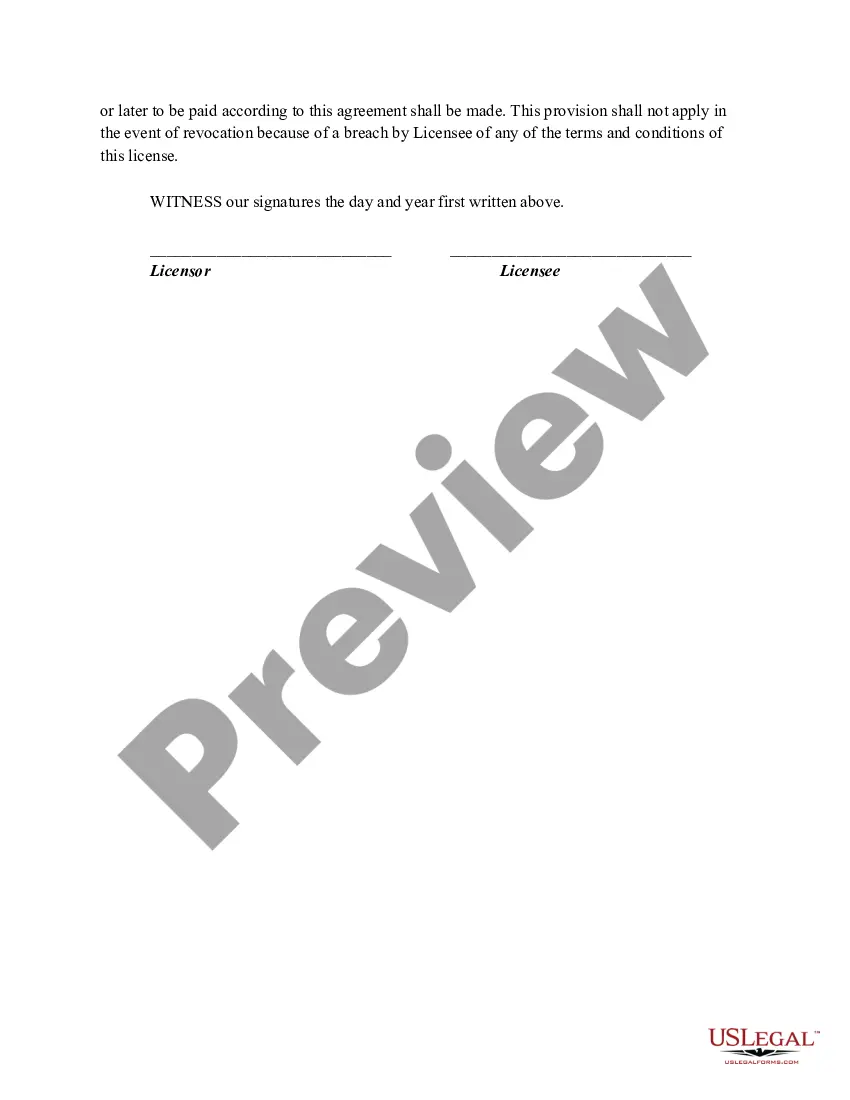
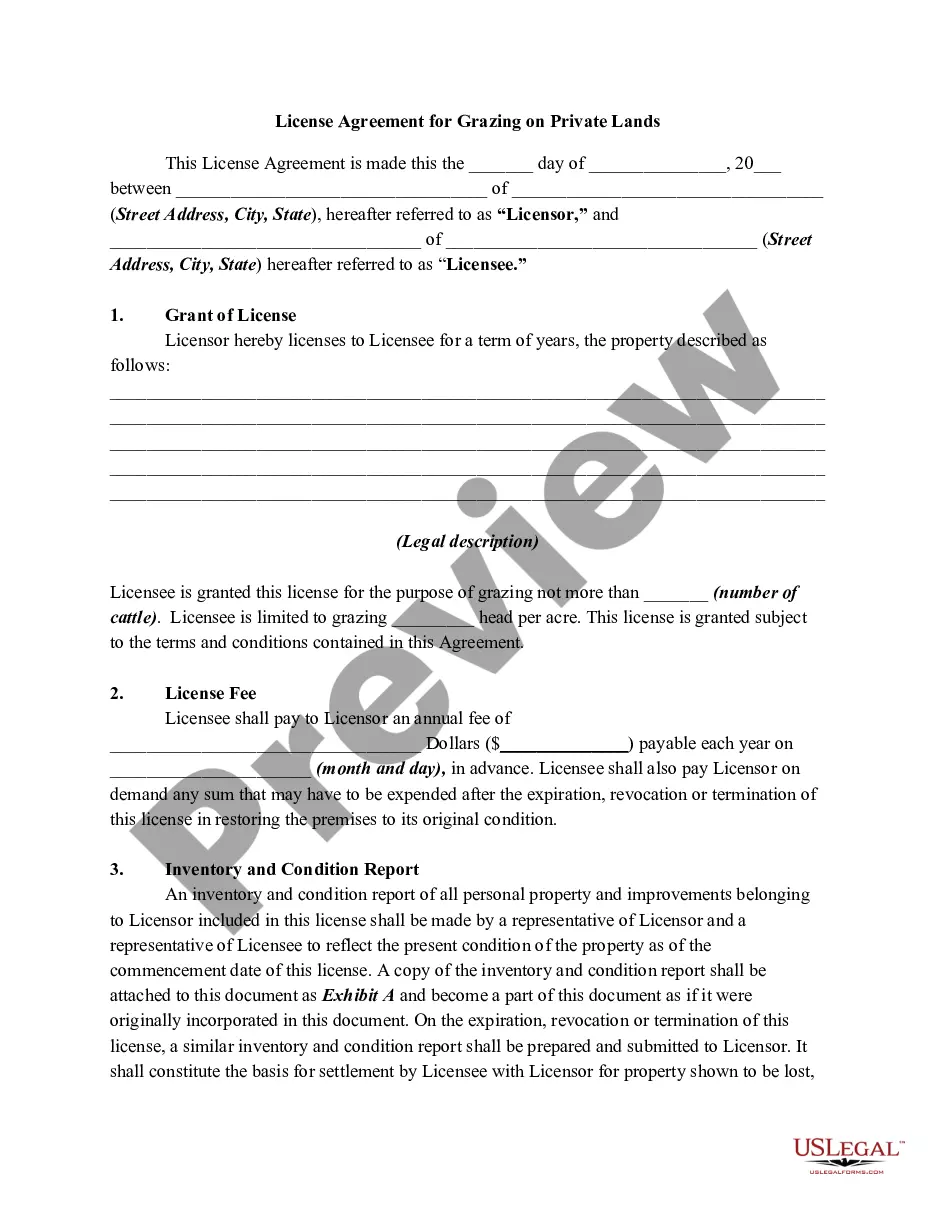
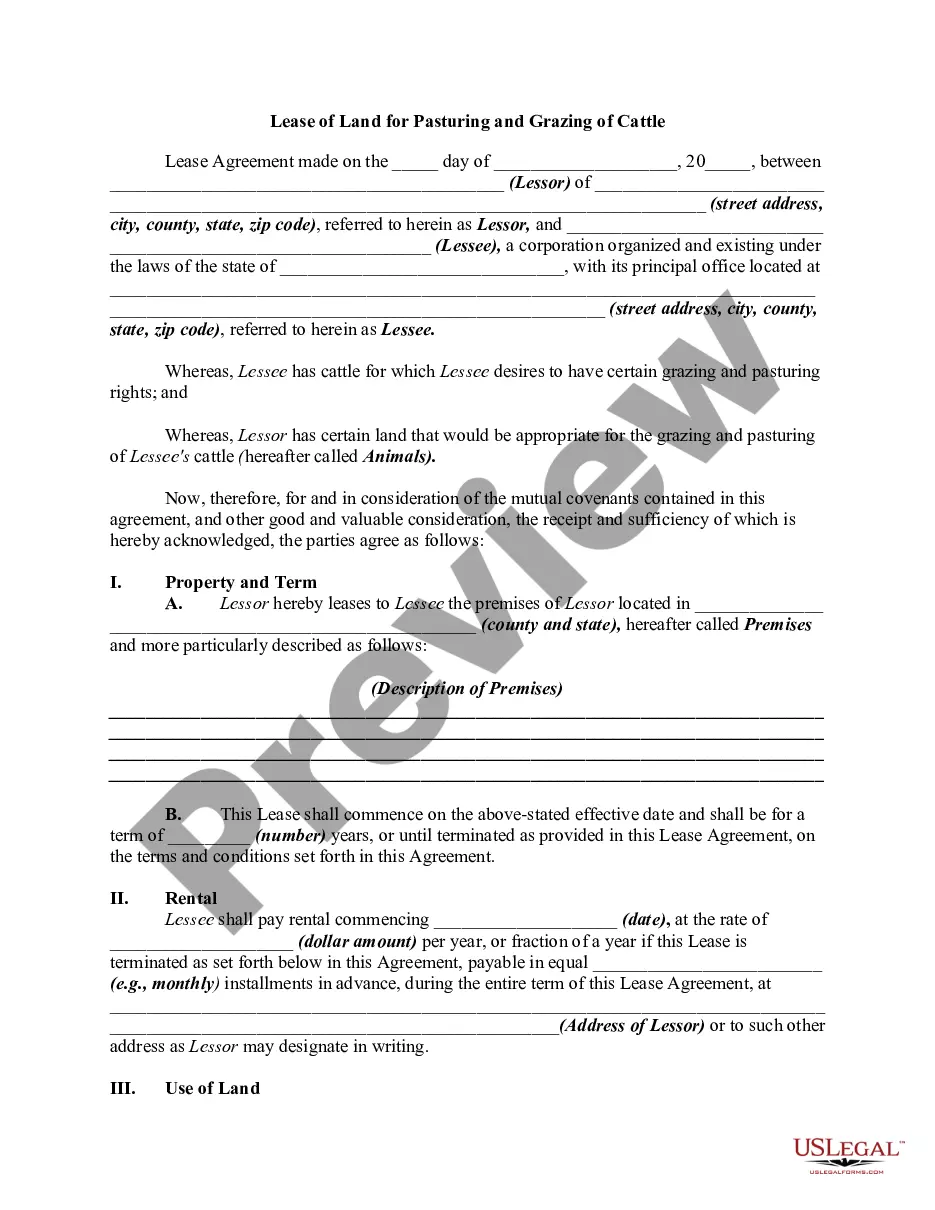
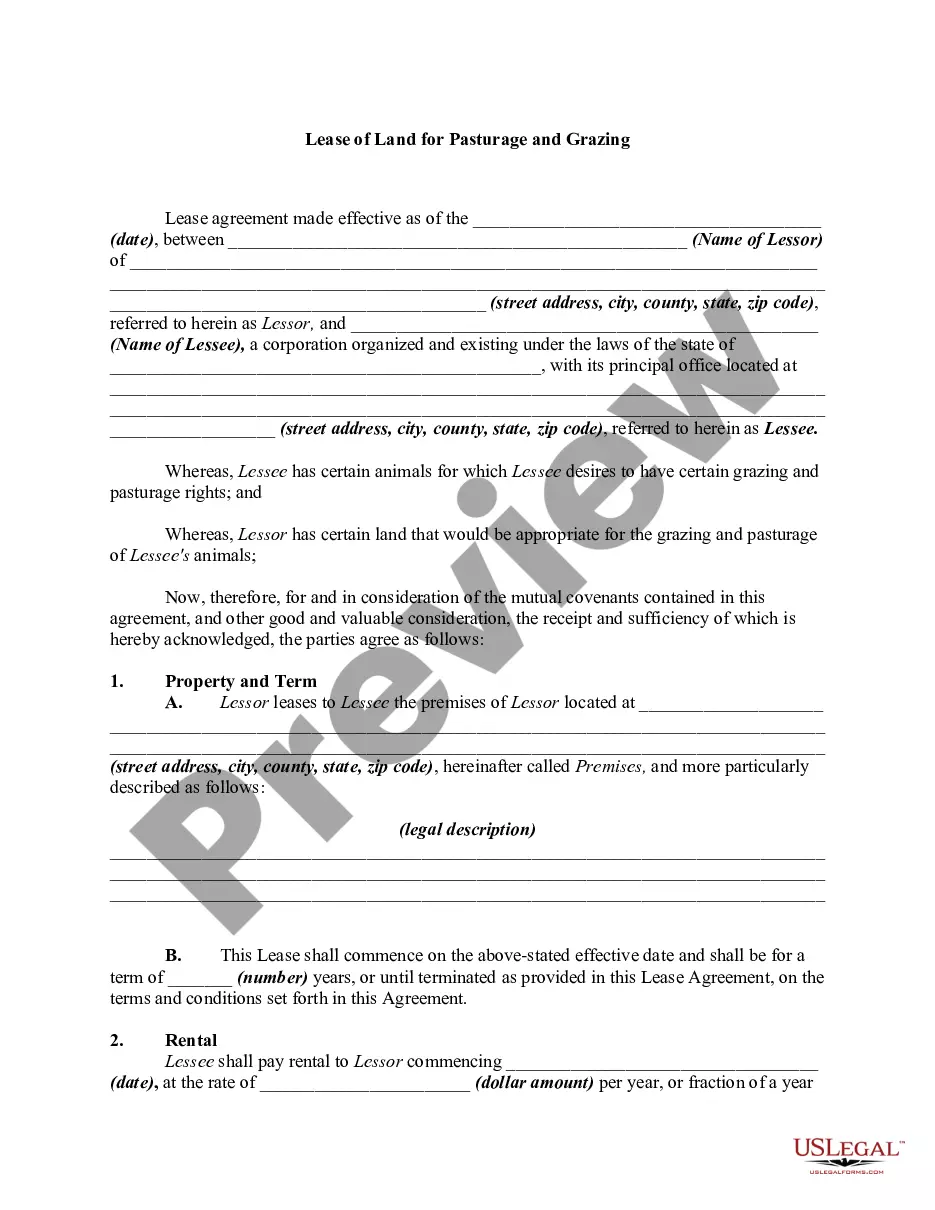
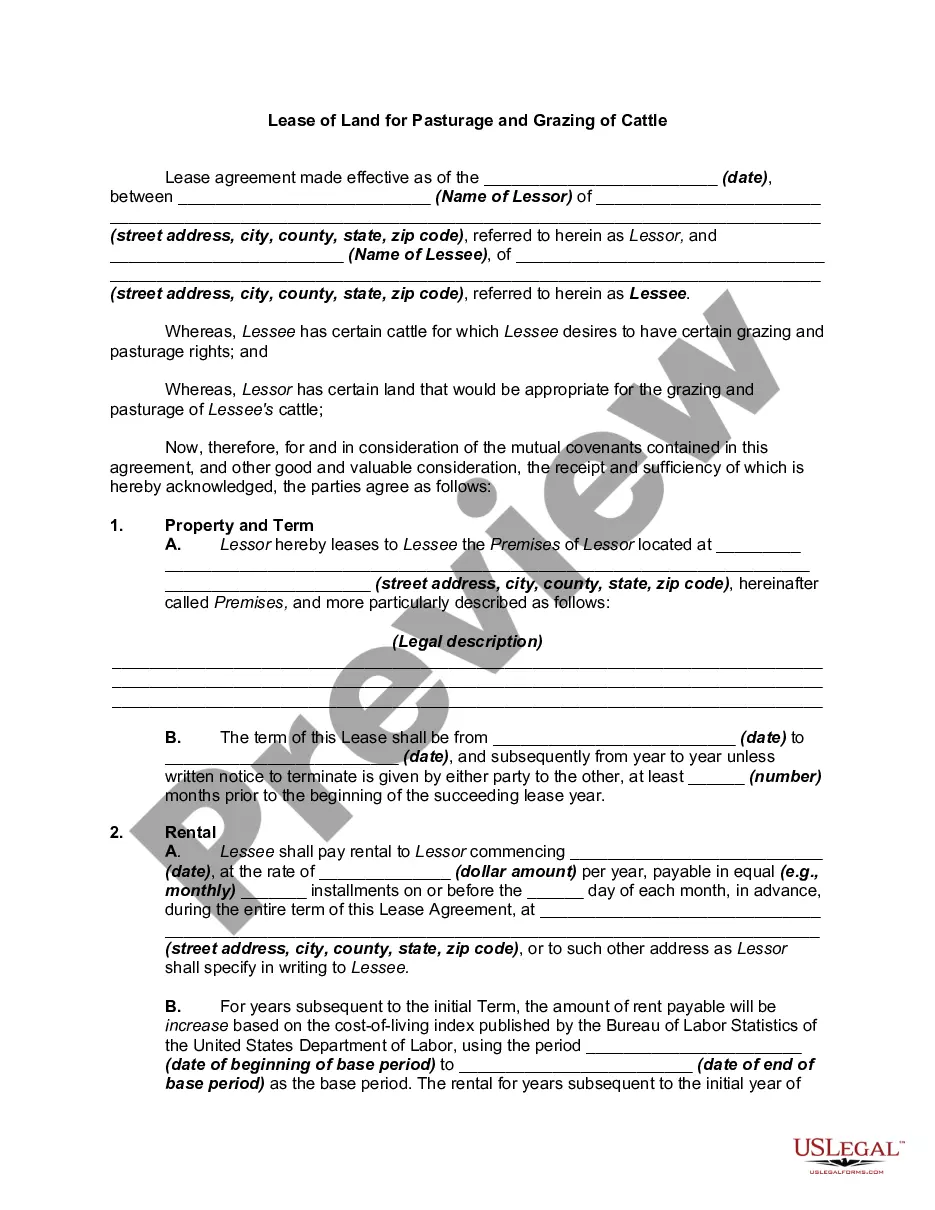
Get your form ready online
Our built-in tools help you complete, sign, share, and store your documents in one place.
Make edits, fill in missing information, and update formatting in US Legal Forms—just like you would in MS Word.
Download a copy, print it, send it by email, or mail it via USPS—whatever works best for your next step.
Sign and collect signatures with our SignNow integration. Send to multiple recipients, set reminders, and more. Go Premium to unlock E-Sign.
If this form requires notarization, complete it online through a secure video call—no need to meet a notary in person or wait for an appointment.
We protect your documents and personal data by following strict security and privacy standards.

Make edits, fill in missing information, and update formatting in US Legal Forms—just like you would in MS Word.

Download a copy, print it, send it by email, or mail it via USPS—whatever works best for your next step.

Sign and collect signatures with our SignNow integration. Send to multiple recipients, set reminders, and more. Go Premium to unlock E-Sign.

If this form requires notarization, complete it online through a secure video call—no need to meet a notary in person or wait for an appointment.

We protect your documents and personal data by following strict security and privacy standards.
Looking for another form?










Form popularity
FAQ
Do leases in NY need to be notarized? No, lease agreements do not need to be notarized in New York. As leases are considered similar to standard contracts valid in the state, notarization is not required.
The tenancy agreement should include: the deposit amount and how it will be protected. when the deposit can be fully or partly withheld, for example to repair damage caused by tenants. the property address. the start and end date of the tenancy. any tenant or landlord obligations. which bills your tenants are responsible for.
A memorandum of lease thus entitled to be recorded shall contain at least the following information with respect to the lease: the name of the lessor and the name of the lessee and the addresses, if any, set forth in the lease as addresses of such parties; a reference to the lease, with its date of execution; a ...
A gross lease, also known as a full-service lease, is the most common type of commercial lease agreement. In this type of lease, the lessee is responsible for paying the base rent and the lessor generally handles any other building expenses, such as utilities, maintenance costs, taxes, and insurance.
Fixed-Term or Long-Term Lease Agreement These are usually 12-15 months long (or another period of time depending on the landlord). It's common for landlords to gravitate toward a fixed-term lease as it is guaranteed stable income for a longer time compared with short-term leases.
New York City rent stabilized tenants are entitled to receive a fully executed copy of their signed lease from their landlords within 30 days of the landlord's receipt of the lease signed by the tenant. The lease's beginning and ending dates must be stated.
By law in NY, landlord cannot use the security deposit as last month's rent. But it's very important for you to communicate your plan and engage with the landlord. Security deposit is specifically for damage and not rent.
At the beginning of their tenancy, all tenants can be required to give their landlord a security deposit, but it is limited to no more than one month's rent. The one-month limit means that a landlord cannot ask for last month's rent and a security deposit.
