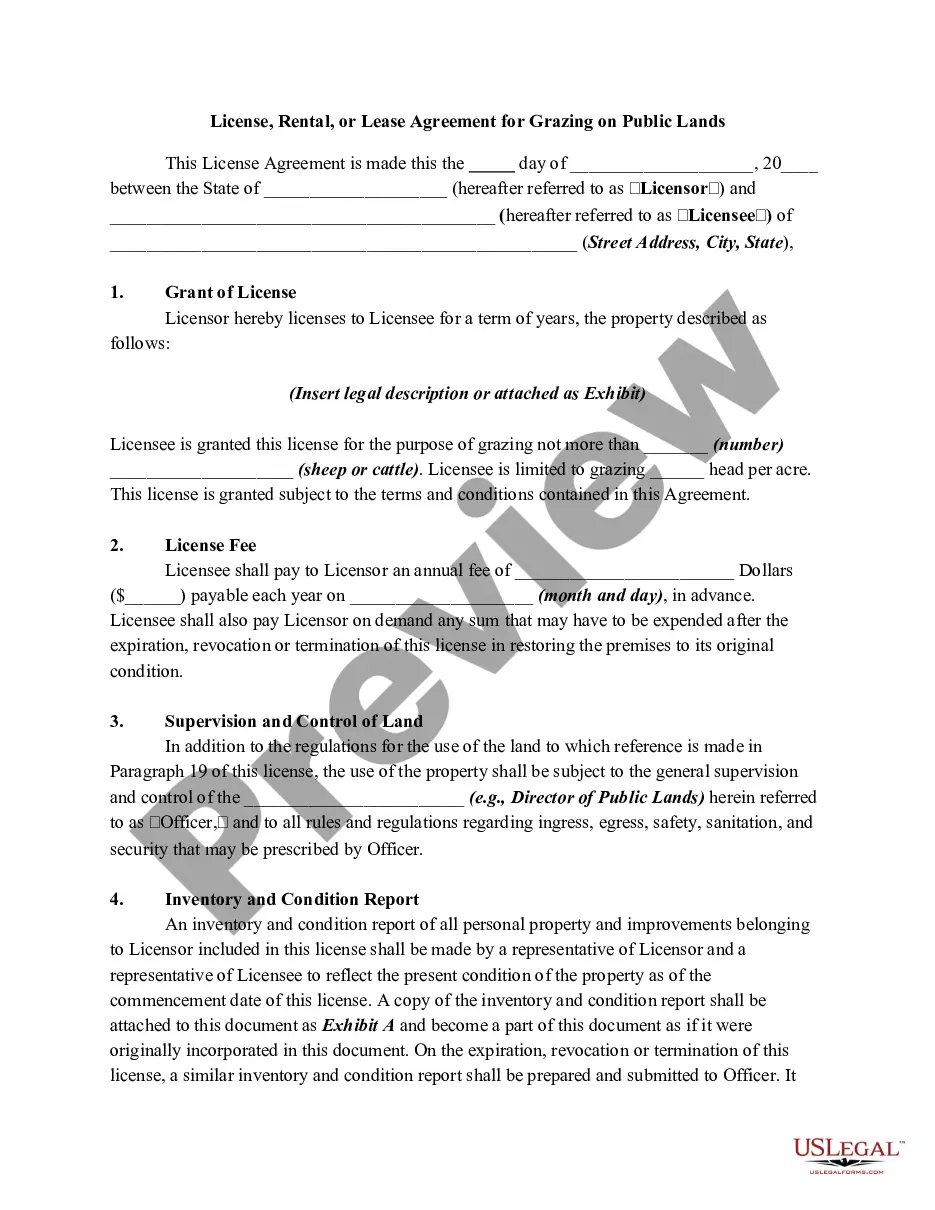
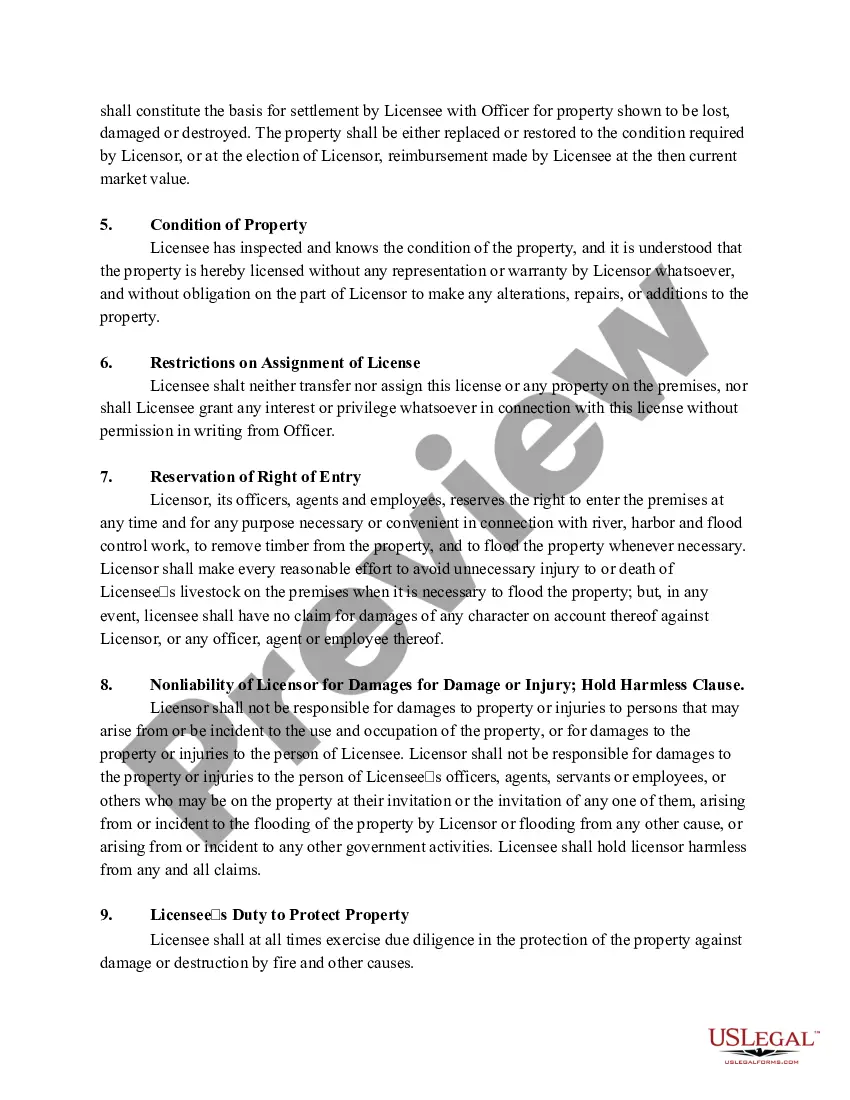
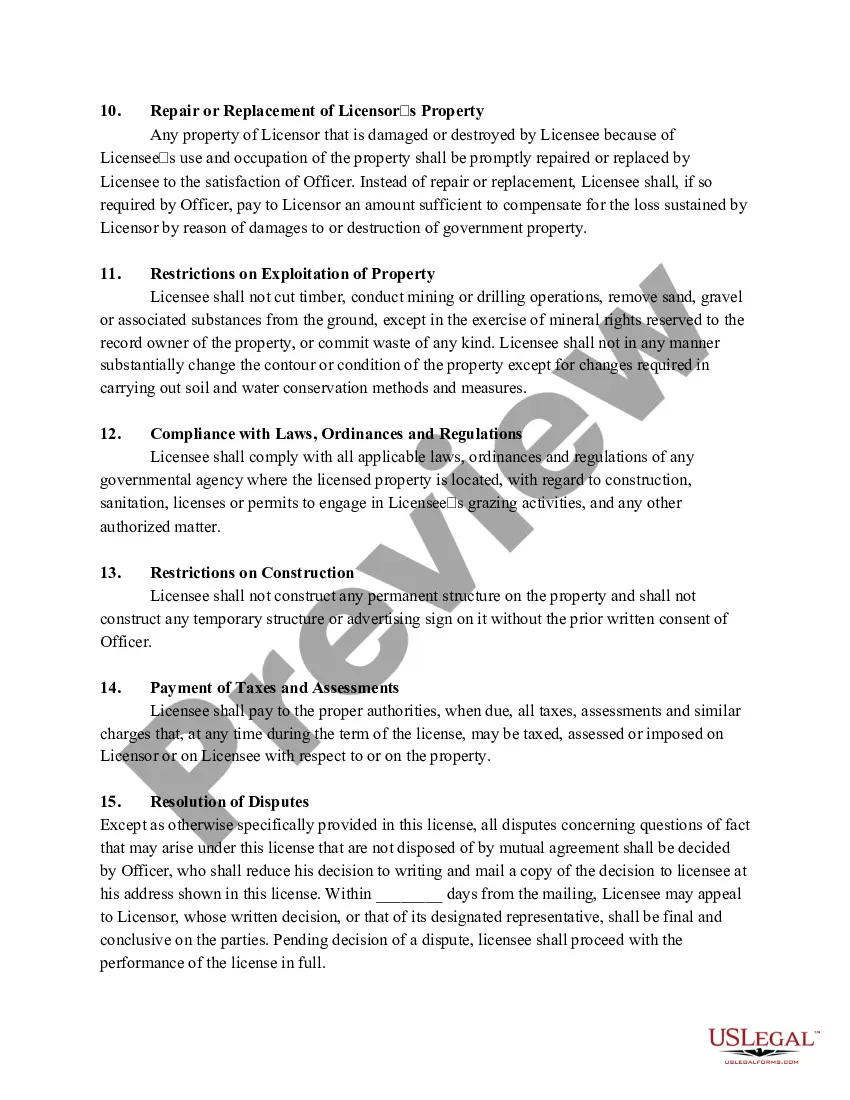
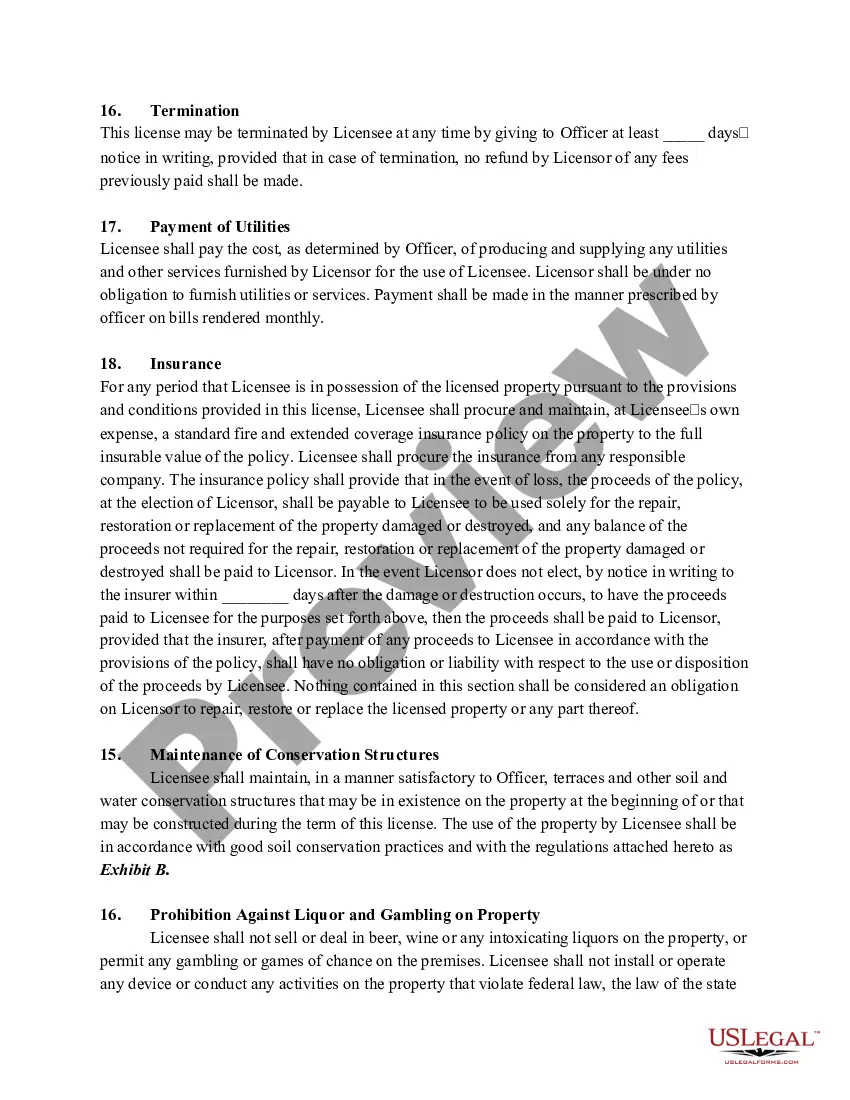
Lease License For Alterations In Bronx
Description
Get your form ready online
Our built-in tools help you complete, sign, share, and store your documents in one place.
Make edits, fill in missing information, and update formatting in US Legal Forms—just like you would in MS Word.
Download a copy, print it, send it by email, or mail it via USPS—whatever works best for your next step.
Sign and collect signatures with our SignNow integration. Send to multiple recipients, set reminders, and more. Go Premium to unlock E-Sign.
If this form requires notarization, complete it online through a secure video call—no need to meet a notary in person or wait for an appointment.
We protect your documents and personal data by following strict security and privacy standards.

Make edits, fill in missing information, and update formatting in US Legal Forms—just like you would in MS Word.

Download a copy, print it, send it by email, or mail it via USPS—whatever works best for your next step.

Sign and collect signatures with our SignNow integration. Send to multiple recipients, set reminders, and more. Go Premium to unlock E-Sign.

If this form requires notarization, complete it online through a secure video call—no need to meet a notary in person or wait for an appointment.

We protect your documents and personal data by following strict security and privacy standards.
Looking for another form?









Form popularity
FAQ
Assign a Lease A tenant may not assign the lease without the landlord's written con- sent. The landlord may withhold consent without cause. If the landlord reasonably refuses consent, the tenant cannot assign and is not entitled to be released from the Lease.
The lessee receives an interest in the property for that set term, and such interest is not revocable at will by the lessor (unless expressly provided for in the lease). In contrast, a license typically grants a right or privilege to conduct one or more activi- ties of a temporary nature on the licensor's property.
An alteration is anything which is an addition or change to the property, within the boundary of the property or its gas, electrical or water supply. Under the terms of your tenancy agreement, you must contact us for written permission before you make any alterations to your home.
The alterations clause in the lease will set out what the tenant can and cannot do, and on what basis. A typical clause will prohibit some types of alterations altogether, for example structural changes or work that alters the external appearance of a building.
As a tenant, you have a right to make improvements to your home. However, this must only be carried out once we have granted permission. An alteration is anything which is an addition or change to the property or its gas, electrical or water supply.
IFRS 16 defines a lease modification as “a change in the scope of a lease, or the consideration for a lease, that was not part of the original terms and conditions of the lease.” A lease modification results from renegotiations between the lessee and lessor.
Landlords may not take the law into their own hands and evict a tenant by use of force or unlawful means. For example, a landlord cannot use threats of violence, remove a tenant's possessions, lock the tenant out of the apartment, or willfully discontinue essential services such as water or heat.
The alterations clause of a lease outlines the tenant's rights and obligations when undertaking any alteration work on the premises. The alterations clause also outlines the procedure the tenant must follow to secure the landlord's consent to any proposed alterations.
If work has been performed without a permit and an applicant seeks a permit for the unpermitted work before a notice of violation is issued, the penalty for such unpermitted work is $600 when performed on a one-family or two-family dwelling or $6,000 when performed on a building other than a one-family or two-family ...
Permitting Timelines We have found that depending on the complexity and usage of your structure you can anticipate an average of 6-12 months to gather information, submit documentation, and obtain your building permits.
