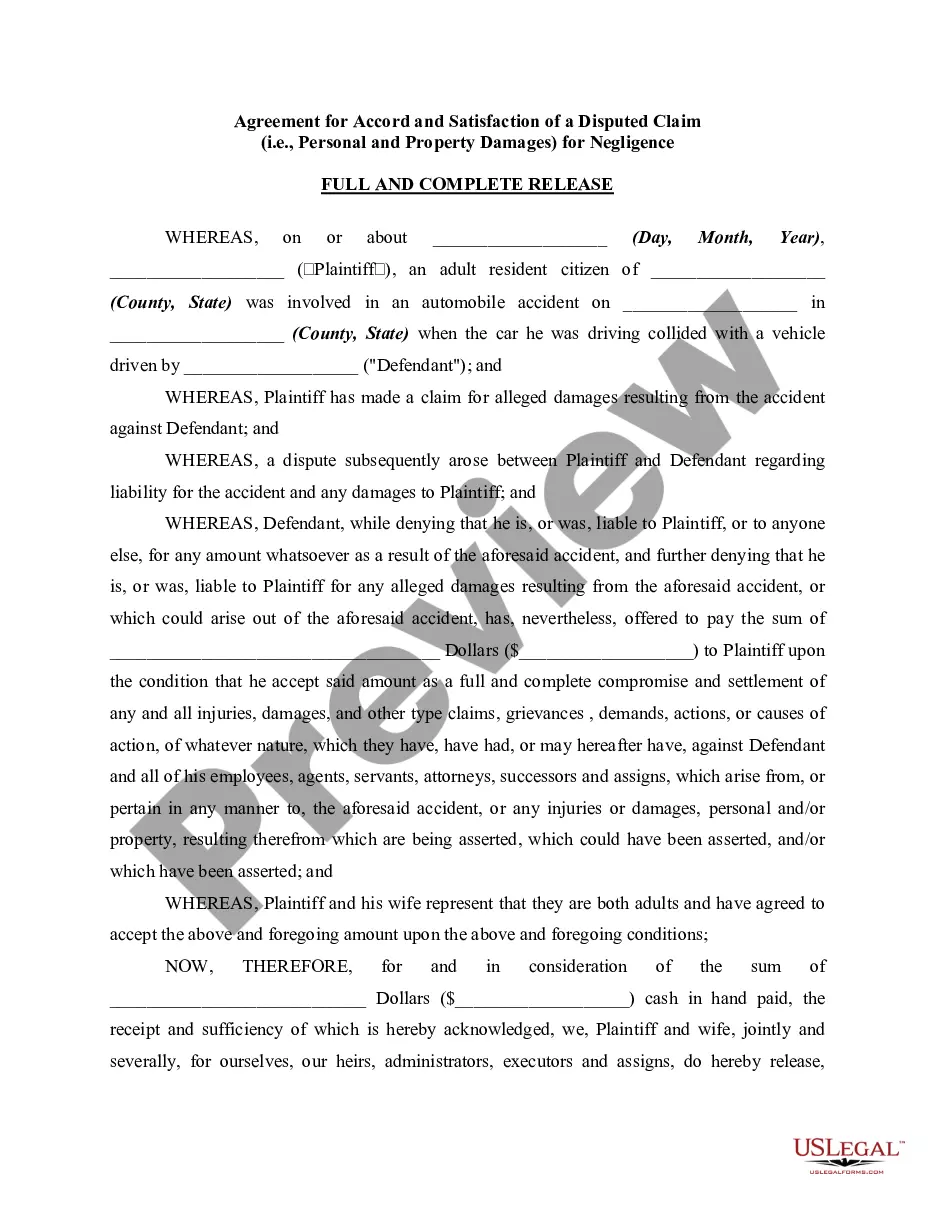
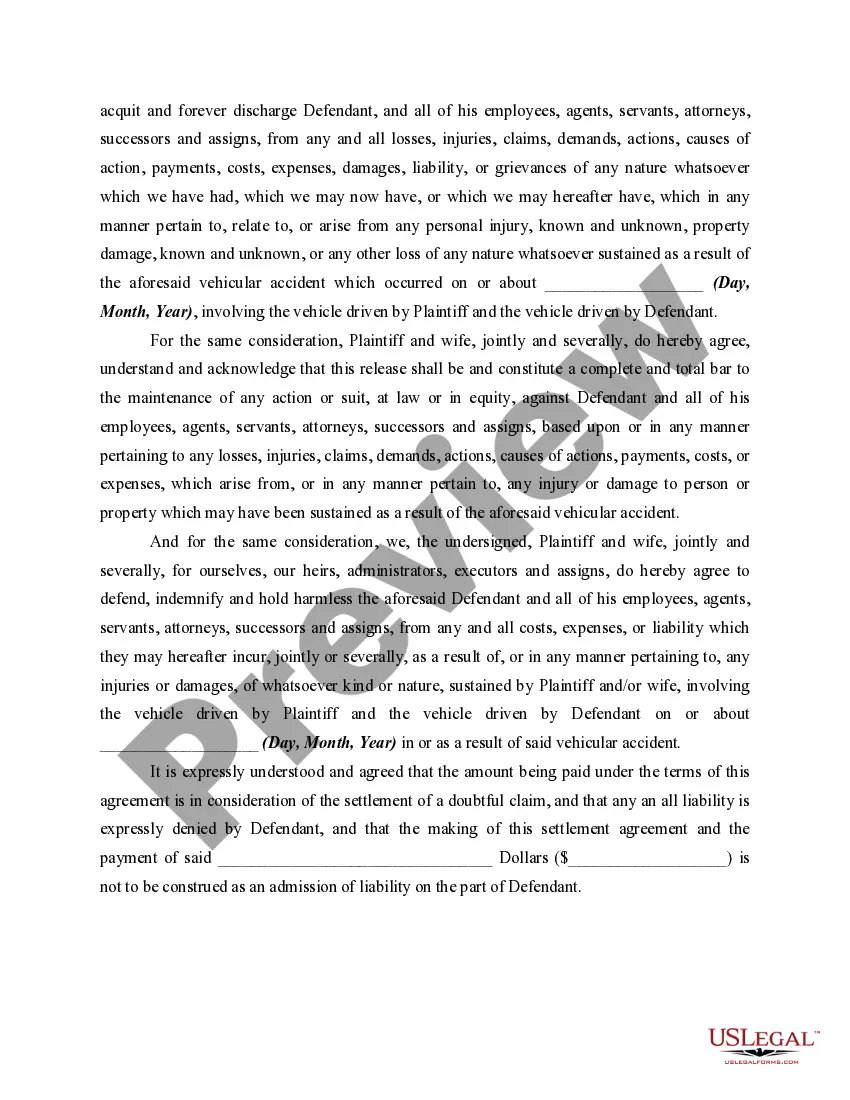
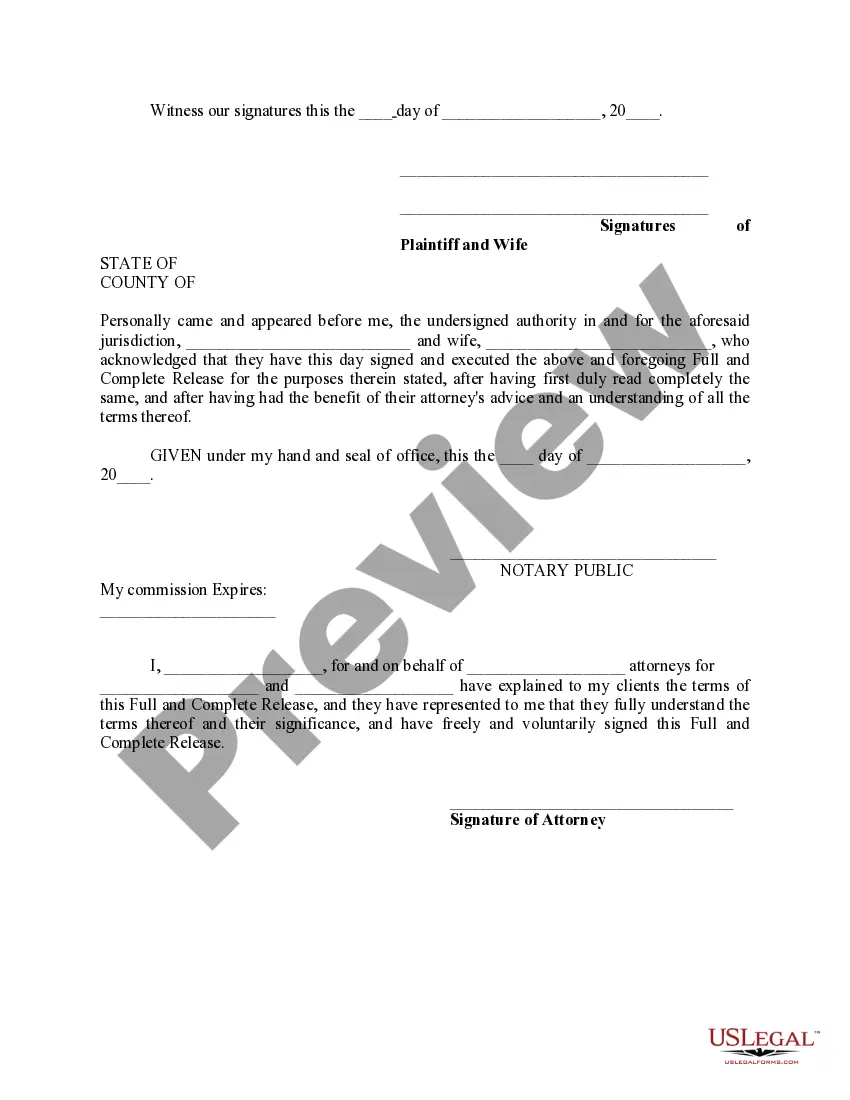
Personal Property Damages For Rent In Wayne
Description

Get your form ready online
Our built-in tools help you complete, sign, share, and store your documents in one place.
Make edits, fill in missing information, and update formatting in US Legal Forms—just like you would in MS Word.
Download a copy, print it, send it by email, or mail it via USPS—whatever works best for your next step.
Sign and collect signatures with our SignNow integration. Send to multiple recipients, set reminders, and more. Go Premium to unlock E-Sign.
If this form requires notarization, complete it online through a secure video call—no need to meet a notary in person or wait for an appointment.
We protect your documents and personal data by following strict security and privacy standards.

Make edits, fill in missing information, and update formatting in US Legal Forms—just like you would in MS Word.

Download a copy, print it, send it by email, or mail it via USPS—whatever works best for your next step.

Sign and collect signatures with our SignNow integration. Send to multiple recipients, set reminders, and more. Go Premium to unlock E-Sign.

If this form requires notarization, complete it online through a secure video call—no need to meet a notary in person or wait for an appointment.

We protect your documents and personal data by following strict security and privacy standards.
Looking for another form?





Form popularity
FAQ
Under Philippine law, landlords are not permitted to forcibly remove a tenant's personal belongings, even if the tenant is in arrears for rent payment, whether for three days or longer. The principle of peaceful possession recognizes that only the courts can order dispossession, ensuring respect for due process.
Unlike wear and tear, accidental damage is often more immediate and noticeable. Examples of accidental damage include: Broken windows or glass. Holes in walls or doors.
Section 7 of the Rent Control Act specifies that: The landlord must serve a formal notice to the tenant at least three months (90 days) before the intended date of eviction. This gives the tenant ample time to search for alternative accommodation.
ARTICLE 416. The following things are deemed to be personal property: (1) Those movables susceptible of appropriation which are not included in the preceding article; (2) Real property which by any special provision of law is considered as personalty; (3) Forces of nature which are brought under control by science; and.
Yes, the owner/lessor may offer a rent-to-own agreement to the tenant, evidenced by a written agreement, which shall eventually transfer ownership of the property to the latter. A lease under a rent-to-own scheme is not covered by the Rent Control Act, thus the parties can agree on the monthly rent.
Tenants in the Philippines, especially those with long-term occupancy of agricultural lands, have robust legal rights, including the potential for land ownership under certain conditions. The rights are anchored in the principles of security of tenure, fair rent, and due process in cases of eviction.
The landlord's unauthorized interference with a tenant's personal belongings constitutes a serious infringement upon the tenant's rights under Philippine law. Tenants are entitled to peaceful possession of their leased premises and to the security of their personal property.
