Personal Property Damages For Rent In Texas
Description
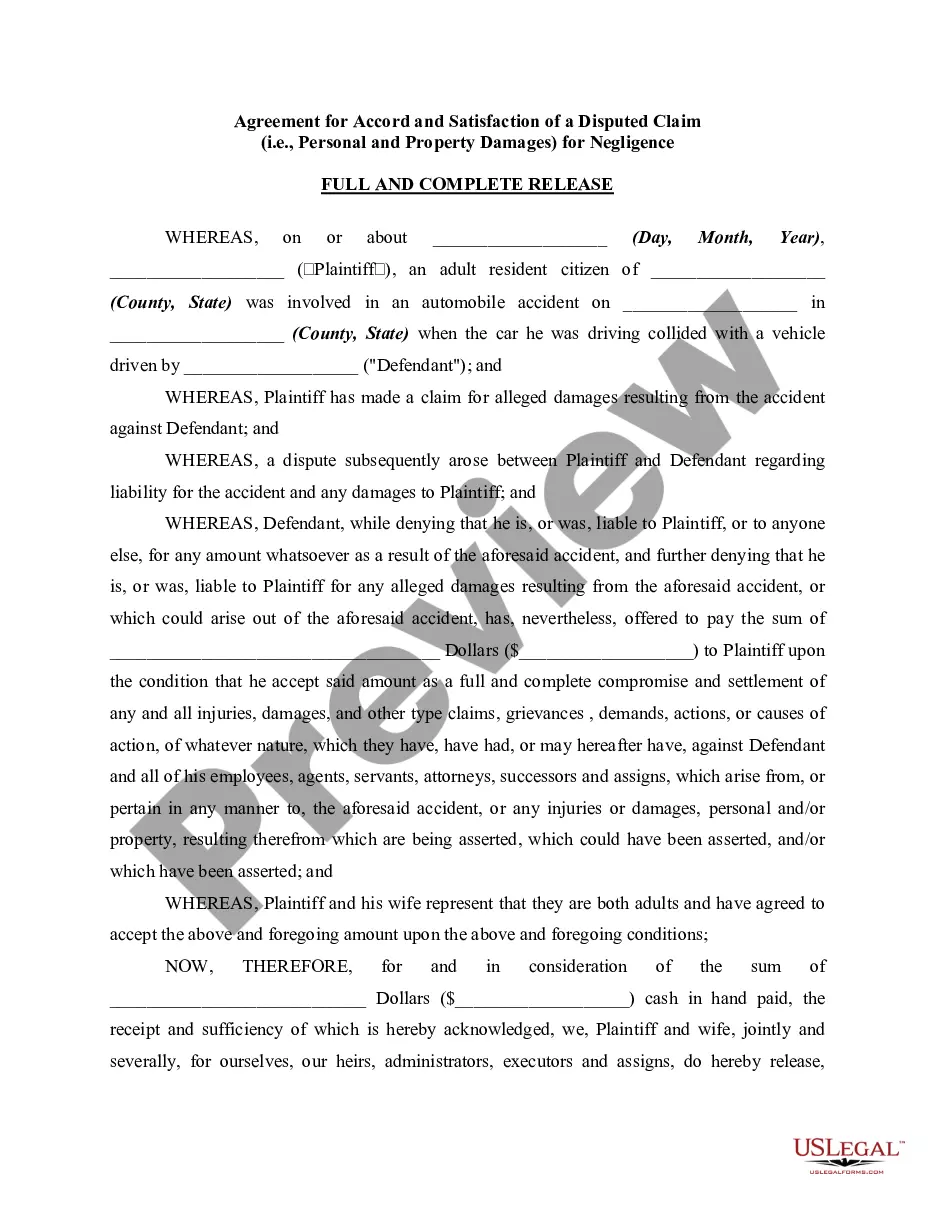
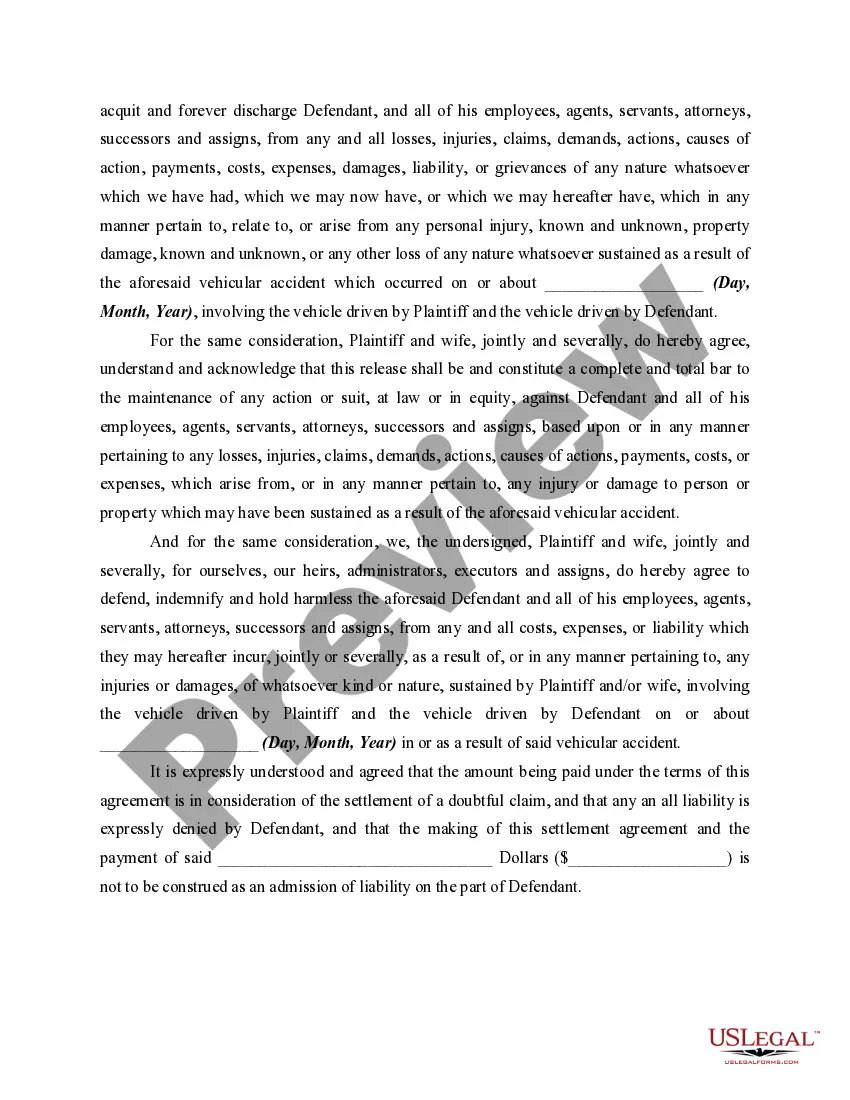
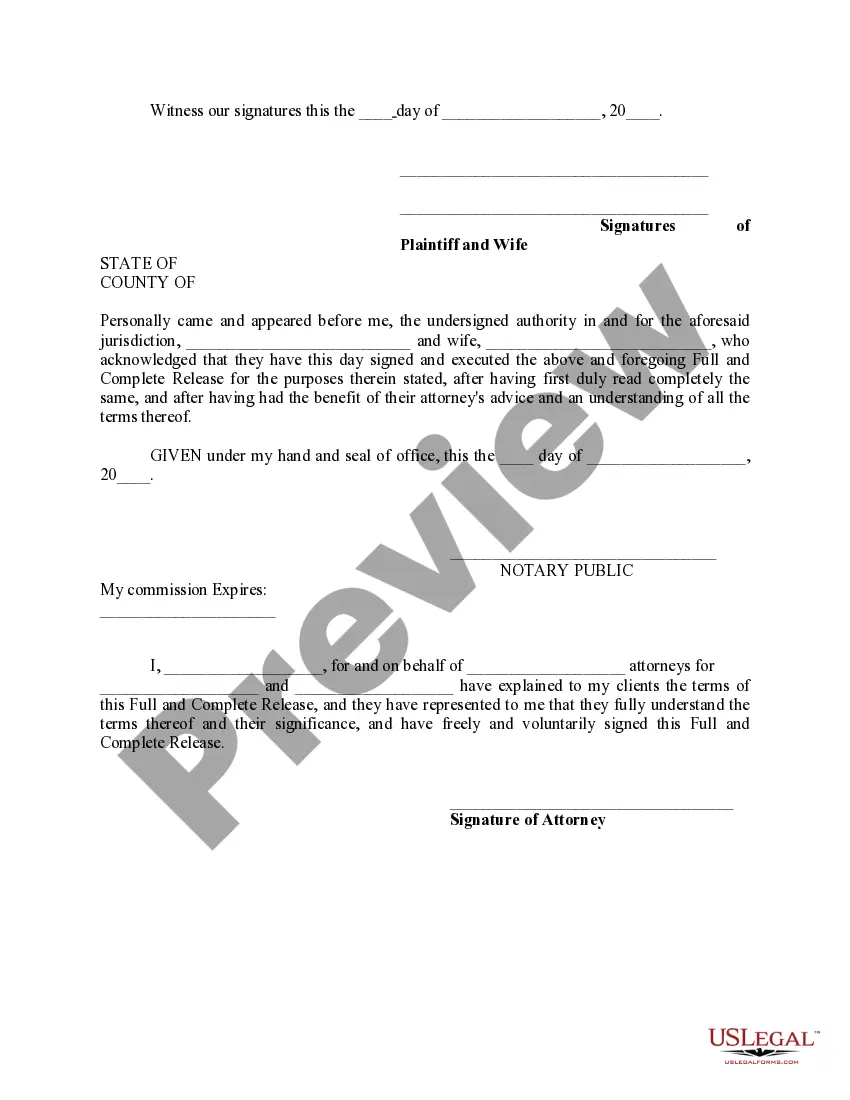

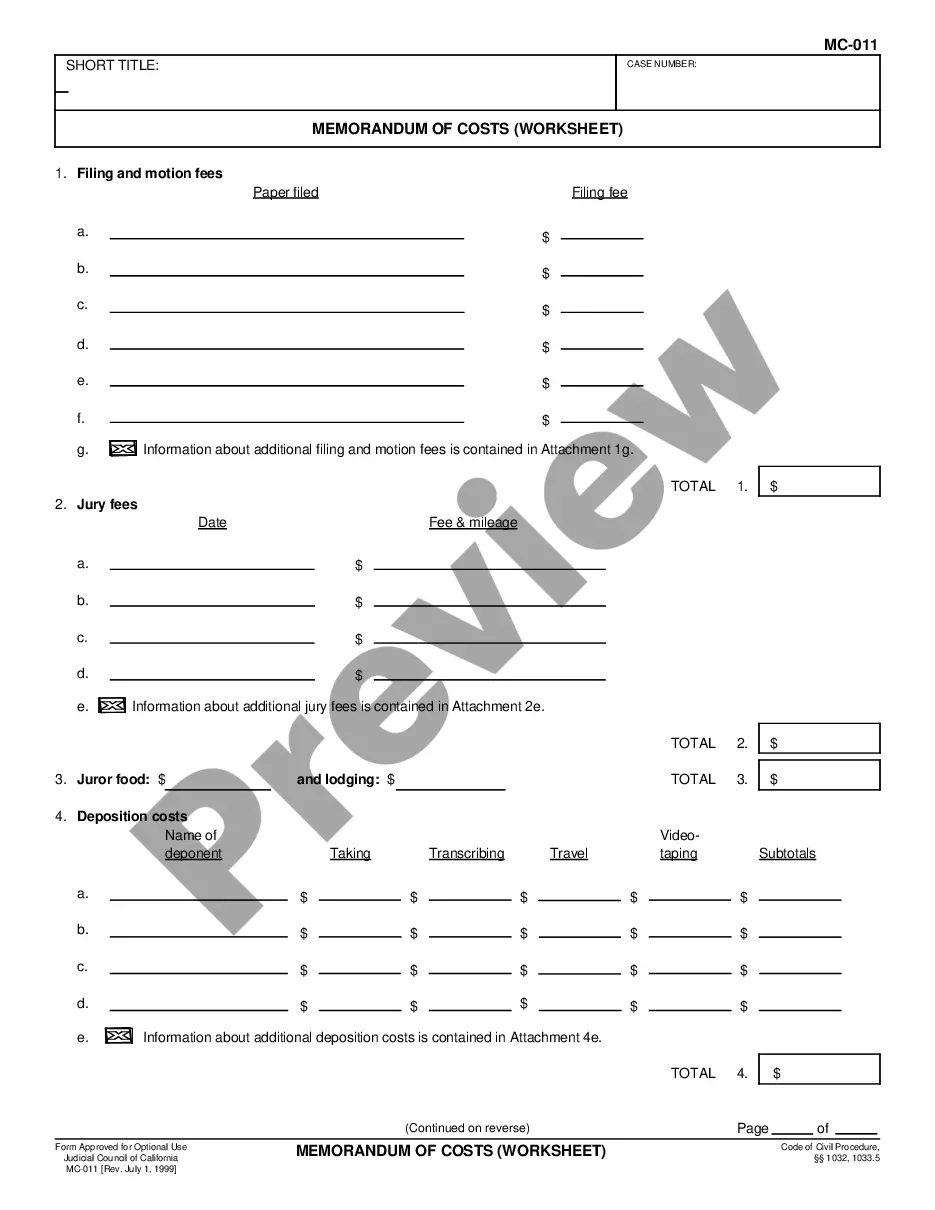
Get your form ready online
Our built-in tools help you complete, sign, share, and store your documents in one place.
Make edits, fill in missing information, and update formatting in US Legal Forms—just like you would in MS Word.
Download a copy, print it, send it by email, or mail it via USPS—whatever works best for your next step.
Sign and collect signatures with our SignNow integration. Send to multiple recipients, set reminders, and more. Go Premium to unlock E-Sign.
If this form requires notarization, complete it online through a secure video call—no need to meet a notary in person or wait for an appointment.
We protect your documents and personal data by following strict security and privacy standards.

Make edits, fill in missing information, and update formatting in US Legal Forms—just like you would in MS Word.

Download a copy, print it, send it by email, or mail it via USPS—whatever works best for your next step.

Sign and collect signatures with our SignNow integration. Send to multiple recipients, set reminders, and more. Go Premium to unlock E-Sign.

If this form requires notarization, complete it online through a secure video call—no need to meet a notary in person or wait for an appointment.

We protect your documents and personal data by following strict security and privacy standards.
Looking for another form?








Form popularity
FAQ
In Texas, landlords have the legal authority to sue their tenants for damages to their rental property under specific conditions. However, certain principles and processes must be followed to pursue legal action properly.
While some may think the tenant is completely responsible, this is not always true. In Texas, landlords have the legal authority to sue their tenants for damages to their rental property under specific conditions. However, certain principles and processes must be followed to pursue legal action properly.
Property damage claims are covered by the Texas statute of limitations. You must file a property damage claim within two years from the date the damage occurred.
If you are evicted, you are given time and notice to get your belongings out of the residence. If you fail to do so, those belongings can be put out for trash, or donated. If they are left by the curb, you, or anyone, can claim them.
Sec. 54.044. SEIZURE OF PROPERTY. (a) The landlord or the landlord's agent may not seize exempt property and may seize nonexempt property only if it is authorized by a written lease and can be accomplished without a breach of the peace.
After an Eviction After the tenant loses the eviction suit, the landlord can get a writ of possession that requires the tenant to leave the rental. A law enforcement officer will execute the writ and remove the tenant and their personal property from the rental.
There are no state laws that regulate landlord's entry in Texas. However, your lease agreement may allow your landlord to enter under certain circumstances. The lease may or may not require prior notice to the tenant. It may also authorize other people to enter, like maintenance staff or prospective buyers.
"Personal property" in Texas refers to items that a person owns. These things can be tangible—like a vehicle or household furniture—or intangible, like intellectual property. Personal property is not attached to real property and can be moved.
Unlike wear and tear, accidental damage is often more immediate and noticeable. Examples of accidental damage include: Broken windows or glass. Holes in walls or doors.
