Personal Property Damages For Rent In Montgomery
Description
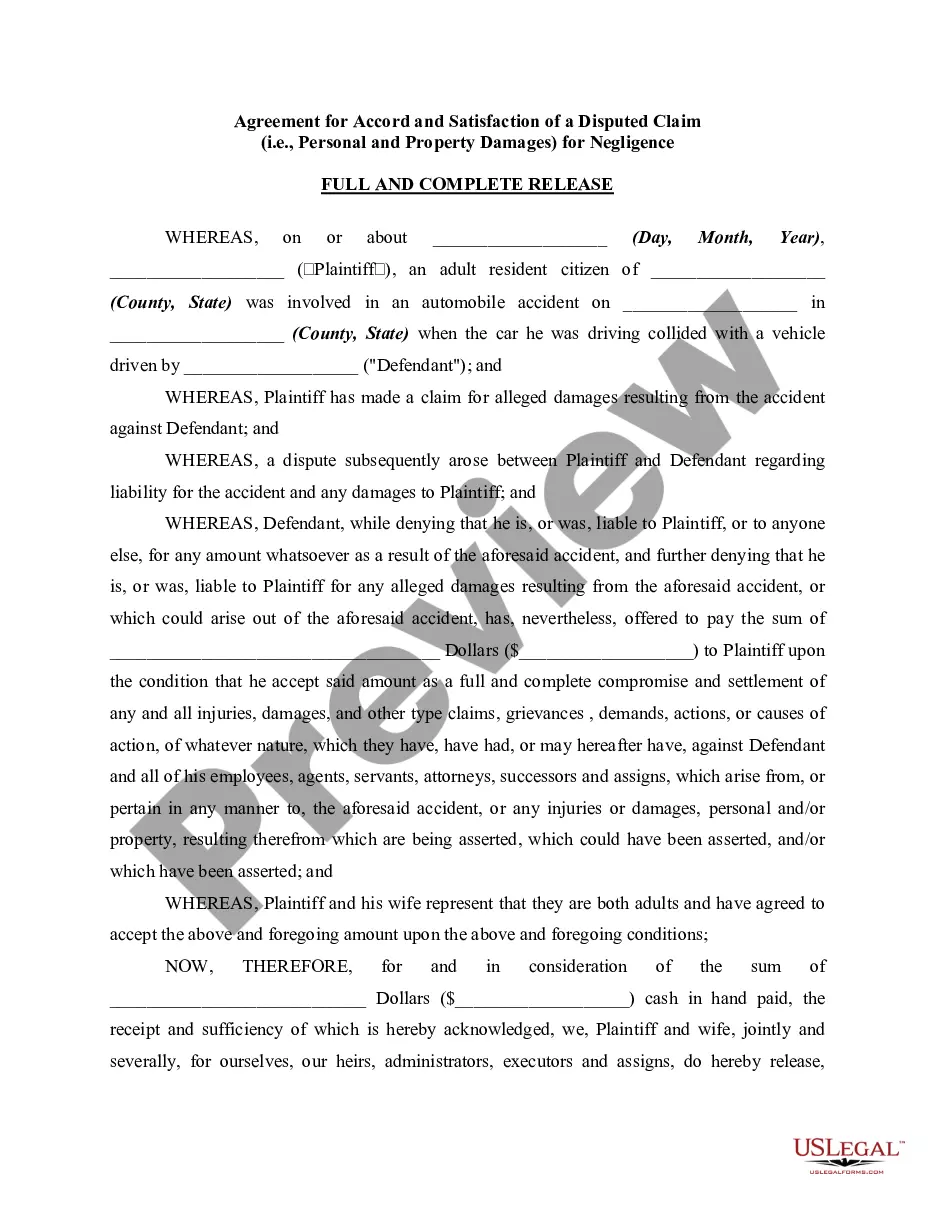

Get your form ready online
Our built-in tools help you complete, sign, share, and store your documents in one place.
Make edits, fill in missing information, and update formatting in US Legal Forms—just like you would in MS Word.
Download a copy, print it, send it by email, or mail it via USPS—whatever works best for your next step.
Sign and collect signatures with our SignNow integration. Send to multiple recipients, set reminders, and more. Go Premium to unlock E-Sign.
If this form requires notarization, complete it online through a secure video call—no need to meet a notary in person or wait for an appointment.
We protect your documents and personal data by following strict security and privacy standards.

Make edits, fill in missing information, and update formatting in US Legal Forms—just like you would in MS Word.

Download a copy, print it, send it by email, or mail it via USPS—whatever works best for your next step.

Sign and collect signatures with our SignNow integration. Send to multiple recipients, set reminders, and more. Go Premium to unlock E-Sign.

If this form requires notarization, complete it online through a secure video call—no need to meet a notary in person or wait for an appointment.

We protect your documents and personal data by following strict security and privacy standards.
Looking for another form?




Form popularity
FAQ
Normal Wear & Tear Examples Peeling, faded, or ed paint, including ceiling paint. Holes in the wall, including nail holes and pins. s in the walls. Cabinet doors sticking.
Generally speaking, “ordinary wear and tear” includes small scratches, marks, or scuffs on walls or floors from moving furniture or just living in the property normally. Tenants are not responsible for repairing, or paying for, ordinary wear and tear.
While there are general definitions for each, local landlord-tenant laws often dictate how these situations are classified and addressed. When put simply, wear and tear refers to the gradual, unavoidable deterioration of a rental property caused by regular use, such as faded paint or minor scuffs.
“Ordinary wear and tear” is a phrase that means damage to property from regular use, which occurs naturally over time.
Ordinary wear and tear is deteriorafion that occurs without negligence, carelessness or abuse of the premises, equipment, furnishings or appliances by the tenant, a member of the household or other people on the premises with the tenant's consent.
The following is a list of rental damages that are classified as normal wear and tear in Maryland: Faded paint. Torn wallpaper. A few nail holes in the wall.
In the context of residential lettings, fair wear and tear means damage to carpets, decorations, fixtures, fittings and furniture that would reasonably be expected during a tenancy. If certain items were worn at the start of the tenancy, but are now damaged, this may be fair wear and tear.
