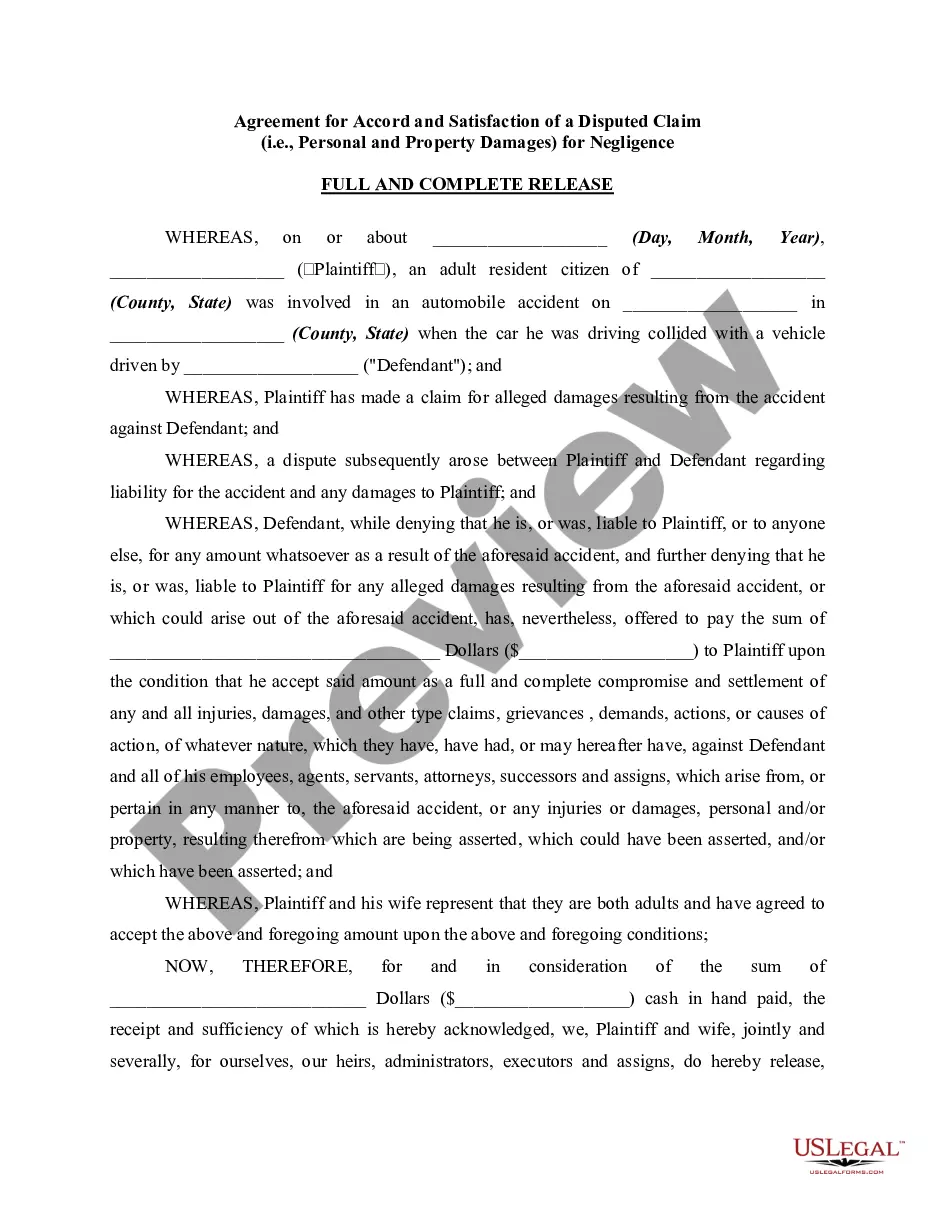
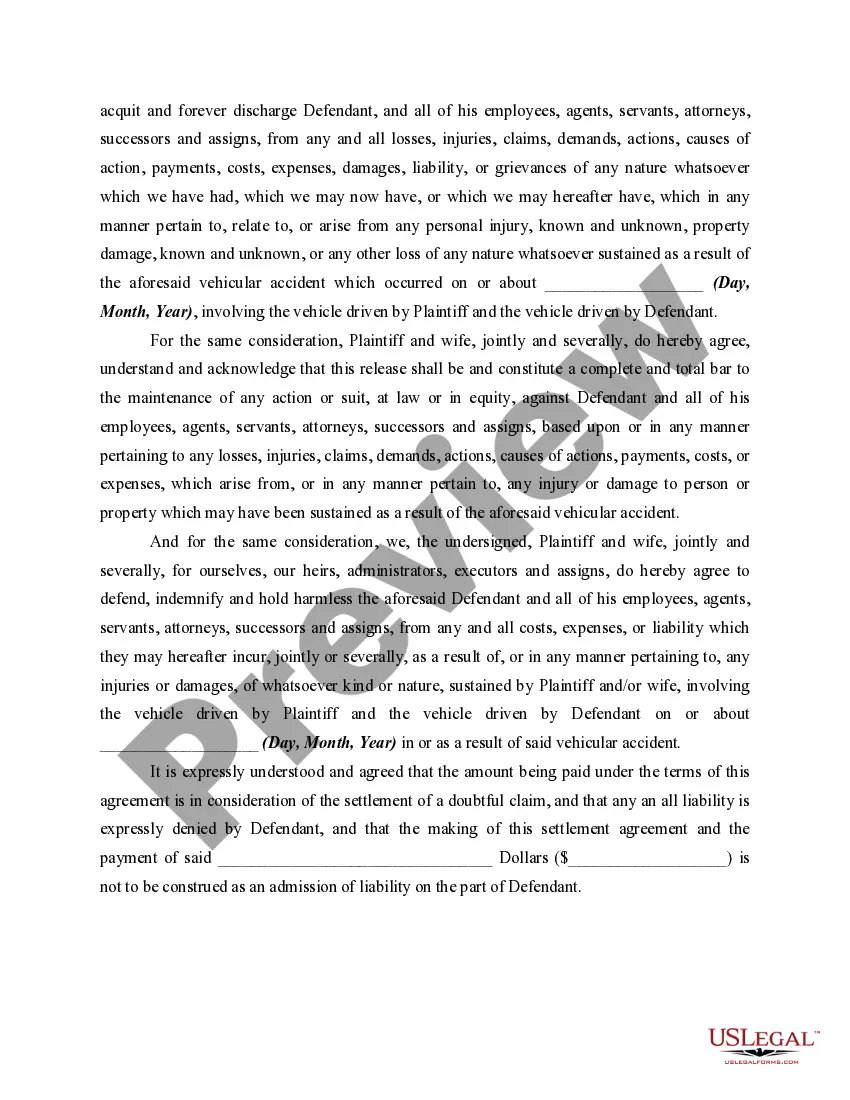
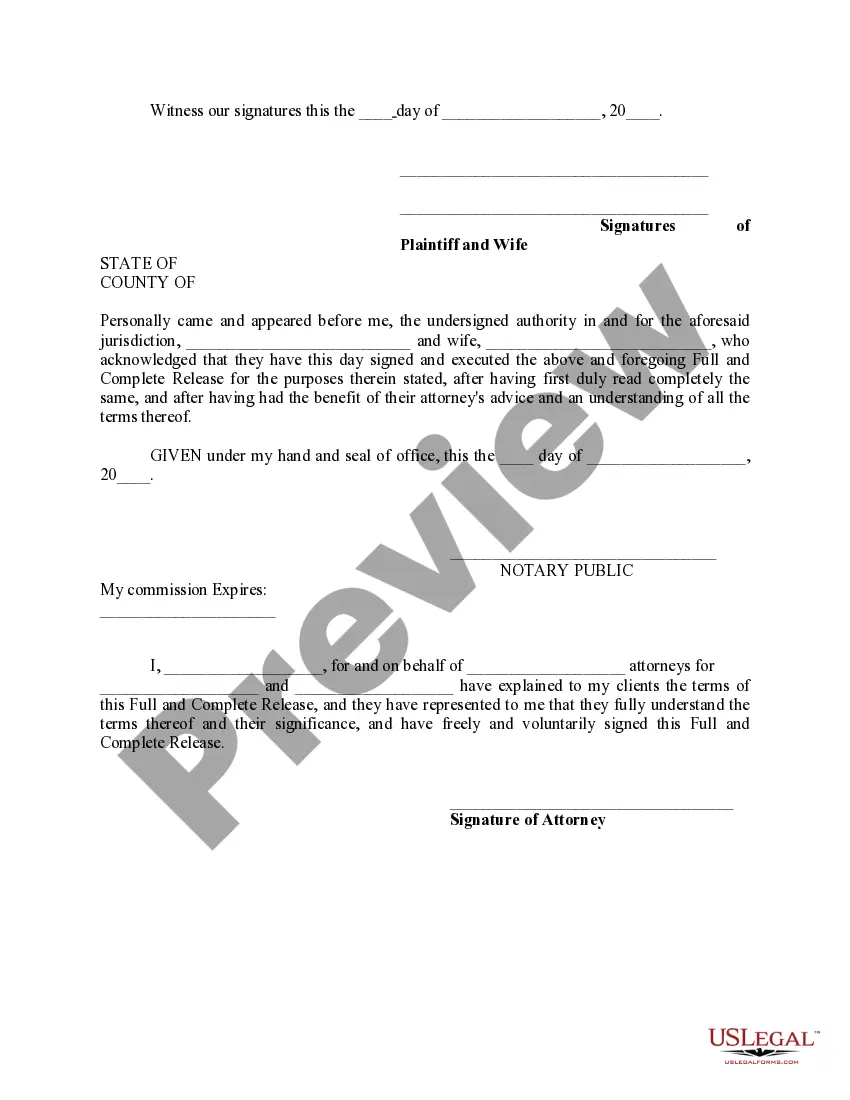
Personal Property Damages For Rent In Fulton
Description

Get your form ready online
Our built-in tools help you complete, sign, share, and store your documents in one place.
Make edits, fill in missing information, and update formatting in US Legal Forms—just like you would in MS Word.
Download a copy, print it, send it by email, or mail it via USPS—whatever works best for your next step.
Sign and collect signatures with our SignNow integration. Send to multiple recipients, set reminders, and more. Go Premium to unlock E-Sign.
If this form requires notarization, complete it online through a secure video call—no need to meet a notary in person or wait for an appointment.
We protect your documents and personal data by following strict security and privacy standards.

Make edits, fill in missing information, and update formatting in US Legal Forms—just like you would in MS Word.

Download a copy, print it, send it by email, or mail it via USPS—whatever works best for your next step.

Sign and collect signatures with our SignNow integration. Send to multiple recipients, set reminders, and more. Go Premium to unlock E-Sign.

If this form requires notarization, complete it online through a secure video call—no need to meet a notary in person or wait for an appointment.

We protect your documents and personal data by following strict security and privacy standards.
Looking for another form?









Form popularity
FAQ
You can file a claim for which you are seeking $15,000 or less. If your claim exceeds $15,000 principal, the Magistrate Court does not have jurisdiction (the legal authority) to hear your case, and it must be filed in another court; such as, Superior Court.
Normal wear and tear includes minor damage; small scuffs, tiny nail holes, and scratches. Worn and slightly stained carpet, broken hinges, and other insignificant damage can also be considered wear and tear. As the owner, you may not appreciate having to paint your property in between every tenant.
Residential landlords have a duty to keep a unit in a safe and habitable condition and in good repair.. The landlord must: • Maintain the building structure; • Keep electric, heating and plumbing in working order; and • Exercise ordinary care to keep the unit and access safe for tenants.
Every Georgia landlord has up to 30 days from the day the tenant left the property to return the deposit with an itemized list of deductions via first-class mail. Landlords must inspect the unit within three business days after the lease ends if they want to make the itemized list of damages.
How long does a landlord have to fix something in Georgia? Landlords are responsible for completing necessary repairs. However, Georgia law does not state a specific amount of time a landlord has to fix something.
The maximum amount for which a tenant can sue in Georgia Magistrate Peace Court is $15,000. There is no limit in eviction cases. See the Georgia state court website for more details on small claims lawsuits rules and procedures.
Ing to Georgia landlord-tenant laws and the Federal Fair Housing Act, tenants have the legal right to proper housing, meaning that they must be able to live in a rental unit in good conditions. On the other hand, all tenants in Georgia have the legal right to receive fair treatment from their landlord.
Small Claims Court handles civil cases asking for $12,500 or less.
Small Claims Court Limits for the 50 States StateDollar Limit Georgia $15,000 (no limit in eviction cases). Hawaii $5,000; no limit on landlord-tenant residential security deposit cases. For the return of leased or rented personal property, the property must not be worth more than $5,000. Idaho $5,000 Illinois $10,00047 more rows
The Plaintiff (the one filing the action) must electronically file a sworn statement with the Clerk of Magistrate Court, describing the charges against the Defendant (the person or business against whom the claim is brought). This Statement of Claim provides each party with the reason for the lawsuit.
