Satisfaction Agreement Form In Houston
Description
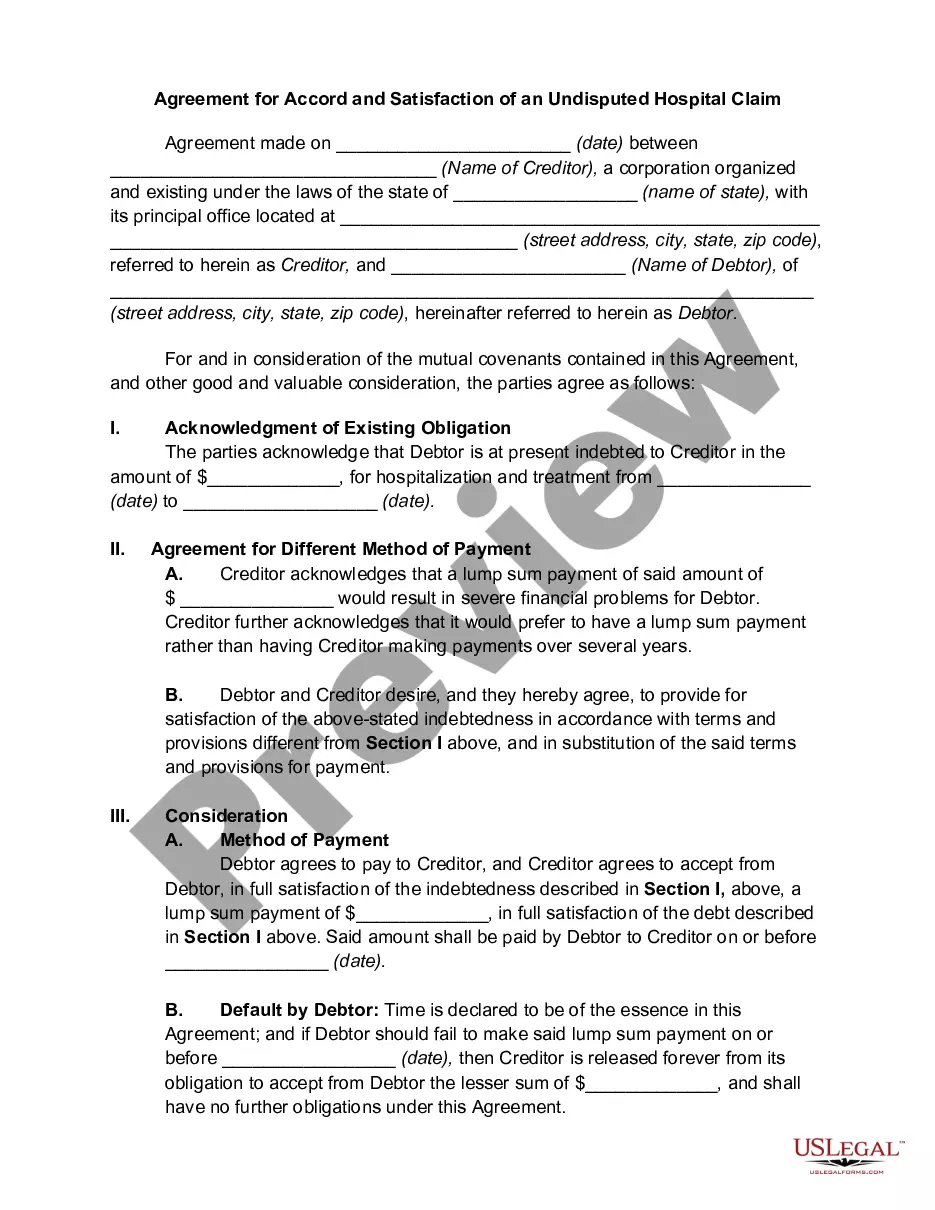
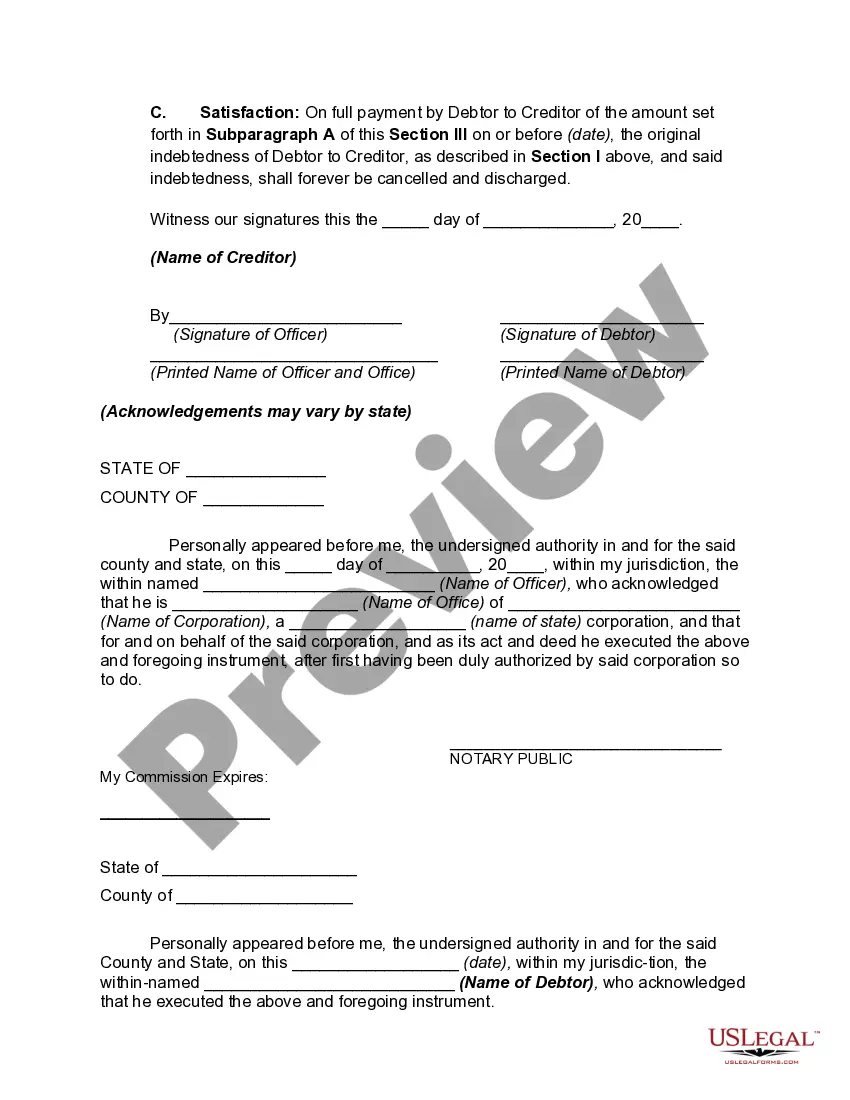

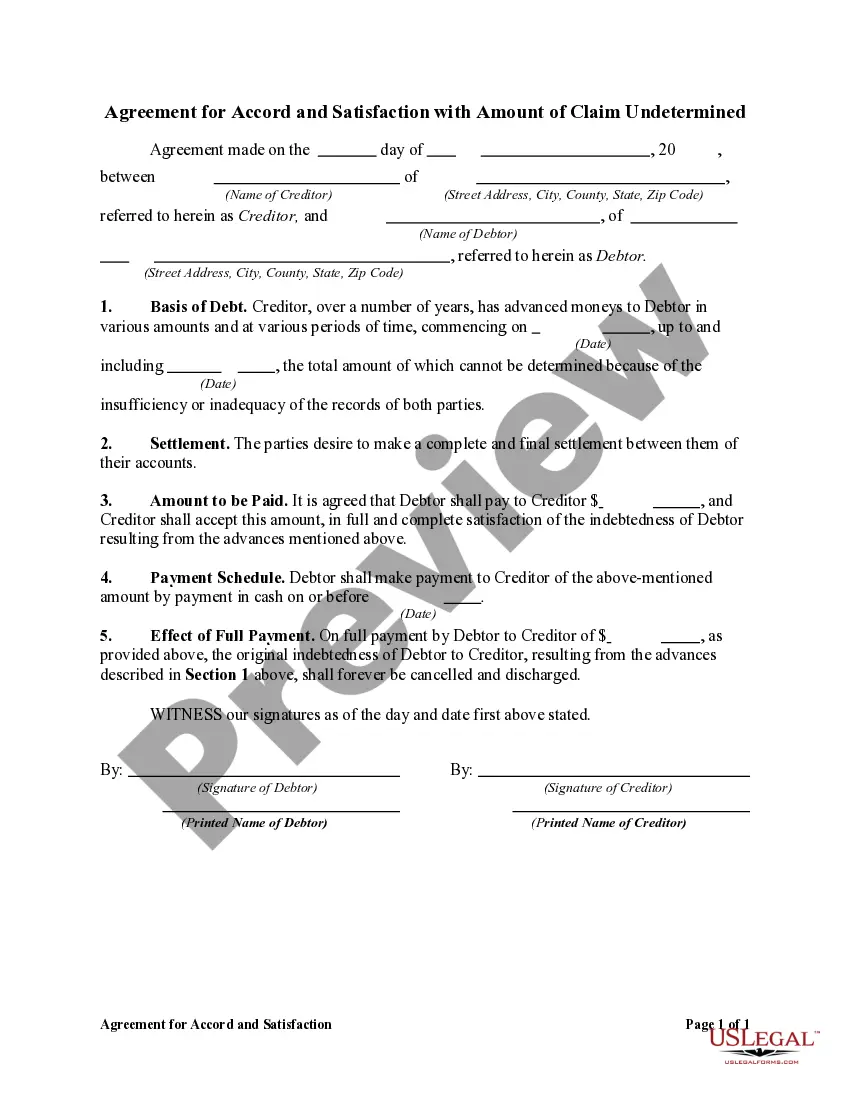
Get your form ready online
Our built-in tools help you complete, sign, share, and store your documents in one place.
Make edits, fill in missing information, and update formatting in US Legal Forms—just like you would in MS Word.
Download a copy, print it, send it by email, or mail it via USPS—whatever works best for your next step.
Sign and collect signatures with our SignNow integration. Send to multiple recipients, set reminders, and more. Go Premium to unlock E-Sign.
If this form requires notarization, complete it online through a secure video call—no need to meet a notary in person or wait for an appointment.
We protect your documents and personal data by following strict security and privacy standards.

Make edits, fill in missing information, and update formatting in US Legal Forms—just like you would in MS Word.

Download a copy, print it, send it by email, or mail it via USPS—whatever works best for your next step.

Sign and collect signatures with our SignNow integration. Send to multiple recipients, set reminders, and more. Go Premium to unlock E-Sign.

If this form requires notarization, complete it online through a secure video call—no need to meet a notary in person or wait for an appointment.

We protect your documents and personal data by following strict security and privacy standards.
Looking for another form?









Form popularity
FAQ
The principle of and satisfaction usually refers to a debtor's offer of payment and a creditor's acceptance of a lesser sum than the creditor claimed. In most contracts, the consideration provided is less than what was negotiated for in the initial contract.
Under Texas law, an and satisfaction defense exists when parties agree to discharge an existing obligation in a manner other than based on the terms of their original contract.
The element “” means an agreement to discharge the debt, while “satisfac- tion” denotes the execution of the agreement 1. A valid and satisfaction will discharge the debt in question.
For example, if a homeowner hires a contractor to paint their house, they may include a contract to satisfaction clause in the agreement. This means that the homeowner has the right to inspect the work and reject it if they are not satisfied with the quality of the paint job.
Under most state law, a valid and satisfaction requires four elements as a minimum, usually, (1) proper subject matter, (2) competent parties, (3) meeting of the minds of the parties and (4) adequate consideration.
They are as follows: Remission or waiver implies accepting a lesser performance of the contract or complete abandonment of the contractual obligations. However, in and satisfaction, the old obligations are replaced by new ones. Waiver or remission does not require consideration.
An and satisfaction is a new agreement that suspends the terms of an existing agreement in favor of a new one. The is the agreement on the new terms of the contract, and the satisfaction is the performance of those terms ing to the agreement.
In Texas, while buyers and sellers can draft their own real estate contract forms, it is highly advisable to seek professional assistance from legal experts, the Texas Real Estate Commission (TREC), or real estate professionals to ensure the document adheres to the intricacies of state laws and provides comprehensive ...
An and satisfaction exists “when parties agree to discharge an existing obligation in a manner other than in ance with the terms of their original contract.” Cleveland Reg'l Med. Ctr., L.P. v. Celtic Properties, L.C., 323 S.W. 3d 322, 335 (Tex.