Denied Claim Agreement With Canada In Wake
Description
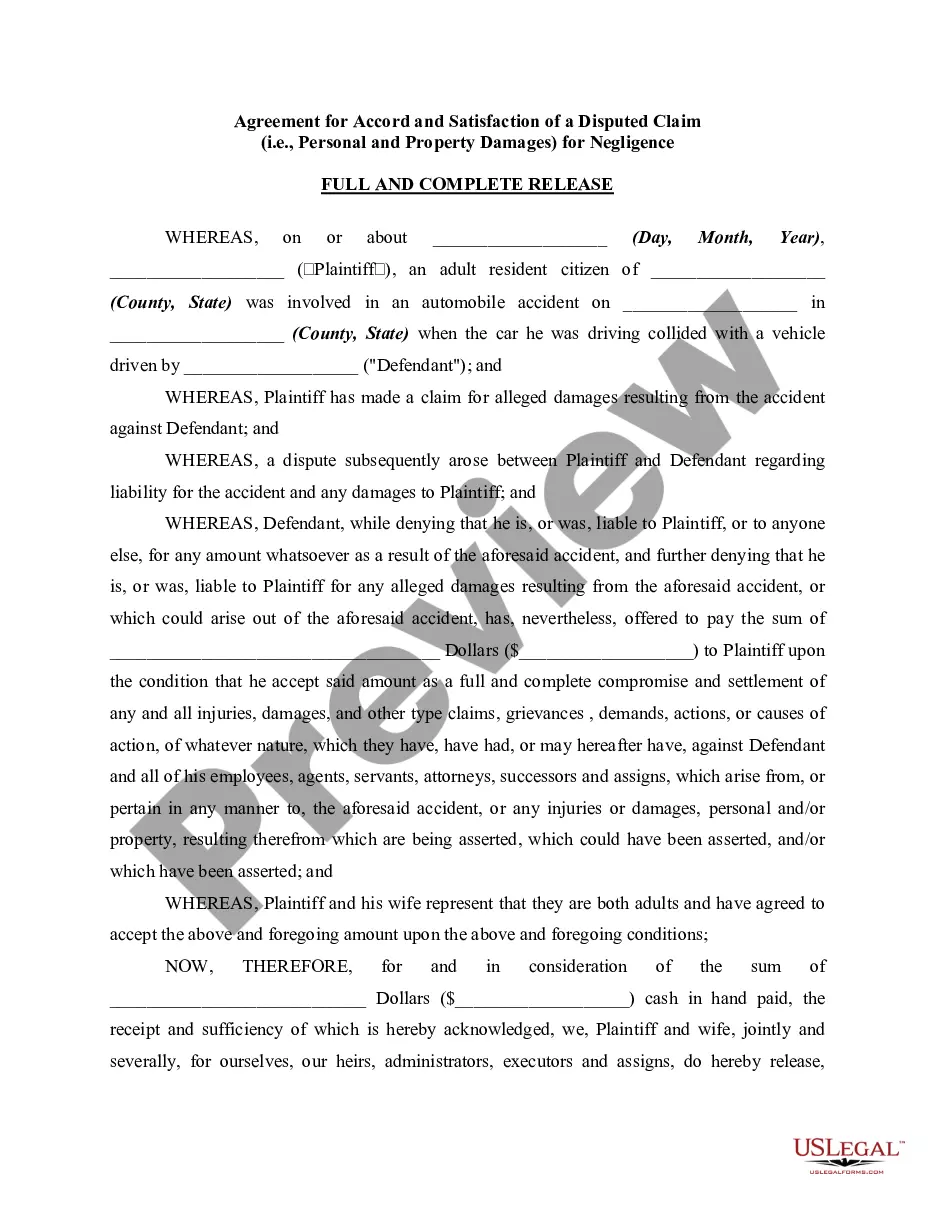
Get your form ready online
Our built-in tools help you complete, sign, share, and store your documents in one place.
Make edits, fill in missing information, and update formatting in US Legal Forms—just like you would in MS Word.
Download a copy, print it, send it by email, or mail it via USPS—whatever works best for your next step.
Sign and collect signatures with our SignNow integration. Send to multiple recipients, set reminders, and more. Go Premium to unlock E-Sign.
If this form requires notarization, complete it online through a secure video call—no need to meet a notary in person or wait for an appointment.
We protect your documents and personal data by following strict security and privacy standards.

Make edits, fill in missing information, and update formatting in US Legal Forms—just like you would in MS Word.

Download a copy, print it, send it by email, or mail it via USPS—whatever works best for your next step.

Sign and collect signatures with our SignNow integration. Send to multiple recipients, set reminders, and more. Go Premium to unlock E-Sign.

If this form requires notarization, complete it online through a secure video call—no need to meet a notary in person or wait for an appointment.

We protect your documents and personal data by following strict security and privacy standards.
Looking for another form?








Form popularity
FAQ
There is no formal appeal process if your application for a temporary resident visa is refused. Should you wish to re-apply, you should do so only if your situation has changed substantively or you have significant new information to submit.
If the Refugee Board rejects your claim, you might be able to appeal that decision at the Refugee Appeal Division (RAD). If you're eligible to appeal, you must show that: the Refugee Board made one or more mistakes in its decision, or there is new evidence that would have made a difference in the outcome of your claim.
All permanent residents (including protected persons, such as resettled refugees) are eligible to receive settlement services in many languages, until they become Canadian citizens. Temporary residents, asylum seekers and Canadian citizens are generally not eligible for federally-funded settlement services.
If an asylum office denies or dismisses your motion arising from a case that received a final denial, you may submit a new Form I-589, Application for Asylum and for Withholding of Removal. You will be subject to the same prohibitions on filing as any other newly filed asylum application.
The recognition rate, which is determined by the number of accepted refugee claims divided by the total number of claims that have been decided by the Immigration and Refugee Board on merit, also increased to 82 per cent in the first nine months of 2024, from 64 per cent in 2018.
If a claim is rejected by the Refugee Protection Division, individuals may be able to appeal the decision to the Refugee Appeal Division of the IRB. If individuals have no right to appeal to the Refugee Appeal Division, they can ask the Federal Court to review the decision.
Section 52(1) of Canada's Immigration and Refugee Protection Act provides that a person who has been removed from Canada cannot return to Canada unless the person first receives specific authorization from immigration authorities. This authorization is known as “authorization to return to Canada” (an “ARC“).
If your claim is rejected… If you are eligible (most claimants are), you can appeal to the RAD. You must file your appeal within 15 days of receiving your Notice of Decision and reasons for decision. If you are not eligible to appeal to the RAD, you can apply to the Federal Court for judicial review.
Section 52(1) of Canada's Immigration and Refugee Protection Act provides that a person who has been removed from Canada cannot return to Canada unless the person first receives specific authorization from immigration authorities. This authorization is known as “authorization to return to Canada” (an “ARC“).
Get a lawyer as soon as possible. If you do not take action, you could be deported very quickly. If you are not eligible for an appeal to the Refugee Appeal Division (RAD), you can apply for a judicial review at the Federal Court.
