Denied Claim Agreement For Insurance In Texas
Description
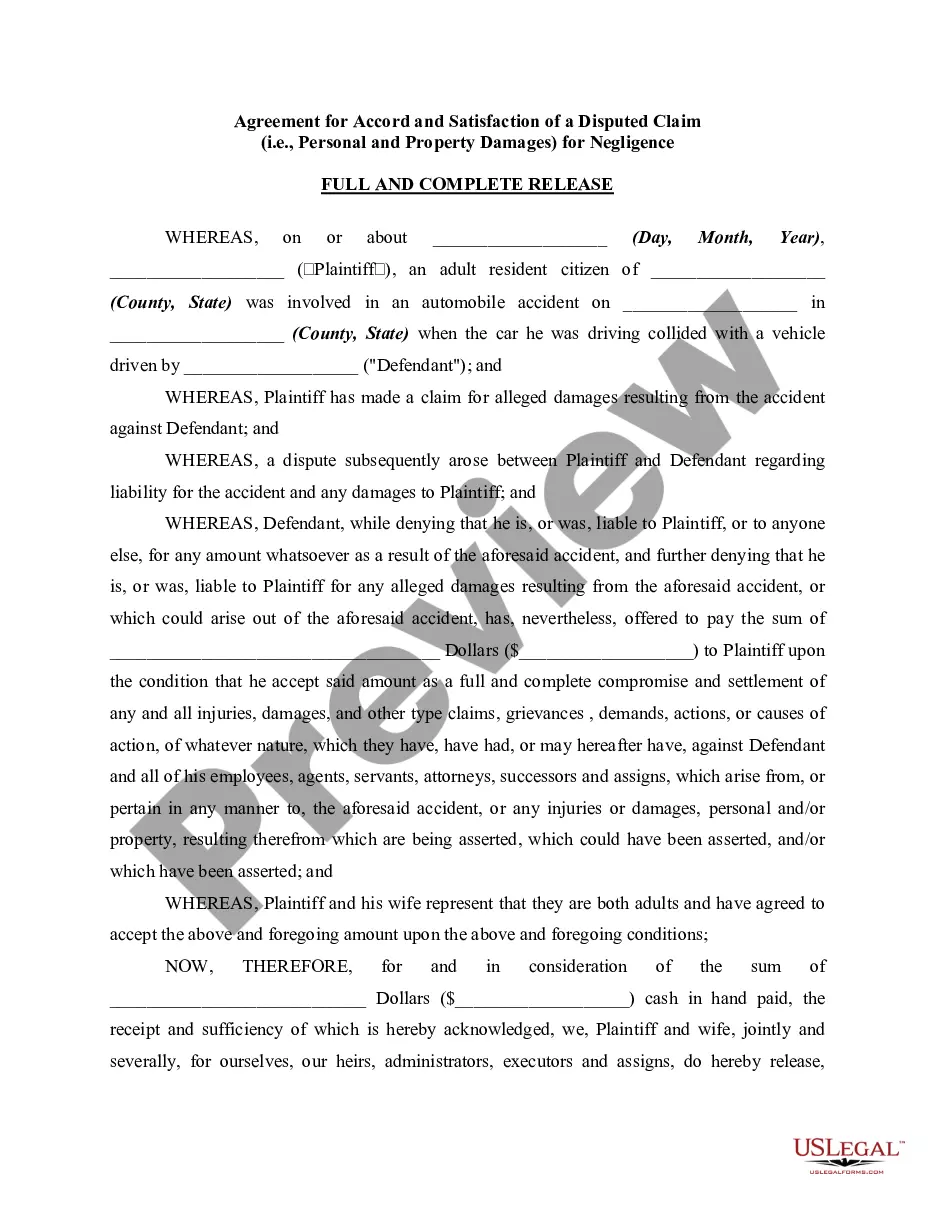
Get your form ready online
Our built-in tools help you complete, sign, share, and store your documents in one place.
Make edits, fill in missing information, and update formatting in US Legal Forms—just like you would in MS Word.
Download a copy, print it, send it by email, or mail it via USPS—whatever works best for your next step.
Sign and collect signatures with our SignNow integration. Send to multiple recipients, set reminders, and more. Go Premium to unlock E-Sign.
If this form requires notarization, complete it online through a secure video call—no need to meet a notary in person or wait for an appointment.
We protect your documents and personal data by following strict security and privacy standards.

Make edits, fill in missing information, and update formatting in US Legal Forms—just like you would in MS Word.

Download a copy, print it, send it by email, or mail it via USPS—whatever works best for your next step.

Sign and collect signatures with our SignNow integration. Send to multiple recipients, set reminders, and more. Go Premium to unlock E-Sign.

If this form requires notarization, complete it online through a secure video call—no need to meet a notary in person or wait for an appointment.

We protect your documents and personal data by following strict security and privacy standards.
Looking for another form?

Form popularity
FAQ
The concept of “do as I say, not as I do” describes a position held in bad faith. For example, if an instructor forbids their students from citing Wikipedia in their work but uses content from Wikipedia in their lessons, they're holding their anti-Wikipedia stance in bad faith.
Under Texas law, bad faith insurance encompasses actions like unreasonable claim denial, unnecessary delays, misrepresentations, and failure to conduct a rightful investigation. Policyholders have the right to fight back against these unethical practices and seek fair settlements.
Legal Definition. In Texas, bad faith refers to insurance companies acting unfairly or dishonestly towards their policyholders. Imagine you've got a clear-cut claim, but the insurance company says “no” without a good reason, drags its feet, or tries to lowball you. That's bad faith.
During the second 15-day period of the 35 days of the claims process, your insurer must approve or deny your claim and inform you of its decision.
Nationwide, high-volume insurers with higher in-network denial rates across HealthCare states included Blue Cross Blue Shield of Alabama (35% for its 12 plans in that state), UnitedHealth Group (33% across 274 plans in 20 states), Health Care Service Corporation (29% across 915 plans in four states), Molina ...
Some examples of bad faith include: soldiers waving a white flag and then firing when their enemy approaches to take prisoners (cf.
Typically, the initial burden of proof falls on the person filing the claim. You must demonstrate two things to succeed in a bad faith lawsuit: 1) Benefits due under the policy were withheld and 2) The reason for withholding benefits was unreasonable or without proper cause.
Insurance companies deny claims for many reasons, such as insufficient evidence, missed deadlines, or policy exclusions. If your insurance company denied your claim, you can file an appeal, agree to mediation or arbitration, or take the insurance company to court for bad faith.
Steps To Take if Your Claim Was Denied Review the policy. Asses what should be covered. Review the denial letter. Keep records. Follow your insurance company's internal appeals process. Provide additional information. Consider an external review. Speak to an attorney.
What to Do if Your Insurance Company Denies Your Claim in India? Correct the Data. Inform your insurer about reinitiating the claim. Proper Documentation. In case the reason why your claim was not accepted was a missing document, then make sure to provide that document this time. Prove that Hospitalization was Recommended.
