Here Denied Claim For Knees In San Bernardino
Description
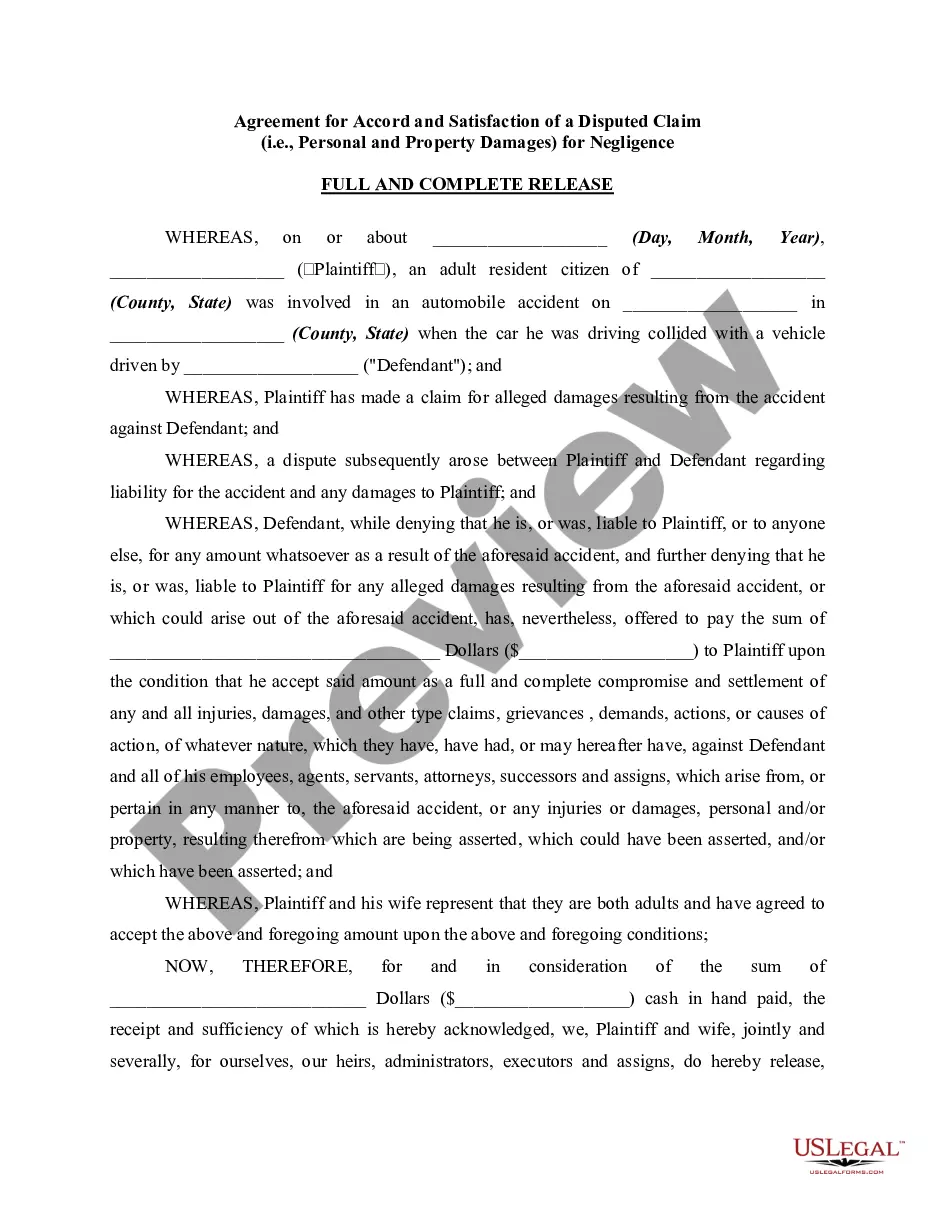
Get your form ready online
Our built-in tools help you complete, sign, share, and store your documents in one place.
Make edits, fill in missing information, and update formatting in US Legal Forms—just like you would in MS Word.
Download a copy, print it, send it by email, or mail it via USPS—whatever works best for your next step.
Sign and collect signatures with our SignNow integration. Send to multiple recipients, set reminders, and more. Go Premium to unlock E-Sign.
If this form requires notarization, complete it online through a secure video call—no need to meet a notary in person or wait for an appointment.
We protect your documents and personal data by following strict security and privacy standards.

Make edits, fill in missing information, and update formatting in US Legal Forms—just like you would in MS Word.

Download a copy, print it, send it by email, or mail it via USPS—whatever works best for your next step.

Sign and collect signatures with our SignNow integration. Send to multiple recipients, set reminders, and more. Go Premium to unlock E-Sign.

If this form requires notarization, complete it online through a secure video call—no need to meet a notary in person or wait for an appointment.

We protect your documents and personal data by following strict security and privacy standards.
Looking for another form?









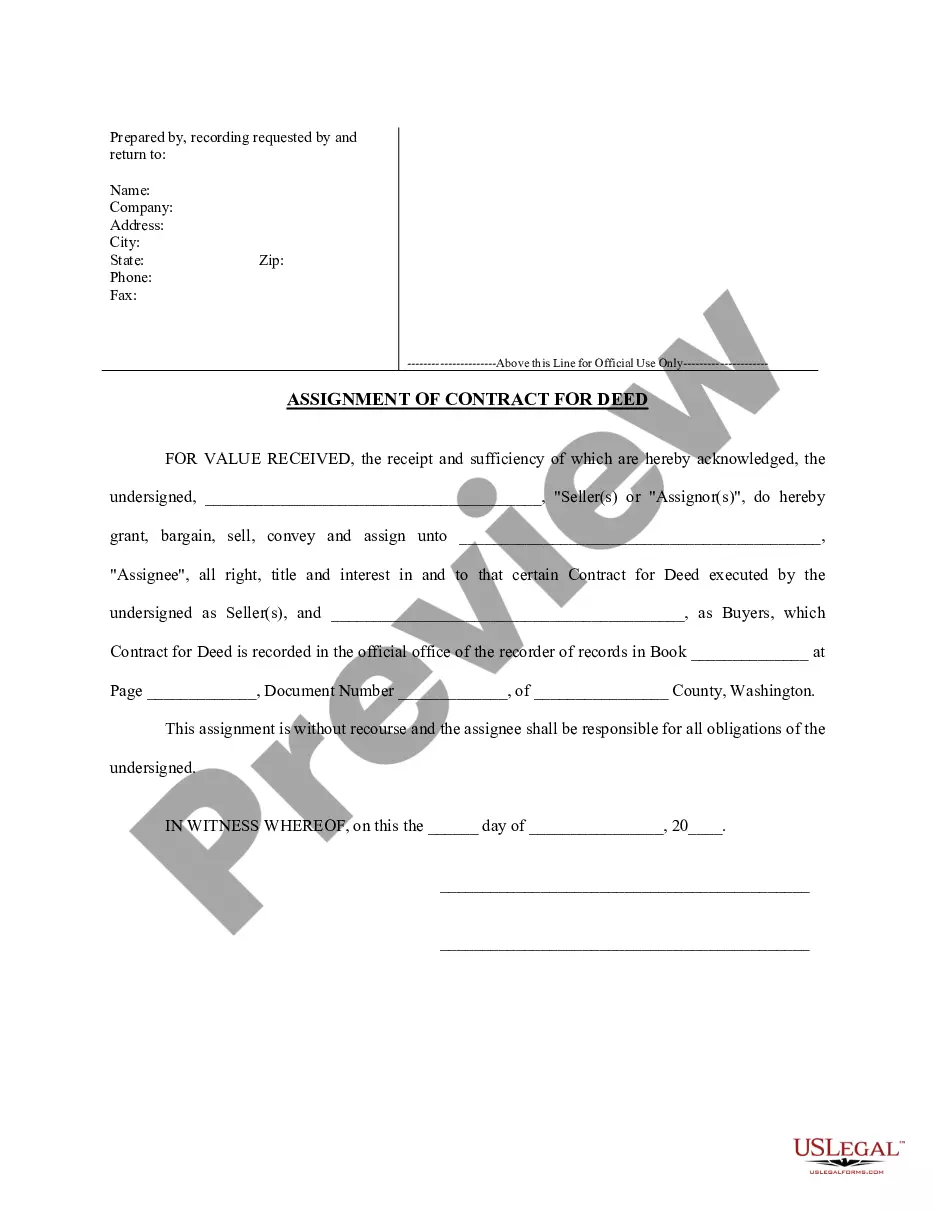
Form popularity
FAQ
The 90 Day Rule in workers' comp is a critical timeframe that mandates an employer to accept or deny a workers' compensation claim within 90 days of it being filed. Failure to do so results in the claim being presumed accepted, providing the employee with a significant advantage in securing benefits.
The statute of limitations for filing a workers' compensation claim is one year for most employees. If you do not file a claim within that time, you lose your employee rights to benefits. The time limit for workers' compensation benefits is usually payments for a total of 104 weeks, spread over two to five years.
Missed Deadlines in Reporting and Filing Timeliness is critical in the workers' compensation process. In California, there are strict deadlines for reporting an injury to an employer and for filing a workers' compensation claim. Failure to adhere to these timelines can result in a denial.
After you file a claim form, the workers compensation insurance company has up to 90 days to accept or deny it. During this time, you can still receive medical treatment.
Deadlines are crucial when filing for workers' comp. In California, a workplace injury must be reported within 30 days of the incident and a workers' compensation claim must be filed within one year. Simply stated, when it comes to filing forms for work-related injuries, the sooner the better.
Actively receiving workers' comp benefits does not protect the employee from being laid off, fired, or replaced. If terminated from employment while on workers' comp, you will continue to receive temporary benefits until no longer eligible or indefinitely if you are awarded permanent disability payments.
Payments for a few long-term injuries, such as severe burns or chronic lung disease, can go longer than 104 weeks. TD payments for these injuries can continue for up to 240 weeks of payment within a five-year period. You can also file a state disability insurance (SDI) claim with the Employment Development Department.
The so-called “5 year rule” that pertains to workers' comp claims in California is very important. Basically, it says that: No workers' compensation decision or benefits can be changed or canceled after five years from the date of the injury unless a party involved files a petition within that five-year period.
After 104 weeks of receiving temporary disability benefits in California, your benefits will generally cease. However, if your injury or illness falls under specific exceptions like severe burns or chronic lung disease, you may be eligible for temporary disability benefits for up to 240 weeks.

