Here Denied Claim With Nexus Letter In Riverside
Description
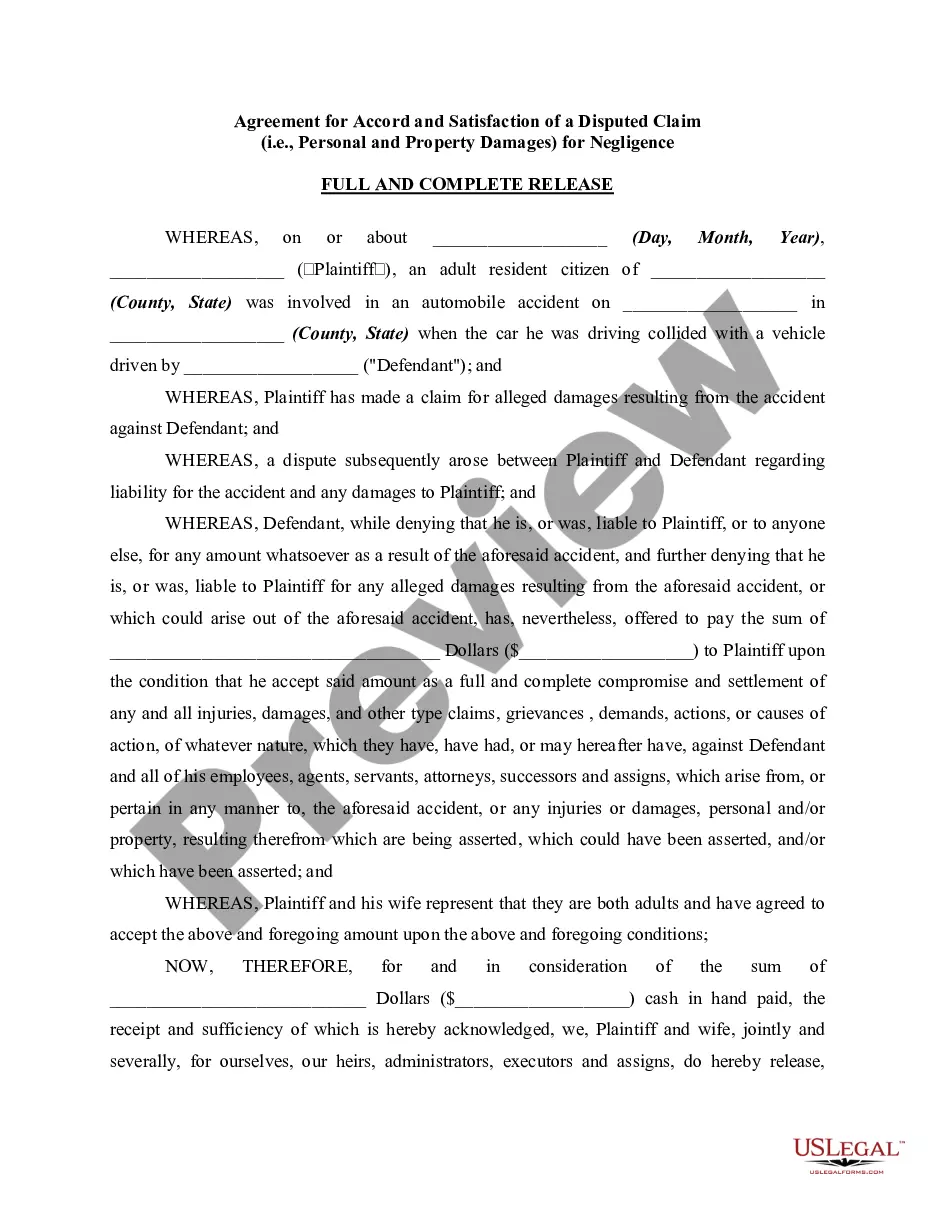
Get your form ready online
Our built-in tools help you complete, sign, share, and store your documents in one place.
Make edits, fill in missing information, and update formatting in US Legal Forms—just like you would in MS Word.
Download a copy, print it, send it by email, or mail it via USPS—whatever works best for your next step.
Sign and collect signatures with our SignNow integration. Send to multiple recipients, set reminders, and more. Go Premium to unlock E-Sign.
If this form requires notarization, complete it online through a secure video call—no need to meet a notary in person or wait for an appointment.
We protect your documents and personal data by following strict security and privacy standards.

Make edits, fill in missing information, and update formatting in US Legal Forms—just like you would in MS Word.

Download a copy, print it, send it by email, or mail it via USPS—whatever works best for your next step.

Sign and collect signatures with our SignNow integration. Send to multiple recipients, set reminders, and more. Go Premium to unlock E-Sign.

If this form requires notarization, complete it online through a secure video call—no need to meet a notary in person or wait for an appointment.

We protect your documents and personal data by following strict security and privacy standards.
Looking for another form?









Form popularity
FAQ
Tinnitus, mental health conditions, musculoskeletal disorders, scars, and presumptive disorders are frequently approved VA disability claims.
What Is the Most Approved Disability? Arthritis and other musculoskeletal system disabilities make up the most commonly approved conditions for social security disability benefits. This is because arthritis is so common. In the United States, over 58 million people suffer from arthritis.
Insufficient Nexus Connection: If your nexus letter lacks detailed medical rationale or fails to connect your condition to your military service, the VA may reject the claim. Contradictory Evidence: Conflicting opinions from VA examiners or other medical sources can weaken the validity of your nexus letter.
A NEXUS letter is the medical evidence a doctor prepares for a veteran that explains how and why the veteran's current medical condition is related to his military service or secondary to an established service connected disability.
Tinnitus. Tinnitus is by far the most common condition veterans receive disability benefits for. In 2023, 2,944,093 veterans were receiving VA disability benefits for this condition–the only one accounting for more than 2 million recipients.
What is the Hardest VA Claim to Get? Mental Health Conditions (e.g., PTSD, Depression) ... Sleep Apnea. Tinnitus and Hearing Loss. Military Sexual Trauma (MST) ... Chronic Pain Without a Clear Diagnosis.
Top 20 VA Disability Claims Tinnitus. Limitation of Flexion, Knee. Hearing Loss. Post-Traumatic Stress Disorder. Lumbosacral or Cervical Strain. Sciatic Nerve Paralysis. Scarring. Limitation of Motion, Ankle.
Direct Service Connection for Low Back Pain By detailing service duties, symptoms, and supporting medical literature, the VA nexus letter can help establish the connection between the military service and lumbar strain necessary to aid veterans in obtaining a fair VA disability rating.
Attach the completed nexus letter to your VA disability claim or submit it as part of an appeal with the assistance of your VA-accredited legal professional when necessary. Make sure all essential documentation, including your medical records and service treatment records, are present.
A NEXUS letter is the medical evidence a doctor prepares for a veteran that explains how and why the veteran's current medical condition is related to his military service or secondary to an established service connected disability.

