Dispute Claim Form For Transunion In Phoenix
Description
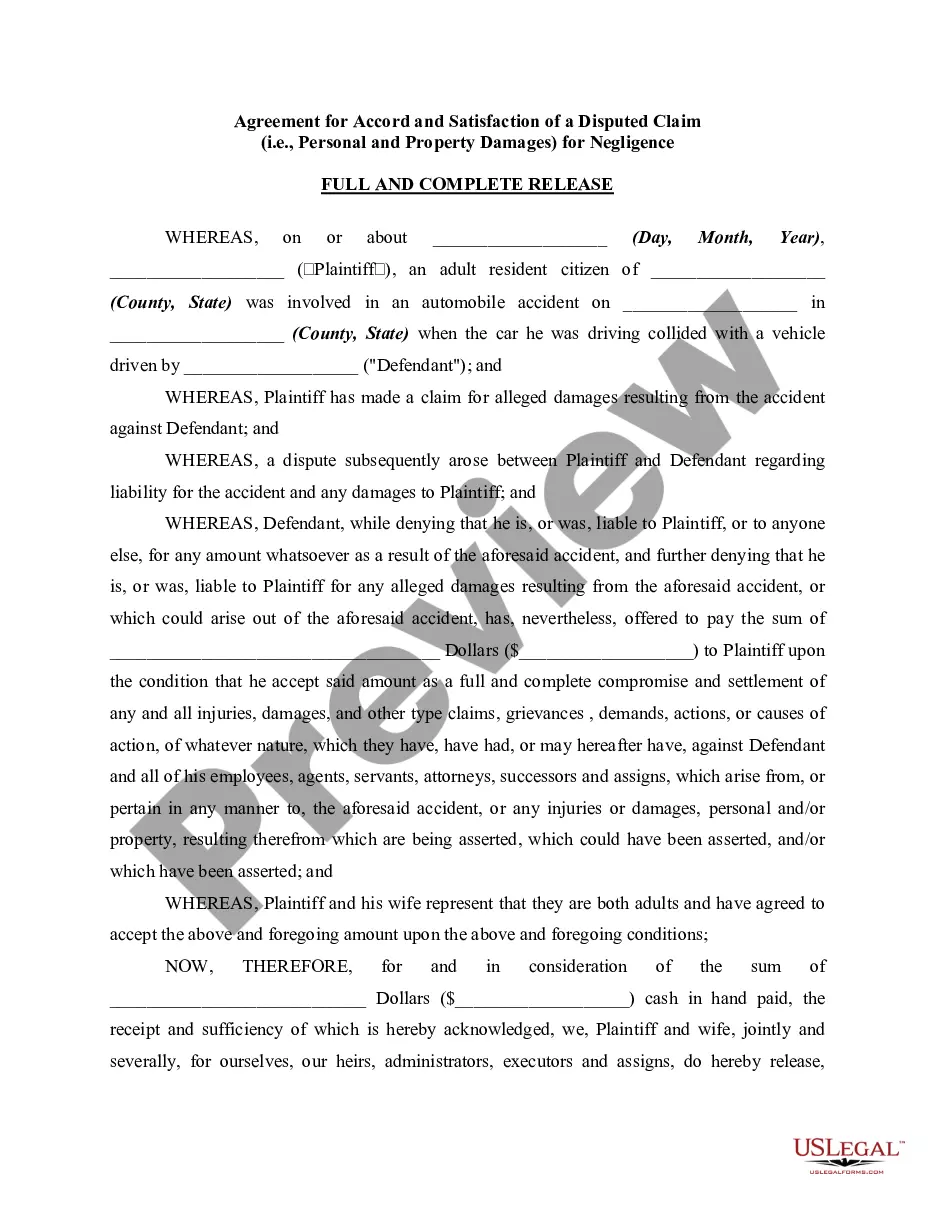
Get your form ready online
Our built-in tools help you complete, sign, share, and store your documents in one place.
Make edits, fill in missing information, and update formatting in US Legal Forms—just like you would in MS Word.
Download a copy, print it, send it by email, or mail it via USPS—whatever works best for your next step.
Sign and collect signatures with our SignNow integration. Send to multiple recipients, set reminders, and more. Go Premium to unlock E-Sign.
If this form requires notarization, complete it online through a secure video call—no need to meet a notary in person or wait for an appointment.
We protect your documents and personal data by following strict security and privacy standards.

Make edits, fill in missing information, and update formatting in US Legal Forms—just like you would in MS Word.

Download a copy, print it, send it by email, or mail it via USPS—whatever works best for your next step.

Sign and collect signatures with our SignNow integration. Send to multiple recipients, set reminders, and more. Go Premium to unlock E-Sign.

If this form requires notarization, complete it online through a secure video call—no need to meet a notary in person or wait for an appointment.

We protect your documents and personal data by following strict security and privacy standards.
Looking for another form?









Form popularity
FAQ
How do I log a dispute with TransUnion? Call us on 0861 482 482 to request that a dispute form be forwarded to you to complete. It is also recommended that you obtain your credit report to substantiate the concern on which you are raising the dispute/query.
You can send disputes by mail to TransUnion Consumer Solutions, P.O. Box 2000, Chester, PA 19016-2000. TransUnion recommends including the following in your dispute letter: Your Social Security number and date of birth. Your current address.
You can start your investigation online. You can also submit a dispute by phone or mail. TransUnion contacts the creditor for verification. After TransUnion receives your request, we will either contact the creditor for verification or change the information directly if it does not require verification.
If you're a consumer with questions or issues related to your personal credit report, drivers history report, disputes, fraud, identity theft, credit report freeze or credit monitoring services, please contact our Consumer Relations Department at 800-916-8800.
Mail Personal Information: Name, DOB, Address, SSN. Name of company that reported the item you're disputing and the partial account number (from your credit report) Reason for your dispute. Any corrections to your personal information (address, phone number, etc.)
The credit bureaus also accept disputes online or by phone: Experian (888) 397-3742. Transunion (800) 916-8800. Equifax (866) 349-5191.
Online disputes and typed letters get scanned and filtered too easily. Handwritten disputes require special handling and have a better chance of actually being looked at. Be sure so send Certified Mail Return Receipt Requested and state that was how it was mailed at the top of the letter.
There are definitely advantages to disputing with the credit bureau online. It's easier to hop online and send in a dispute to the credit bureaus. You don't have to wait in the long post office lines.
2) What is the 609 loophole? The “609 loophole” is a misconception. Section 609 of the Fair Credit Reporting Act (FCRA) allows consumers to request their credit file information. It does not guarantee the removal of negative items but requires credit bureaus to verify the accuracy of disputed information.

