Here Denied Claim For Primary Eob In Orange
Description
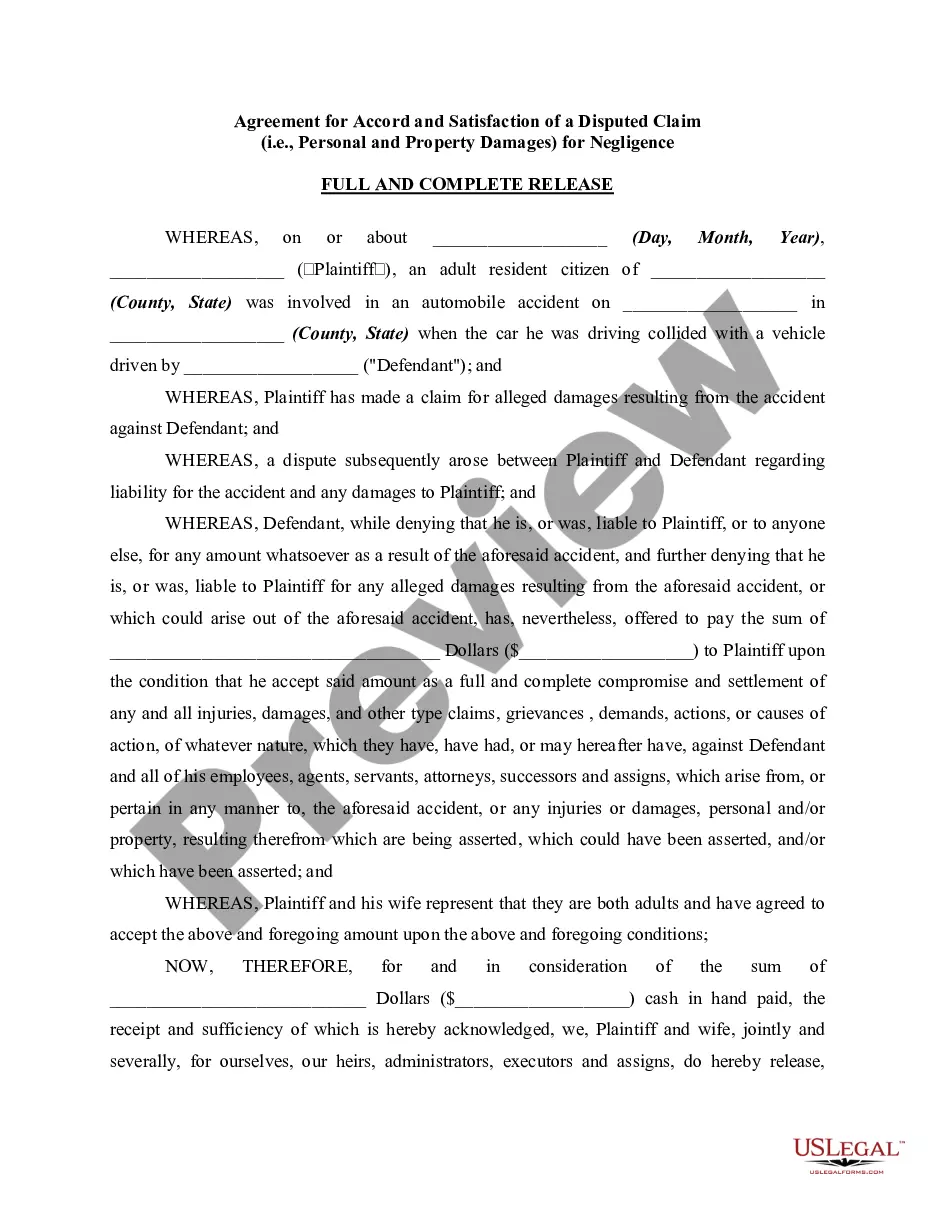
Get your form ready online
Our built-in tools help you complete, sign, share, and store your documents in one place.
Make edits, fill in missing information, and update formatting in US Legal Forms—just like you would in MS Word.
Download a copy, print it, send it by email, or mail it via USPS—whatever works best for your next step.
Sign and collect signatures with our SignNow integration. Send to multiple recipients, set reminders, and more. Go Premium to unlock E-Sign.
If this form requires notarization, complete it online through a secure video call—no need to meet a notary in person or wait for an appointment.
We protect your documents and personal data by following strict security and privacy standards.

Make edits, fill in missing information, and update formatting in US Legal Forms—just like you would in MS Word.

Download a copy, print it, send it by email, or mail it via USPS—whatever works best for your next step.

Sign and collect signatures with our SignNow integration. Send to multiple recipients, set reminders, and more. Go Premium to unlock E-Sign.

If this form requires notarization, complete it online through a secure video call—no need to meet a notary in person or wait for an appointment.

We protect your documents and personal data by following strict security and privacy standards.
Looking for another form?









Form popularity
FAQ
: an upper limit allowed (as by a legal authority) or allowable (as by the circumstances of a particular case) 3. : the largest of a set of numbers. specifically : the largest value assumed by a real-valued continuous function defined on a closed interval.
What is a reason code used on an EOB? Reason codes appear on an explanation of benefits (EOB) to communicate why a claim has been adjusted. If there is no adjustment to a claim/line, then there is no adjustment reason code.
An Explanation of Benefits (EOB) code corresponds to a printed message about the status or action taken on a claim. Providers will find a list of all EOB codes used with the corresponding description on the last page of the Remittance Advice.
Business people commonly use COB and EOB interchangeably. EOB stands for “end of business,” a phrase that has the same meaning as “close of business.” In other words, the time when a company closes its doors at the end of the day.
The EOB is your insurance company's written explanation for that claim, showing the name of the provider that covered the service and date(s) of service. The insurer is also required to send you a clear explanation of how they computed your benefits.
You should always save your Explanation of Benefits until you get the final bill from your doctor or health care provider. Insurance companies make it easy for members to view past EOBs online, so there's no need to keep a paper copy if you have an online account.
Example of a Denial of Coverage Letter Dear Policyholder's Name, We are writing to you regarding your recent claim submitted on Date with the claim number Claim Number. After a thorough review of your claim and policy, we regret to inform you that we are unable to approve your claim for Reason for Claim.

