Here Denied Claim For Insurance In Minnesota
Description
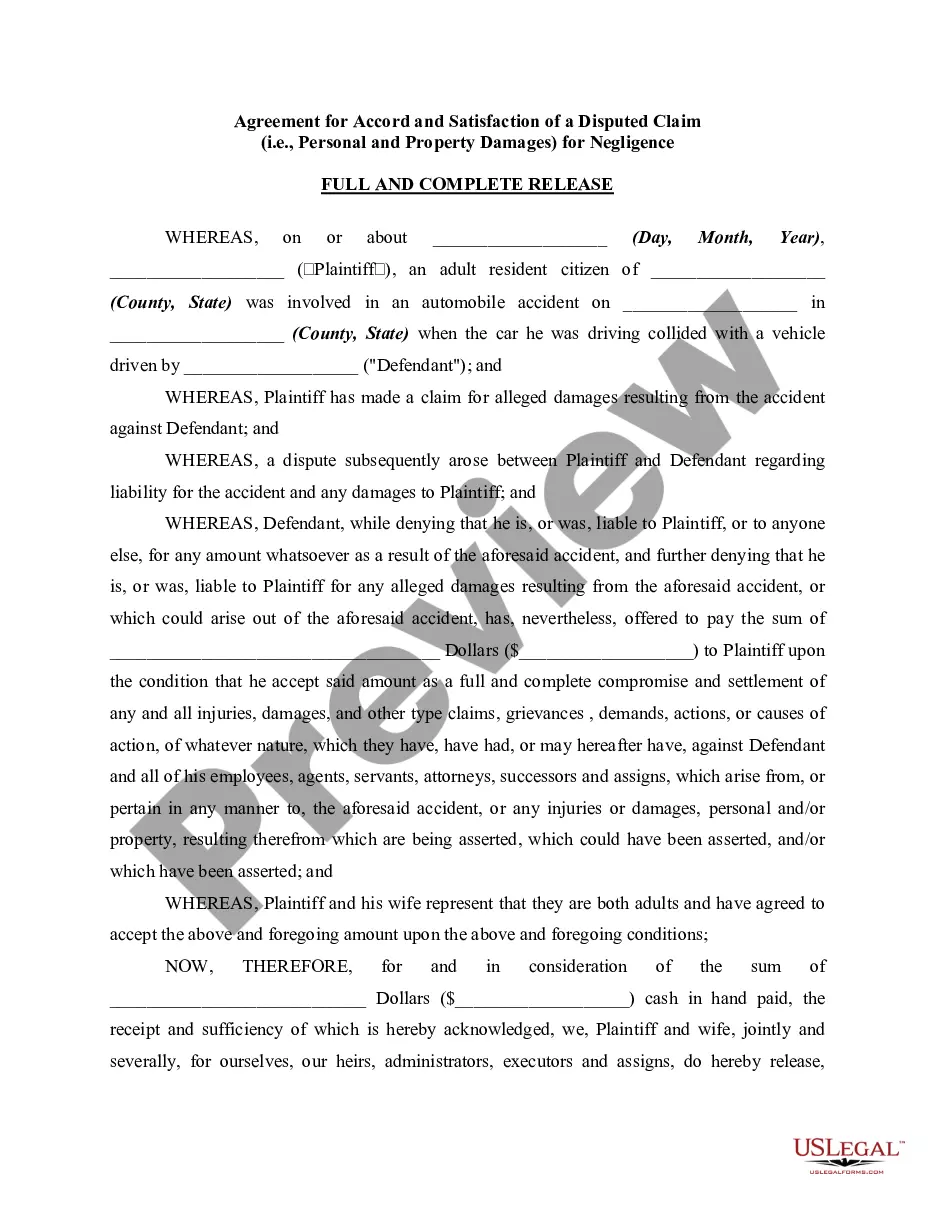
Get your form ready online
Our built-in tools help you complete, sign, share, and store your documents in one place.
Make edits, fill in missing information, and update formatting in US Legal Forms—just like you would in MS Word.
Download a copy, print it, send it by email, or mail it via USPS—whatever works best for your next step.
Sign and collect signatures with our SignNow integration. Send to multiple recipients, set reminders, and more. Go Premium to unlock E-Sign.
If this form requires notarization, complete it online through a secure video call—no need to meet a notary in person or wait for an appointment.
We protect your documents and personal data by following strict security and privacy standards.

Make edits, fill in missing information, and update formatting in US Legal Forms—just like you would in MS Word.

Download a copy, print it, send it by email, or mail it via USPS—whatever works best for your next step.

Sign and collect signatures with our SignNow integration. Send to multiple recipients, set reminders, and more. Go Premium to unlock E-Sign.

If this form requires notarization, complete it online through a secure video call—no need to meet a notary in person or wait for an appointment.

We protect your documents and personal data by following strict security and privacy standards.
Looking for another form?




Form popularity
FAQ
What to Do if Your Insurance Company Denies Your Claim in India? Correct the Data. Inform your insurer about reinitiating the claim. Proper Documentation. In case the reason why your claim was not accepted was a missing document, then make sure to provide that document this time. Prove that Hospitalization was Recommended.
Your term insurance claim might get rejected due to false information, policy lapse, undisclosed medical history, inaccurate information about policies, nonpayment of premiums, and more. Insurers rely on the details you provide to measure risk and assess coverage accurately.
The Defendant's insurer will have a maximum of 3 months, from the date of acknowledgment of the claim, to 'investigate'. No later than the end of that period, the Defendant (insurer) shall reply, stating whether liability is denied, and if so, giving reasons for the denial.
The claims settlement statutes dictate that companies must handle claims in a responsive manner. However, some of the time frames that are established in the law allow a company up to 60 days to respond to some issues. Most companies will be much more responsive than that.
Minnesota is a "no-fault" car insurance state, which means your own car insurance pays for certain losses after an accident, no matter who caused the crash. Your options for pursuing a claim against anyone else are limited when you're injured in a car accident, unless your injuries meet a certain threshold.
Your claim could be denied because your policy is lapsed, you don't have enough coverage or for some other reason. If your claim is denied, you can appeal the decision—a lawyer can help but is optional.
(b) Grace period. A provision for a one month grace period for the payment of every premium after the first, during which the insurance will continue in force.
Filing too many denied claims can raise red flags with your insurer and cause higher rates or even a cancelled policy. This is because frequently fraudulent claims are known as soft fraud and can affect your ability to stay insured.
If your claim has been denied or your benefits were terminated, and you do not agree with the decision, you have three options: Appeal the decision. File a lawsuit. Negotiate a Settlement.
Some basic pointers for handling claims denials are outlined below. Carefully review all notifications regarding the claim. Be persistent. Don't delay. Get to know the appeals process. Maintain records on disputed claims. Remember that help is available.

