Dispute Claim Form With Bank In Minnesota
Description
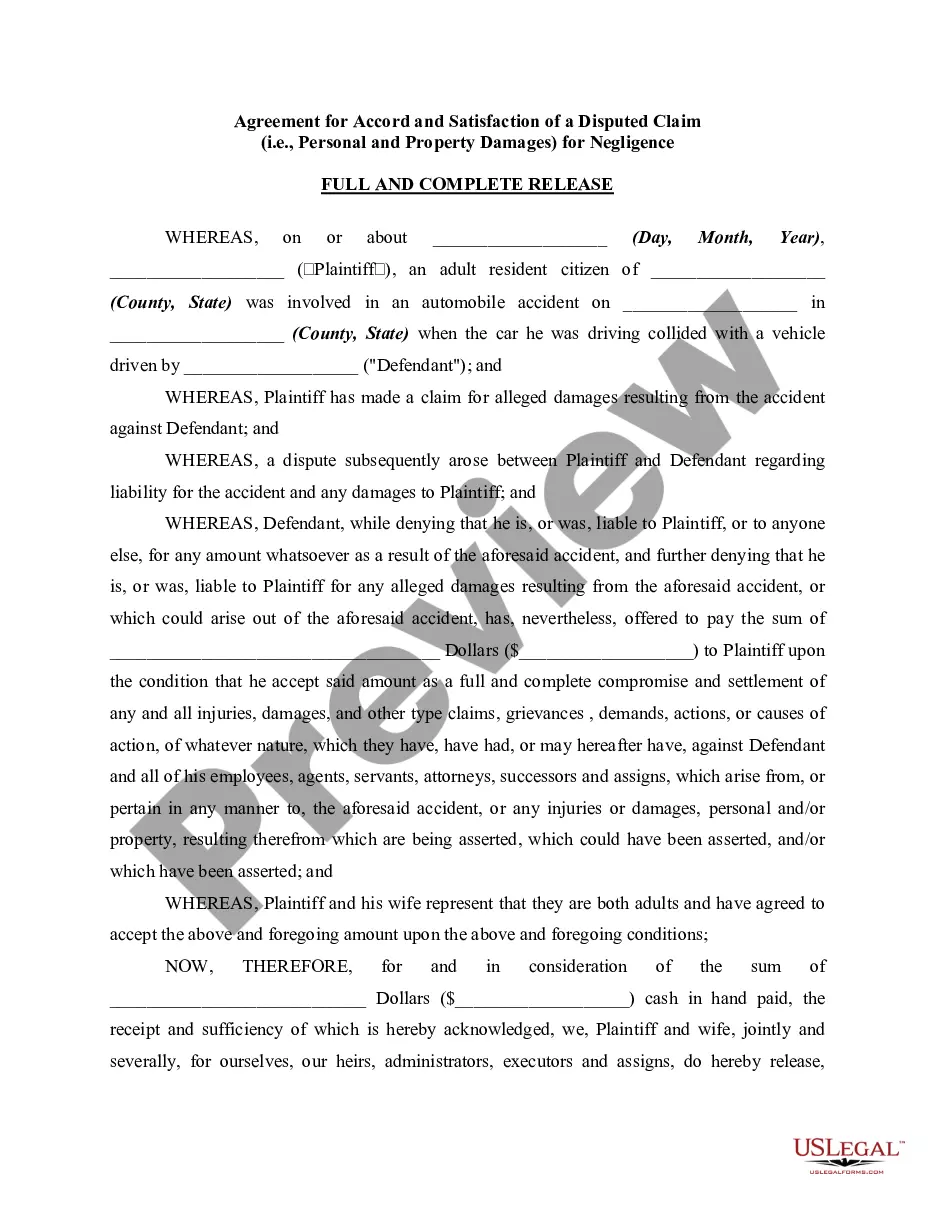
Get your form ready online
Our built-in tools help you complete, sign, share, and store your documents in one place.
Make edits, fill in missing information, and update formatting in US Legal Forms—just like you would in MS Word.
Download a copy, print it, send it by email, or mail it via USPS—whatever works best for your next step.
Sign and collect signatures with our SignNow integration. Send to multiple recipients, set reminders, and more. Go Premium to unlock E-Sign.
If this form requires notarization, complete it online through a secure video call—no need to meet a notary in person or wait for an appointment.
We protect your documents and personal data by following strict security and privacy standards.

Make edits, fill in missing information, and update formatting in US Legal Forms—just like you would in MS Word.

Download a copy, print it, send it by email, or mail it via USPS—whatever works best for your next step.

Sign and collect signatures with our SignNow integration. Send to multiple recipients, set reminders, and more. Go Premium to unlock E-Sign.

If this form requires notarization, complete it online through a secure video call—no need to meet a notary in person or wait for an appointment.

We protect your documents and personal data by following strict security and privacy standards.
Looking for another form?





Form popularity
FAQ
We recommend the following options: Contact your bank directly first. Visit HelpWithMyBank where you will find answers to frequently asked questions and other resources. Fill out the Online Customer Complaint Form.
Contact Customer Service: Call the bank's customer service number or visit a local branch. Explain the situation clearly and concisely. Many banks have procedures for handling complaints and may resolve the issue at this stage. Visit the Bank's Website: Most banks provide a section for filing complaints online.
Contact the branch manager, the customer service hotline, or the institution's website. Use this sample complaint letter as a guide to help you explain the problem and how you want the bank to fix it. Provide copies of receipts, checks, or other proof of the transaction.
You can submit your complaint or inquiry online at the FDIC Information and Support Center at . Alternatively, you can submit a complaint via mail to the Consumer Response Unit at 1100 Walnut Street, Box#11, Kansas City, MO 64106.
If you have a complaint please refer to Commerce using any of the following: Website: File a complaint with Commerce. Phone: 651-539-1600 or 1-800-657-3602 (8 AM - PM) Fax: 651-539-0105.
The FDIC Office of the Ombudsman serves as an independent, neutral, and confidential liaison for the banking industry and general public. As a liaison, we facilitate problem and complaint resolution concerning FDIC regulatory activities. The OO strives to influence positive change.
Minnesota Statutes Chapter 325F, Section 68 through 70 is also known as the Prevention of Consumer Fraud Act (“PCFA”). The PCFA is a state law that provides legal protection to consumers by regulating the use of fraudulent or deceptive practices by businesses.
Contact Your Institution First Therefore, if you have a complaint against your bank, you MUST first report the complaint at the bank/branch where the issue originated and then allow 2 weeks (it might be less in some banks) for the issue to be resolved.
Cardholders have the right to dispute a credit or debit card transaction if it was unauthorized or illegitimate. If a transaction is disputed, the cardholder is no longer required to make payment. Rather, the merchant sacrifices revenue — funds are removed from the merchant's account and returned to the cardholder.
A bank dispute is the process through which a cardholder rejects fraudulent or inaccurate charges on their credit card statement with their issuing bank. This is also known as a chargeback. Chargebacks are a means of protecting consumers against fraud.

