Here Denied Claim Without C\u0026amp;p Exam In Massachusetts
Description
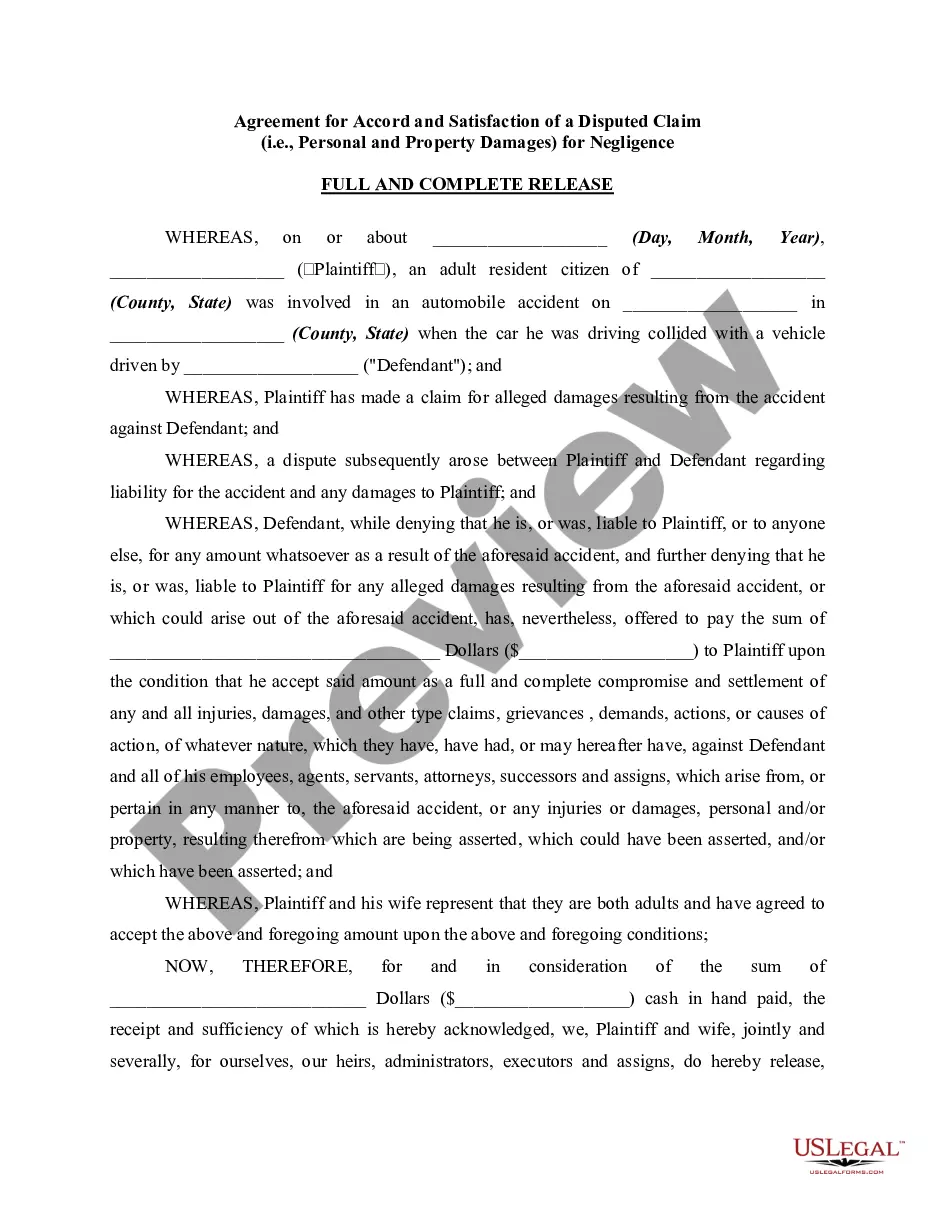
Get your form ready online
Our built-in tools help you complete, sign, share, and store your documents in one place.
Make edits, fill in missing information, and update formatting in US Legal Forms—just like you would in MS Word.
Download a copy, print it, send it by email, or mail it via USPS—whatever works best for your next step.
Sign and collect signatures with our SignNow integration. Send to multiple recipients, set reminders, and more. Go Premium to unlock E-Sign.
If this form requires notarization, complete it online through a secure video call—no need to meet a notary in person or wait for an appointment.
We protect your documents and personal data by following strict security and privacy standards.

Make edits, fill in missing information, and update formatting in US Legal Forms—just like you would in MS Word.

Download a copy, print it, send it by email, or mail it via USPS—whatever works best for your next step.

Sign and collect signatures with our SignNow integration. Send to multiple recipients, set reminders, and more. Go Premium to unlock E-Sign.

If this form requires notarization, complete it online through a secure video call—no need to meet a notary in person or wait for an appointment.

We protect your documents and personal data by following strict security and privacy standards.
Looking for another form?








Form popularity
FAQ
What is the Hardest VA Claim to Get? Mental Health Conditions (e.g., PTSD, Depression) ... Sleep Apnea. Tinnitus and Hearing Loss. Military Sexual Trauma (MST) ... Chronic Pain Without a Clear Diagnosis.
Despite the VA not having disability claim submission deadlines, they may refuse your claim if you fail to send additional forms or don't schedule a doctor's visit within a specific period as instructed by the VA.
Prepare for a C&P Exam The VA will likely schedule a C&P exam to assess your hypertension. During the exam, the healthcare provider will take your blood pressure and ask about your symptoms, treatments, and how your hypertension affects your daily life.
What Are the Easiest VA Disability Claims to Win? Tinnitus. Limited Knee Mobility and Pain. Sciatica. Hearing Loss. Cervical Strain. PTSD. Limited Arm Mobility and Pain. Limited Ankle Mobility and Pain.
Crying during a C&P exam is not inherently harmful to your claim; in fact, it could be helpful and serve as valuable evidence of the severity of your emotional or psychological condition.
Tinnitus. Tinnitus is by far the most common condition veterans receive disability benefits for. In 2023, 2,944,093 veterans were receiving VA disability benefits for this condition–the only one accounting for more than 2 million recipients.
Generally, veterans will attend a Compensation & Pension (C&P) examination and the examiner will use a goniometer to measure how far they can bend forward, backward, and side to side. VA will use these range of motion measurements to determine the severity of a veteran's back condition.
The C&P Exam is the second step of the VA Disability Process, and Step 3 of the Integrated Disability Evaluation System. In some cases, more than one C&P Exam will be required. The first exam is usually conducted by a general physician. In most cases, this will be the only exam needed.

