Here Denied Claim For Knees In Maryland
Description
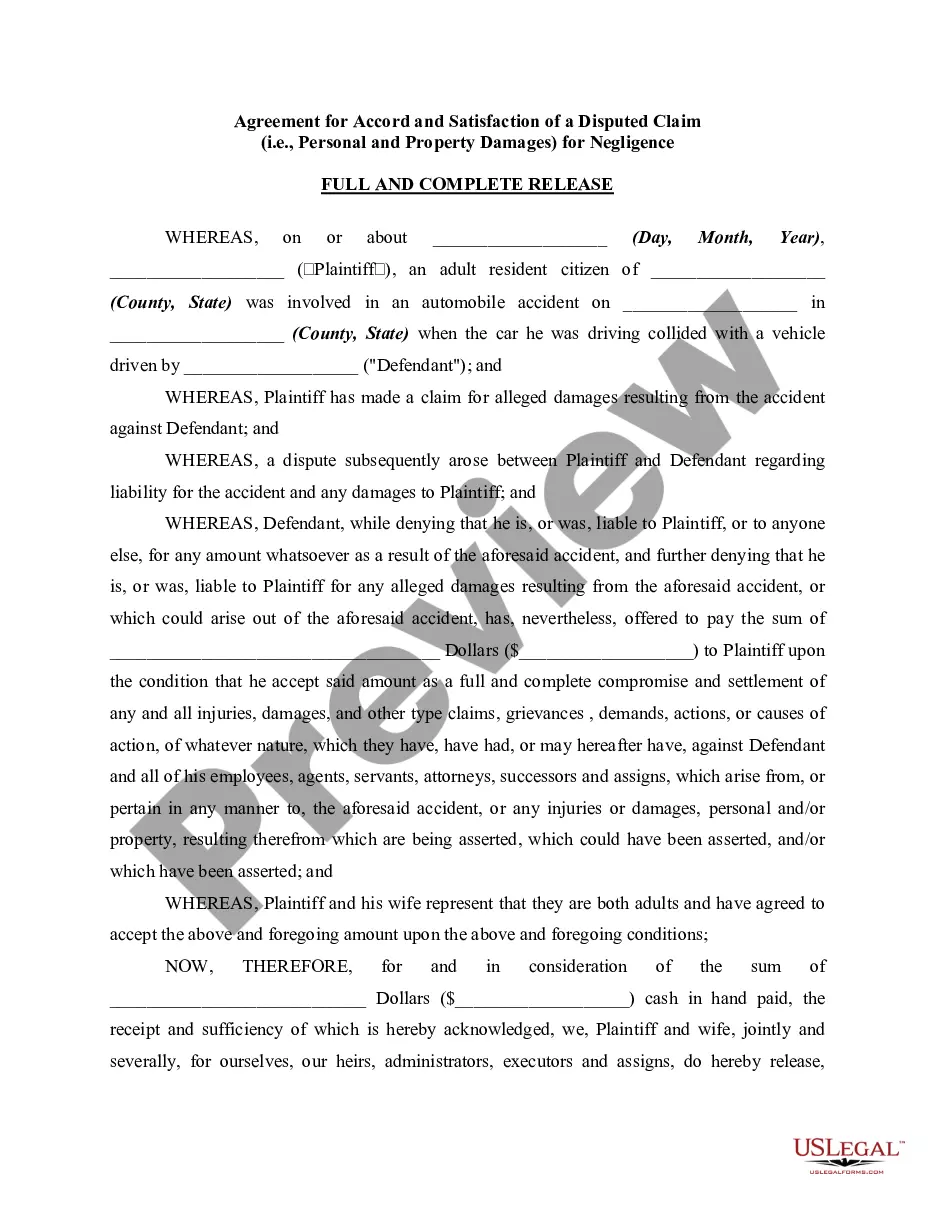
Get your form ready online
Our built-in tools help you complete, sign, share, and store your documents in one place.
Make edits, fill in missing information, and update formatting in US Legal Forms—just like you would in MS Word.
Download a copy, print it, send it by email, or mail it via USPS—whatever works best for your next step.
Sign and collect signatures with our SignNow integration. Send to multiple recipients, set reminders, and more. Go Premium to unlock E-Sign.
If this form requires notarization, complete it online through a secure video call—no need to meet a notary in person or wait for an appointment.
We protect your documents and personal data by following strict security and privacy standards.

Make edits, fill in missing information, and update formatting in US Legal Forms—just like you would in MS Word.

Download a copy, print it, send it by email, or mail it via USPS—whatever works best for your next step.

Sign and collect signatures with our SignNow integration. Send to multiple recipients, set reminders, and more. Go Premium to unlock E-Sign.

If this form requires notarization, complete it online through a secure video call—no need to meet a notary in person or wait for an appointment.

We protect your documents and personal data by following strict security and privacy standards.
Looking for another form?







Form popularity
FAQ
Your C&P examination is your opportunity to discuss with a VA examiner what caused your knee injury or condition and its disabling effects. It is also the opportunity for the VA to perform testing for range of motion on you to better understand the nature of your disability and its symptoms.
What Rating Can the VA Give Knee Pain? Knee pain can receive a disability rating from 0% to 60%, with the average VA ratings for knee conditions being between 10% and 30%. The more pain and less mobility you have, the higher your rating will be.
Obtaining VA disability benefits for knee pain can be challenging. However, while reported knee pain may not be enough to qualify a veteran for benefits, there are some knee conditions that can. These conditions include: Osteomyelitis.
To prove your knee condition is service-connected, you need a current medical diagnosis, documented evidence of an in-service injury or event, and a medical nexus linking the condition to your service.
Your C&P examination is your opportunity to discuss with a VA examiner what caused your knee injury or condition and its disabling effects. It is also the opportunity for the VA to perform testing for range of motion on you to better understand the nature of your disability and its symptoms.
To win a VA knee claim, veterans submit three key components to prove a direct connection: a current medical diagnosis, evidence of an in-service event or injury, and a medical nexus linking the two.
What Rating Can the VA Give Knee Pain? Knee pain can receive a disability rating from 0% to 60%, with the average VA ratings for knee conditions being between 10% and 30%. The more pain and less mobility you have, the higher your rating will be.
A C&P examination for arthritis usually includes a review of your medical provider's official diagnosis and other medical evidence, followed by a physical examination and diagnostic motion testing. The examiner will be looking for existing x-rays, MRIs, or CT scans to show the existence of the arthritis condition.
Steps to Appeal a Health Insurance Claim Denial Step 1: Find Out Why Your Claim Was Denied. Step 2: Call Your Insurance Provider. Step 3: Call Your Doctor's Office. Step 4: Collect the Right Paperwork. Step 5: Submit an Internal Appeal. Step 6: Wait For An Answer. Step 7: Submit an External Review. Review Your Plan Coverage.
Some basic pointers for handling claims denials are outlined below. Carefully review all notifications regarding the claim. Be persistent. Don't delay. Get to know the appeals process. Maintain records on disputed claims. Remember that help is available.

