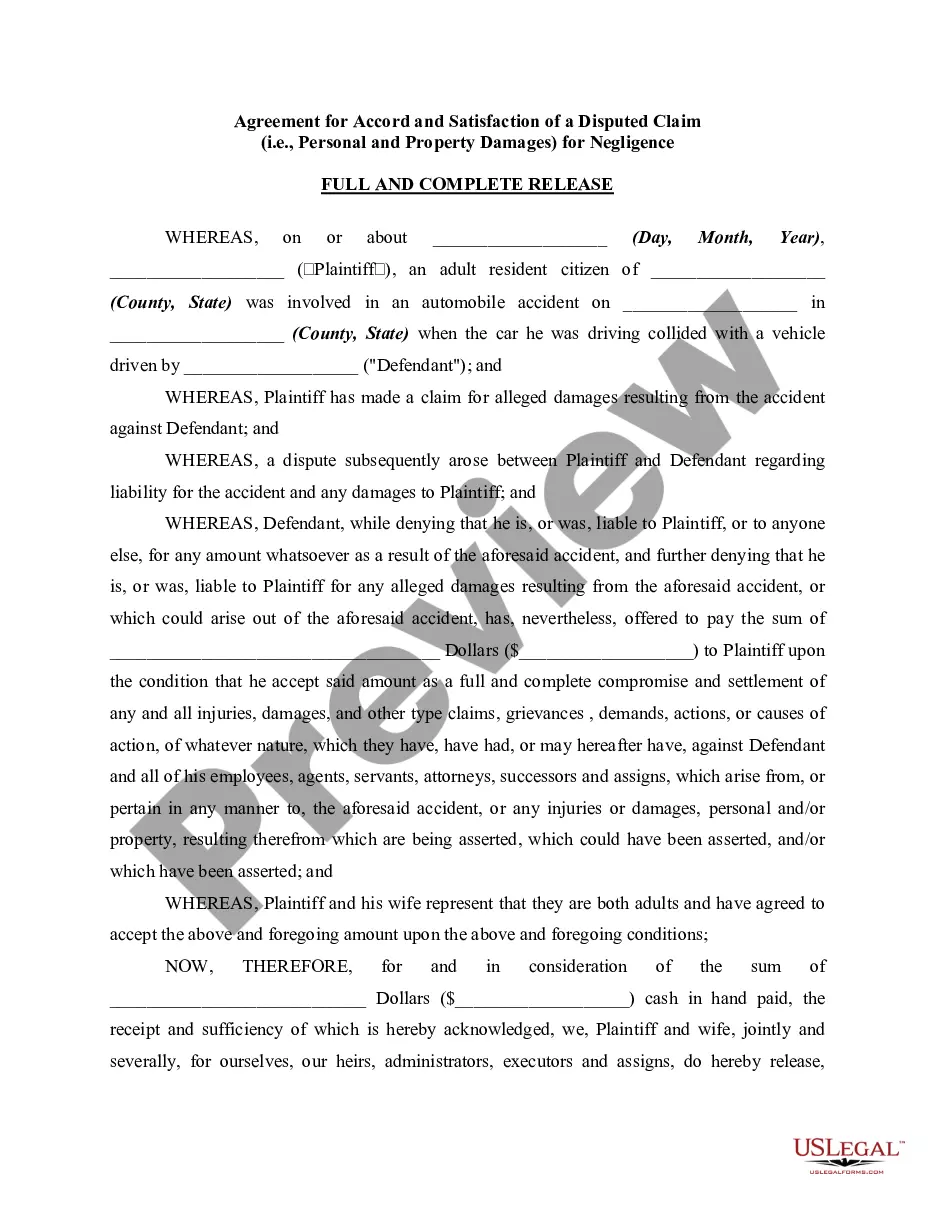
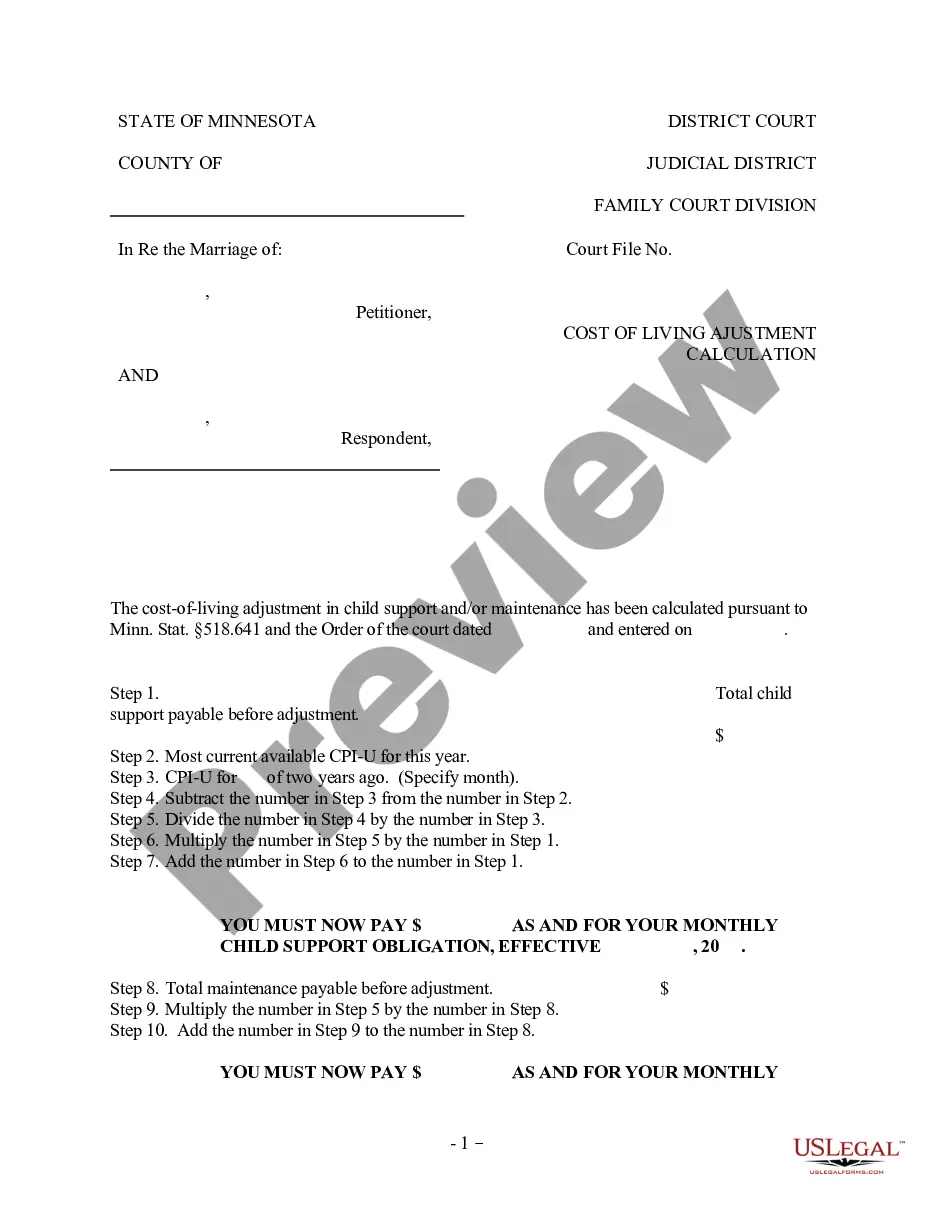
Denied Claim Agreement With Mexico In Illinois
Description
Get your form ready online
Our built-in tools help you complete, sign, share, and store your documents in one place.
Make edits, fill in missing information, and update formatting in US Legal Forms—just like you would in MS Word.
Download a copy, print it, send it by email, or mail it via USPS—whatever works best for your next step.
Sign and collect signatures with our SignNow integration. Send to multiple recipients, set reminders, and more. Go Premium to unlock E-Sign.
If this form requires notarization, complete it online through a secure video call—no need to meet a notary in person or wait for an appointment.
We protect your documents and personal data by following strict security and privacy standards.

Make edits, fill in missing information, and update formatting in US Legal Forms—just like you would in MS Word.

Download a copy, print it, send it by email, or mail it via USPS—whatever works best for your next step.

Sign and collect signatures with our SignNow integration. Send to multiple recipients, set reminders, and more. Go Premium to unlock E-Sign.

If this form requires notarization, complete it online through a secure video call—no need to meet a notary in person or wait for an appointment.

We protect your documents and personal data by following strict security and privacy standards.
Looking for another form?
Form popularity
FAQ
To start an appeal of a circuit court order or judgment, you must file a Notice of Appeal. Do this within 30 days after the final judgment, counting weekends and holidays. The Notice of Appeal tells the circuit court and the other parties that you're appealing the circuit court's order.
A former DA explains the 5 most common grands to appeal a criminal conviction. These include erroneous admission of evidence, prosecutorial misconduct, jury misconduct, ineffective assistance of counsel and insufficient evidence.
File an Appeal The appeal must be in writing or you may use form APL124F: Notice of Appeal/Board of Review. You must appeal within 30 days of the date of the Decision's issue. You should state why you are appealing and include the docket number of the Referee's Decision.
Under Section 602 of the Illinois Unemployment Insurance Act, an individual who is discharged because of misconduct connected with his/her work, is ineligible for unemployment benefits.
