Denied Claim Agreement For Medical Necessity In Fulton
Description
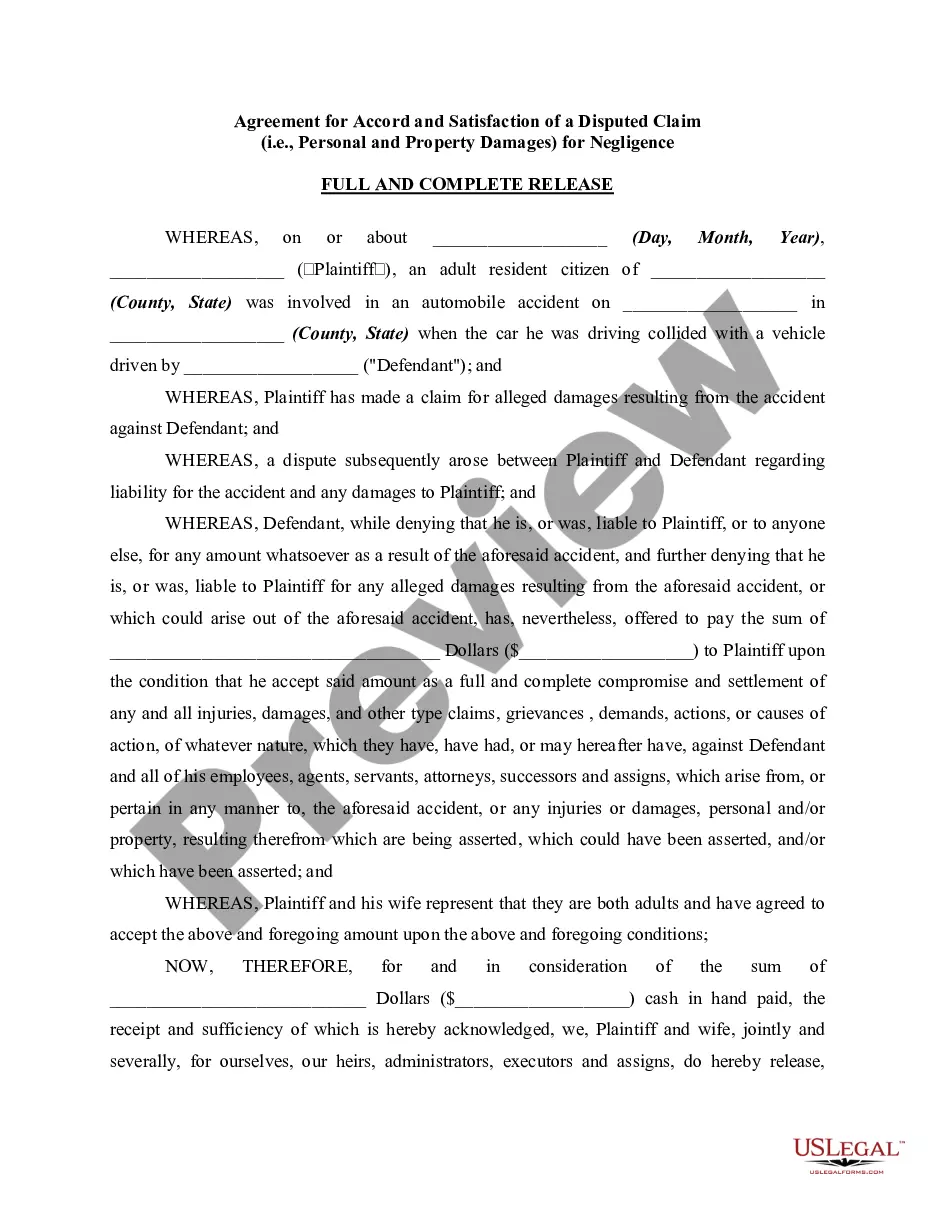
Get your form ready online
Our built-in tools help you complete, sign, share, and store your documents in one place.
Make edits, fill in missing information, and update formatting in US Legal Forms—just like you would in MS Word.
Download a copy, print it, send it by email, or mail it via USPS—whatever works best for your next step.
Sign and collect signatures with our SignNow integration. Send to multiple recipients, set reminders, and more. Go Premium to unlock E-Sign.
If this form requires notarization, complete it online through a secure video call—no need to meet a notary in person or wait for an appointment.
We protect your documents and personal data by following strict security and privacy standards.

Make edits, fill in missing information, and update formatting in US Legal Forms—just like you would in MS Word.

Download a copy, print it, send it by email, or mail it via USPS—whatever works best for your next step.

Sign and collect signatures with our SignNow integration. Send to multiple recipients, set reminders, and more. Go Premium to unlock E-Sign.

If this form requires notarization, complete it online through a secure video call—no need to meet a notary in person or wait for an appointment.

We protect your documents and personal data by following strict security and privacy standards.
Looking for another form?





Form popularity
FAQ
Denial code 50 is used when the payer determines that the services provided are not considered a 'medical necessity'. This means that the payer does not believe that the services are essential for the patient's diagnosis or treatment.
How to Prove Medical Necessity Patient Medical Records: Detailed records of the patient's medical history, symptoms, diagnoses, and previous treatments. Clinical Evidence: Research studies, clinical trials, and medical literature supporting the efficacy of the treatment.
Some of the effective tips to improve denial management in healthcare are: Understand Why Claims were Denied. Streamline the Denial Management Process. Process Claims in a Week. Implement a Claims Denial Log. Identify Common Healthcare Claims Denial Trends. Outsource Your Medical Billing Denial Management Process.
If your resubmitted claim is denied and you believe the denial was improper, you may appeal the decision ing to the carrier's guidelines. Make sure you know exactly what information you need to submit with your appeal. Keep in mind that appeal procedures may vary by insurance company and state law.
If an insurance company denies a request or claim for medical treatment, insureds have the right to appeal to the company and also to then ask the Department of Insurance to review the denial. These actions often succeed in obtaining needed medical treatment, so a denial by an insurer is not the final word.
Provider credentialing issues, • Non-covered services, per insurance carrier, • Services are found to be medically unnecessary, • Missing referral from primary care physician to specialist when required, • Missing provider data, • Incorrect patient information, and • Incorrect point-of-service code (usually a two-digit ...
Some basic pointers for handling claims denials are outlined below. Carefully review all notifications regarding the claim. Be persistent. Don't delay. Get to know the appeals process. Maintain records on disputed claims. Remember that help is available.
Plans only cover health care they determine is medically necessary. Examples of services or treatments a plan may define as not medically necessary include cosmetic procedures, treatments that haven't been proven effective, and treatments more expensive than others that are also effective.
Common Reasons for Claim Denials Technicalities: missing codes or authorizations, claim filing mistakes. Medical: treatment not considered a medical necessity or is considered experimental/investigational.
You may be able to appeal to your insurance company multiple times based on the evidence you provide. If the outcome is not satisfactory, you can consider contacting a public adjuster to advocate on your behalf or file a complaint with your state's insurance department to act as an intermediary for the dispute.

