Denied Claim Agreement For Service In Florida
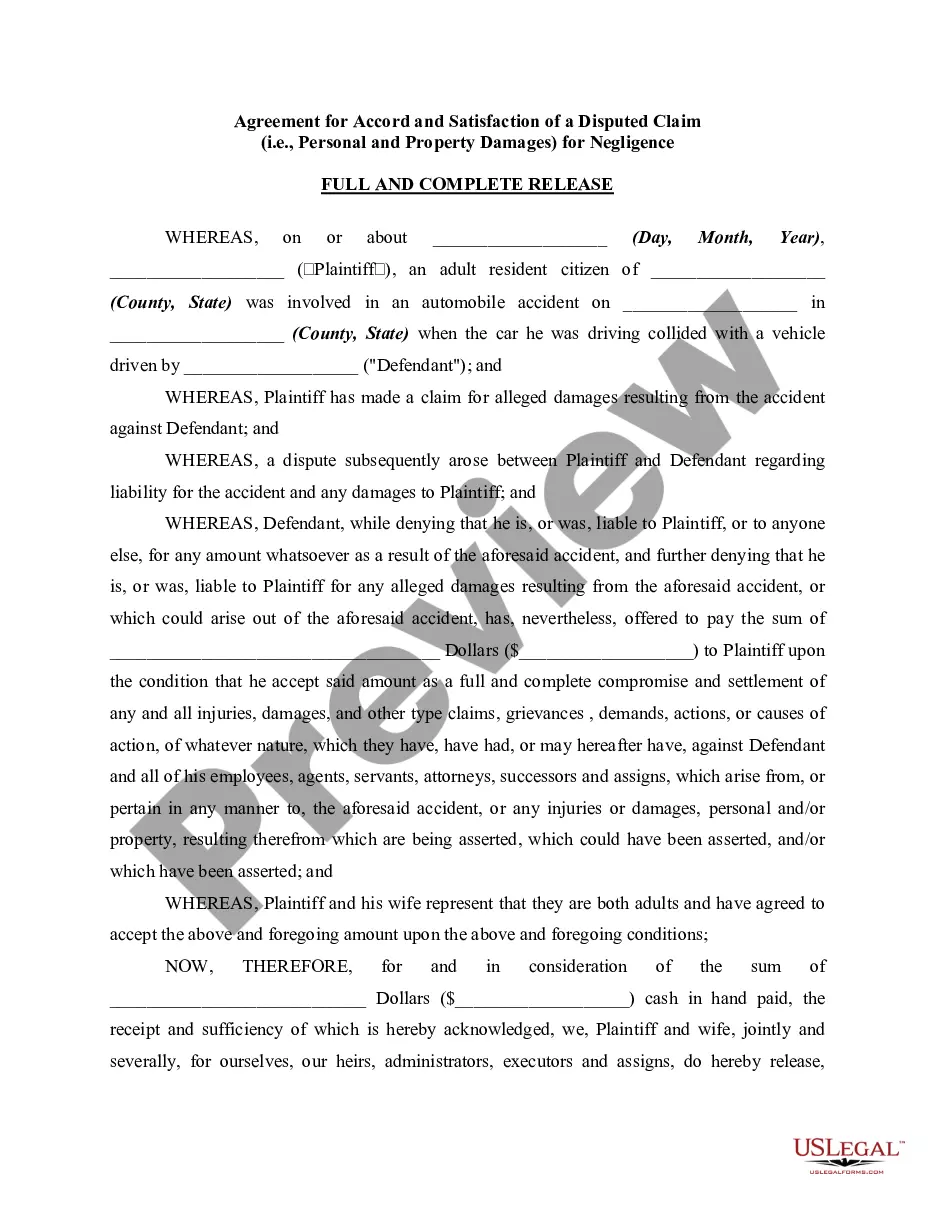
Description
Get your form ready online
Our built-in tools help you complete, sign, share, and store your documents in one place.
Make edits, fill in missing information, and update formatting in US Legal Forms—just like you would in MS Word.
Download a copy, print it, send it by email, or mail it via USPS—whatever works best for your next step.
Sign and collect signatures with our SignNow integration. Send to multiple recipients, set reminders, and more. Go Premium to unlock E-Sign.
If this form requires notarization, complete it online through a secure video call—no need to meet a notary in person or wait for an appointment.
We protect your documents and personal data by following strict security and privacy standards.

Make edits, fill in missing information, and update formatting in US Legal Forms—just like you would in MS Word.

Download a copy, print it, send it by email, or mail it via USPS—whatever works best for your next step.

Sign and collect signatures with our SignNow integration. Send to multiple recipients, set reminders, and more. Go Premium to unlock E-Sign.

If this form requires notarization, complete it online through a secure video call—no need to meet a notary in person or wait for an appointment.

We protect your documents and personal data by following strict security and privacy standards.
Looking for another form?







Form popularity
FAQ
Which insurance companies are considered the worst? Allstate. Allstate has provided insurance to Americans since 1931. Progressive. Progressive was launched in 1937. UnitedHealth. Richard T. State Farm. State Farm has been in business since 1922. Elevance Health (formerly Anthem) ... Unum. Federal Employee Benefits. Farmers.
Nationwide, high-volume insurers with higher in-network denial rates across HealthCare states included Blue Cross Blue Shield of Alabama (35% for its 12 plans in that state), UnitedHealth Group (33% across 274 plans in 20 states), Health Care Service Corporation (29% across 915 plans in four states), Molina ...
If an insurance company denies a request or claim for medical treatment, insureds have the right to appeal to the company and also to then ask the Department of Insurance to review the denial. These actions often succeed in obtaining needed medical treatment, so a denial by an insurer is not the final word.
Ratio for Complaint Years 2023, 2022, and 2021 2023 RankCompany Name2023 Approx. Exposure Count 1 AMERICAN NATIONAL PROPERTY AND CASUALTY COMPANY 105,710 2 MARKEL AMERICAN INSURANCE COMPANY 50,731 3 INTERINSURANCE EXCHANGE OF THE AUTOMOBILE CLUB 913,75948 more rows
Nationwide, high-volume insurers with higher in-network denial rates across HealthCare states included Blue Cross Blue Shield of Alabama (35% for its 12 plans in that state), UnitedHealth Group (33% across 274 plans in 20 states), Health Care Service Corporation (29% across 915 plans in four states), Molina ...
Kaiser Permanente has the lowest claim denial rate among major health insurance companies, which the analysis defined as brands offering Marketplace plans in seven states or more during the 2025 plan year. The California-based healthcare company denied just 6% of claims based on the available 2023 data.
The Florida Replacement Rule protects consumers during insurance policy changes. Among the options, the situation that does NOT apply to this rule is when an existing policyholder purchases an additional policy from the same insurer. This does not involve a replacement of the existing policy.
Steps to Appeal a Health Insurance Claim Denial Step 1: Find Out Why Your Claim Was Denied. Step 2: Call Your Insurance Provider. Step 3: Call Your Doctor's Office. Step 4: Collect the Right Paperwork. Step 5: Submit an Internal Appeal. Step 6: Wait For An Answer. Step 7: Submit an External Review.
Decision and Payment Timeline Once the investigation is complete, the insurance company has 90 days to make a decision on the claim. If the claim is approved, the insurer is then obligated to settle the claim—that is, to make payment to the claimant—within 20 days.
Generally, insurance companies are required to acknowledge and respond to any communication you attempt to make within 14 days of your claim. However, the exact time it takes an insurance adjuster to respond after you file your hurricane claim can vary widely.

