Dispute Claim Form Without Attorney In Cuyahoga
Description
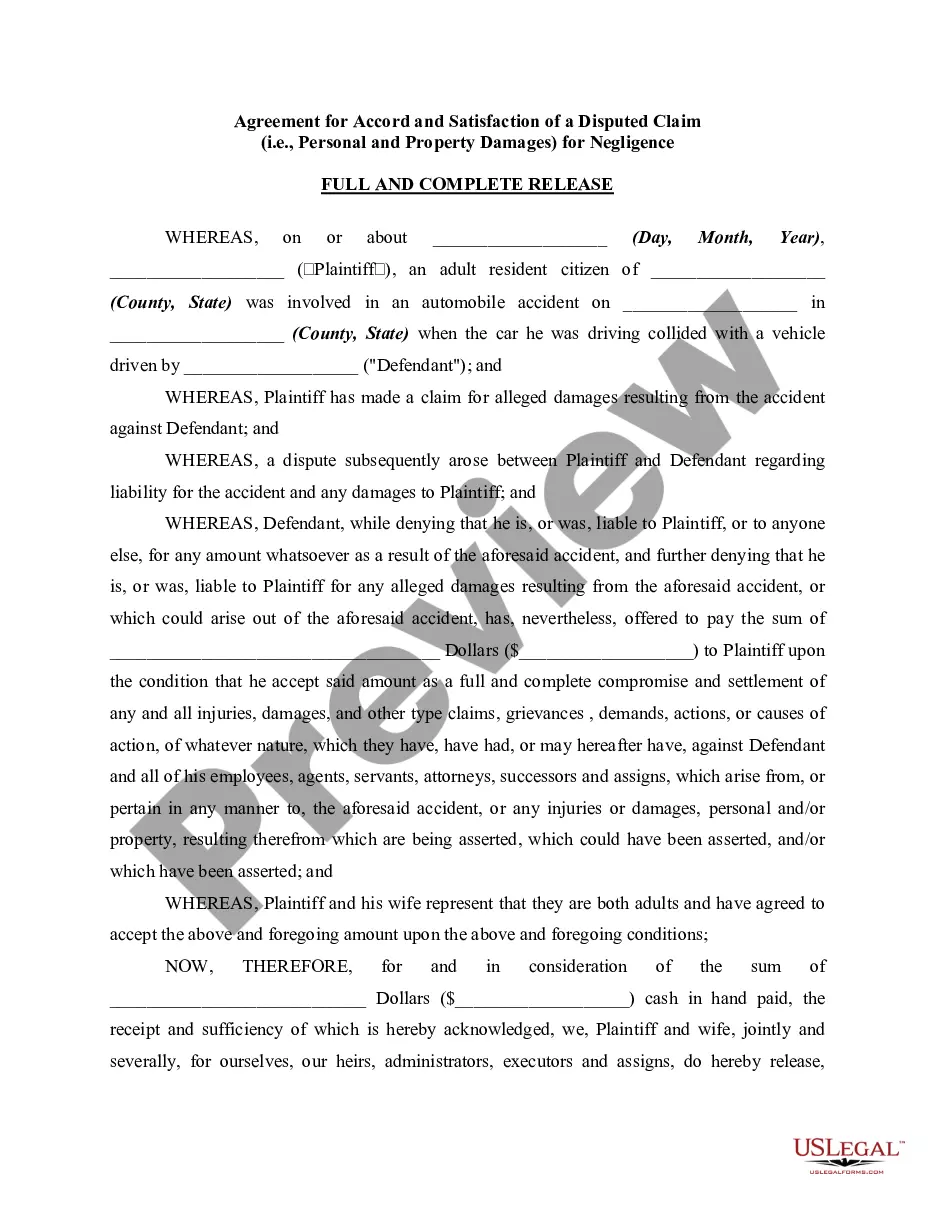
Get your form ready online
Our built-in tools help you complete, sign, share, and store your documents in one place.
Make edits, fill in missing information, and update formatting in US Legal Forms—just like you would in MS Word.
Download a copy, print it, send it by email, or mail it via USPS—whatever works best for your next step.
Sign and collect signatures with our SignNow integration. Send to multiple recipients, set reminders, and more. Go Premium to unlock E-Sign.
If this form requires notarization, complete it online through a secure video call—no need to meet a notary in person or wait for an appointment.
We protect your documents and personal data by following strict security and privacy standards.

Make edits, fill in missing information, and update formatting in US Legal Forms—just like you would in MS Word.

Download a copy, print it, send it by email, or mail it via USPS—whatever works best for your next step.

Sign and collect signatures with our SignNow integration. Send to multiple recipients, set reminders, and more. Go Premium to unlock E-Sign.

If this form requires notarization, complete it online through a secure video call—no need to meet a notary in person or wait for an appointment.

We protect your documents and personal data by following strict security and privacy standards.
Looking for another form?


Form popularity
FAQ
No one needs a lawyer in small claims court, but anyone can have a lawyer if he/she wishes. The procedure is much simpler than in regular court, and hearings are informal.
Cases seeking more than $10,000 are assigned as judicial cases, and a single judge may hear and decide on any civil action in this category. However, the state or claimant may apply to the court for a panel of three judges to hear the case.
The most you can sue for in Small Claims Court is $6,000.00. You may not separate your claim into a multiple suit in order to exceed the $6,000.00 maximum. You must know the address of the party you file suit against. If you are under 18, you must have your parent or legal guardian file the suit for you.
You have two options for filing a complaint: Fill out online, print and notarize your complaint form and bring it to: Cuyahoga County Administration Building. Attn: Department of Law, 7th Floor. Cleveland, OH 44115. Mail your notarized complaint form to: Cuyahoga County Human Rights Commission. Attn: Department of Law.
The procedures in small claims court are simpler than other cases. The hearing is informal; there is no jury; the rules are relaxed; court costs are lower; the maximum amount of recovery is $6,000.00 exclusive of costs and interest.
An individual will need to file their lawsuit against a company in Ohio on the appropriate jurisdiction. This means that the lawsuit will need to be filed in the proper court, for example, state or federal court. Once an individual determines the proper court, they will file a petition or complaint.
Service. A subpoena may be served by a sheriff, bailiff, coroner, clerk of court, constable, or a deputy of any, by an attorney at law, or by any other person designated by order of court who is not a party and is not less than eighteen years of age.
In a Nutshell It's important to respond to (or answer) the lawsuit. You do this by filing official paperwork with the court. Be sure to address every point in the complaint, raise any defenses you have, and file the paperwork within the time frame provided.
Answering a court summons in Ohio is as simple as filling out a few forms and delivering them to the court and the opposing party. Specifically, you'll need to file an answer form within 28 days of receiving the summons and then complete a certificate of service.

