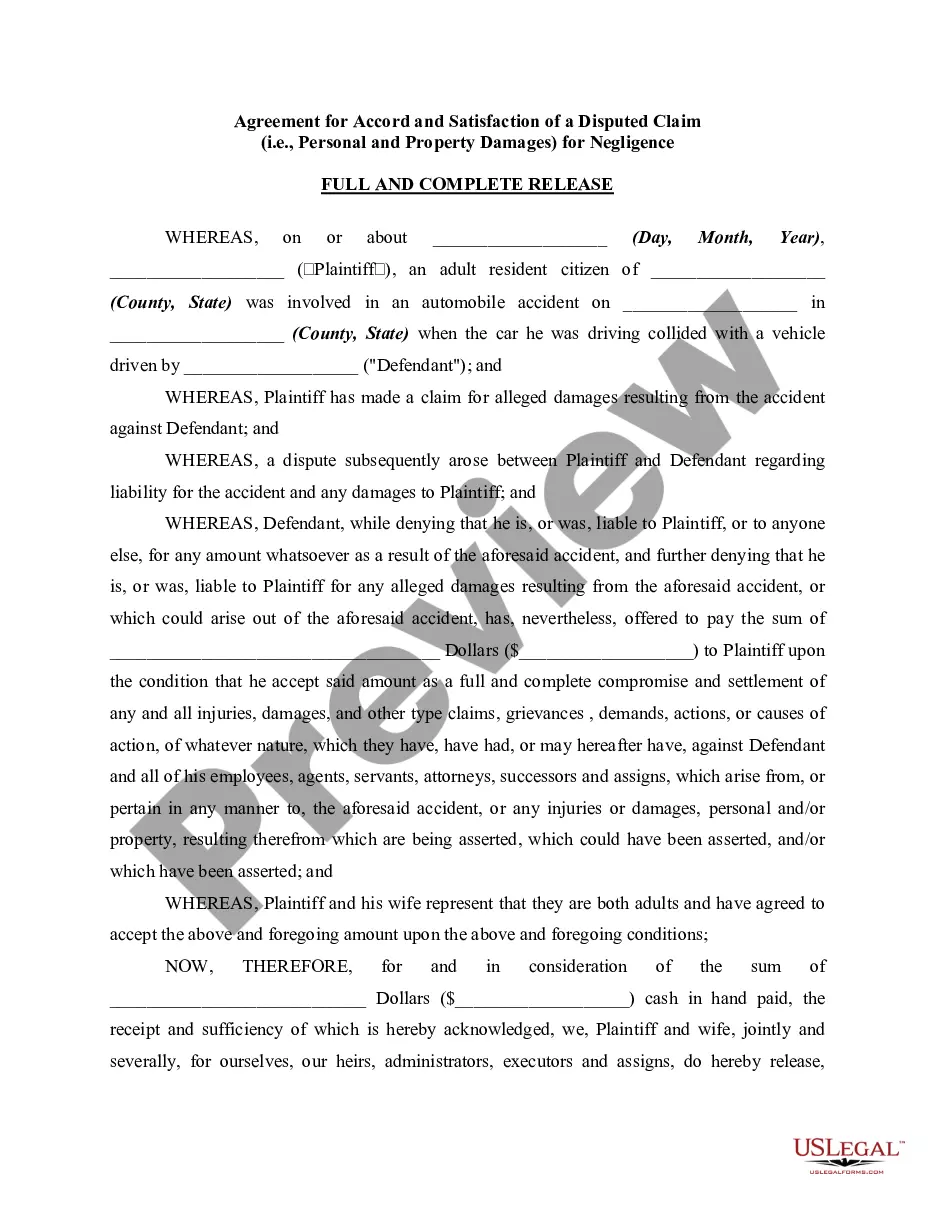
Denied Claim Agreement For Authorization In Cuyahoga
Description
Get your form ready online
Our built-in tools help you complete, sign, share, and store your documents in one place.
Make edits, fill in missing information, and update formatting in US Legal Forms—just like you would in MS Word.
Download a copy, print it, send it by email, or mail it via USPS—whatever works best for your next step.
Sign and collect signatures with our SignNow integration. Send to multiple recipients, set reminders, and more. Go Premium to unlock E-Sign.
If this form requires notarization, complete it online through a secure video call—no need to meet a notary in person or wait for an appointment.
We protect your documents and personal data by following strict security and privacy standards.

Make edits, fill in missing information, and update formatting in US Legal Forms—just like you would in MS Word.

Download a copy, print it, send it by email, or mail it via USPS—whatever works best for your next step.

Sign and collect signatures with our SignNow integration. Send to multiple recipients, set reminders, and more. Go Premium to unlock E-Sign.

If this form requires notarization, complete it online through a secure video call—no need to meet a notary in person or wait for an appointment.

We protect your documents and personal data by following strict security and privacy standards.
Looking for another form?






Form popularity
FAQ
To respond to the complaint, you will need to file an Answer. If you will look at the SUMMONS, which often is the first page of the papers received from the Court, you will notice that it demands that you Answer the Complaint within 28 days after you are served with the Summons.
Once the Answer is prepared, and signed by you, it must be filed with the Clerk of Courts within 28 days from the date you receive the Summons, and copies must be sent to the Plaintiff or, if the Plaintiff is represented, to the Plaintiff's attorney, which is listed at the end of the Complaint, and to all other ...
File the answer with your clerk of courts' office. The summons will have the address and contact information for the clerk of court's office. Mail a copy of your answer on the plaintiff's attorney. You can find name and address for the plaintiff's attorney on the summons.
You have 28 days from the date of service, unless that time period is extended by motion or agreement, to file an answer or other response to the complaint. An answer or other response to the complaint must be filed with the Clerk of Courts.
11.0 HEARING AND SUBMISSION OF MOTIONS If the motion requires consideration of facts not appearing of record, the movant shall serve and file copies of all affidavits, depositions, photographs or documentary evidence which the movant desires to submit in support of the motion.
Answering a court summons in Ohio is as simple as filling out a few forms and delivering them to the court and the opposing party. Specifically, you'll need to file an answer form within 28 days of receiving the summons and then complete a certificate of service.
To obtain emergency custody of a child, a parent must first file a motion for emergency custody with the clerk of court. The form will require the parent to include detailed information regarding the purported imminent threat to the child in the existing custody situation.
Clerical mistakes in judgments, orders or other parts of the record and errors therein arising from oversight or omission may be corrected by the court at any time on its own initiative or on the motion of any party and after such notice, if any, as the court orders.
10.0 ENTRY OF APPEARANCE AND WITHDRAWAL OF COUNSEL Until an entry of appearance properly made and signed by counsel has been filed, counsel shall not be entitled to appear at any proceeding in the action.
The "Rule of 60" is a guideline often used in retirement plans, where an employee becomes eligible for a pension or early retirement benefits once their age combined with years of service equals 60. This rule aims to reward long-serving employees by allowing them to retire earlier with full or partial benefits.

