Here Denied Claim For Medical Necessity In Collin
Description
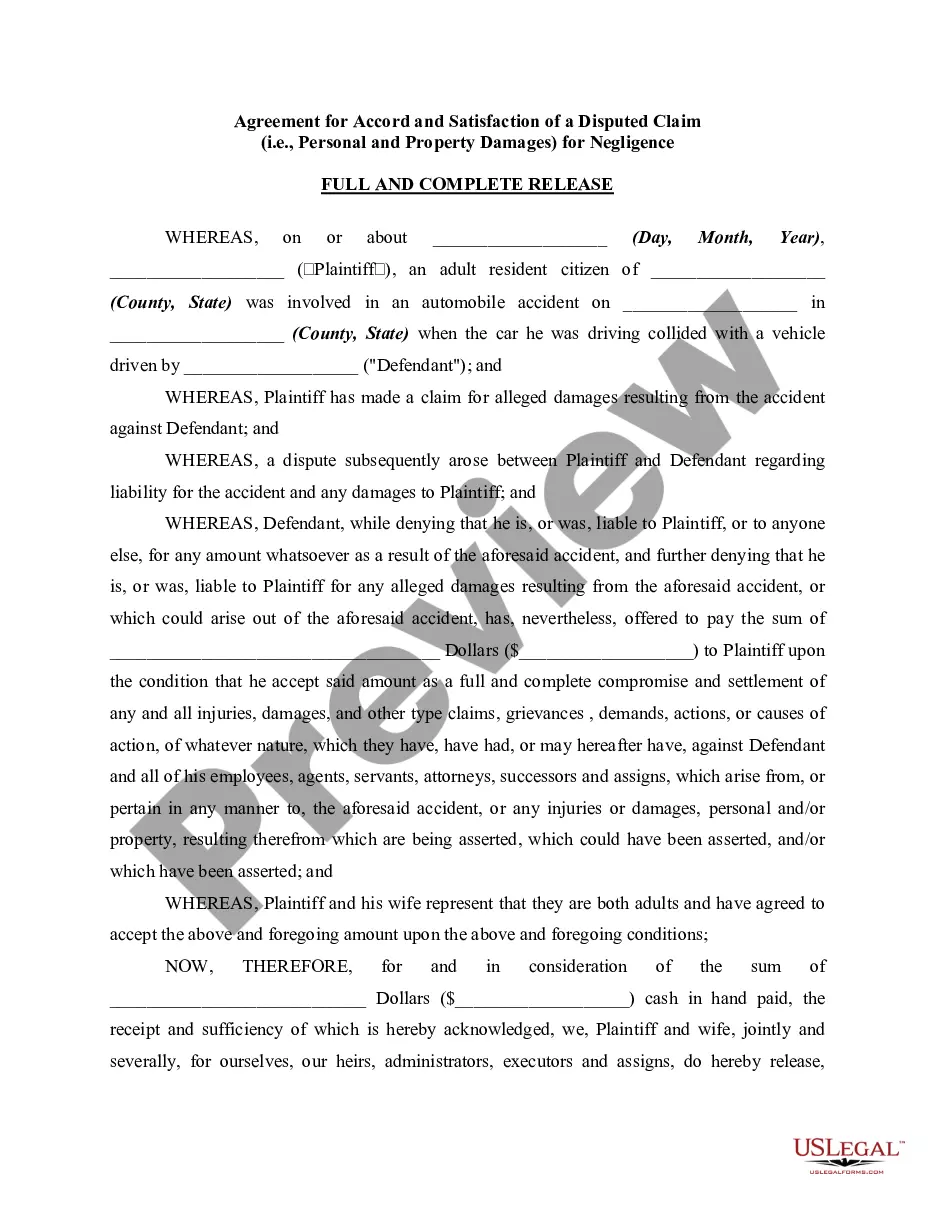
Get your form ready online
Our built-in tools help you complete, sign, share, and store your documents in one place.
Make edits, fill in missing information, and update formatting in US Legal Forms—just like you would in MS Word.
Download a copy, print it, send it by email, or mail it via USPS—whatever works best for your next step.
Sign and collect signatures with our SignNow integration. Send to multiple recipients, set reminders, and more. Go Premium to unlock E-Sign.
If this form requires notarization, complete it online through a secure video call—no need to meet a notary in person or wait for an appointment.
We protect your documents and personal data by following strict security and privacy standards.

Make edits, fill in missing information, and update formatting in US Legal Forms—just like you would in MS Word.

Download a copy, print it, send it by email, or mail it via USPS—whatever works best for your next step.

Sign and collect signatures with our SignNow integration. Send to multiple recipients, set reminders, and more. Go Premium to unlock E-Sign.

If this form requires notarization, complete it online through a secure video call—no need to meet a notary in person or wait for an appointment.

We protect your documents and personal data by following strict security and privacy standards.
Looking for another form?



Form popularity
FAQ
Some basic pointers for handling claims denials are outlined below. Carefully review all notifications regarding the claim. Be persistent. Don't delay. Get to know the appeals process. Maintain records on disputed claims. Remember that help is available.
Be persistent Your appeal should include an explanation of your reconsideration request, along with any necessary supporting documentation, such as a copy of the claim in question and copies of earlier communication to the company about the matter.
Denial code 50 is used when the payer determines that the services provided are not considered a 'medical necessity'. This means that the payer does not believe that the services are essential for the patient's diagnosis or treatment.
If your claim has been denied or your benefits were terminated, and you do not agree with the decision, you have three options: Appeal the decision. File a lawsuit. Negotiate a Settlement.
Medical Necessity Denials: Appeals Review the definition of “Medical Necessity” in your provider contract. Review the patient's medical records, including surgical reports. Call the health plan to discuss the denial with the designated reviewer.
Tips for Requesting and Sending a Medical Necessity Letter Make sure that your doctor drafts a medical necessity letter that: Is published on formal letterhead, signed and dated. Includes detailed identification for both patient and provider. Details the diagnosis, treatment, and relevant medical history.
Your request must include: Your name and Medicare Number. The specific item(s) and/or service(s) you're requesting a redetermination and specific date(s) of service. An explanation of why you don't agree with the initial determination.
Patient's name requires treatment for a medical condition. I respectfully request that you review the additional documentation provided and consider overturning your coverage decision regarding insert specific language from the denial letter for patient's name. Thank you for your prompt attention to this matter.

