Trucker Independent Contractor Agreement With Non Compete Clause In Chicago
Description

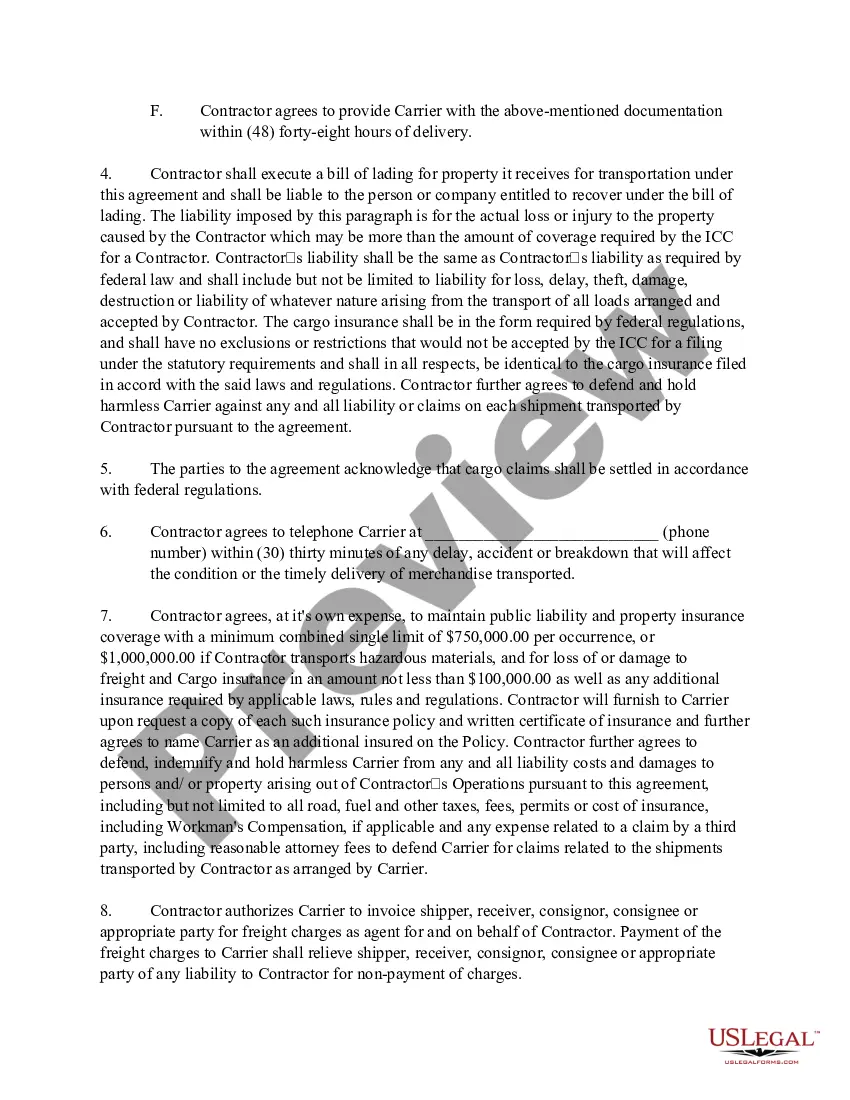
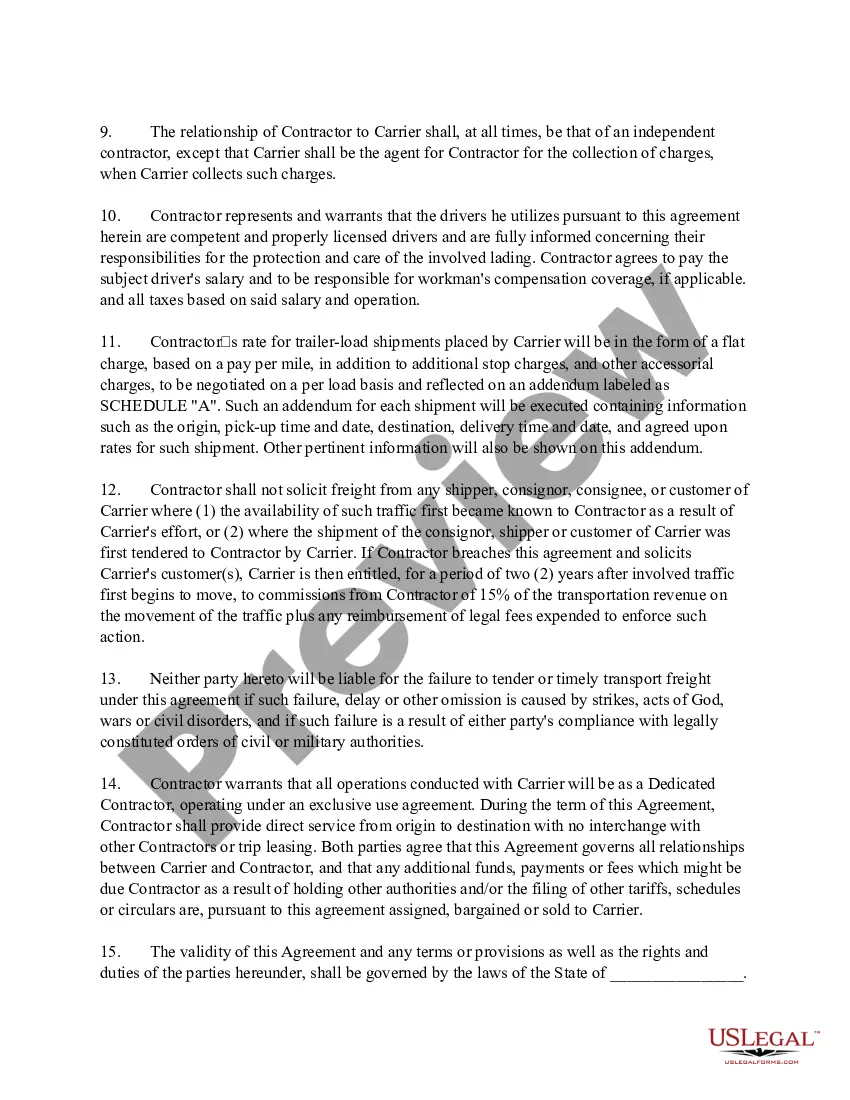
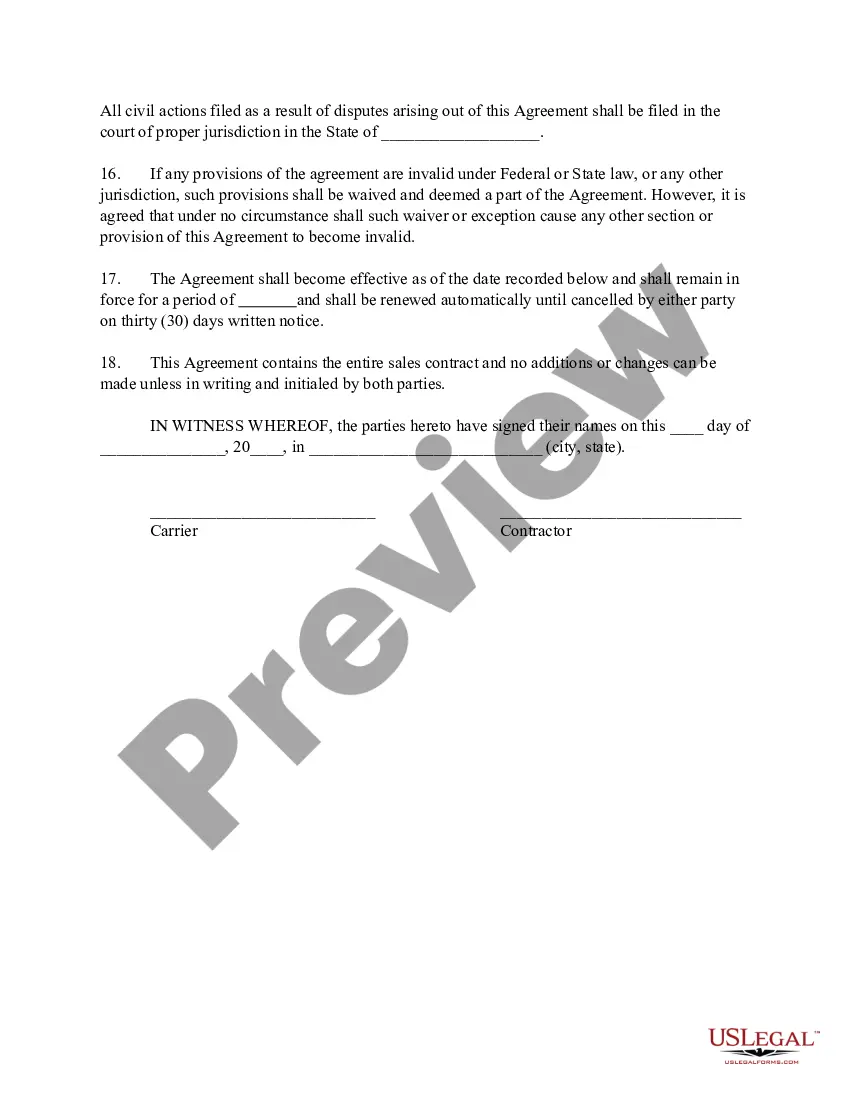
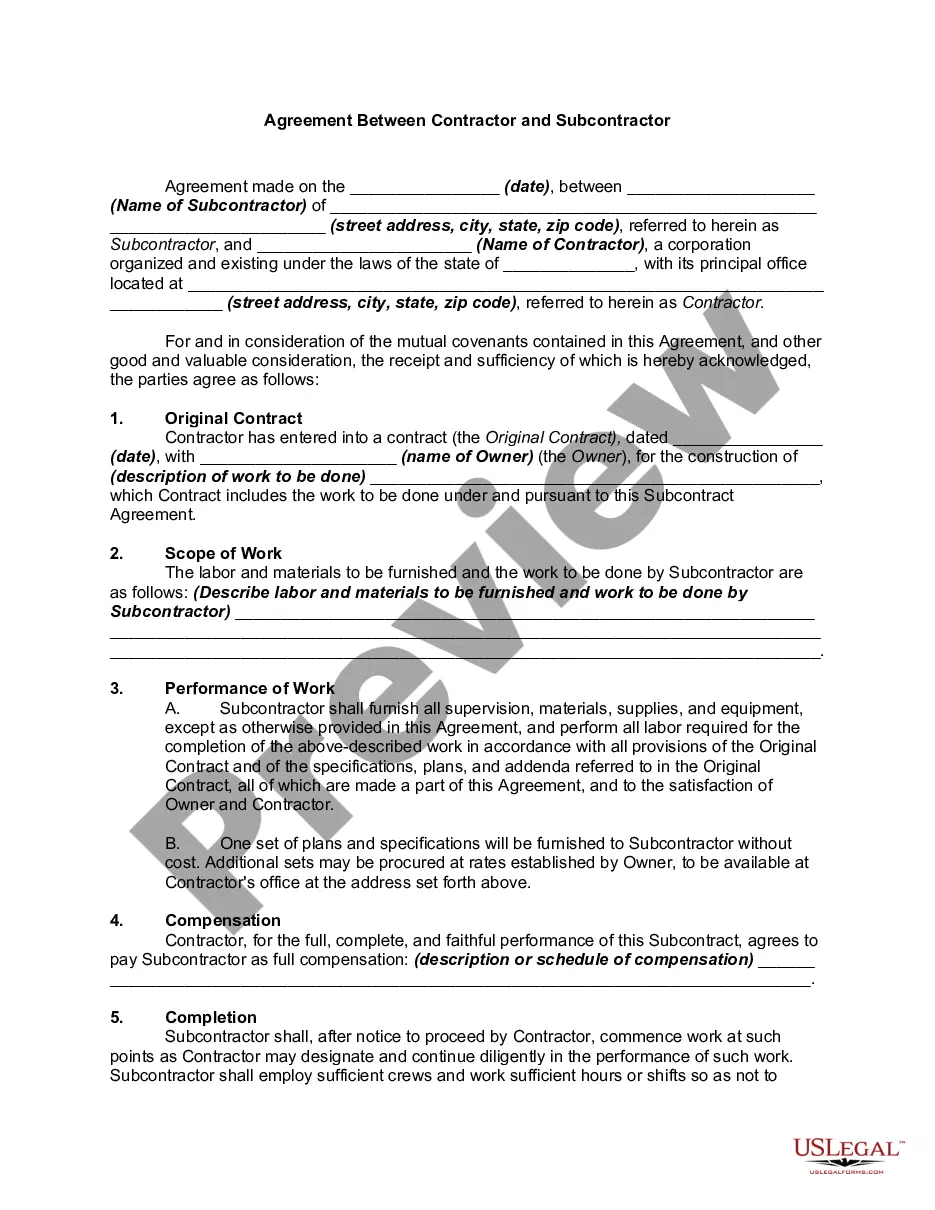
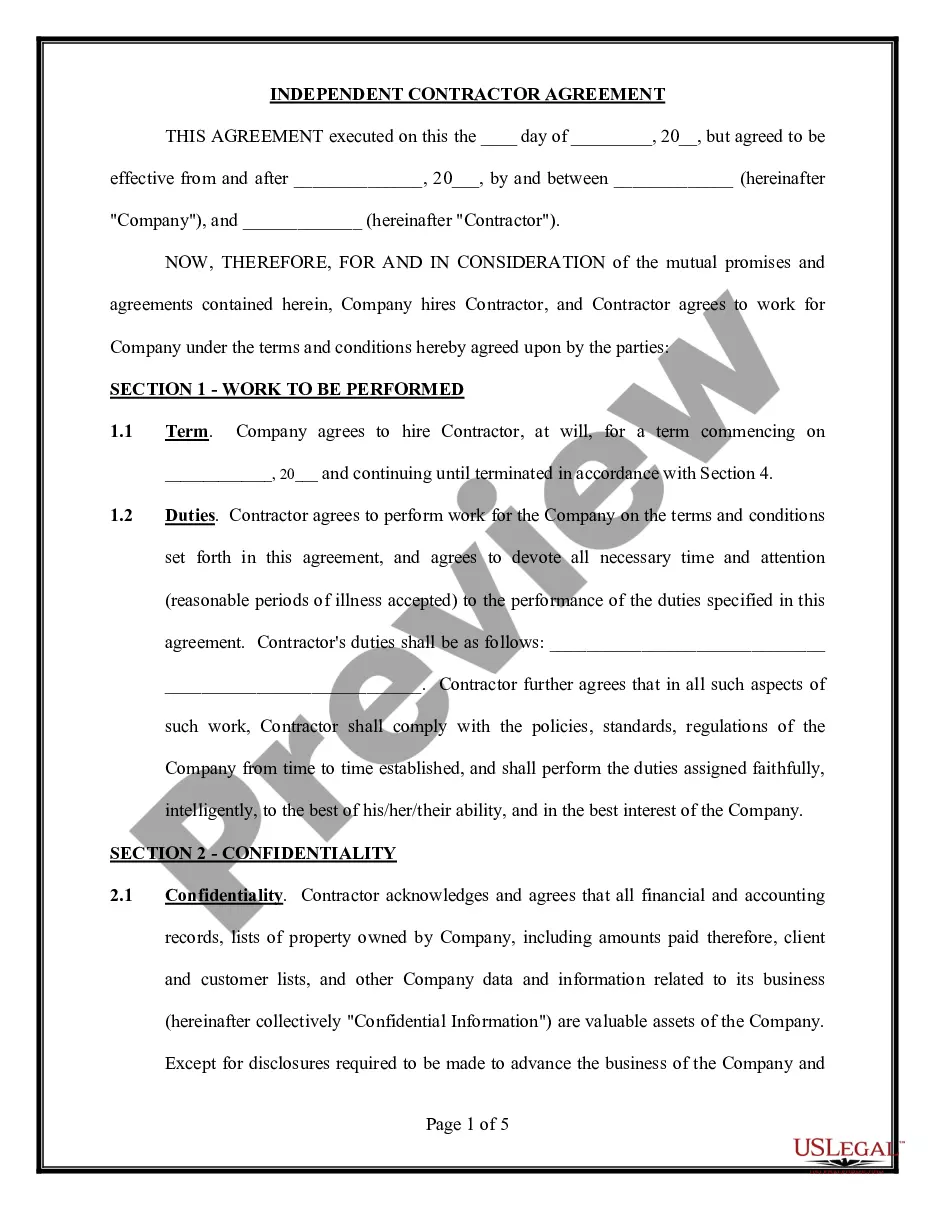
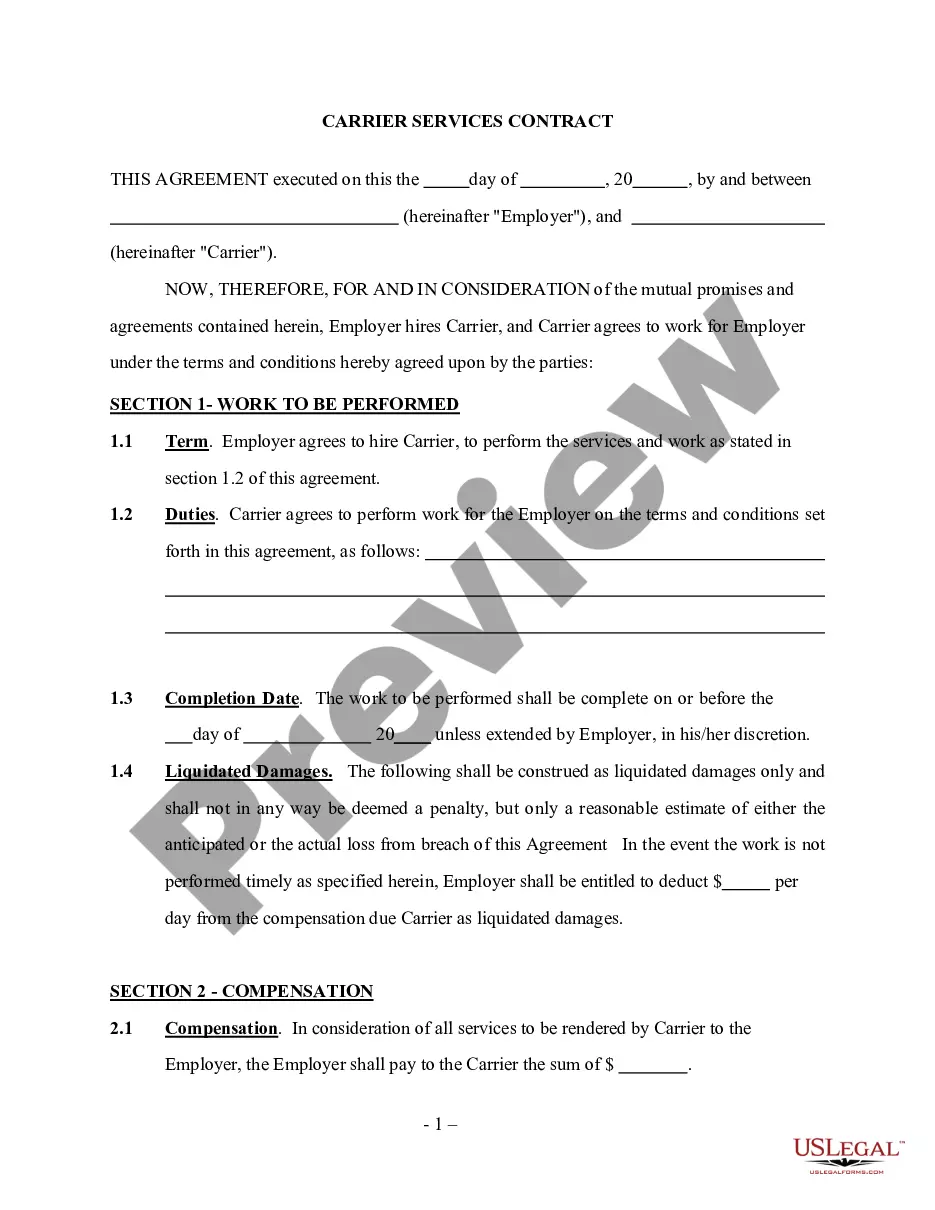
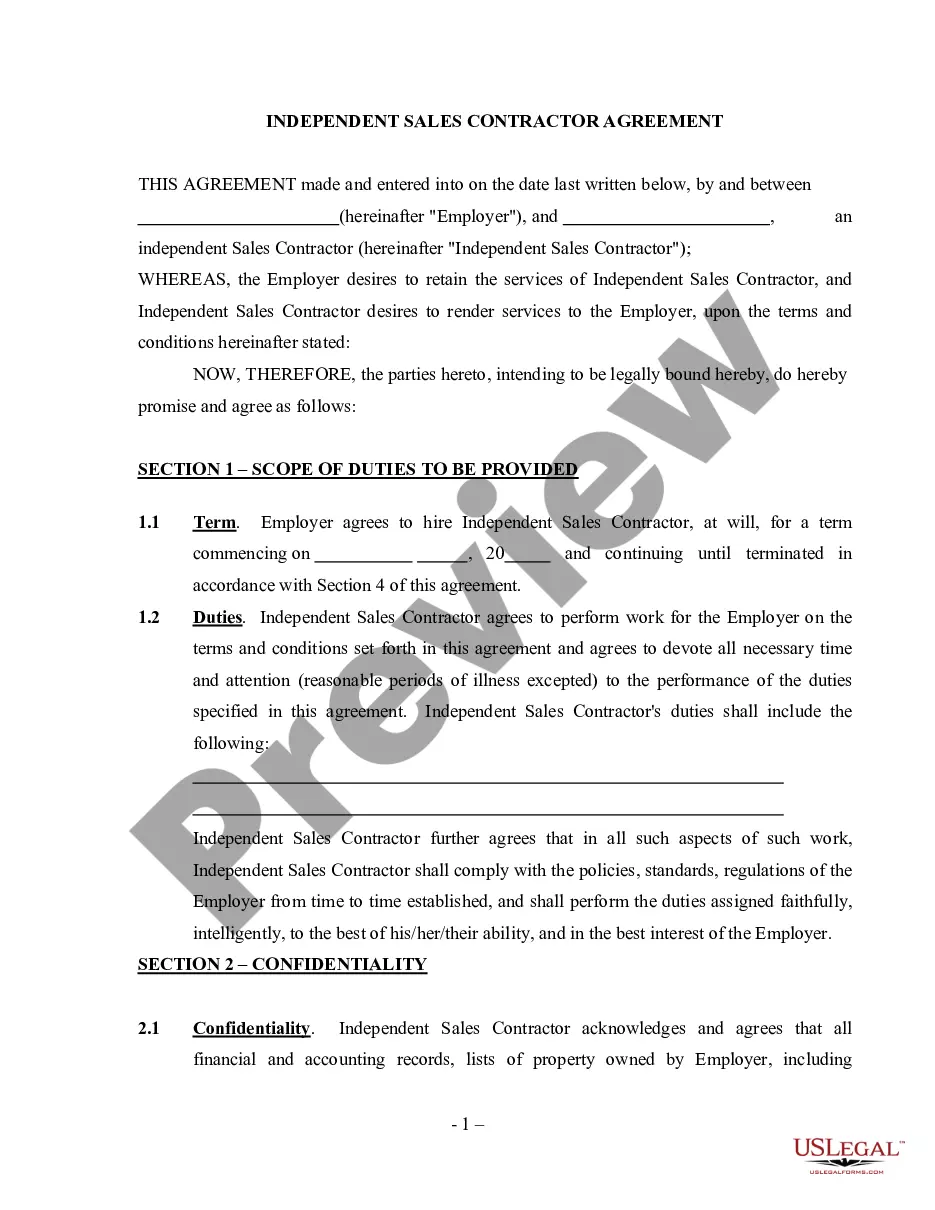
Get your form ready online
Our built-in tools help you complete, sign, share, and store your documents in one place.
Make edits, fill in missing information, and update formatting in US Legal Forms—just like you would in MS Word.
Download a copy, print it, send it by email, or mail it via USPS—whatever works best for your next step.
Sign and collect signatures with our SignNow integration. Send to multiple recipients, set reminders, and more. Go Premium to unlock E-Sign.
If this form requires notarization, complete it online through a secure video call—no need to meet a notary in person or wait for an appointment.
We protect your documents and personal data by following strict security and privacy standards.

Make edits, fill in missing information, and update formatting in US Legal Forms—just like you would in MS Word.

Download a copy, print it, send it by email, or mail it via USPS—whatever works best for your next step.

Sign and collect signatures with our SignNow integration. Send to multiple recipients, set reminders, and more. Go Premium to unlock E-Sign.

If this form requires notarization, complete it online through a secure video call—no need to meet a notary in person or wait for an appointment.

We protect your documents and personal data by following strict security and privacy standards.
Looking for another form?

Form popularity
FAQ
In fact, California law prohibits the use of non-competes.
While contracts vary from company to company, a non-compete agreement means that post-termination, the employee cannot: Work for a competitor (company or individual) in the same market. Start a business offering the same products or services.
The Illinois Freedom to Work Act prohibits non-compete agreements between an employer and low-wage employees (see Question 1), but does not address non-solicitation agreements. Generally, Illinois courts enforce non-solicitation agreements if the terms are: ∎ Reasonable.
compete agreement legally binds a current or former employee from competing with an employer for a specific time after employment ceases. Under such an agreement, the employee must not reveal any trade secrets learned during or after employment.
Take a non-competitive job or role outside your current employer's specialty. Prove your employer breached the contract to invalidate the non-compete clause. Argue that the non-compete is overly restrictive or not enforceable. Negotiate or prove no legitimate business interests exist to uphold the agreement.
Add information about the parties involved. Describe the terms of the Non-Compete Agreement, such as the length and area of the restriction. If necessary, you can include a non-solicitation clause. Add a confidentiality clause.
Additionally, the agreement not to compete must not impose undue hardship on the employee. A clause prohibiting the employee from working for a competitor in a 10 mile radius may be acceptable, but one that prohibits him from working for any competitor in North America may not.
Id. § 35(a). Finally, the amendment explicitly recognizes two limitations on its application. First, it only applies to agreements “entered into after the effective date” of the amendment (i.e., January 1, 2022) and is not retroactive.
