Loan Corporate Resolution Without Dissent In Sacramento
Description

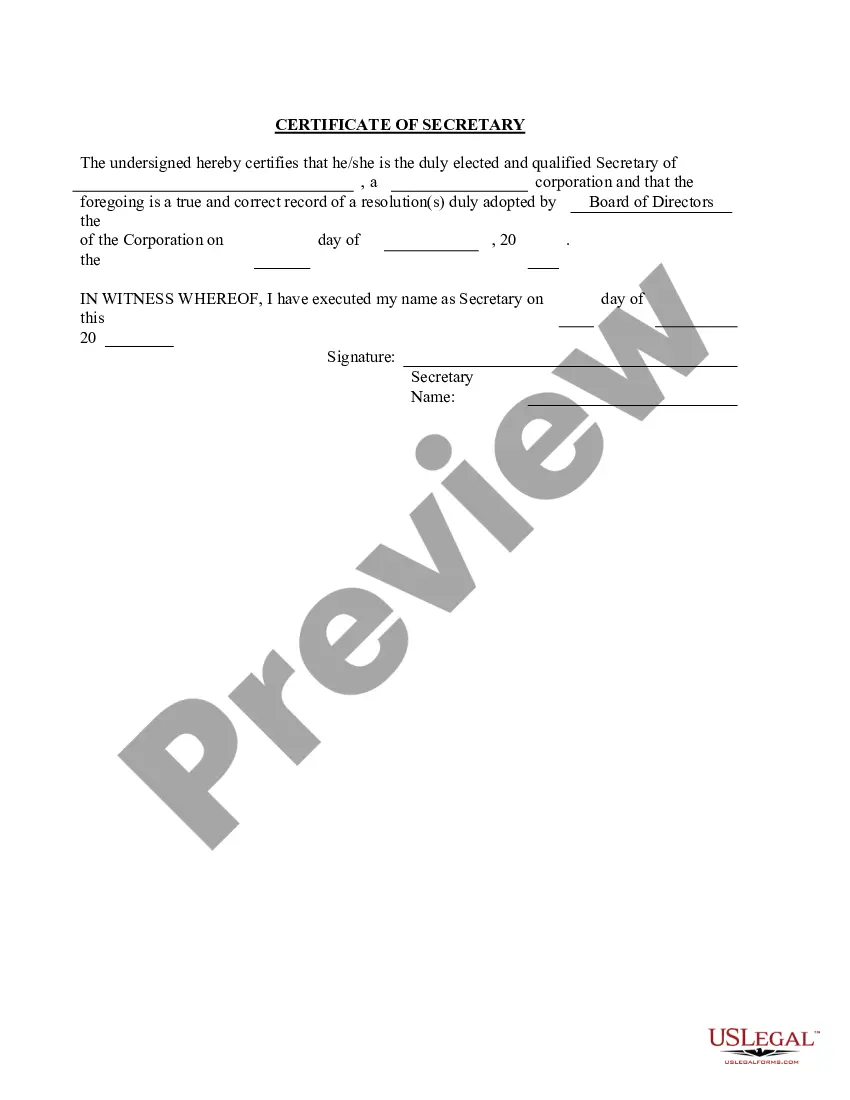
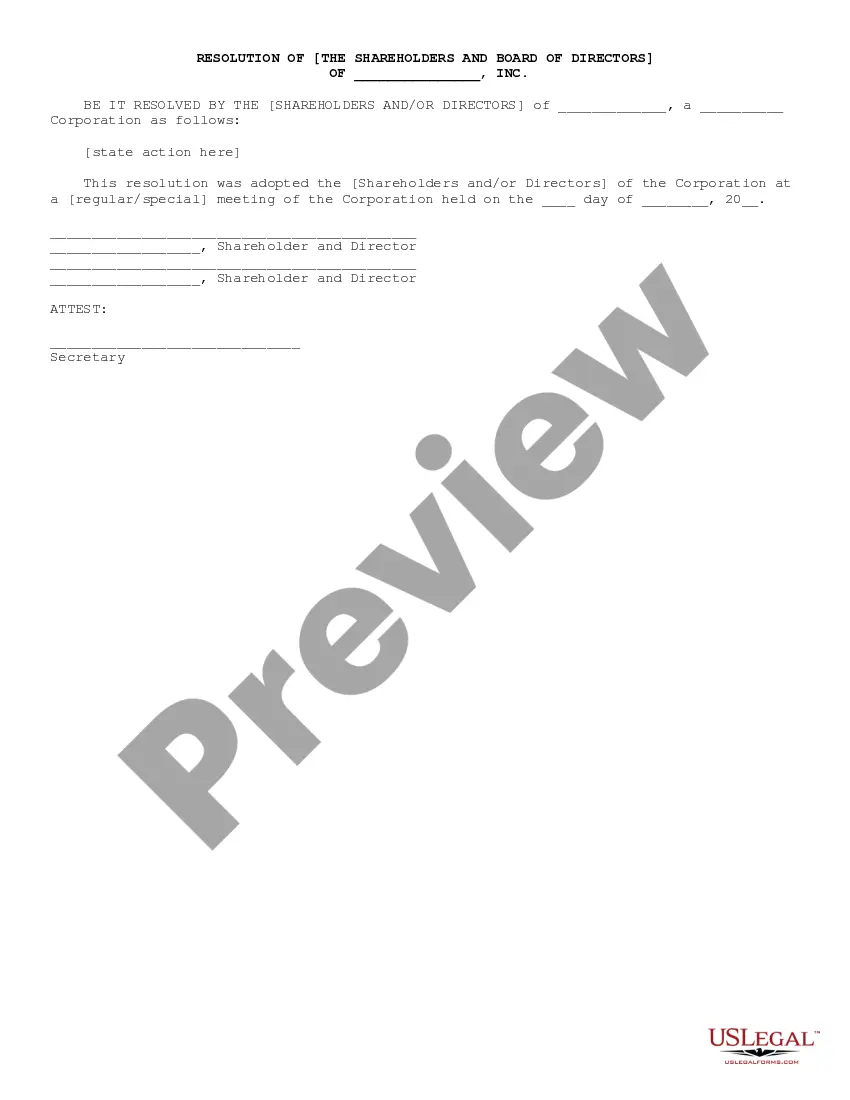
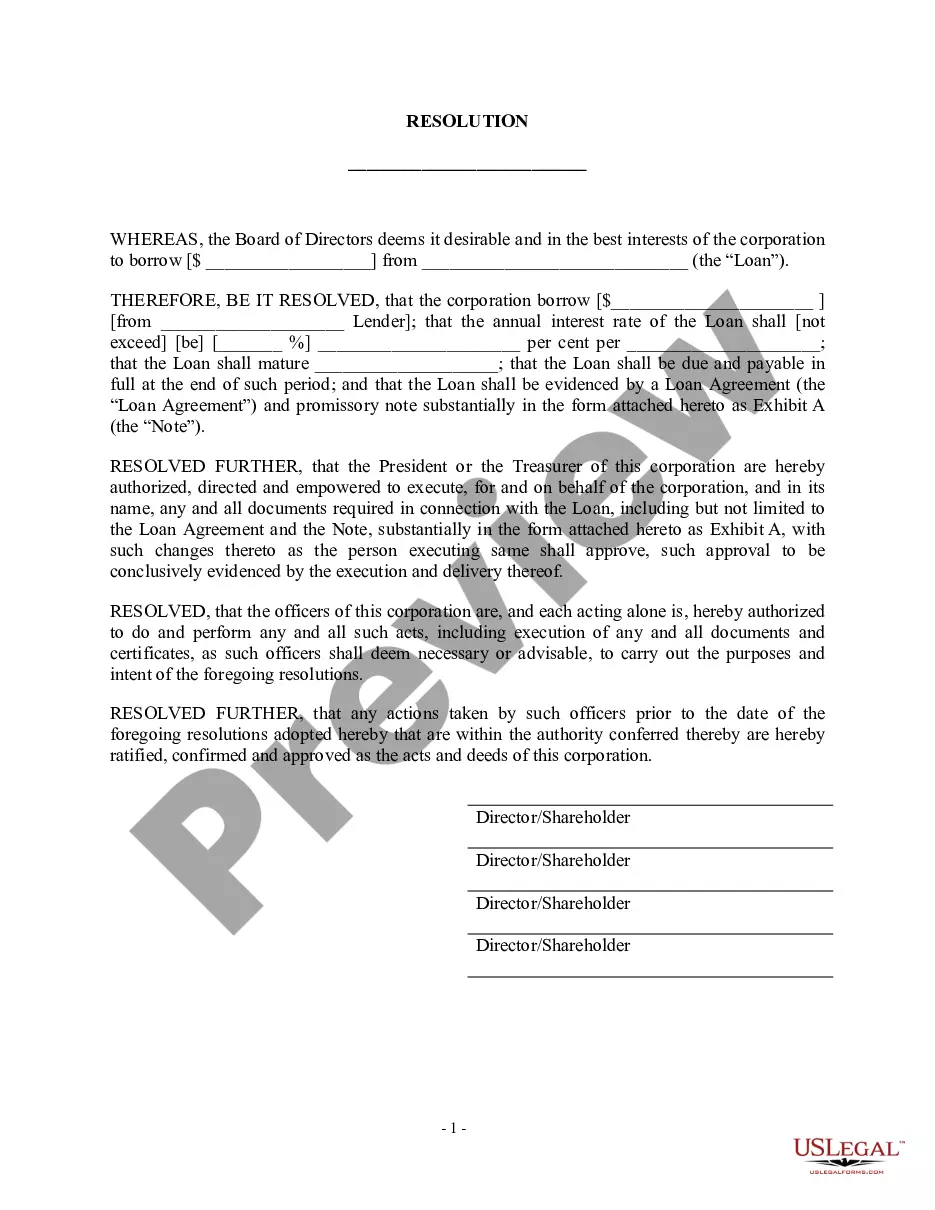
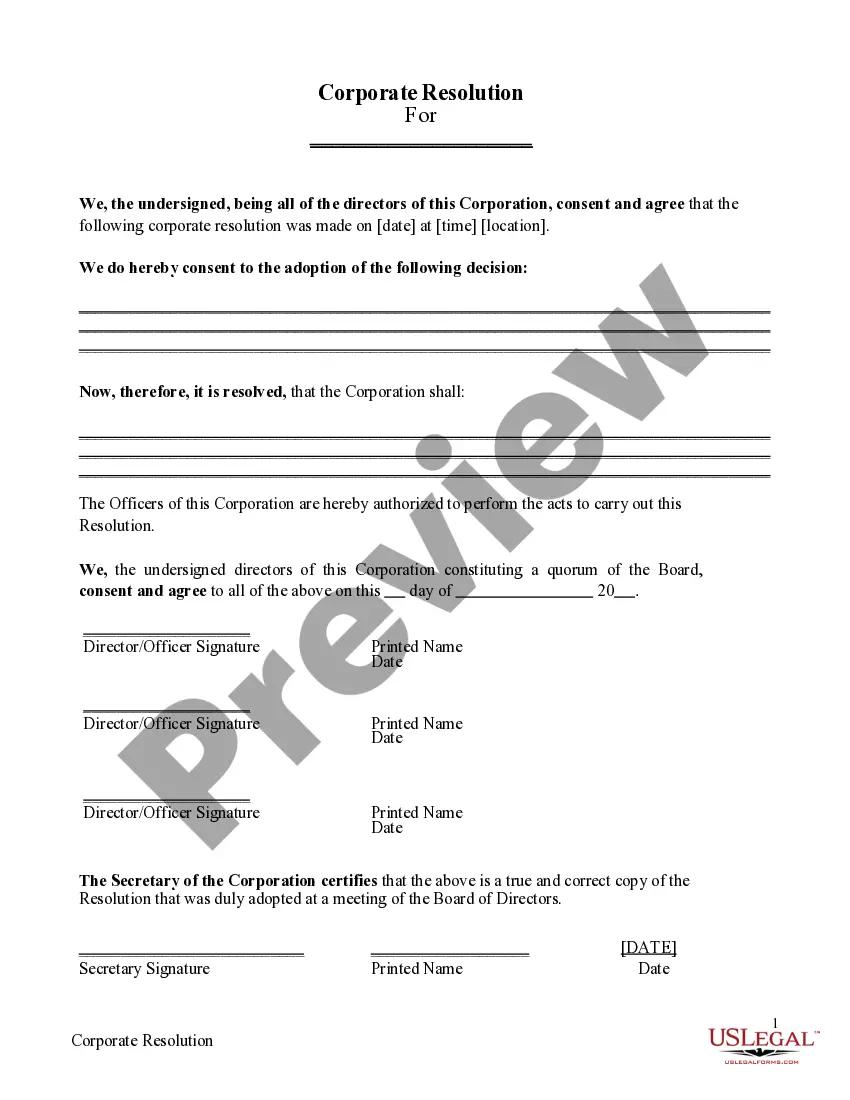
Get your form ready online
Our built-in tools help you complete, sign, share, and store your documents in one place.
Make edits, fill in missing information, and update formatting in US Legal Forms—just like you would in MS Word.
Download a copy, print it, send it by email, or mail it via USPS—whatever works best for your next step.
Sign and collect signatures with our SignNow integration. Send to multiple recipients, set reminders, and more. Go Premium to unlock E-Sign.
If this form requires notarization, complete it online through a secure video call—no need to meet a notary in person or wait for an appointment.
We protect your documents and personal data by following strict security and privacy standards.

Make edits, fill in missing information, and update formatting in US Legal Forms—just like you would in MS Word.

Download a copy, print it, send it by email, or mail it via USPS—whatever works best for your next step.

Sign and collect signatures with our SignNow integration. Send to multiple recipients, set reminders, and more. Go Premium to unlock E-Sign.

If this form requires notarization, complete it online through a secure video call—no need to meet a notary in person or wait for an appointment.

We protect your documents and personal data by following strict security and privacy standards.
Looking for another form?








Form popularity
FAQ
Term: WITHOUT DISSENT. Definition: When everyone agrees and there is no disagreement or objection, we say that something is done without dissent. It means that everyone is okay with it and there are no arguments or disagreements. Another way to say this is "without objection" or "with general consent."
Three forms of resolutions are available: ordinary resolution, special resolution and unanimous resolution. There is no concept of special resolution in board meetings and very few unanimous resolutions are also required. However, all three are covered in the case of general meetings.
Resolution without dissent 3. An applicant may seek an order to have a resolution without dissent ruled as passed, on the basis that the opposition to the motion was unreasonable in the circumstances. An adjudicator may make an order giving effect to the motion as proposed, or a variation of the motion as proposed.
A motion is passed by resolution without dissent only if there are no votes against the motion (i.e. there are no, “no” votes). If a voter abstains from voting, that is not included in the count of votes.
What is a resolution? A resolution is a formal decision passed by the association in ance with its constitution, usually made at a general meeting or in a postal, electronic or combined ballot.
The centerpiece of the United Nations is the resolutions, and MUN is no exception. A resolution is a proposal that calls for action to be undertaken by the United Nations and its various entities. These include any UN organizations, member nations, members of the Secretariat, or any combination of the three.
1.06 Tentative Ruling System. On the afternoon of the court day before each calendar, the judge will publish a tentative ruling on each matter on the next day's calendar.
