Domicile Meaning For Example In Nevada
Description
Get your form ready online
Our built-in tools help you complete, sign, share, and store your documents in one place.
Make edits, fill in missing information, and update formatting in US Legal Forms—just like you would in MS Word.
Download a copy, print it, send it by email, or mail it via USPS—whatever works best for your next step.
Sign and collect signatures with our SignNow integration. Send to multiple recipients, set reminders, and more. Go Premium to unlock E-Sign.
If this form requires notarization, complete it online through a secure video call—no need to meet a notary in person or wait for an appointment.
We protect your documents and personal data by following strict security and privacy standards.

Make edits, fill in missing information, and update formatting in US Legal Forms—just like you would in MS Word.

Download a copy, print it, send it by email, or mail it via USPS—whatever works best for your next step.

Sign and collect signatures with our SignNow integration. Send to multiple recipients, set reminders, and more. Go Premium to unlock E-Sign.

If this form requires notarization, complete it online through a secure video call—no need to meet a notary in person or wait for an appointment.

We protect your documents and personal data by following strict security and privacy standards.
Looking for another form?


Form popularity
FAQ
Proof of Nevada Residency: You must provide two documents proving your residency in Nevada. These documents must be original or certified copies and dated within the last 60 days. Examples include utility bills, lease agreements, bank statements, and other official documents showing your name and Nevada address.
Proof of Nevada Residential Address Receipt for the rent or lease of a residence. Lease of a residence on which the applicant appears as the lessee. Record from a public utility for a service address. Bank or credit card statement. Employment check stub. Document from a state or federal court.
Additional indicia of domicile are filing a declaration of domicile with the county clerk, registering a vehicle or vehicles in Nevada, obtaining a driver's license, recording a homestead declaration for your residence in Nevada, using a Nevada address for primary correspondence, including credit cards, magazines, bank ...
General Residency for Legal Rights Physical Presence: Nevada law requires you to be physically present in the state during the entire period you claim residency status. This means that living in Nevada; and simply owning property here is not enough to establish residency.
Yes, people with a valid and current driver's license issued from a foreign country may drive in Nevada. You do not need to apply for a Nevada driver's license unless your foreign license expires or you become eligible for a Nevada license.
General Residency for Legal Rights Physical Presence: Nevada law requires you to be physically present in the state during the entire period you claim residency status. This means that living in Nevada; and simply owning property here is not enough to establish residency.
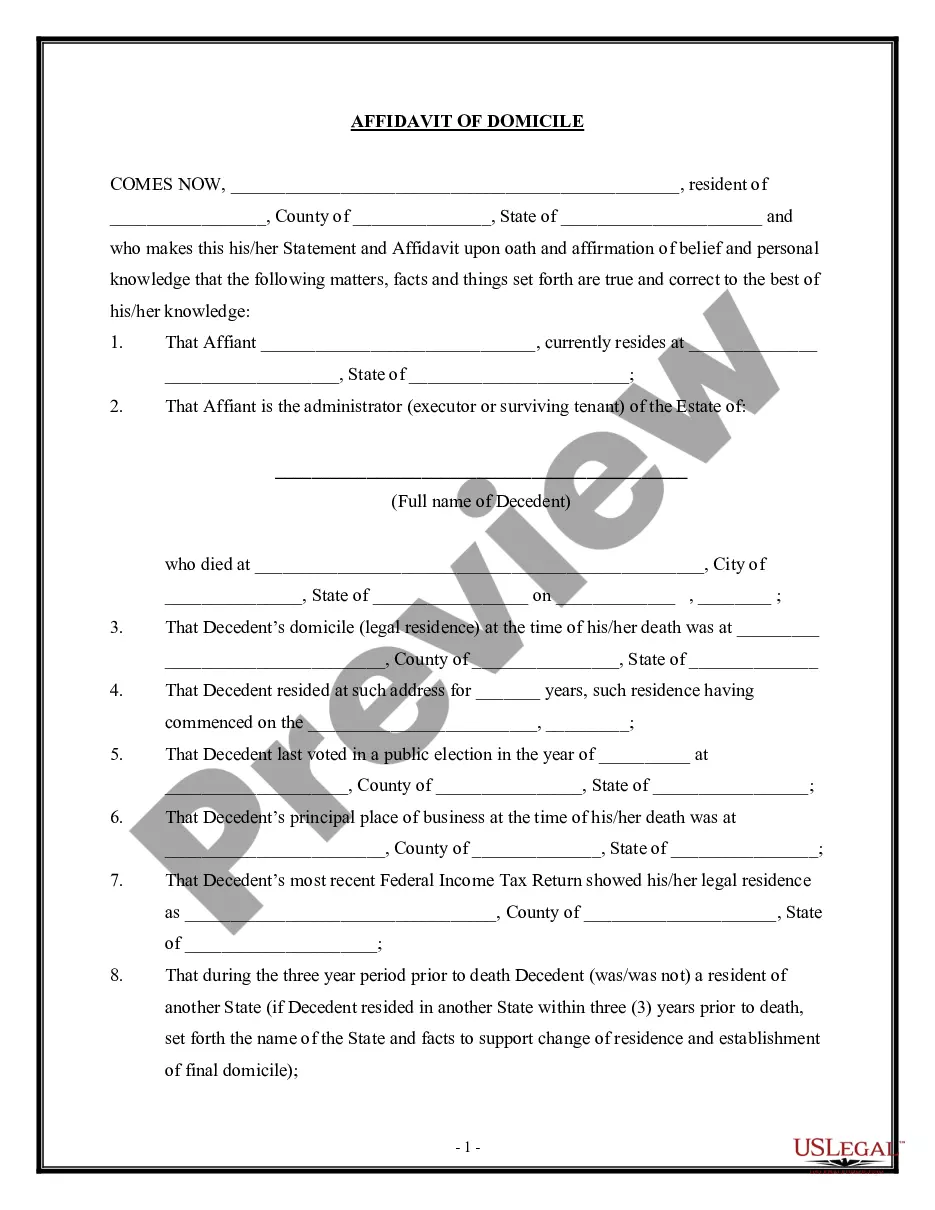
An affidavit of residency in Nevada is a legal document that is used to prove a person's current residency in the state. It is typically required for various purposes, such as obtaining a driver's license, enrolling in school, or for certain legal proceedings.
