Domicile With Meaning In Miami-Dade
Description
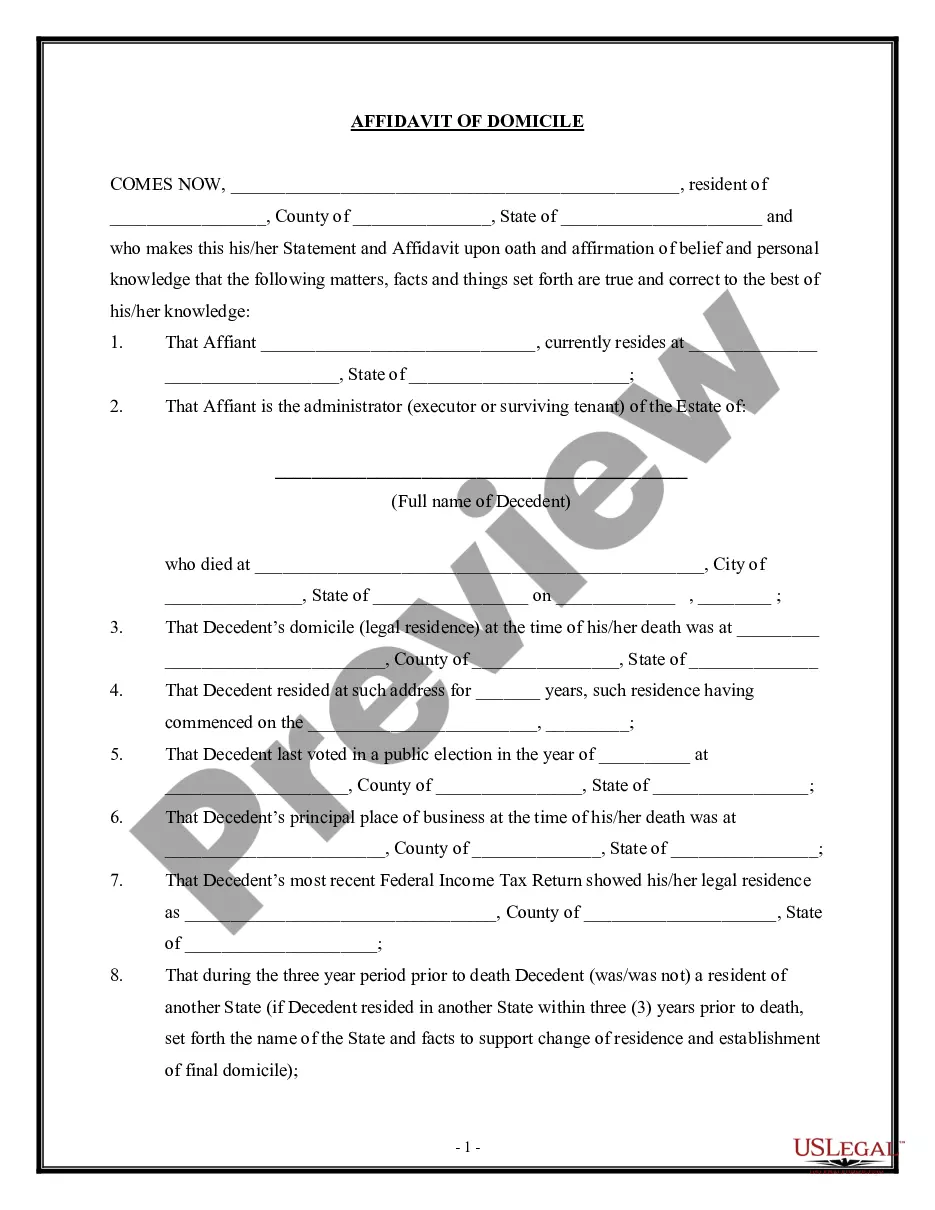
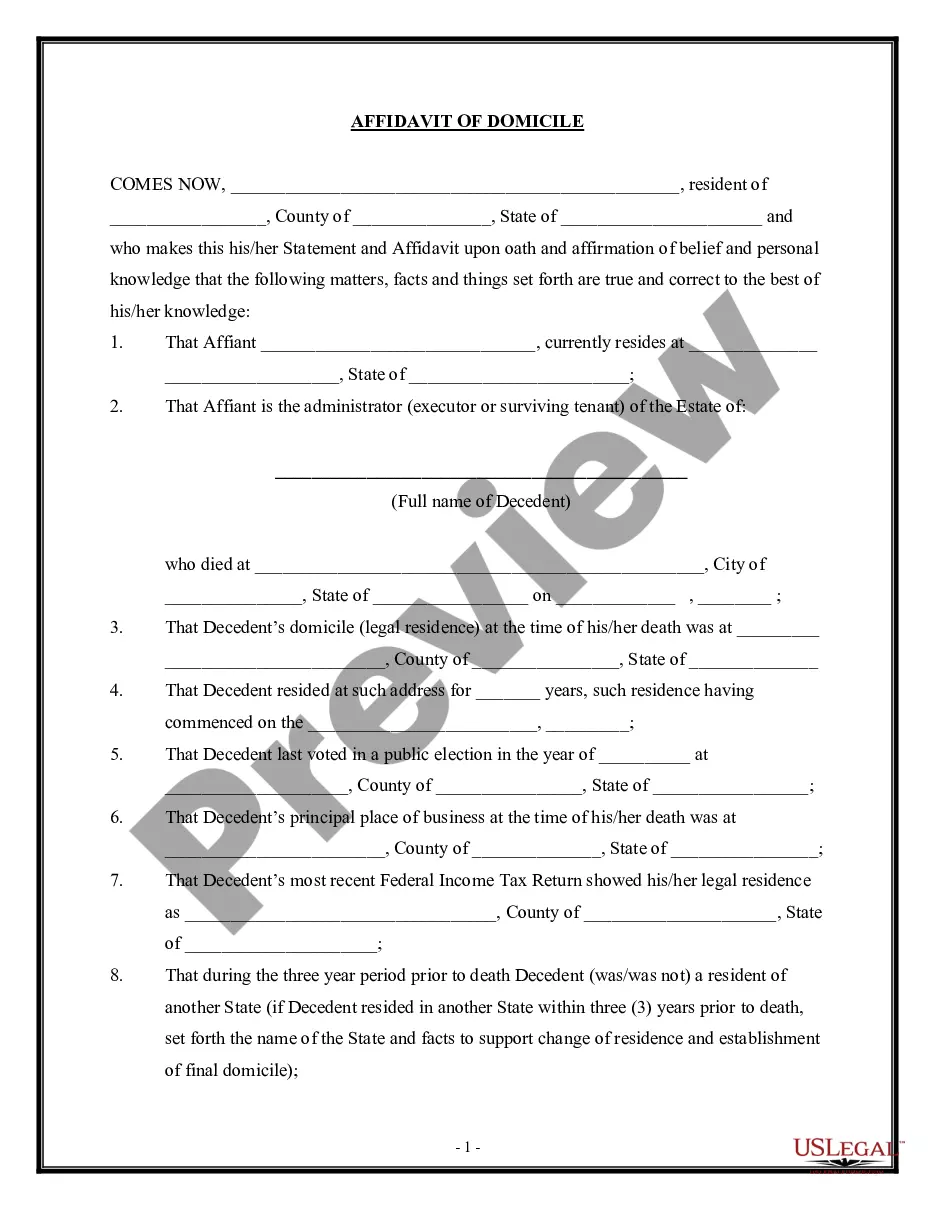
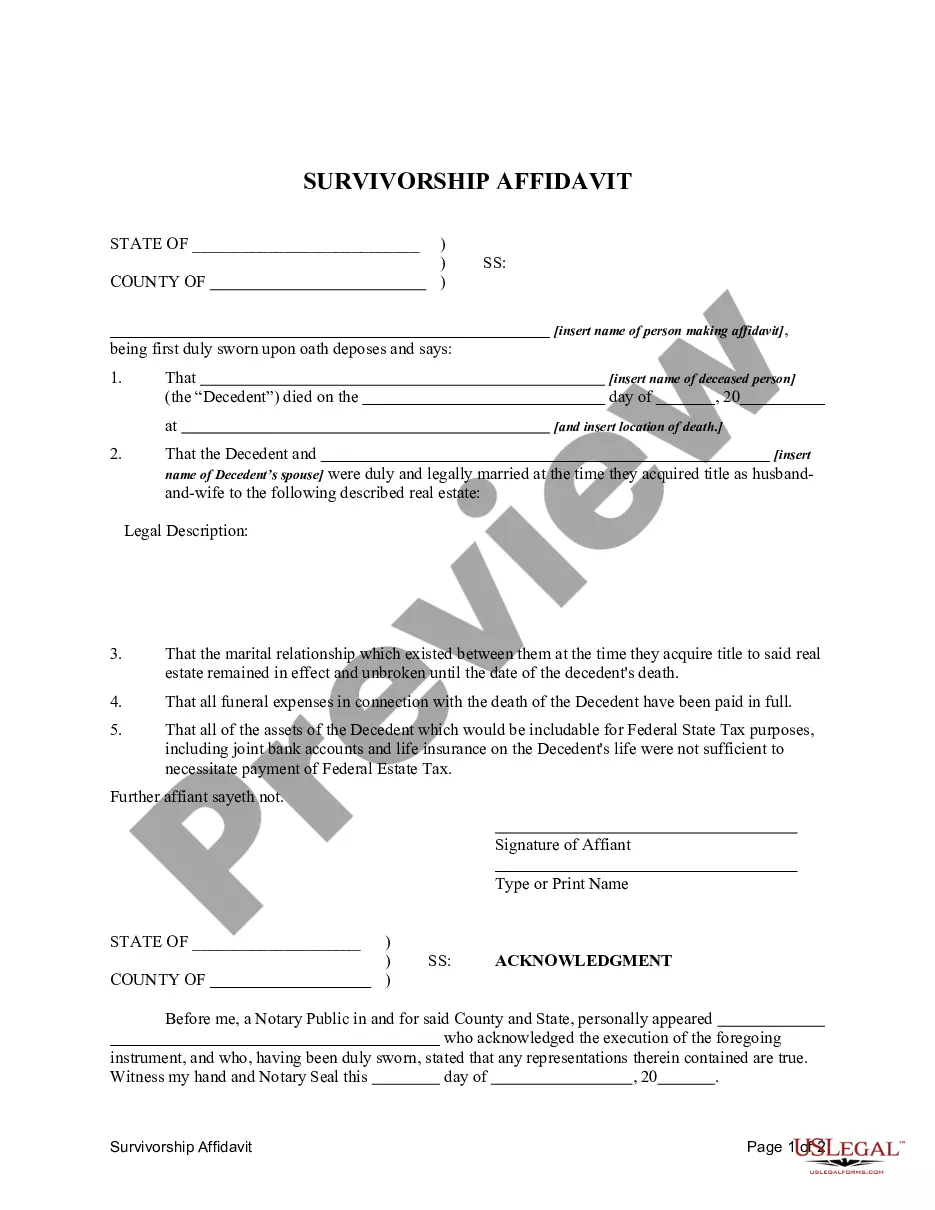
Get your form ready online
Our built-in tools help you complete, sign, share, and store your documents in one place.
Make edits, fill in missing information, and update formatting in US Legal Forms—just like you would in MS Word.
Download a copy, print it, send it by email, or mail it via USPS—whatever works best for your next step.
Sign and collect signatures with our SignNow integration. Send to multiple recipients, set reminders, and more. Go Premium to unlock E-Sign.
If this form requires notarization, complete it online through a secure video call—no need to meet a notary in person or wait for an appointment.
We protect your documents and personal data by following strict security and privacy standards.

Make edits, fill in missing information, and update formatting in US Legal Forms—just like you would in MS Word.

Download a copy, print it, send it by email, or mail it via USPS—whatever works best for your next step.

Sign and collect signatures with our SignNow integration. Send to multiple recipients, set reminders, and more. Go Premium to unlock E-Sign.

If this form requires notarization, complete it online through a secure video call—no need to meet a notary in person or wait for an appointment.

We protect your documents and personal data by following strict security and privacy standards.
Looking for another form?







Form popularity
FAQ
To be considered a "Florida Resident for Tuition Purposes" you must prove through official and/or legal documents that you or the claimant have established bona fide domicile in the state of Florida for at least 12 months preceding the first day of classes of the term for which Florida residency is sought.
You may download a domicile form or obtain one at any Clerk of the Circuit Court & Comptroller location. Bring or mail the form to a Clerk's office location to be recorded. You must bring some form of legal identification if you need your document notarized.
As a new Florida resident, you must obtain a valid Florida driver license within 30 days of establishing residency to drive on Florida roads.
To establish Florida residency, you typically need to physically reside in Florida for at least 183 days per year, maintain a primary residence in the state, register to vote in Florida and file a "Declaration of Domicile" document to formally declare your intent to make Florida your permanent home.
File a Florida Declaration of Domicile to publicly declare that you are a resident of Florida. This is not technically a required step; however, it can be a proficient method of completing the process of declaring Florida domicile if you have homes in unfavorably taxed locations.
Under the rule, the taxing states require that a person looking to declare residency in Florida must reside in Florida for at least 183 days (in other words, one day more than six months). Any time spent in the state can count as a day.
Your domicile is the state of your permanent home, or the state you consider your home whenever you are. elsewhere. Your domicile is an important place. It is, for example, the place that usually has the power to tax. your income or dissolve your marriage or distribute your property upon your death.
Residency is physically living somewhere. Domicile is physically living somewhere (or lived somewhere) and intent to remain (or intent to return if you're military). You CANNOT have a domicile for a state you have never lived in. You must have physically resided in a certain state to gain its benefits and protections.
To establish Florida residency, you typically need to physically reside in Florida for at least 183 days per year, maintain a primary residence in the state, register to vote in Florida and file a "Declaration of Domicile" document to formally declare your intent to make Florida your permanent home.

