Proof Of Residency Without Bills In Houston
Description
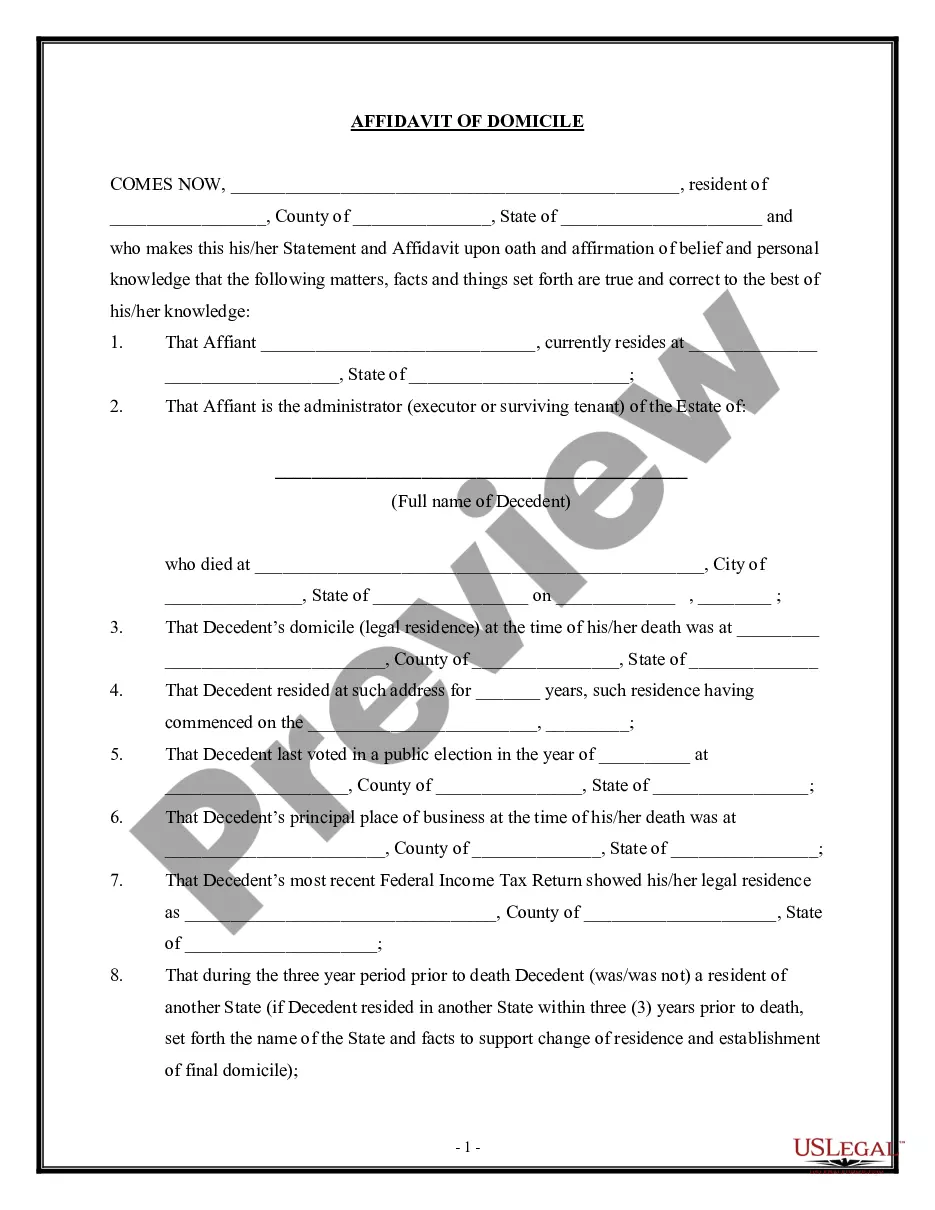
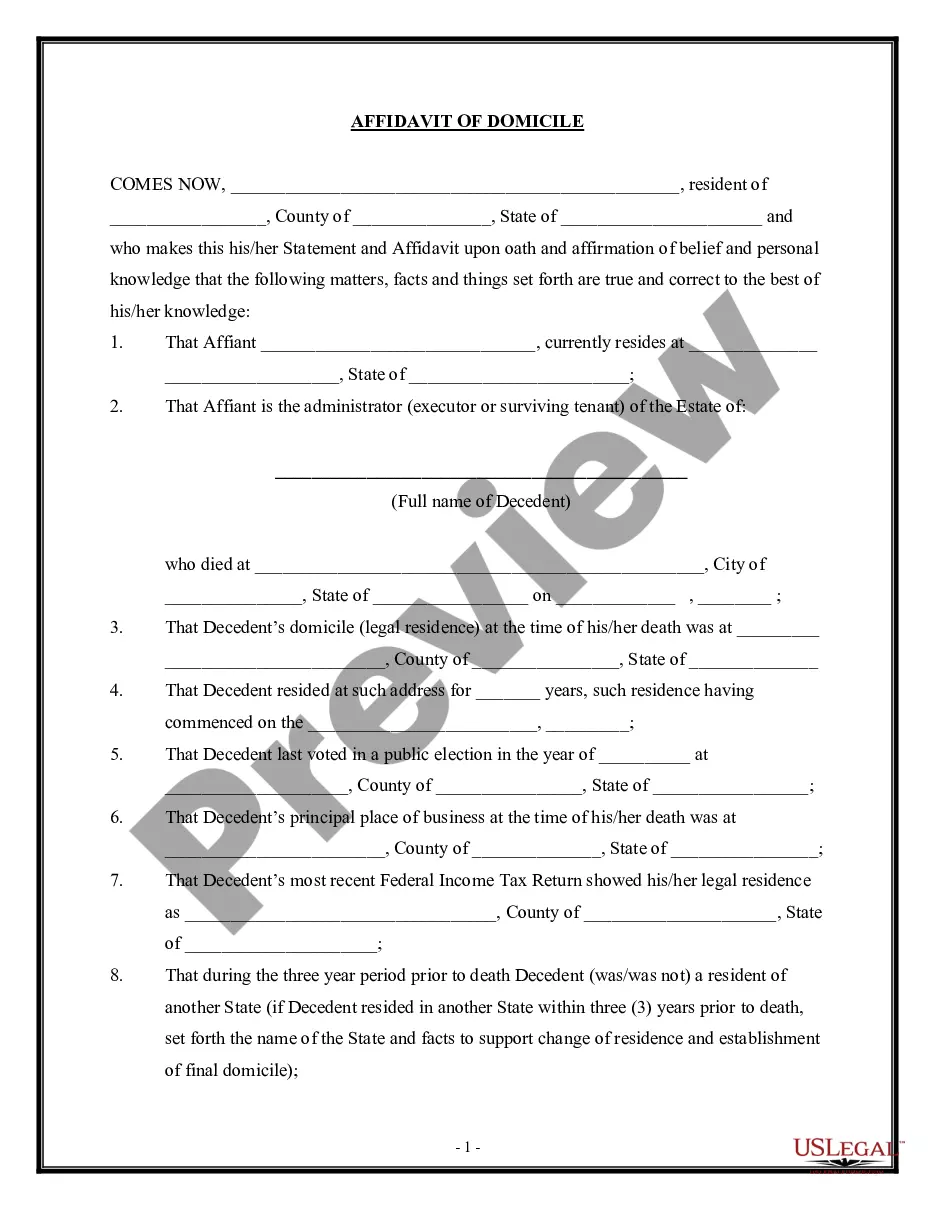
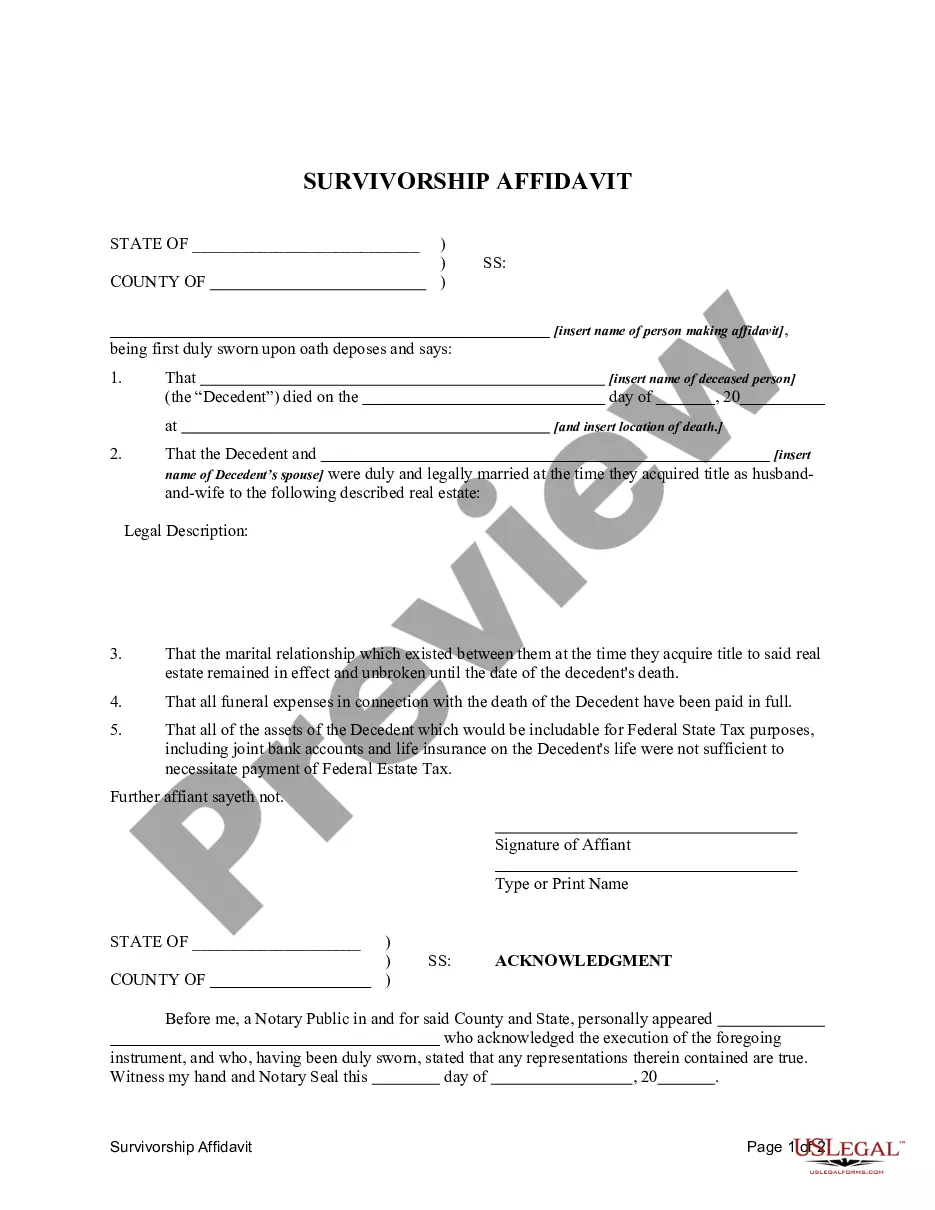
Get your form ready online
Our built-in tools help you complete, sign, share, and store your documents in one place.
Make edits, fill in missing information, and update formatting in US Legal Forms—just like you would in MS Word.
Download a copy, print it, send it by email, or mail it via USPS—whatever works best for your next step.
Sign and collect signatures with our SignNow integration. Send to multiple recipients, set reminders, and more. Go Premium to unlock E-Sign.
If this form requires notarization, complete it online through a secure video call—no need to meet a notary in person or wait for an appointment.
We protect your documents and personal data by following strict security and privacy standards.

Make edits, fill in missing information, and update formatting in US Legal Forms—just like you would in MS Word.

Download a copy, print it, send it by email, or mail it via USPS—whatever works best for your next step.

Sign and collect signatures with our SignNow integration. Send to multiple recipients, set reminders, and more. Go Premium to unlock E-Sign.

If this form requires notarization, complete it online through a secure video call—no need to meet a notary in person or wait for an appointment.

We protect your documents and personal data by following strict security and privacy standards.
Looking for another form?
Form popularity
FAQ
In the United States and Canada, you can also use a rental agreement, insurance policy, credit card statements, and utility bills for proof of address verification. Another method for proof of address verification documents is to use a company that helps residents arriving in the country.
Provide the following documentation to the license and permit specialist: Completed driver license Application form. Proof of U.S. Citizenship or Lawful Presence (if not a U.S. Citizen) Proof of Texas Residency, and. Proof of Identity.
Government-Issued Letters: Letters or correspondence from government agencies, such as tax statements, social security letters, or voter registration cards, are often accepted as proof of address.
In summary, obtaining proof of address involves understanding the types of documents accepted, ensuring they meet specific criteria, and being aware of alternative methods and special cases. Utility bills, bank or credit card statements, and government correspondence are among the most commonly accepted document types.
What documents can I use to prove my residency? Texas driver's license or ID card. Current homeowners' or renters' insurance policy, statement, or card. Utility or residential service bill, dated within 90 days of the application date (for example, electric, water, gas, internet, or cable)
A utility bill, credit card statement, lease agreement or mortgage statement will all work to prove residency. If you've gone paperless, print a billing statement from your online account.
HMRC-issued tax notification (NB: employer-issued documents such as P60s are not acceptable) End of year tax deduction certificates. Current bank statements or credit/debit card statements. Current utility bills.
Here are five steps to help you establish residency in the Lone Star State: Secure a permanent address. You can get a permanent address in Texas by renting an apartment or buying a home. Transfer your driver's license. Register your vehicle. Register to vote. Update your address with financial institutions.
Residency Documentation Texas Voter Registration Card. Must be issued at least 12 months prior to census date of the semester in which you enroll. Utility Bills. Texas Bank Statements. Apartment Lease or Rental of Residential Property.
(1) current deed, mortgage, monthly mortgage statement, mortgage payment booklet, or a residential rental/lease agreement. (2) A valid, unexpired Texas voter registration card. (3) A valid, unexpired Texas motor vehicle registration or title.

