Request For Proposal Sample For Software Development In Nevada
Description

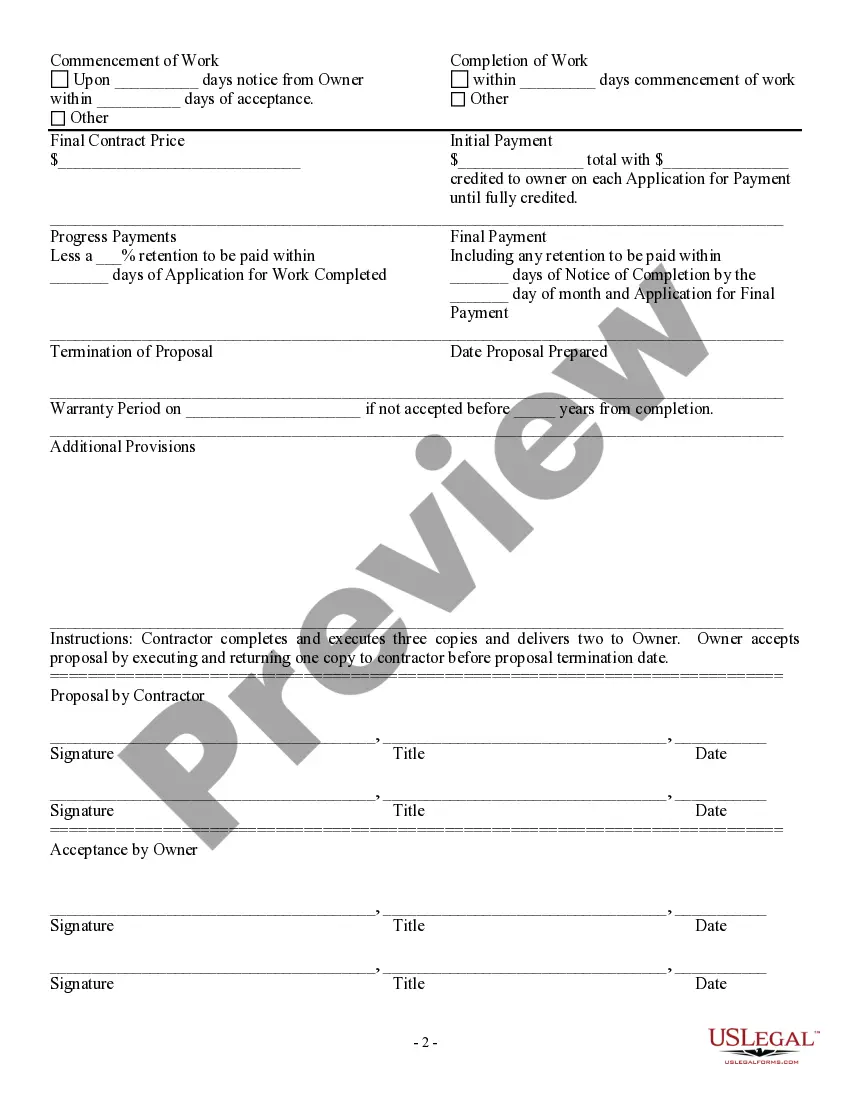

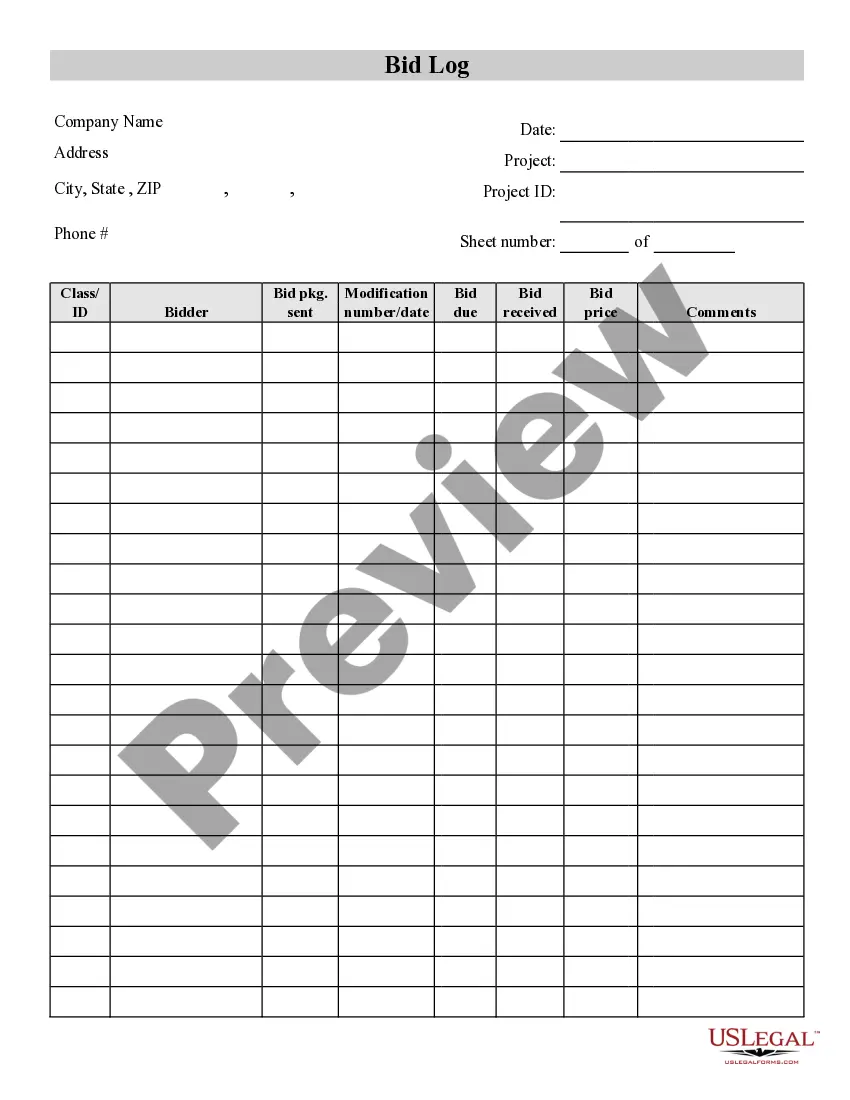
Get your form ready online
Our built-in tools help you complete, sign, share, and store your documents in one place.
Make edits, fill in missing information, and update formatting in US Legal Forms—just like you would in MS Word.
Download a copy, print it, send it by email, or mail it via USPS—whatever works best for your next step.
Sign and collect signatures with our SignNow integration. Send to multiple recipients, set reminders, and more. Go Premium to unlock E-Sign.
If this form requires notarization, complete it online through a secure video call—no need to meet a notary in person or wait for an appointment.
We protect your documents and personal data by following strict security and privacy standards.

Make edits, fill in missing information, and update formatting in US Legal Forms—just like you would in MS Word.

Download a copy, print it, send it by email, or mail it via USPS—whatever works best for your next step.

Sign and collect signatures with our SignNow integration. Send to multiple recipients, set reminders, and more. Go Premium to unlock E-Sign.

If this form requires notarization, complete it online through a secure video call—no need to meet a notary in person or wait for an appointment.

We protect your documents and personal data by following strict security and privacy standards.
Looking for another form?







Form popularity
FAQ
In the world of engineering, Request for Proposals (RFPs) play a crucial role in the project procurement process. An Engineering RFP serves as a formal invitation to engineering firms to bid on a project, outlining the requirements, expectations, and evaluation criteria.
In a nutshell, a Request for Proposal (RFP) software is a computer program that lets you manage your proposals. If you're a service provider or a vendor, you'll use RFP software to respond to RFPs and track proposals. Conversely, as a buyer, RFP software makes it easy for you to request RFPs and respond to them.
How to write an RFP that will get a response Define your project and needs. Write an introduction. Explain your company's and project's history. Describe your project's requirements. Explain how vendors should respond. Outline your selection criteria. Note your timelines. Proofread and revise your RFP.
A Request For Proposal (RFP) describes a project in detail so potential software vendors can submit proposals for the development process, technology, and more.
A Request for Proposal is a solicitation for proposals from contractors to provide equipment, materials and/or services. The goal of an RFP is to help the design team make a decision on the best contractor or supplier to perform the work.
What are the essential steps in the RFP process? Identify stakeholders. Collect RFP requirements. Create RFP. Evaluate RFP responses. Select winning vendor. Create vendor contract.
A request for proposal (RFP) is a business document that announces a project, describes it, and solicits bids from qualified contractors to complete it. Most organizations prefer to launch their projects using RFPs, and many governments always use them.
What must be Included in an RFP? Statement of Purpose. Begin the RFP for software development with a brief and clear explanation of why you are referring to the vendor. Company Description. Project Overview and Goals. Project Scope and Deliverables. Bid Structure and Requirements. Response Timeline. Contact Points.
How to write an RFP for software development: step-by-step guide Define project background. Describe the scope of work. Establish evaluation criteria. Provide submission guidelines. Provide transparent budgets and timelines. Express potential concerns. Outline the potential service provider's qualifications and experience.