Building Plan With Elevation
Description


Get your form ready online
Our built-in tools help you complete, sign, share, and store your documents in one place.
Make edits, fill in missing information, and update formatting in US Legal Forms—just like you would in MS Word.
Download a copy, print it, send it by email, or mail it via USPS—whatever works best for your next step.
Sign and collect signatures with our SignNow integration. Send to multiple recipients, set reminders, and more. Go Premium to unlock E-Sign.
If this form requires notarization, complete it online through a secure video call—no need to meet a notary in person or wait for an appointment.
We protect your documents and personal data by following strict security and privacy standards.

Make edits, fill in missing information, and update formatting in US Legal Forms—just like you would in MS Word.

Download a copy, print it, send it by email, or mail it via USPS—whatever works best for your next step.

Sign and collect signatures with our SignNow integration. Send to multiple recipients, set reminders, and more. Go Premium to unlock E-Sign.

If this form requires notarization, complete it online through a secure video call—no need to meet a notary in person or wait for an appointment.

We protect your documents and personal data by following strict security and privacy standards.
Looking for another form?
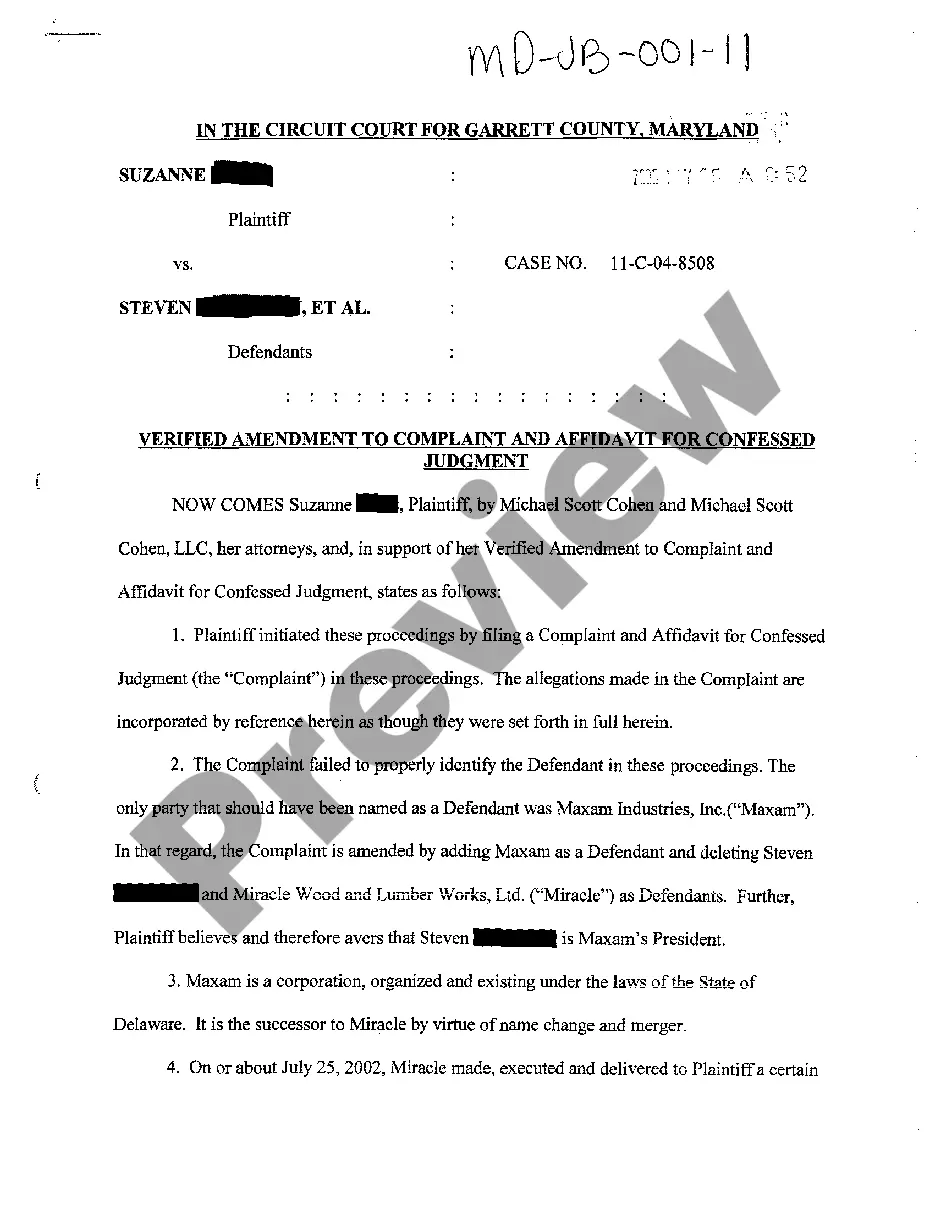




How to fill out Bid Proposal Form For Construction Of Building?
Identifying a reliable location to obtain the latest and suitable legal templates is a major part of navigating bureaucracy.
Selecting the correct legal documents demands precision and meticulousness, which is why it is crucial to acquire samples of Building Plan With Elevation exclusively from reputable sources, such as US Legal Forms. An incorrect template will squander your time and postpone your situation.
After you have the form on your device, you can modify it using the editor or print it and fill it out manually. Eliminate the hassle associated with your legal paperwork. Browse the extensive US Legal Forms library to locate legal samples, evaluate their relevance to your circumstances, and download them immediately.
- Utilize the catalog navigation or search bar to find your template.
- Examine the form’s description to confirm it meets the specifications of your state and locality.
- Preview the form, if accessible, to verify that the template is the one you seek.
- Return to the search to locate the appropriate document if the Building Plan With Elevation does not fulfill your requirements.
- Once you are certain about the form’s pertinence, download it.
- If you are an authorized user, click Log in to verify and access your chosen forms in My documents.
- If you haven't set up an account yet, click Buy now to acquire the form.
- Choose the pricing plan that meets your needs.
- Proceed with the registration to complete your purchase.
- Finalize your purchase by selecting a payment method (credit card or PayPal).
- Choose the document format for downloading Building Plan With Elevation.
Form popularity
FAQ
An example of an elevation plan could be the front elevation of a residential home, which shows the entrance, windows, and roofline. This specific view highlights the architectural style and materials used, making it easier to visualize the final outcome. When you create a building plan with elevation, you can include details such as colors and textures which enhance the design. Platforms like USLegalForms can help you develop these plans effectively.
Elevation in a building plan refers to the scaled drawings that depict the vertical aspects of a structure. These plans illustrate the height, materials, and architectural features of the building's façade. A well-crafted building plan with elevation helps you grasp how the building will look once completed, ensuring that the design aligns with your vision. This understanding is crucial for both builders and clients.
In a building plan with elevation, you typically encounter four main types of elevation plans: front, rear, left side, and right side. Each type offers a unique perspective, showcasing the building's exterior from different angles. This variety allows you to visualize the overall design and aesthetics before construction begins. By understanding these different elevations, you can make informed decisions about your project.
To create elevation drawings, start by gathering all necessary measurements and reference images. Use software or hand-drawing techniques to outline the building's features accurately. Focus on representing all elements in your building plan with elevation, including textures and materials. Following a structured approach simplifies the process and enhances the overall quality of your drawings.
Common mistakes in elevation drawings include failing to indicate materials, not showing context, and neglecting to include accurate height measurements. These errors can lead to misinterpretations of the design. To ensure a successful building plan with elevation, take time to review your drawings thoroughly. Consider using resources from US Legal Forms to help reduce the likelihood of these mistakes.
The format for plan and elevation typically includes a clear scale, labels, and dimensions. Plans should be drawn to a specific scale, while elevation views must present height and material details accurately. Consistency in formatting your building plan with elevation ensures that all stakeholders can interpret the drawings correctly. Utilizing standardized templates can enhance the professionalism of your documents.
To draw a plan and elevation section in architecture, begin with the plan view and identify key features such as walls, windows, and doors. Next, create elevation views by projecting these elements vertically. This combination helps visualize the building's design and structure clearly. Your building plan with elevation should integrate these sections seamlessly for a comprehensive view.
Drawing building elevation plans requires attention to detail and understanding of architectural principles. Start by outlining the basic shape of the building, then add windows, doors, and other features. Ensure that your building plan with elevation is proportionate and accurately represents the intended design. Using tools like US Legal Forms can provide you with guidelines to streamline your drawing process.
To show elevation in plan view, use annotations and symbols to indicate height levels and external features of the building. This method adds clarity to your building plan with elevation, making it easier for other professionals to understand. Including a detailed legend can also help convey important information about the elevation. Always ensure your plan view complements your elevation views.
Common mistakes in elevation plans include incorrect scale, missing key details, and not aligning with the floor plans. These errors can lead to confusion and costly revisions later in the project. To avoid these pitfalls, always double-check your dimensions and ensure that your building plan with elevation accurately reflects the intended design. Utilizing a platform like US Legal Forms can help you access templates that minimize these mistakes.