Building Plan With Column
Description


Get your form ready online
Our built-in tools help you complete, sign, share, and store your documents in one place.
Make edits, fill in missing information, and update formatting in US Legal Forms—just like you would in MS Word.
Download a copy, print it, send it by email, or mail it via USPS—whatever works best for your next step.
Sign and collect signatures with our SignNow integration. Send to multiple recipients, set reminders, and more. Go Premium to unlock E-Sign.
If this form requires notarization, complete it online through a secure video call—no need to meet a notary in person or wait for an appointment.
We protect your documents and personal data by following strict security and privacy standards.

Make edits, fill in missing information, and update formatting in US Legal Forms—just like you would in MS Word.

Download a copy, print it, send it by email, or mail it via USPS—whatever works best for your next step.

Sign and collect signatures with our SignNow integration. Send to multiple recipients, set reminders, and more. Go Premium to unlock E-Sign.

If this form requires notarization, complete it online through a secure video call—no need to meet a notary in person or wait for an appointment.

We protect your documents and personal data by following strict security and privacy standards.
Looking for another form?

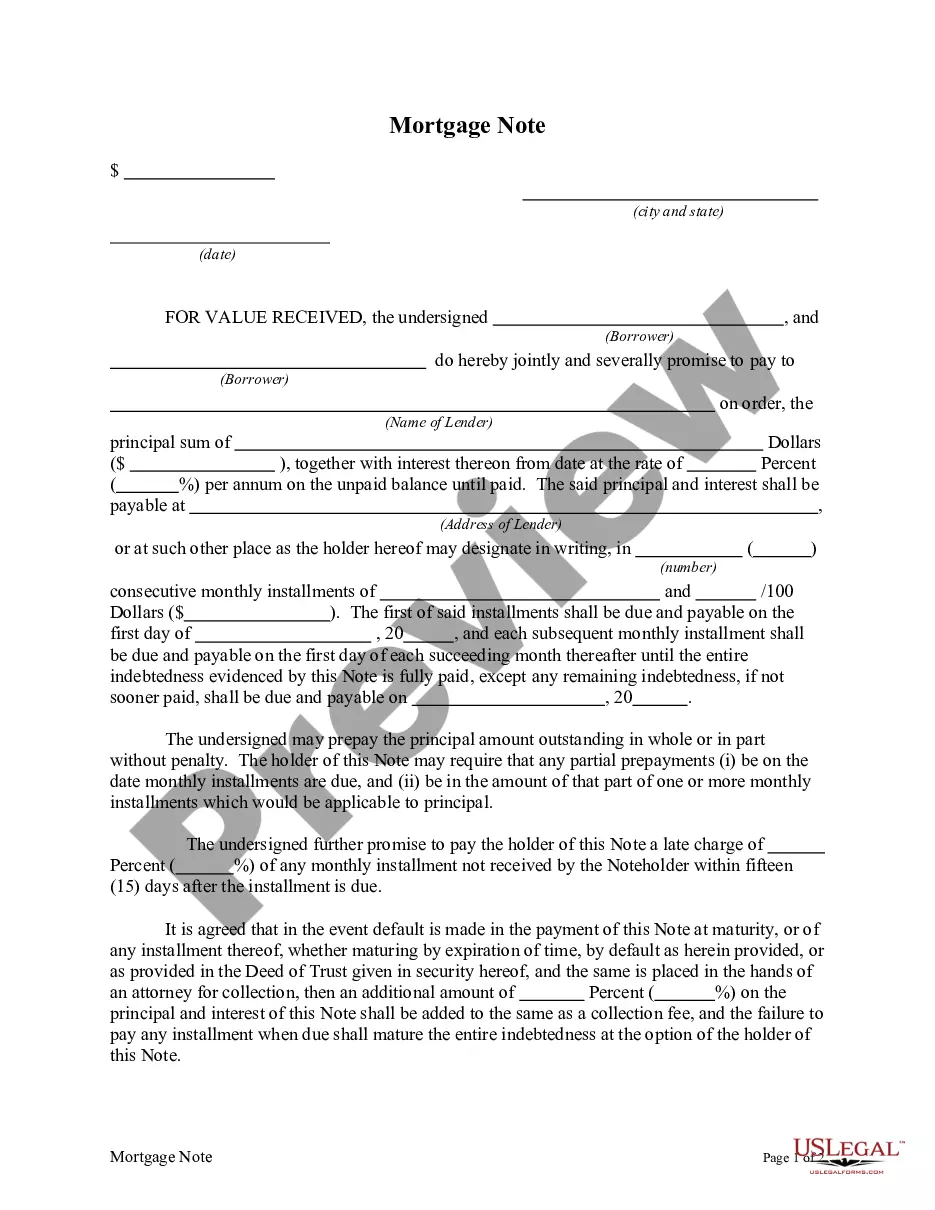






How to fill out Bid Proposal Form For Construction Of Building?
Dealing with legal documents and processes may add a lengthy task to your schedule.
Construction Plan With Column and similar forms generally necessitate that you seek them out and comprehend how to fill them out correctly.
Therefore, whether you are managing financial, legal, or personal issues, having a thorough and functional online repository of forms readily available will significantly help.
US Legal Forms is the top online service for legal templates, featuring over 85,000 state-specific documents and various resources to help you complete your paperwork effortlessly.
Is this your first experience with US Legal Forms? Register and create an account in a few moments, and you will obtain access to the form library and Construction Plan With Column. After that, follow the steps outlined below to complete your form.
- Browse the library of pertinent documents accessible to you with a single click.
- US Legal Forms offers you state- and county-specific forms that can be downloaded at any time.
- Safeguard your document management processes by utilizing a reliable service that enables you to assemble any form in minutes without extra or hidden fees.
- Simply Log In to your account, find Construction Plan With Column, and download it instantly from the My documents section.
- You can also access previously downloaded forms.
Form popularity
FAQ
To place columns effectively in your building plan with column, start by understanding the overall layout and structural needs of the building. Identify key areas where support is needed, such as at intersections of beams and walls. Utilize architectural software or drafting tools to accurately position the columns, ensuring they are strategically placed for both functionality and aesthetic appeal.
Setting the column position accurately is crucial in your building plan with column. First, establish a grid layout that aligns with your architectural design and structural requirements. Use precise measurements and markers on the foundation to indicate where each column will be placed, ensuring that they are level and properly aligned with other structural elements.
Designing a column and beam system in your building plan with column requires an understanding of load paths and material strengths. Start by calculating loads based on the building's use and dimensions. Use this information to select appropriate sizes and materials for columns and beams, ensuring they meet local building codes and provide safety for residents.
The construction sequence for a column in your building plan with column typically starts with site preparation and foundation work. Next, install formwork to shape the column, followed by reinforcing bars for strength. Pour concrete into the formwork, allow it to cure, and then remove the formwork to reveal the finished column structure.
Column placement in your building plan with column involves careful consideration of the load distribution and architectural design. Begin by marking the locations of beams and walls, then identify where columns will provide the most support. Use software tools or templates for accurate placement, ensuring that columns align with structural elements for optimal strength.
To space columns effectively in your building plan with column, consider the load requirements and the type of structure you are designing. Generally, spacing should support the beams and floor systems while allowing enough room for walls and other features. A common approach is to space columns between 10 to 15 feet apart, but always consult structural guidelines to ensure safety and stability.
Creating a column layout plan requires careful consideration of both structural and aesthetic aspects. Begin by defining the purpose of each column within your building plan with column and sketch their placements accordingly. Use architectural software or drafting tools to refine your layout, ensuring it meets both functionality and style needs.
To draw a layout plan, start by outlining the dimensions of your space on graph paper or using design software. Identify areas where you will place columns, and incorporate them into your building plan with column layout. This approach allows you to visualize the space effectively and make necessary adjustments before finalizing your design.
Yes, a floor plan often includes columns, particularly in structures that require them for support. When drafting your building plan with column, it is crucial to illustrate the column locations, as they play a significant role in the overall stability and design of the space. Including columns in your plan helps to communicate structural intent.
In Word, creating a column layout is straightforward. Go to the 'Layout' tab, select 'Columns,' and choose your desired number of columns. You can also adjust the width and spacing to suit your building plan with column requirements, making your document organized and professional.