Plan For Building In Allegheny
Description

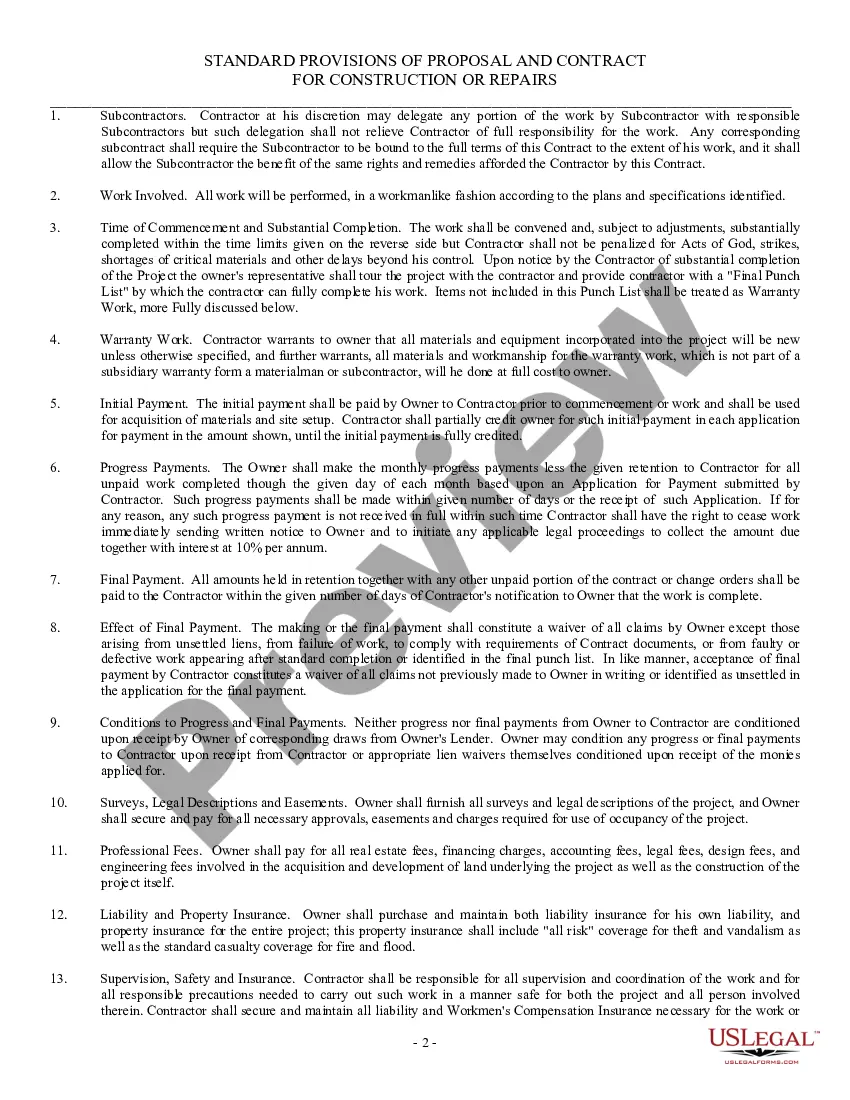
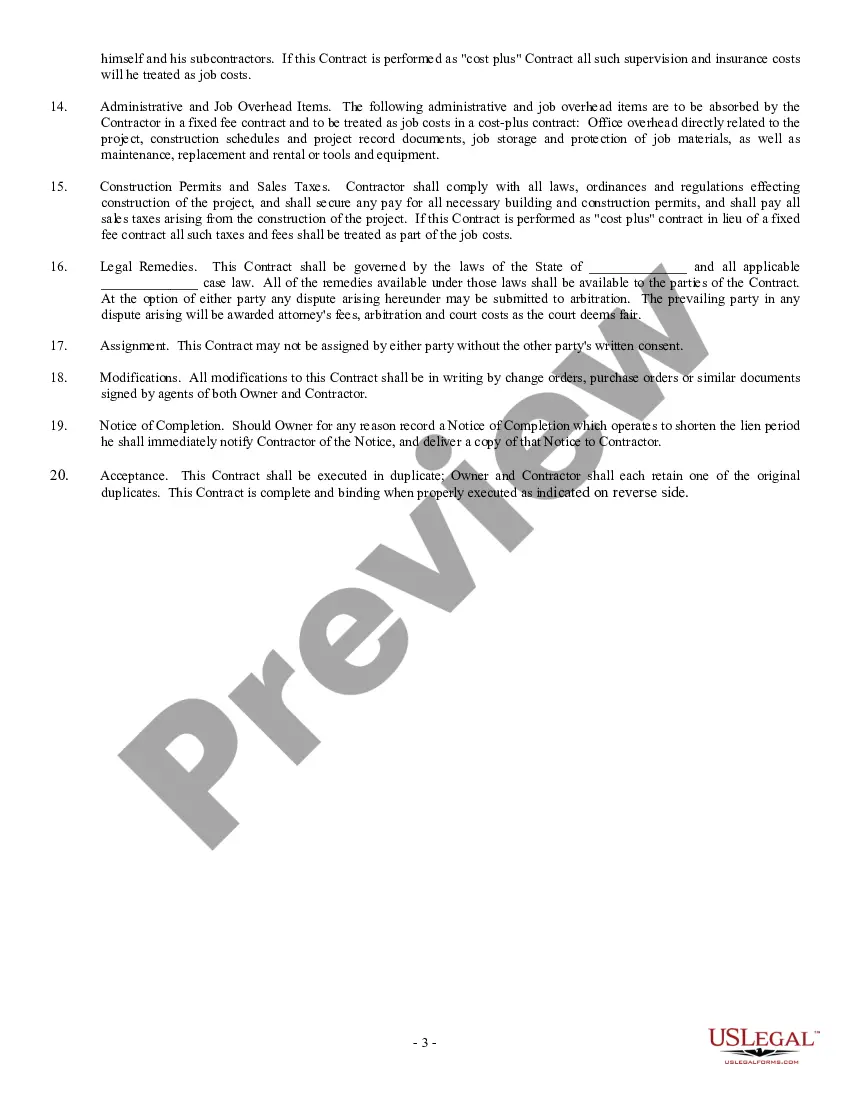

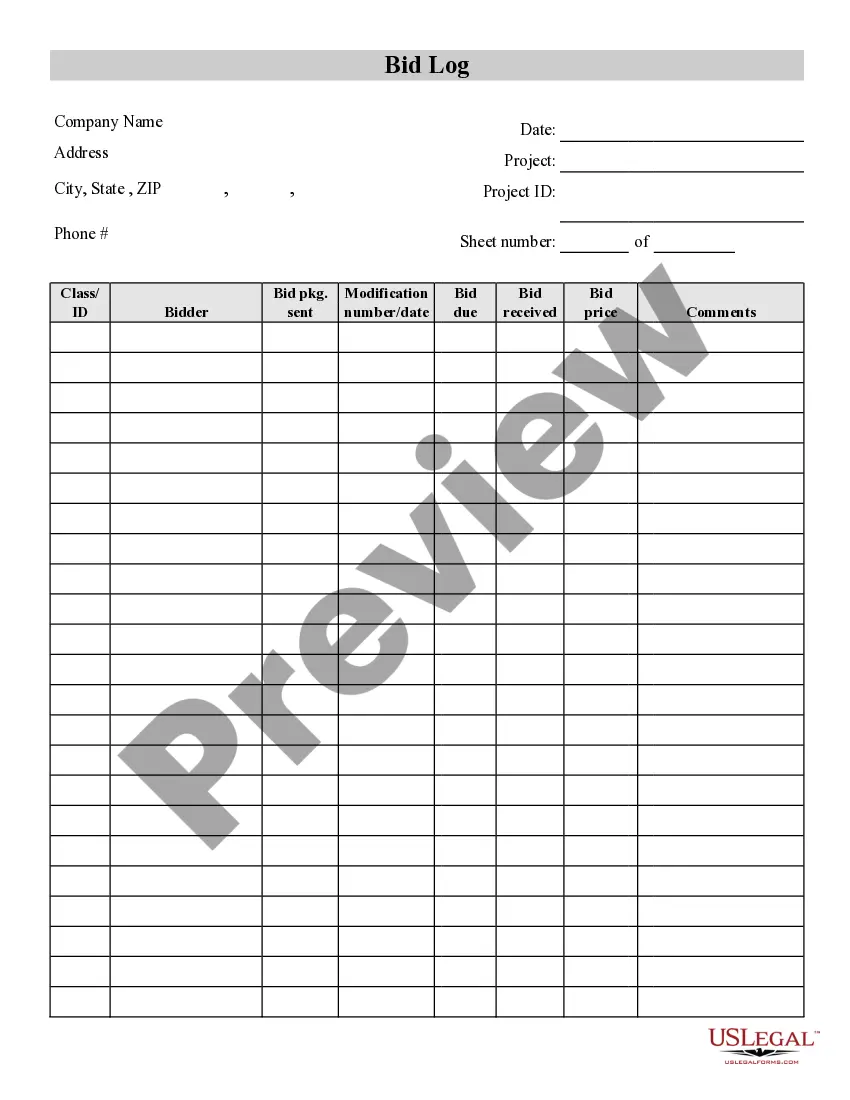
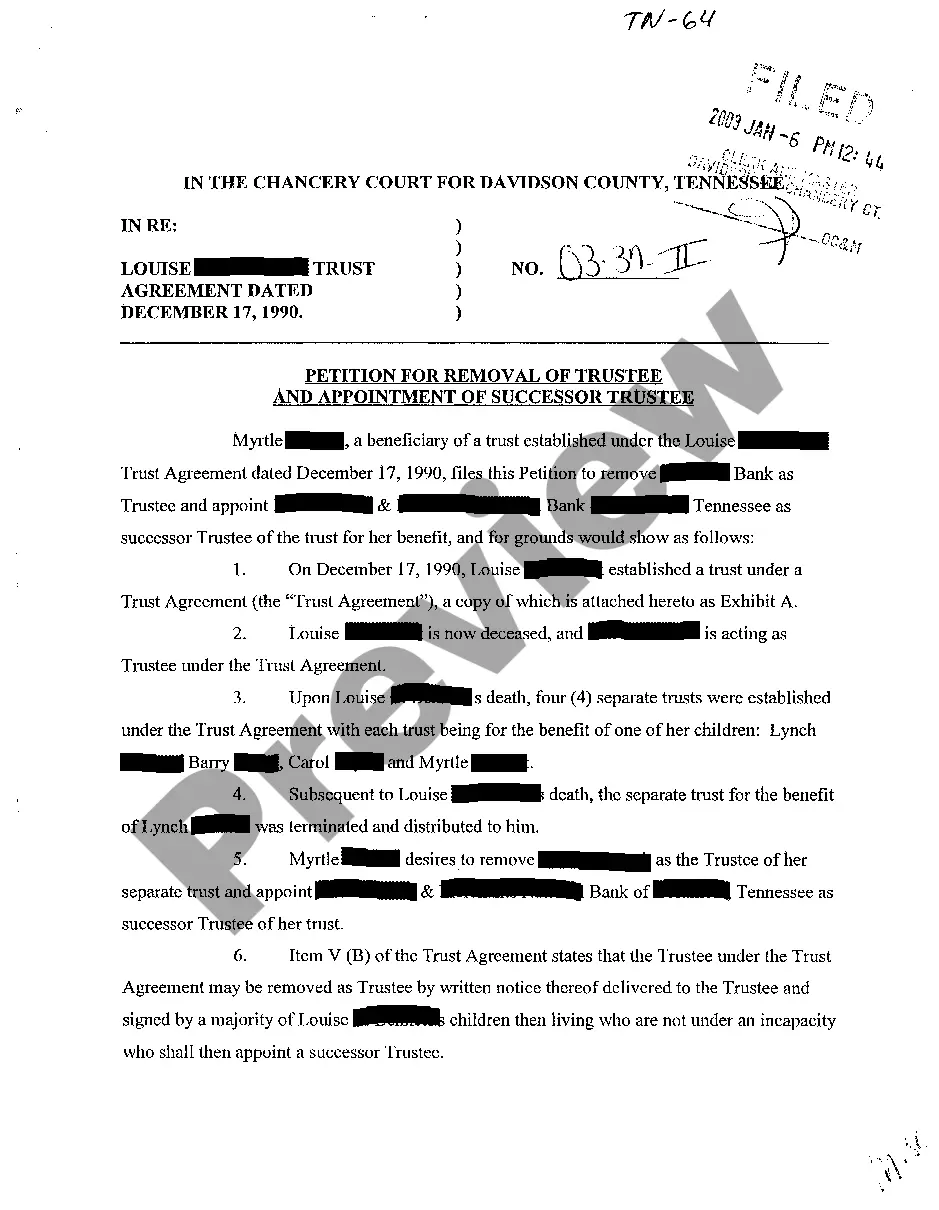
Get your form ready online
Our built-in tools help you complete, sign, share, and store your documents in one place.
Make edits, fill in missing information, and update formatting in US Legal Forms—just like you would in MS Word.
Download a copy, print it, send it by email, or mail it via USPS—whatever works best for your next step.
Sign and collect signatures with our SignNow integration. Send to multiple recipients, set reminders, and more. Go Premium to unlock E-Sign.
If this form requires notarization, complete it online through a secure video call—no need to meet a notary in person or wait for an appointment.
We protect your documents and personal data by following strict security and privacy standards.

Make edits, fill in missing information, and update formatting in US Legal Forms—just like you would in MS Word.

Download a copy, print it, send it by email, or mail it via USPS—whatever works best for your next step.

Sign and collect signatures with our SignNow integration. Send to multiple recipients, set reminders, and more. Go Premium to unlock E-Sign.

If this form requires notarization, complete it online through a secure video call—no need to meet a notary in person or wait for an appointment.

We protect your documents and personal data by following strict security and privacy standards.
Looking for another form?







Form popularity
FAQ
THE FOLLOWING WORK DOES NOT REQUIRE A BUILDING PERMIT: Fully detached accessory buildings to single-family dwellings less than 1,000 square feet. Agricultural Buildings. Manufactured and industrialized housing (mobile homes and modular homes).
You can certainly 'create' your own floor plan and have an architect review it. but with your city/state restrictions and codes, some, if not most of your creation might change to meet general requirements.
An architect is a person who plans, designs, and oversees the construction of buildings. To practice architecture means to provide services in connection with the design of buildings and the space within the site surrounding the buildings that have human occupancy or use as their principal purpose.
10 Tips on How to Make a House Plan 1) Tip 1: Start With A Vision. Before you begin drawing your house plan, have a clear vision of what you want. 2) Tip 2: Research and Gather Inspiration. Look at various house designs and floor plans for inspiration. 3) Tip 3: Determine your budget. 4) Tip 4: Choose the right plot.
To begin manually drafting a basic floor plan, start by lightly laying out your exterior walls with the shape and dimensions desired for the house. For the sake of simplicity, the example shown here is going to use a basic rectangular shape. It is also important to choose an appropriate scale for the drawing.
Creating a floor plan can be a daunting task, especially if you're starting from scratch. Fortunately, with the help of ChatGPT, you can streamline the process and come up with a detailed and well-thought-out floor plan effortlessly.
Best Neighborhoods in Pittsburgh: Guide to Vibe & Amenities Squirrel Hill: Culture and Serenity. Oakland: At The Core of Pittsburgh Innovation. Highland Park: Scenic Beauty and Community Spirit. Greenfield: Affordable Living Near the City. Shadyside: Trendy and Upscale. Lawrenceville: Artistic and Enthralling.
Steps to Draw a Building Plan Create a beginning point and proper scale for the project. Practice altering the scale. Create a plan of building and current property lines to scale, which should be done in an overhead view. Add some information to the plan. Sketch the details of the property. Label everything.
What is the Consolidated Plan? The Consolidated Plan is designed to help states and local jurisdictions to assess their affordable housing and community development needs and market conditions, and to make data-driven, place-based investment decisions.
PITTSBURGH — Housing is arguably one of the most heated topics throughout the City of Pittsburgh, and with a shortage of roughly 8,000 affordable housing units at the lowest income level, two proposals have been drafted to address the issue.