Medical Information Authorization Without In Chicago
Description

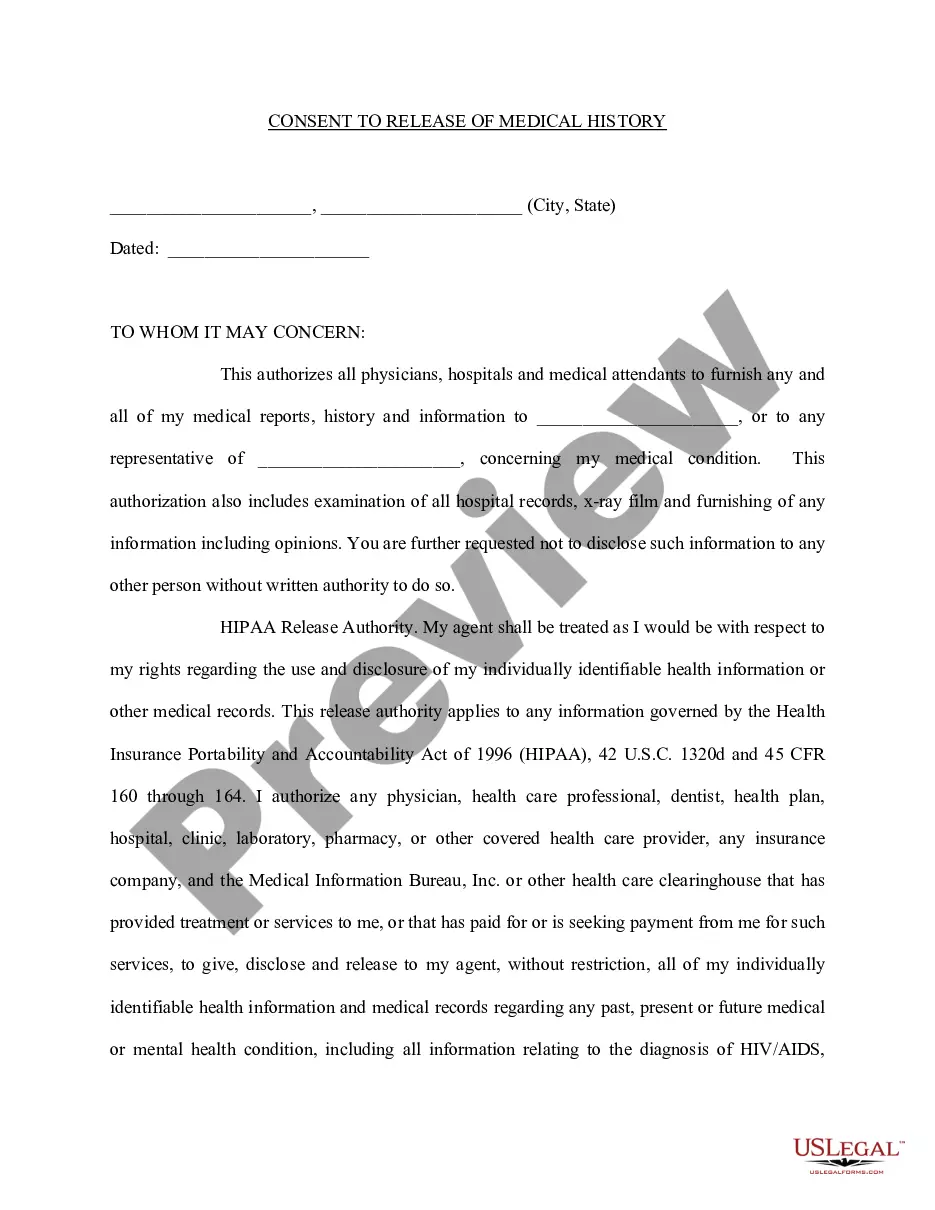
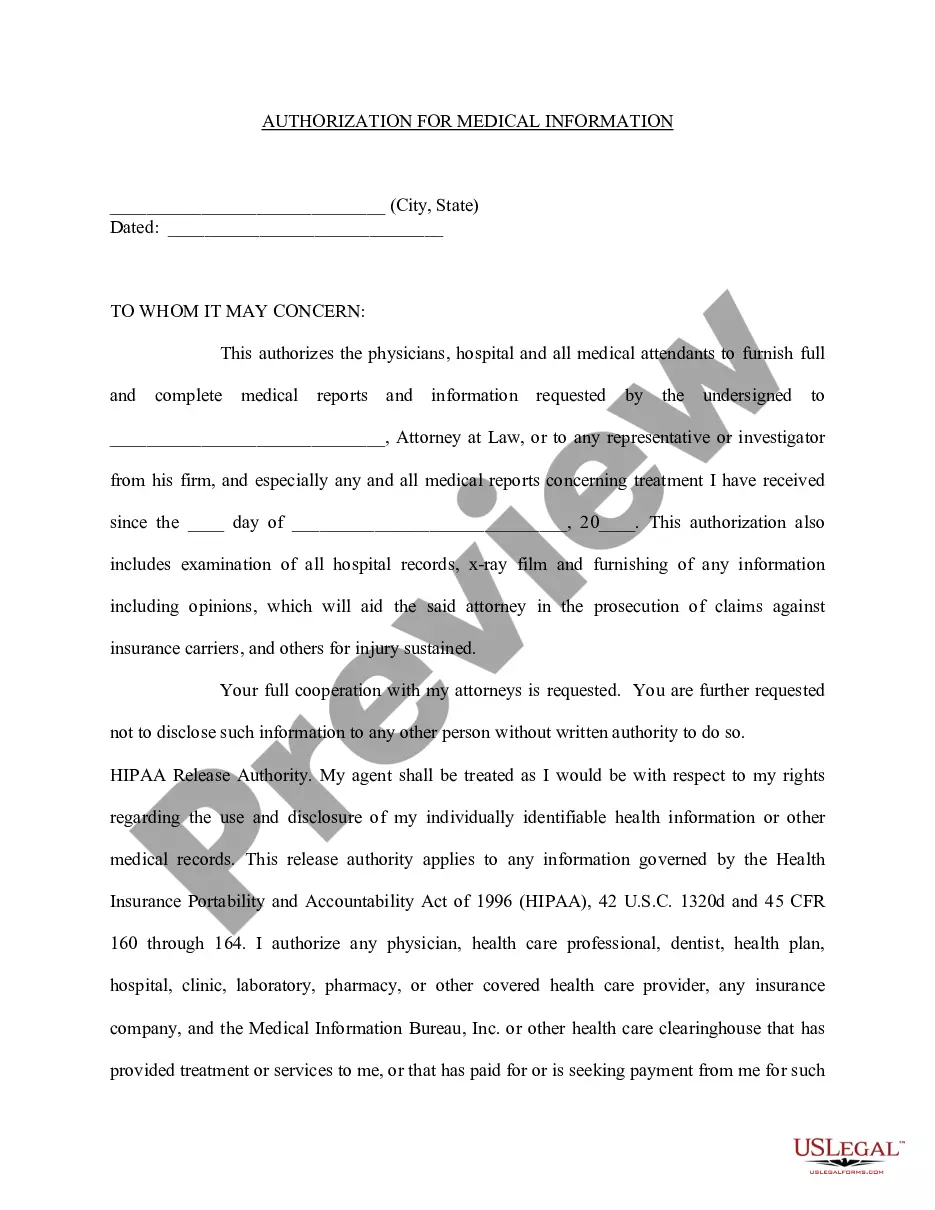
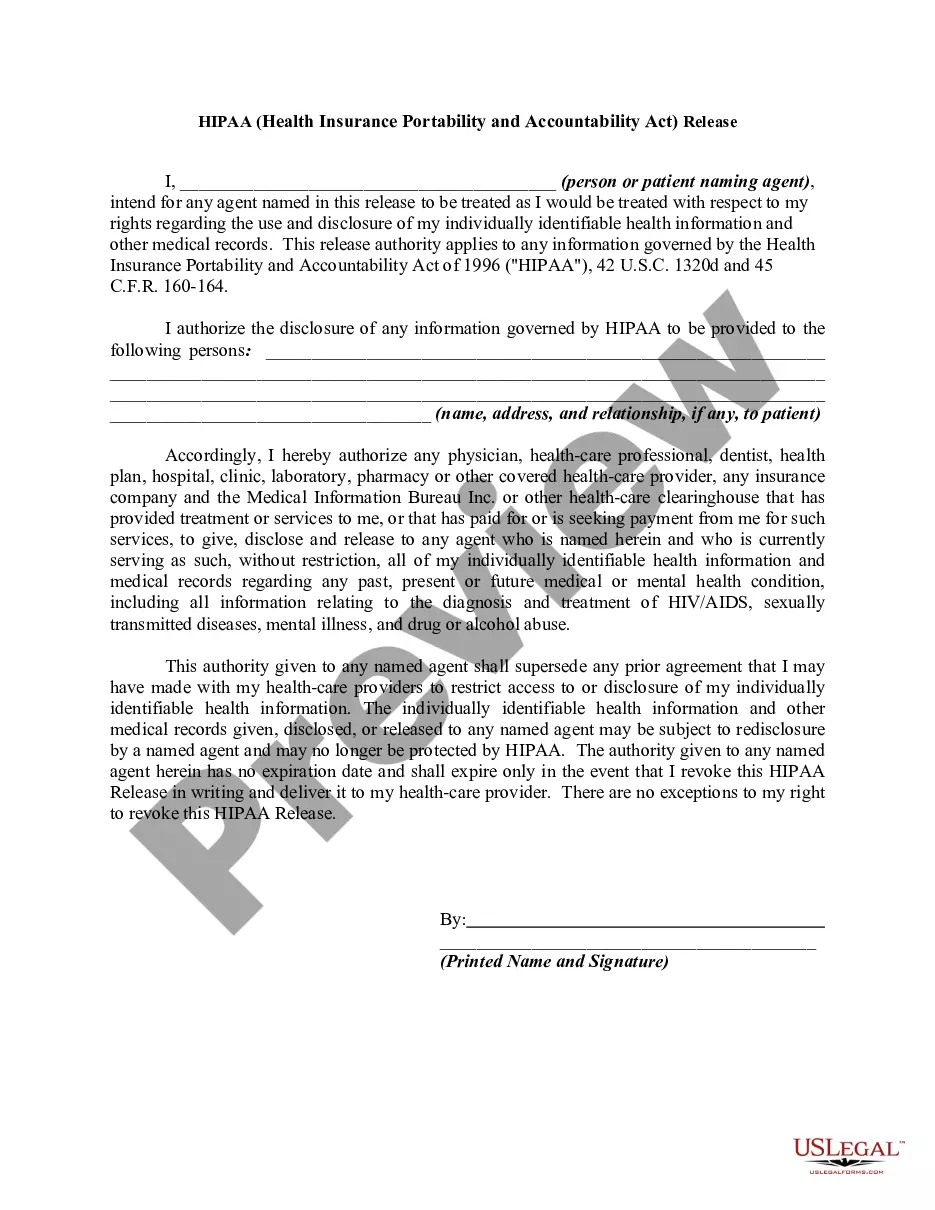
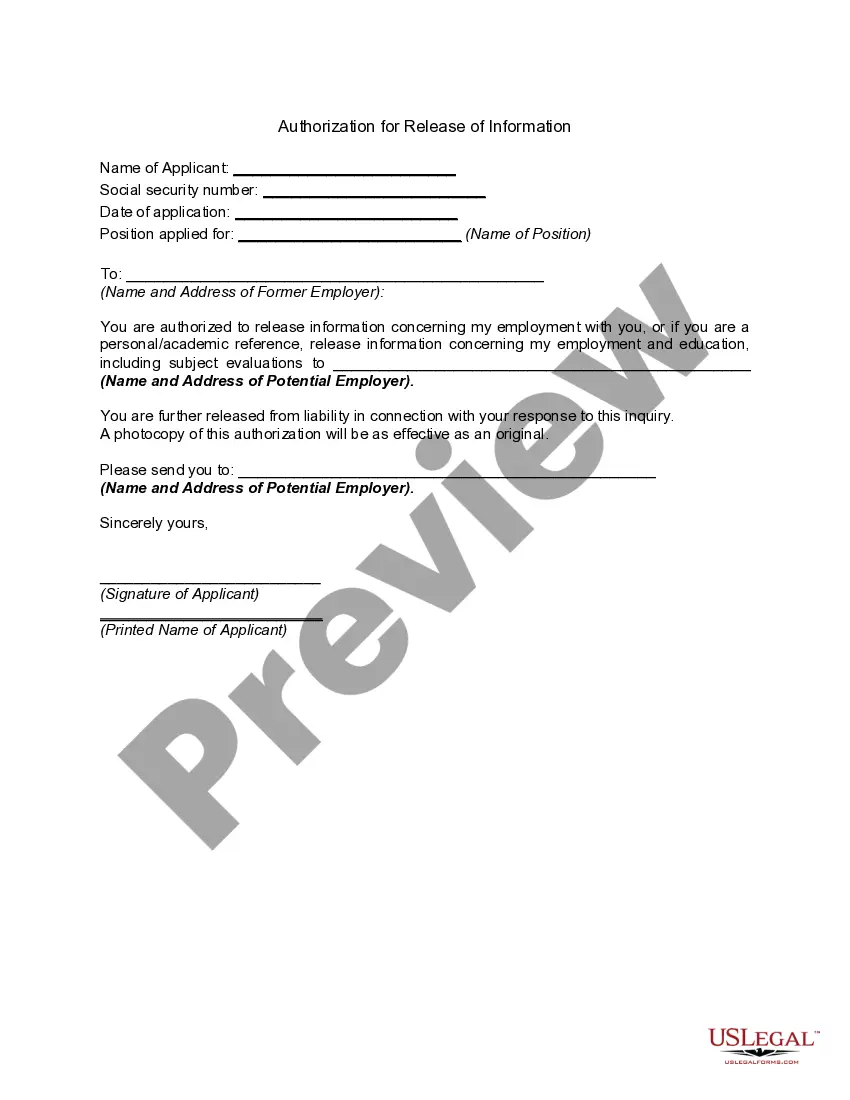
Get your form ready online
Our built-in tools help you complete, sign, share, and store your documents in one place.
Make edits, fill in missing information, and update formatting in US Legal Forms—just like you would in MS Word.
Download a copy, print it, send it by email, or mail it via USPS—whatever works best for your next step.
Sign and collect signatures with our SignNow integration. Send to multiple recipients, set reminders, and more. Go Premium to unlock E-Sign.
If this form requires notarization, complete it online through a secure video call—no need to meet a notary in person or wait for an appointment.
We protect your documents and personal data by following strict security and privacy standards.

Make edits, fill in missing information, and update formatting in US Legal Forms—just like you would in MS Word.

Download a copy, print it, send it by email, or mail it via USPS—whatever works best for your next step.

Sign and collect signatures with our SignNow integration. Send to multiple recipients, set reminders, and more. Go Premium to unlock E-Sign.

If this form requires notarization, complete it online through a secure video call—no need to meet a notary in person or wait for an appointment.

We protect your documents and personal data by following strict security and privacy standards.
Looking for another form?









Form popularity
FAQ
HIPAA requires healthcare entities to protect PHI, which is any information that covered entities create or receive related to an individual's health history and identity. So, any health app that uses such information is required to comply with HIPAA rules.
For example, under Illinois law, hospitals must keep medical records at least 10 years. There is no specific rule for how long doctors in Illinois must keep medical records. You have the right to see, get a copy of, and amend your medical record for as long as your health care provider has it.
The simple answer is, if you work in healthcare in any capacity, you need to be HIPAA compliant. The misconception that only covered entities (CEs) need to be HIPAA compliant has led to many organizations being audited and fined. If you are handling protected health information (PHI) you need to be HIPAA compliant.
The Patriot Act and Medical Records This gives an agency like the FBI that can use both sets of rules—HIPAA and the Patriot Act—alternatives. It can ask a HIPAA-covered entity for medical records, which can be turned over without a patient's authorization under the national security exemption.
A HIPAA authorization is a form that must be completed by a patient or a health plan member when a covered entity wishes to use or disclose PHI for a purpose not permitted by the HIPAA Privacy Rule. The failure to obtain a valid HIPAA authorization is considered a serious violation of HIPAA compliance.
Authorization. A covered entity must obtain the individual's written authorization for any use or disclosure of protected health information that is not for treatment, payment or health care operations or otherwise permitted or required by the Privacy Rule.
You can submit your medical records request via email or mail to the hospital from which you're seeking the records. If you send via mail, please address the envelope to the attention of the Health Information Management Department at the hospital. You also can stop in and drop off your request in person.
If your website stores or transmits PHI, it needs to be HIPAA compliant to protect patient information from getting leaked. Besides that, non compliance has financial ramifications in terms of business loss, financial penalties and loss of trust.
You can submit your medical records request via email or mail to the hospital from which you're seeking the records. If you send via mail, please address the envelope to the attention of the Health Information Management Department at the hospital. You also can stop in and drop off your request in person.
Content for a valid authorization includes: The name of the person or entity authorized to make the request (usually the patient) The complete name of the person or entity to receive the protected health information (PHI) A specific description of the information to be used or disclosed, including the dates of service.