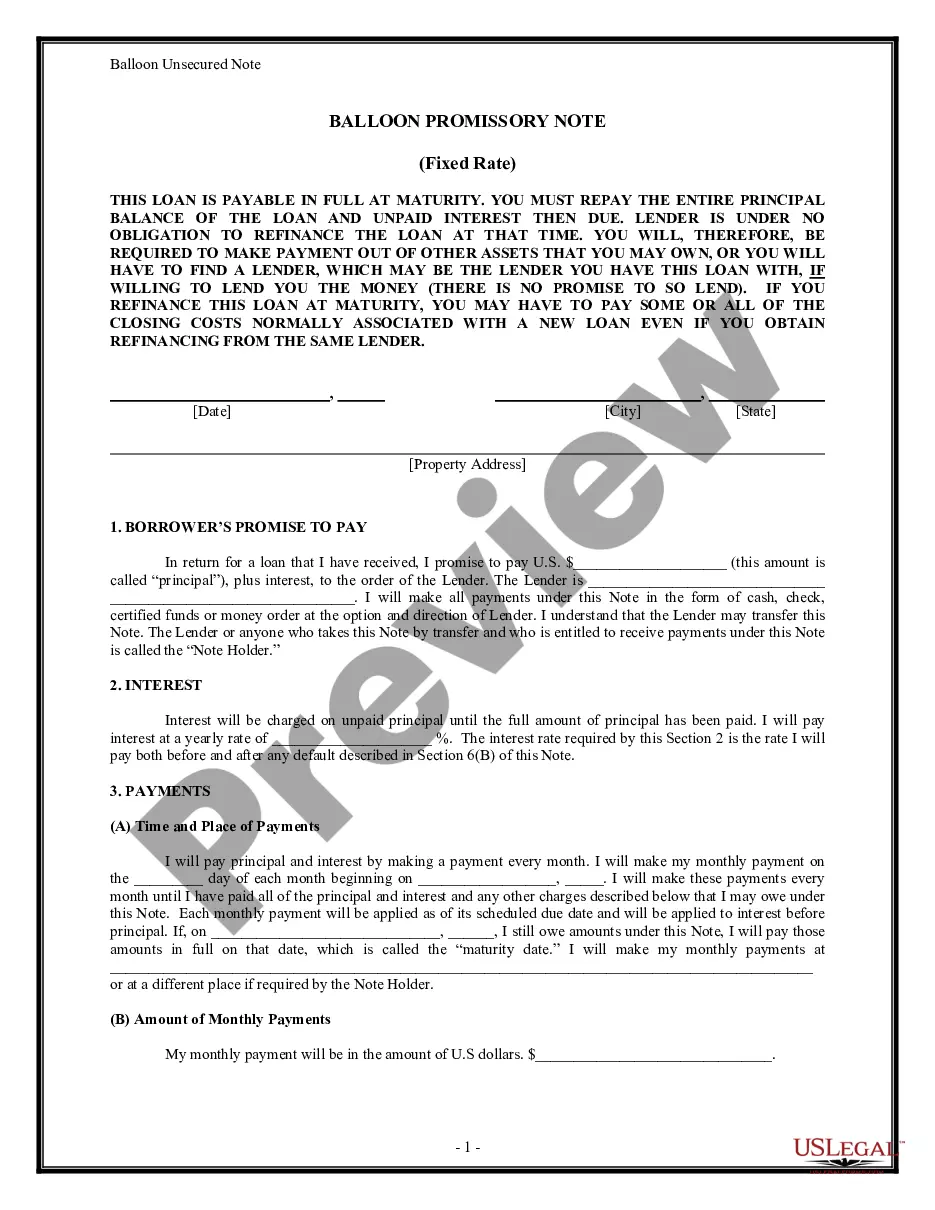
Promissory Note Calculator With Balloon Payment In Virginia
Description

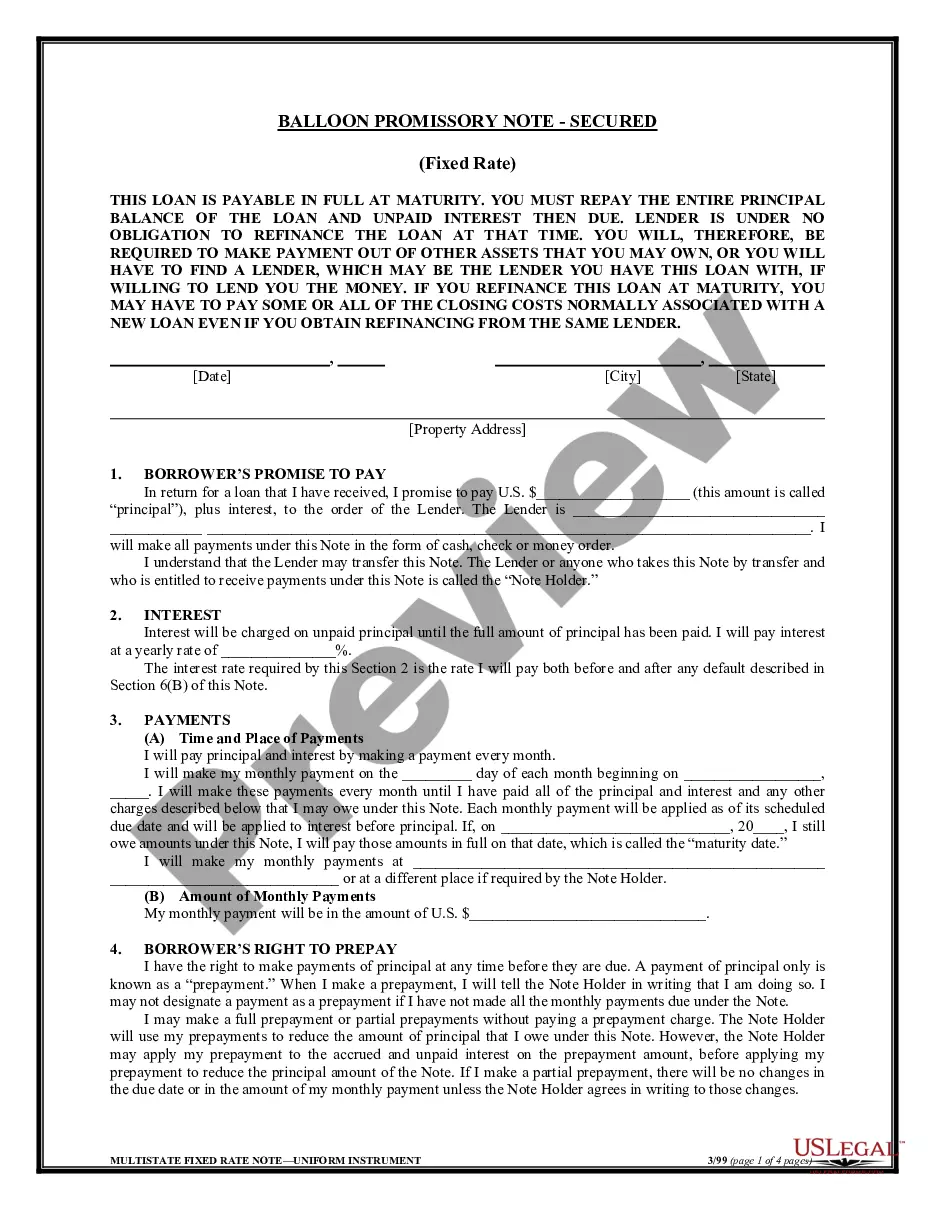
Get your form ready online
Our built-in tools help you complete, sign, share, and store your documents in one place.
Make edits, fill in missing information, and update formatting in US Legal Forms—just like you would in MS Word.
Download a copy, print it, send it by email, or mail it via USPS—whatever works best for your next step.
Sign and collect signatures with our SignNow integration. Send to multiple recipients, set reminders, and more. Go Premium to unlock E-Sign.
If this form requires notarization, complete it online through a secure video call—no need to meet a notary in person or wait for an appointment.
We protect your documents and personal data by following strict security and privacy standards.

Make edits, fill in missing information, and update formatting in US Legal Forms—just like you would in MS Word.

Download a copy, print it, send it by email, or mail it via USPS—whatever works best for your next step.

Sign and collect signatures with our SignNow integration. Send to multiple recipients, set reminders, and more. Go Premium to unlock E-Sign.

If this form requires notarization, complete it online through a secure video call—no need to meet a notary in person or wait for an appointment.

We protect your documents and personal data by following strict security and privacy standards.
Looking for another form?








Form popularity
FAQ
Accounting Treatment: The balloon payment is usually recorded as a liability in the financial statements until it becomes due.
Risk of Foreclosure if Unable to Make Payments The most significant risk of a balloon mortgage is foreclosure if the borrower can't make the balloon payment at the end of the term. Foreclosure can result in the loss of the home, emotional distress, and impact the borrower's credit negatively, generally for seven years.
We can use the below formula to calculate the future value of the balloon payment to be made at the end of 5 years: FV = PV x (1+r)n – P x.
The term of a balloon mortgage is usually short (e.g., 5 years), but the payment amount is amortized over a longer term (e.g., 30 years). An advantage of these loans is that they often have a lower interest rate, but the final balloon payment is substantial.
If there is a "balloon payment" (final balance), enter it into B4 as a positive value, and use the formula =PMT(B2, B3, -B1, B4). Those formulas also assume that payments are at the end of the period (i.e. end of month). That is typical. However, for car leases and such, the payment is at the beginning of the period.